
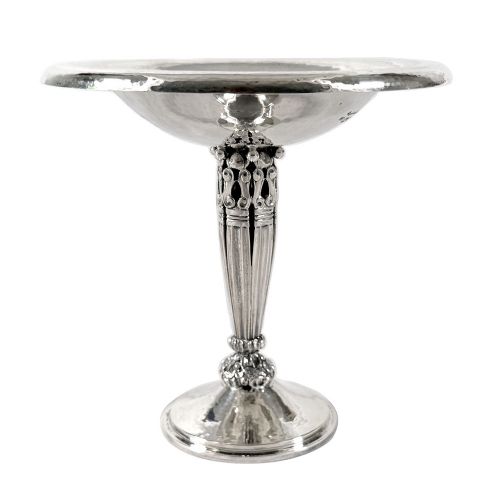
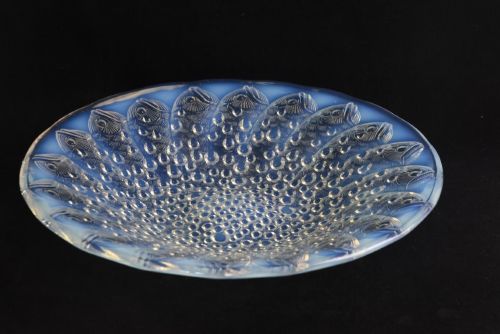
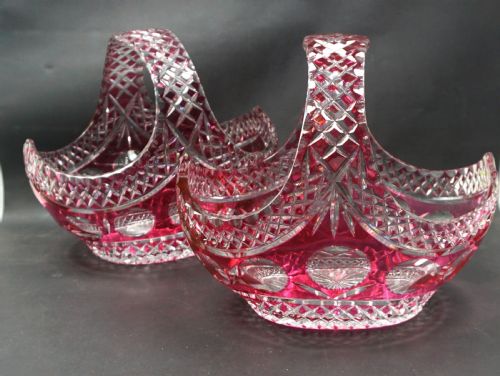

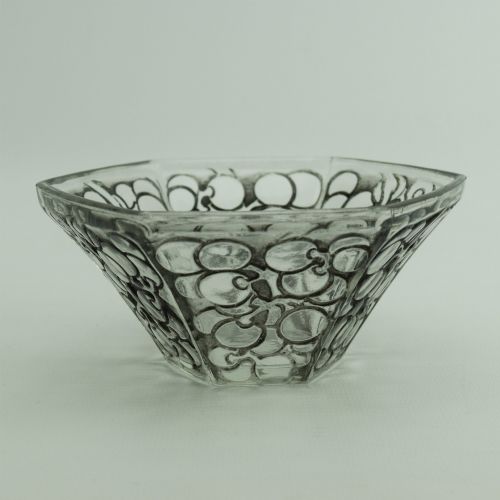

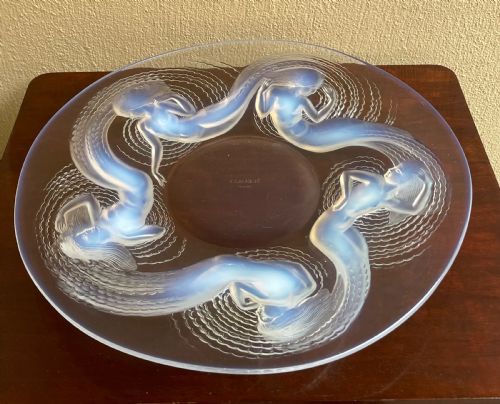


Art Deco Centrepiece Bowl
An art deco centrepiece bowl is a striking focal point for a table, combining bold geometric forms with the distinctive glass styling of the interwar years.
What these pieces are
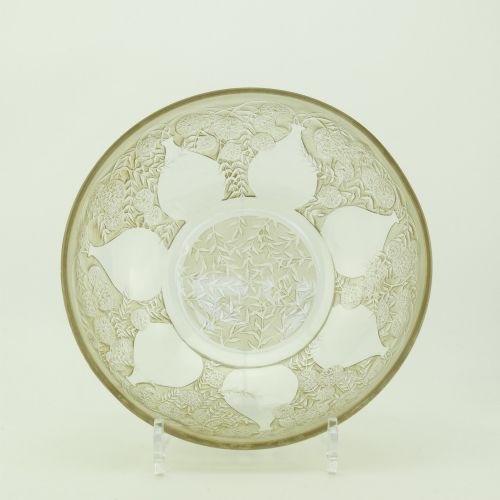
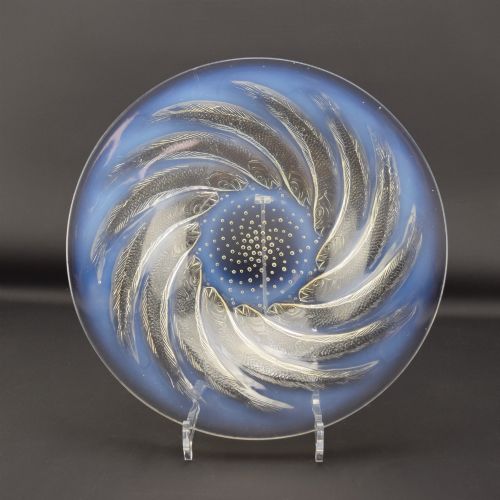
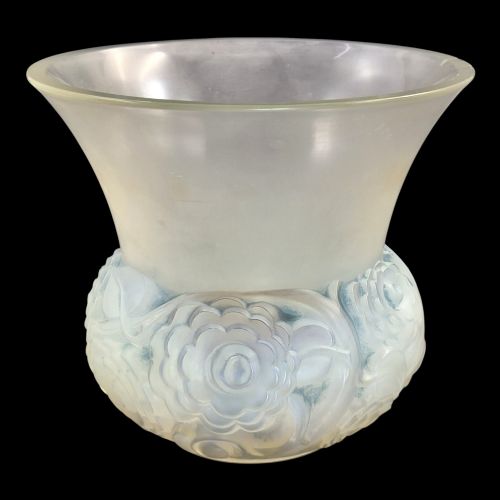
When you search for an art deco centrepiece bowl, you are looking at table vessels and comports designed in the iconic style of the nineteen twenties and nineteen thirties. These decorative items range from large blue figural comports to green glass rose bowls created during the height of the movement.
On this page, you are most likely to meet press-moulded and opalescent glass vessels from around nineteen thirty. These pieces serve as functional centrepieces or standalone decorative bowls that capture the characteristic aesthetic of the period.
How they were made
These items are fashioned from glass, utilising pressing and moulding techniques to achieve complex decorative relief. Makers employed press-moulded and moulded glass methods to shape the material while it was hot.
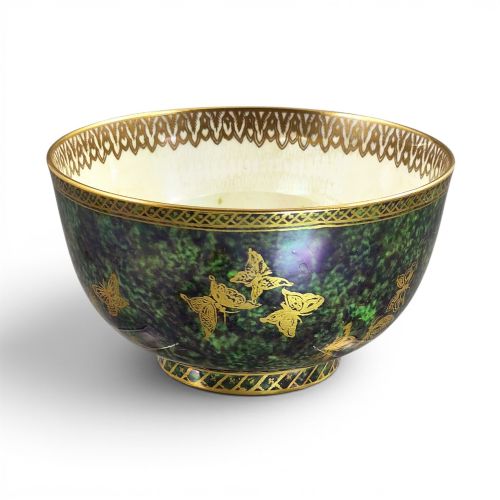
Selected pieces incorporate additional decorative details such as gold leaf applied to the surface. The manufacturing process relies on specialised metal moulds to create the distinctive forms and figural elements seen in the glass.
The listings span the nineteen twenties and nineteen thirties, featuring opalescent glass, press-moulded glass, and gold leaf.
What varies in quality
The distinction between standard production items and superior examples lies in the crispness of the mould and the optical depth of the glass. Finer vessels display sharper relief in their figural or geometric motifs.
Material composition also plays a part, with opalescent glass exhibiting varied play of light across its surface depending on the manufacturing technique. Superior works achieve a more dynamic visual effect under illumination.
Rene Lalique·Jobling
The Art Deco Centrepiece Bowl Glossary
- Opalescent glass
- Glass that displays a milky, semi-translucent appearance with milky-blue highlights when viewed in transmitted light and warm tones in reflected light. This optical effect is achieved through the addition of specific chemicals to the molten batch.
- Comport
- A raised bowl or dish on a pedestal, used for serving fruit or as a decorative table centrepiece. These vessels stand above the table surface on a distinct foot or stem.
- Rose bowl
- A short, rounded bowl with a restricted opening or a flower frog lid designed specifically for arranging short-stemmed roses. The form keeps the blooms clustered together in the centre of the vessel.
- Press-moulded glass
- Glass formed by pressing molten metal into a metal mould using a plunger to shape the interior and exterior simultaneously. This mechanical technique allowed for faster production of patterned tableware.
Frequently Asked Questions
What is an art deco centrepiece bowl used for?
These bowls serve primarily as decorative table centrepieces or display vessels in a room. They hold fruit, flowers, or stand alone as sculptural objects.
Their substantial size and distinct ornamentation draw the eye, making them natural focal points for dining tables and sideboards.
How do I date an art deco glass bowl?
Dating relies on stylistic markers, manufacturing techniques, and registered design numbers stamped or moulded into the glass. The presence of specific colour palettes and figural motifs helps narrow the timeframe to the nineteen twenties and thirties.
Comparison with known factory catalogues and registration records provides more precise chronological placement.
How do I clean an opalescent glass bowl?
Wash the glass gently in warm water using a mild, non-abrasive detergent and a soft cloth. Avoid harsh scrubbing brushes or abrasive powders that can scratch the delicate surface.
Dry the vessel thoroughly with a lint-free cloth to prevent water spots from obscuring the opalescent finish.
Where should I display a figural glass comport?
Place the comport on a stable surface away from heavy traffic areas where it might be knocked. Good locations include dining tables, entrance halls, or deep shelves with adequate room for viewing.
Positioning the piece near a light source enhances the optical qualities of the coloured or opalescent glass.