









Vintage Crystal Bowl
These vintage crystal bowl pieces bring heavy lead glass and cut facets to the table, offering a bright refraction of light that collectors prize.
Vintage Crystal Bowl
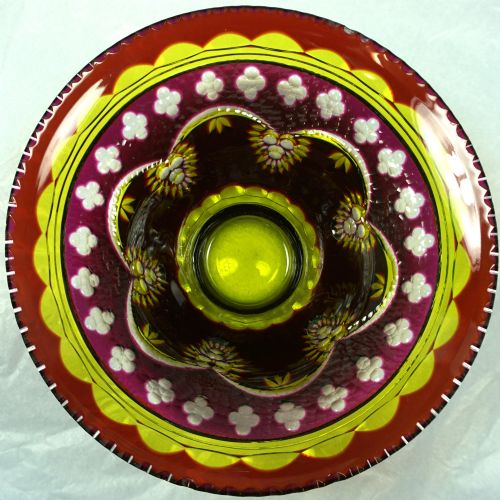
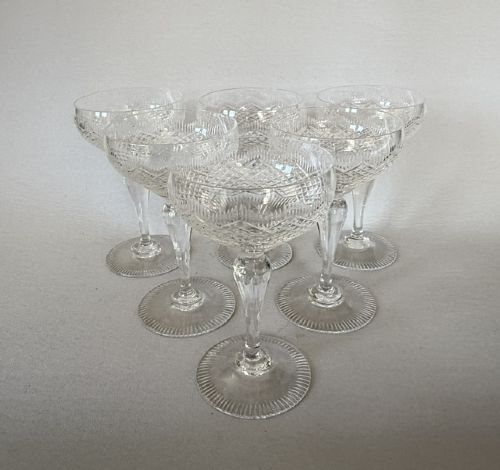
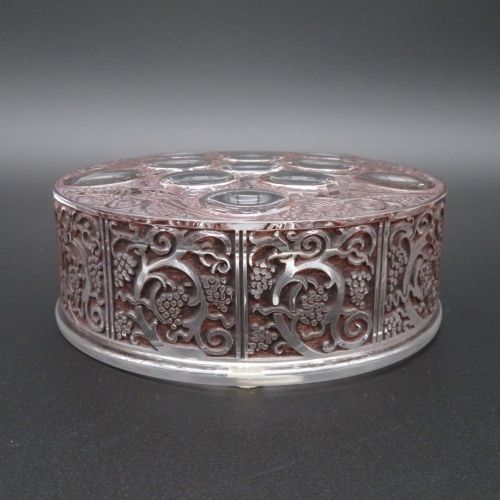
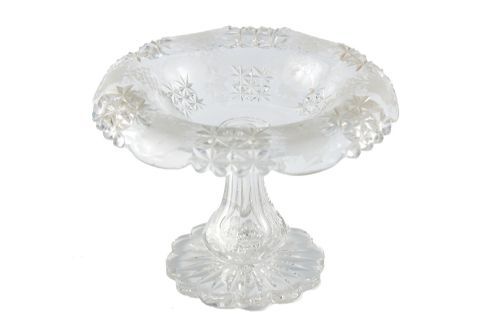
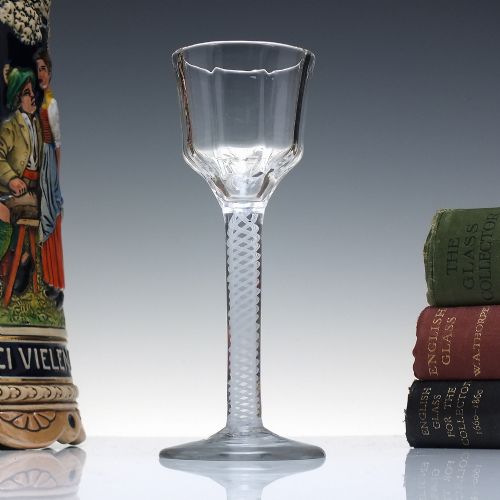
A vintage crystal bowl brings together heavy glass vessels shaped for display, serving, and centrepieces across multiple eras. The pieces on this page span Georgian drinking vessels, Victorian pedestal dishes, and Art Deco glass from French and Belgian makers.
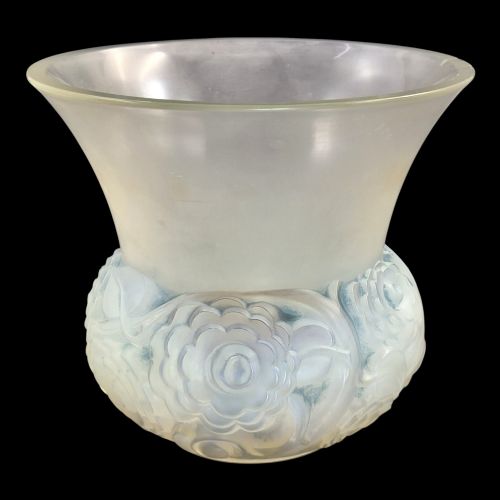
Buyers searching for a vintage crystal bowl will encounter table centrepieces, lidded butter dishes, and deep decorative bowls alongside smaller trinket dishes. The forms range from clear cut glass to coloured over-crystal and opalescent glass.
The inventory covers a wide chronological spread, running from eighteenth-century glassware through Victorian and Edwardian household items into nineteen-thirties modernist designs. Clear lead glass and cut glass dominate the selection, accompanied by mounted silver and ormolu mounts.
Materials and production methods
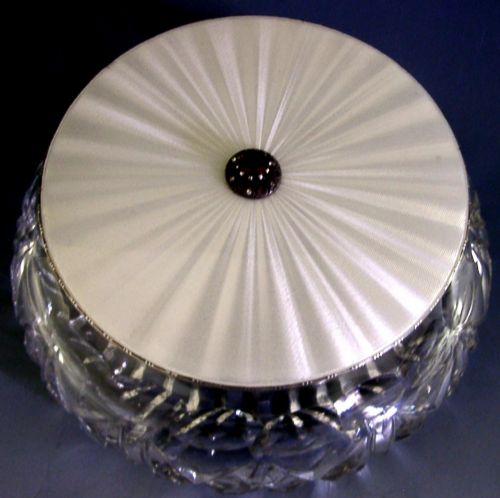
Makers shaped these items using lead crystal, clear glass, and coloured overlay glass, frequently combining the glass body with sterling silver, brass, or ormolu mounts. Techniques involve hand-blowing, mould-pressing, and deep wheel-cutting to create crisp facets and patterns.
Surface decoration relies on skilled engraving, acid-etching, and applied enamel work, particularly in nineteenth-century Bohemian pieces and twentieth-century French designs. Metal elements such as silver collars or gilt bronze stands are fitted directly to the glass rims and bases.
Vintage Crystal Bowl Retail Price Guide 2026
Typical asking prices for vintage crystal bowl among the pieces listed under this phrase on Sellingantiques today, from the lower quarter to the upper quarter. They describe what is for sale here now, not the wider market.
Listings on this page range from eighteenth-century Georgian baluster stemware to nineteen-thirties Art Deco crystal bowls by French and Belgian makers.
Distinctions in quality and execution
The distinction between standard utility vessels and superior pieces lies in the crispness of the wheel-cutting and the clarity of the metal. Heavier lead content provides a resonant ring and sharp light refraction, whereas lower grades show softness in the cut facets.
Workmanship on associated metal mounts separates ordinary items from high-end examples, where hand-enamelling, solid sterling silver lids, and heavy ormolu bases match the quality of the glass body. Signed works from established glassworks demonstrate superior control over opalescent tones and coloured overlays.
Lalique·Daum France·Val St Lambert·St Louis glassworks
The Vintage Crystal Bowl Glossary
- Lead Crystal
- Glass containing a high percentage of lead oxide, which increases weight, clarity, and the dispersion of light.
- Cut Glass
- Glassware decorated by holding the surface against rotating abrasive wheels to cut geometric or floral patterns into the material.
- Overlay Glass
- A technique where a layer of coloured glass is fused over a clear or contrasting glass body before being cut through to reveal the layer underneath.
- Plafonnier
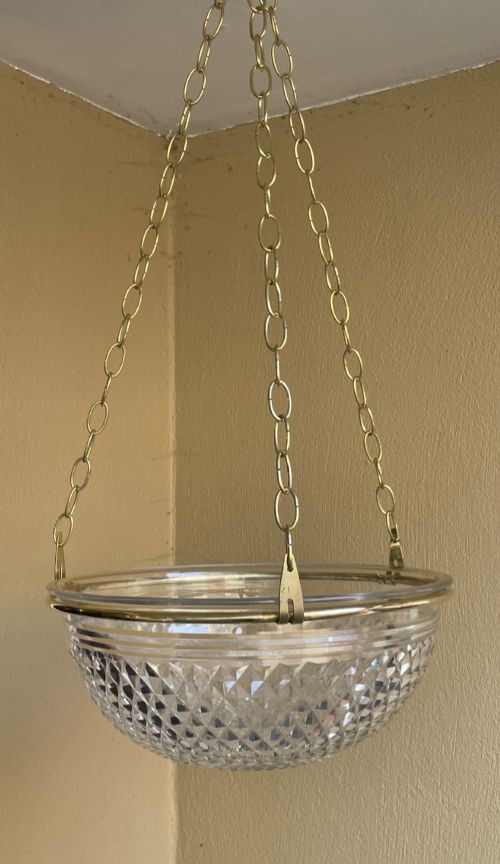
- A ceiling light bowl mounted close to the fixture, frequently utilised in Edwardian and twentieth-century interiors.
- Centrepiece
- A large decorative bowl or dish designed to sit in the middle of a dining table for display or service.
Vintage Crystal Bowl: Frequently Asked Questions
How do I clean a vintage crystal bowl safely?
Wash the glass by hand in lukewarm water using a mild detergent, placing a towel at the bottom of the sink to cushion the heavy material. Avoid sudden temperature changes to prevent cracking the lead glass.
Dry the vessel immediately with a lint-free cloth to maintain the clarity of the cut facets and prevent water spots from forming on the surface.
How do I identify a Victorian crystal bowl?
Victorian examples typically feature deep, heavy cut glass designs, sometimes combined with silver plated or sterling silver rims and matching trinket dishes. The silhouettes tend toward ornate pedestal forms and etched floral motifs.
Compare the weight and the sharpness of the facets against Edwardian and later twentieth-century styles, which often introduced cleaner lines or coloured overlays.
What is the difference between glass and crystal?
Crystal contains added lead oxide, which increases the weight of the material and gives it a higher refractive index than standard soda-lime glass. This composition allows artisans to cut deeper, sharper patterns that scatter light more brilliantly.
The higher density also produces a clear, resonant tone when the rim is tapped gently.