
Cut Crystal Dish
When you handle a cut crystal dish, you hold heavy lead glass cut with deep facets that catch the daylight just as it did in the nineteenth and early twentieth centuries.
Cut Crystal Dish
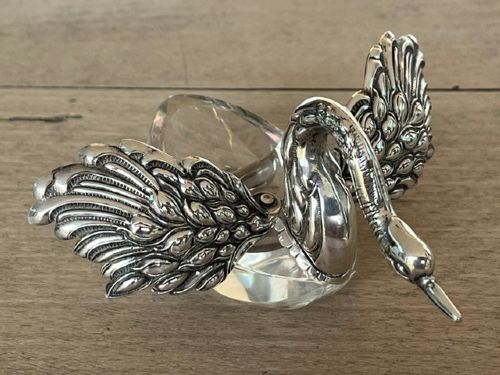
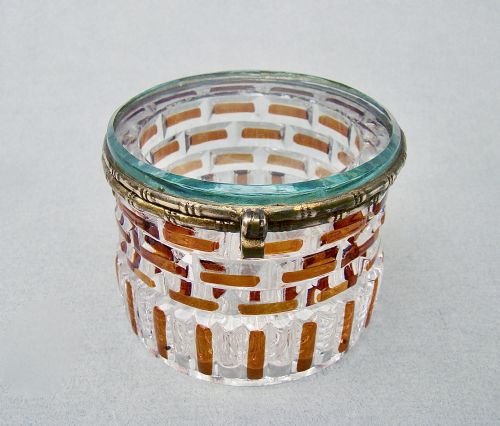
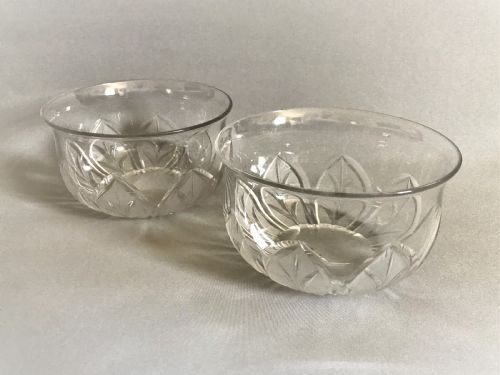
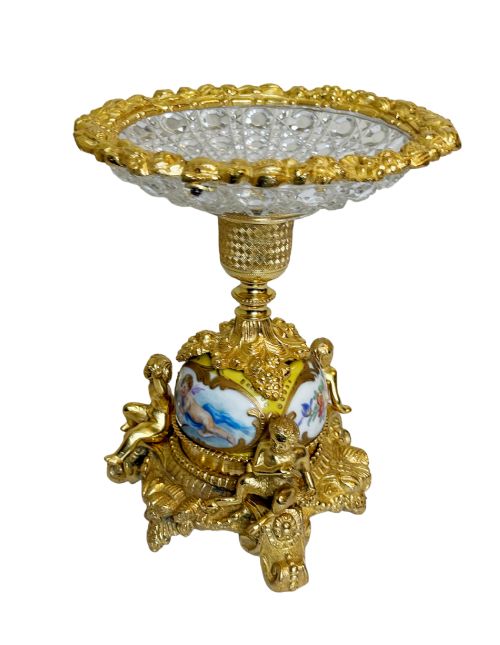
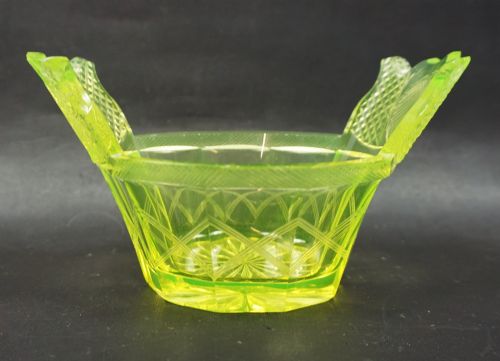
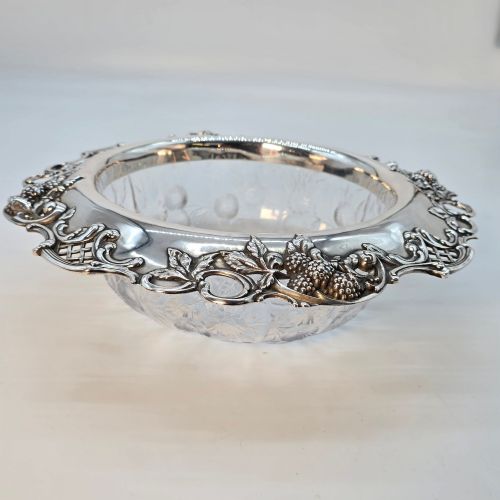
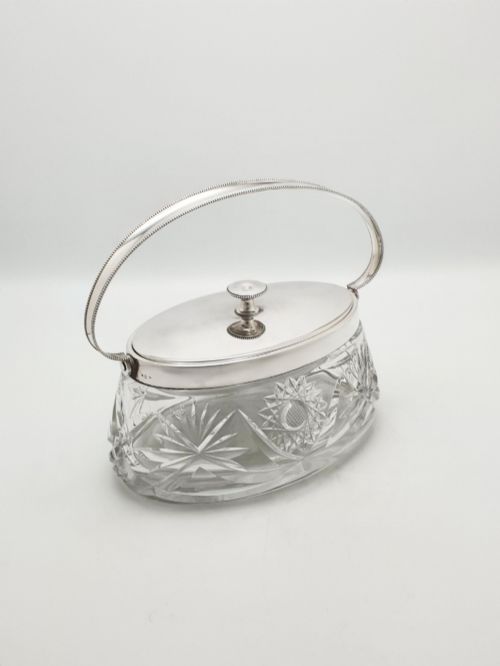
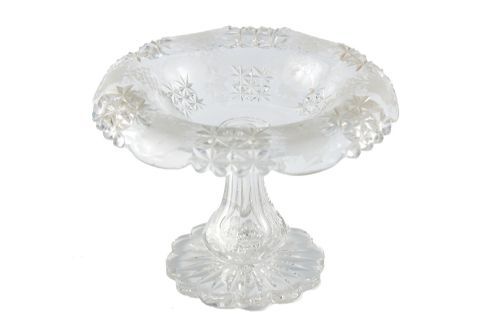
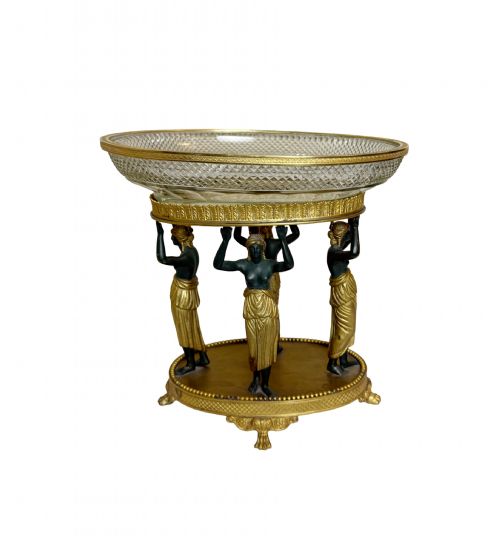
A cut crystal dish serves a variety of domestic and decorative roles, appearing on this page as finger bowls, trinket boxes, lidded butter dishes, and large centrepiece bowls. The items range from the Georgian period through the Victorian and Edwardian eras into the Art Deco years of the early twentieth century.
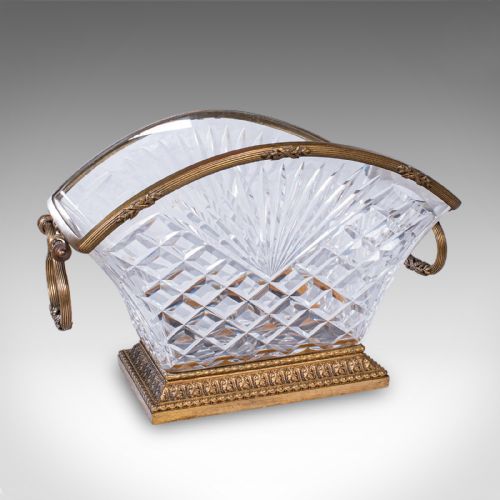
The most common examples encountered here are Victorian and Edwardian tablewares, often paired with mounts of sterling silver, silver plate, or gilt bronze. These pieces reflect diverse European origins, including English, French, and Bohemian workshops that utilised heavy press-moulded and hand-cut techniques.
How they were made
The body of each piece begins as molten lead crystal or glass, blown or pressed into moulds before artisans apply wheel-cut facets, flutes, and cross-hatching to the surface. This abrasive cutting creates sharp linear patterns that refract light through the high-density glass.
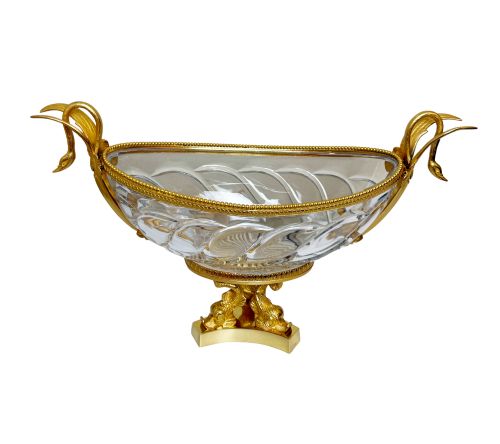
Metal mounts such as gilt bronze, ormolu, brass, and sterling silver are cast and chased separately before being fitted to the glass bodies, frequently secured with pins or collars.
Listings feature lead crystal, cut glass, gilt bronze, and sterling silver across Victorian, Edwardian, and Art Deco periods.
What varies in quality
The distinction between standard domestic wares and superior examples rests on the depth and crispness of the glass cutting, where hand-polished facets show sharper edges and clearer transparency than moulded substitutes. Heavier lead content provides a resonant ring and greater heft in the hand.
The integration of metalwork also defines the tier of an object, with cast and chased gilt bronze mounts or heavy sterling silver lids indicating superior workshop output compared to lighter silver-plated brass.
Baccarat·Tiffany and Co·WMF·Joseph Simon·Hoffman·Posen of Frankfurt and Berlin·James Dixon and Sons·Elkington
The Cut Crystal Dish Glossary
- Plafonnier
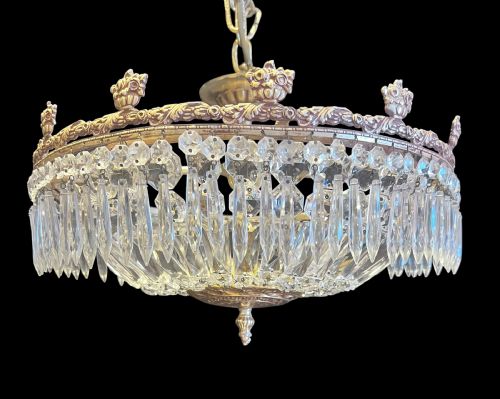
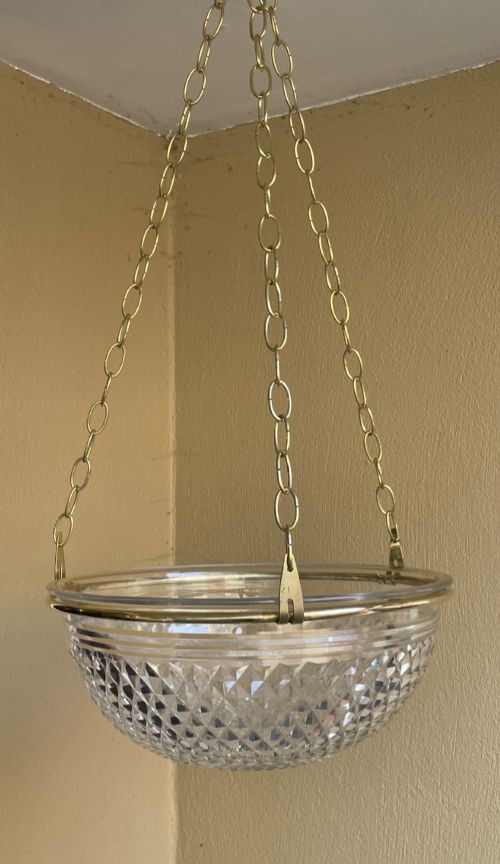
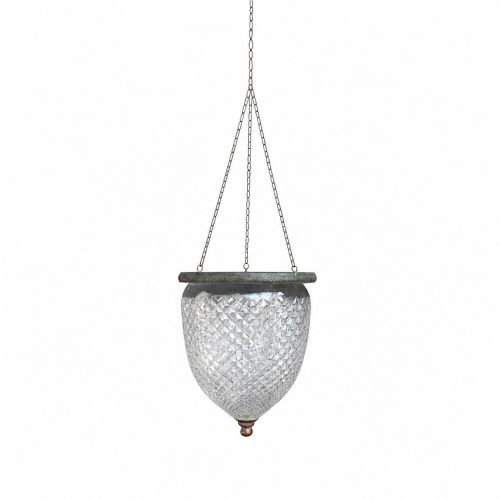
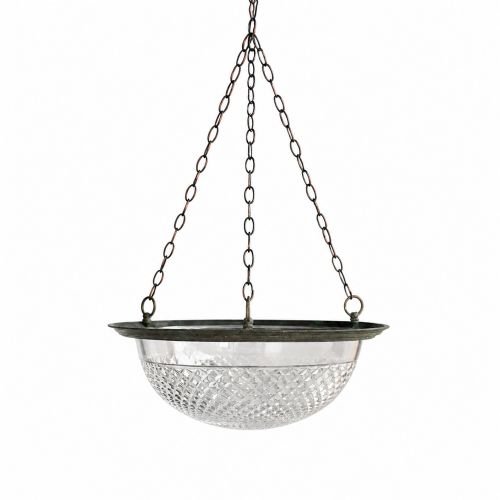
- A ceiling light fitting with a bowl-shaped shade mounted close to the ceiling. These frequently utilise cut glass or crystal bowls held by brass or bronze frames.
- Tazza
- A shallow ornamental bowl or cup mounted on a stem and foot. They are often produced in coloured or overlay crystal for display on nineteenth-century tables.
- Ormolu
- Gilded bronze used for mounts and decorative detailing on furniture and decorative objects. The technique involves applying a gold amalgam to a bronze base.
- Guilloche
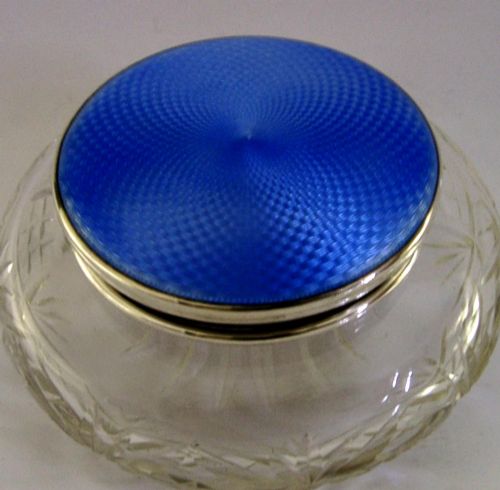
- An architectural pattern of intersecting curved bands created by mechanical engraving. This technique appears on the enamel and metal lids of twentieth-century trinket boxes.
Cut Crystal Dish: Frequently Asked Questions
Can I use these dishes for food?
Many of these items, such as butter dishes and hors d'oeuvres containers, were designed specifically for dining tables and remain suitable for serving dry foods. Historic pieces with lead crystal composition are best used for short-term presentation rather than acidic contents.
Dishes paired with antique silver plate or exposed metal mounts require careful handling if used with food. Hand washing prevents any deterioration of the historic metal surfaces.
How do I date a cut crystal dish?
Examine the style of the cutting, the weight of the glass, and any accompanying metal mounts to determine the period. Georgian and early Victorian pieces often feature hand-cut facets with polished rims, while later twentieth-century items may show press-moulded seams.
Maker marks stamped onto silver mounts or etched signatures on the glass provide precise chronological clues. Comparing the aesthetic to established design movements like Art Deco or French Belle Epoque narrows the timeframe further.
What is overlay crystal?
Overlay crystal consists of a clear glass base coated with one or more thin layers of coloured glass, such as cobalt blue or green. Artisans cut through the outer coloured layer to expose the clear glass beneath, creating high-contrast patterns.
This technique requires considerable skill to control the depth of the cut without damaging the underlying crystal. Pieces executed in this manner often date to the nineteenth and early twentieth centuries.