


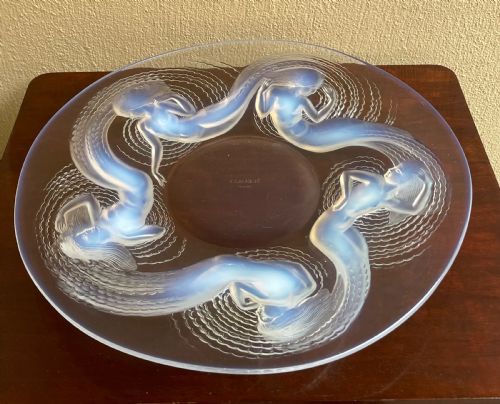


1930s Glass Centrepiece
A 1930s glass centrepiece brings dramatic Art Deco presence to a dining table or sideboard through bold coloured glass and sculptural moulding.
Understanding the 1930s glass centrepiece
A 1930s glass centrepiece encompasses striking decorative bowls, pedestal bowls, comports, and epergne vases created during the Art Deco period. These pieces served as focal points for tables and interiors, combining utilitarian function with strong decorative ambition.
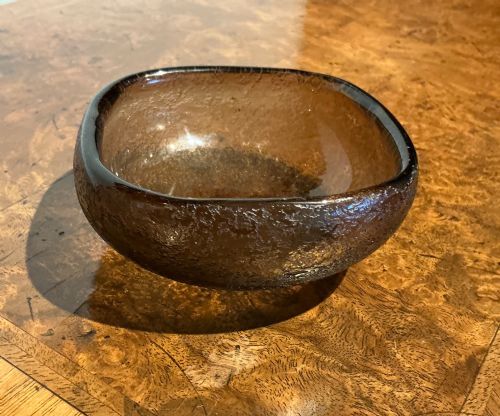
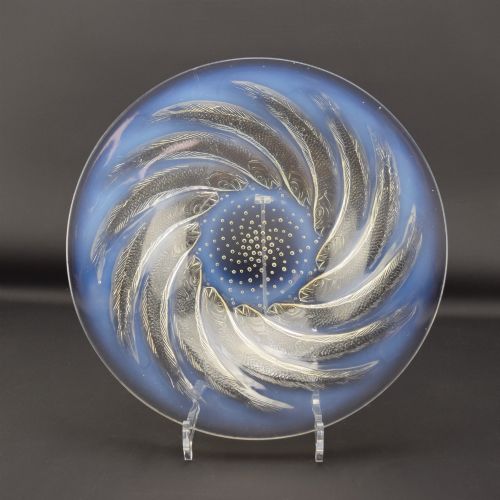
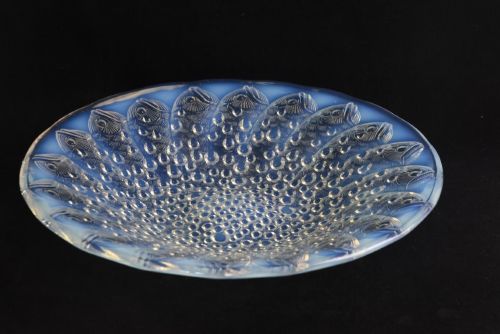
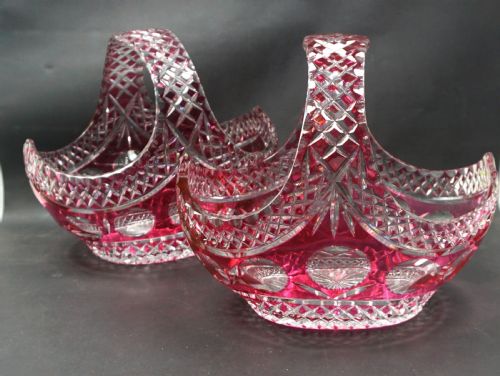
The objects appearing on this page include significant works in coloured and opalescent glass, often featuring layered cased techniques or figural elements. Forms range from low open bowls to raised pedestal pieces designed to catch the light from every angle.
Materials and construction
Makers utilised lead crystal, opalescent glass, frosted glass, and cased glass, frequently layering different coloured glasses together to create depth and contrast. Some designs integrated chrome and gold leaf details to enhance the visual impact of the glass body.
Techniques relied heavily on advanced moulding methods, allowing for the creation of thick walls, sharp geometric facets, and integrated figural supports. Master glassworks employed skilled hand-finishing to polish surfaces and refine the contours of each vessel.
Retail Price Guide 2026
Typical UK retail prices for 1930s glass centrepiece, calculated from the Sellingantiques database of over a million retail prices indexed since 2003. This retail price guide relies exclusively on Sellingantiques data; no external sources or auction records are used, so the figures do not describe the wider market.
Listings feature prominent European production, highlighting works from Belgian and French glasshouses alongside independent designers.
Distinguishing quality
Quality rests in the ambition of the design and the precision of the glassmaker's execution, distinguishing standard production vessels from important signed works of art. The clarity of cased layers and the depth of opalescence separate superior examples from simpler wares.
The presence of signatures or attributions to notable designers and factories elevates a piece, as does the complexity of sculptural elements like figural supports and pedestals. Heavier lead crystal and complex over-crystal colour combinations demonstrate greater technical mastery.
Charles Graffart for VSL·Elizabeth Graydon Stannus·Julien Glass·Joseph Simon for Val St Lambert
The 1930s Glass Centrepiece Glossary
- Art Deco
- A dominant design style of the 1920s and 1930s characterised by geometric shapes, stylised motifs, and modern industrial aesthetics. It influenced all aspects of decorative arts, including glassmaking and metalwork.
- Cased Glass
- Glass made by fusing one layer of coloured glass over a base layer of crystal or contrasting glass. This technique creates rich optical effects when the outer layer is cut or carved.
- Opalescent Glass
- A milky, translucent glass that displays shifting milky-blue or fire-like tones when viewed against the light. It was a favourite medium for French and Belgian makers of the period.
- Comport
- A decorative pedestal bowl or dish used historically for serving fruit or sweets at the table. In 1930s glass, these often functioned purely as sculptural centrepieces.
- Epergne
- An ornamental centrepiece featuring a central bowl or vase surrounded by multiple smaller attached arms or trumpets for holding flowers. They created elaborate tiered displays on formal dining tables.
Frequently Asked Questions
What is a 1930s glass centrepiece?
A 1930s glass centrepiece is a decorative bowl, vase, or comport designed in the Art Deco style to anchor a table setting. These items showcase the period's obsession with bold forms and vibrant colours.
They were produced primarily in France and Belgium by leading glassworks and independent designers. Today, collectors prize them for their sculptural presence and advanced manufacturing techniques.
How were these centrepieces used?
Historically, these vessels stood in the middle of dining tables, sometimes holding fruit, flowers, or simply reflecting the room's light. Elaborate epergnes and figural comports served as conversation starters during formal meals.
Over time, their role shifted from functional tableware to pure display objects. Modern collectors often place them on sideboards or coffee tables where natural light can pass through the coloured glass.
How do I identify Art Deco glass?
Art Deco glass is identifiable by its symmetrical geometric patterns, stylised figures, and use of heavy lead crystal or opalescent finishes. Many pieces rely on strong primary colours like blue and green layered over crystal.
Looking closely at the base often reveals signatures, acid stamps, or moulded factory marks. The weight and thickness of the glass also point towards the industrial moulding techniques of the 1930s.
How do I care for antique glass?
Antique glass requires gentle handling and should be washed by hand in lukewarm water using mild detergent. Avoid sudden temperature changes to prevent thermal shock, which can crack older material.
Keep pieces out of direct, prolonged sunlight if they feature delicate gilded or painted elements that might fade. Display them on stable, level surfaces away from heavy vibrations.