




Edwardian Flower Vase
An edwardian flower vase brings domestic elegance to any room through slender forms designed to hold single blooms and trailing stems.
Edwardian Flower Vase
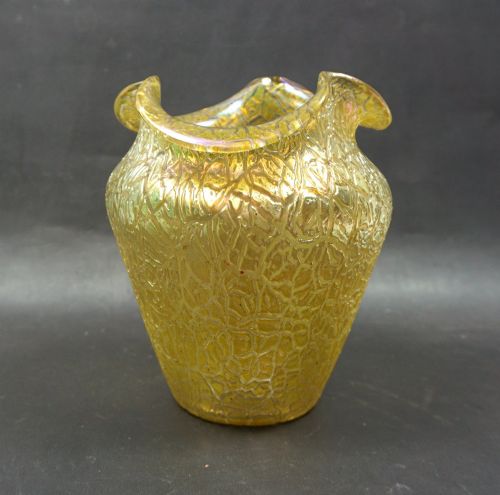
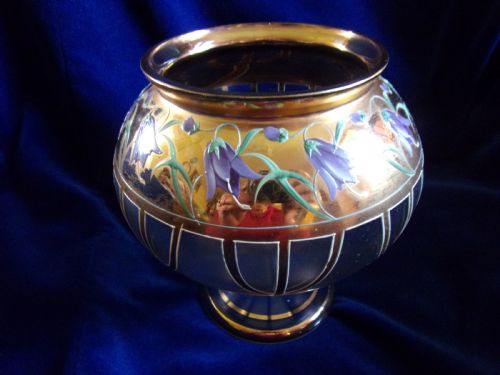
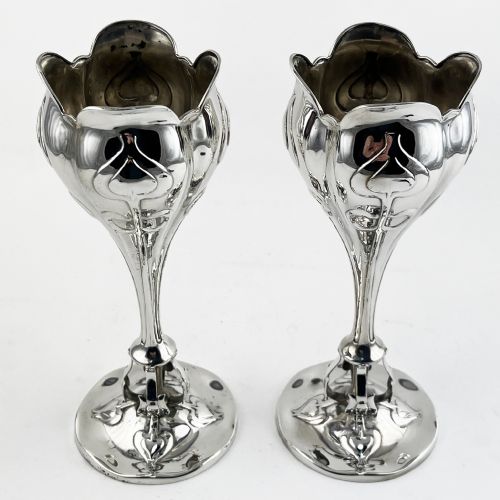
Makers working during this period produced pieces intended for everyday use on dining tables and mantelpieces. Buyers frequently encounter silver-mounted glass flutes, earthenware bud vases, and copper vessels reflecting the predominant decorative tastes of the era.
Materials and Techniques
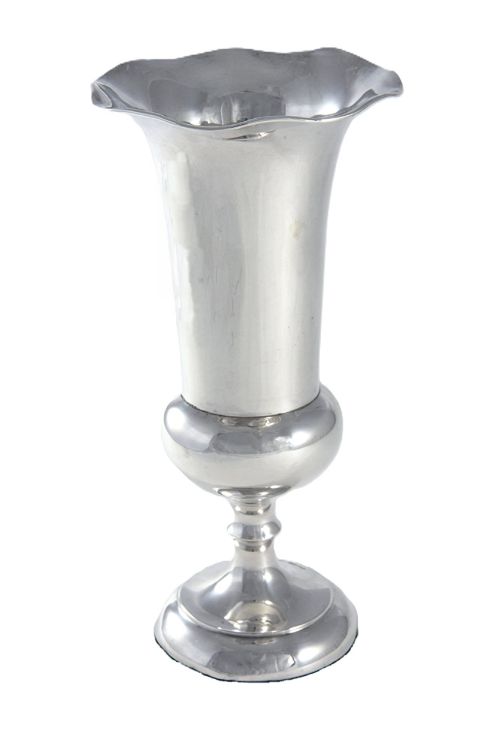
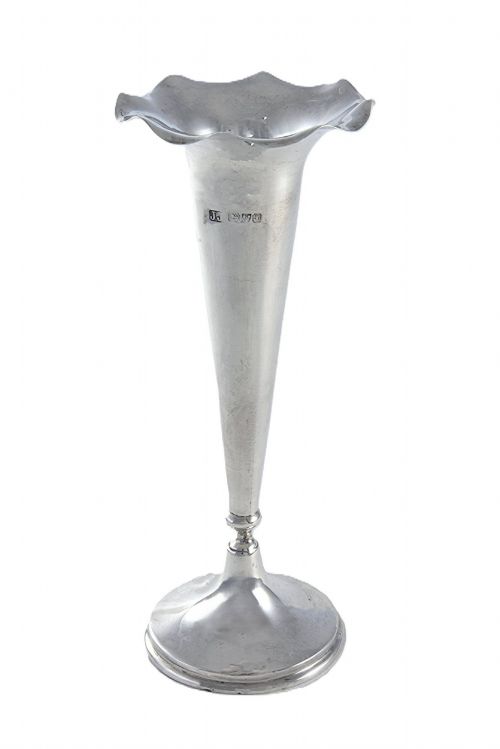
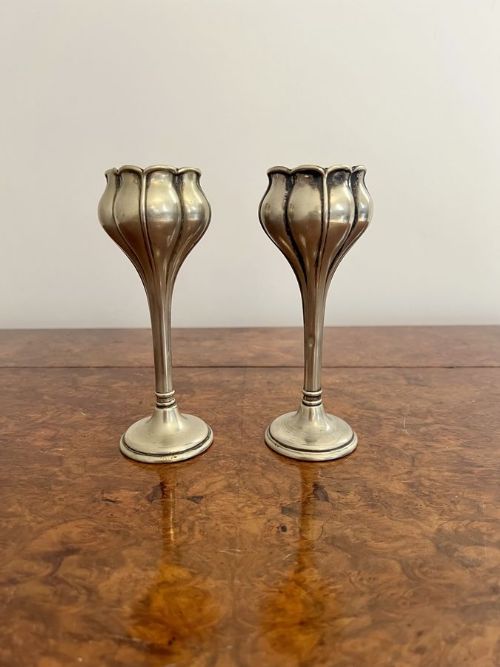
Metals such as sterling silver, silver plate, copper, and brass undergo shaping, spinning, and repoussé work to form supporting bases and slender stems. Artisans often combine these metallic elements with fitted glass liners or coloured enamel accents.
Ceramic and glass works rely on traditional throwing, moulding, and optical blowing techniques. Stoneware, porcelain, and earthenware bodies receive hand-painted glazes, slip decoration, or gilded details before firing.
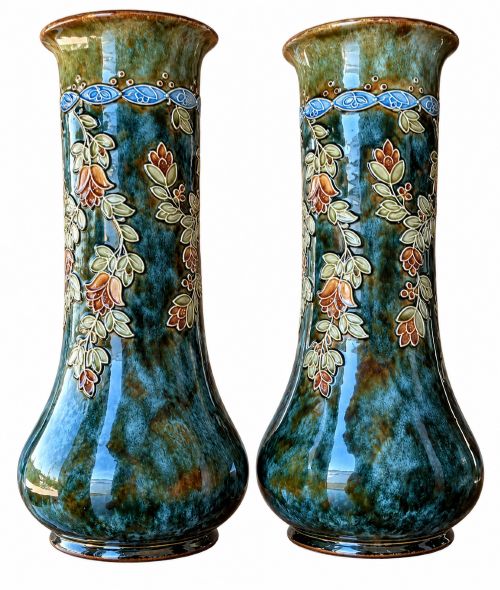
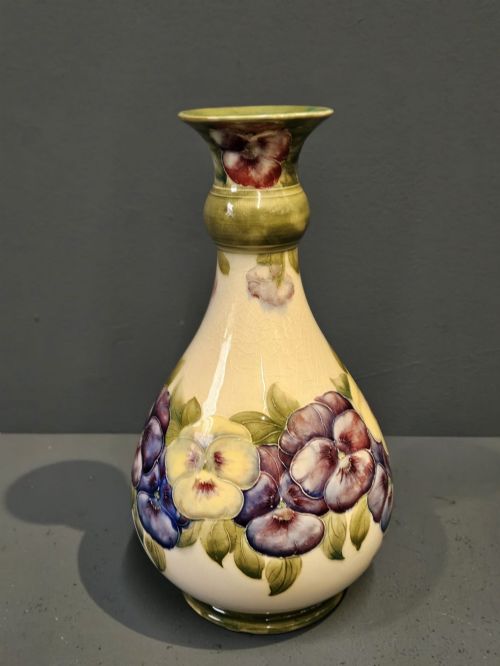
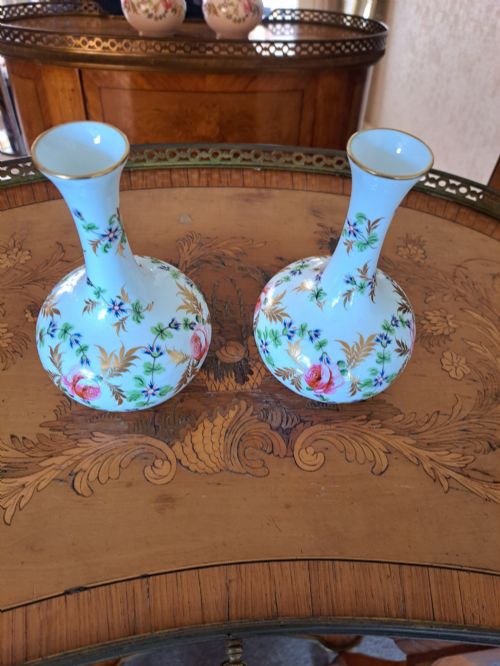
Ceramic entries span stoneware, earthenware, and ironstone decorated with hand-painted birds, florals, and landscapes.
Craftsmanship and Proportion
Quality rests in the balance of form and the precision of decorative execution. Superior examples display crisp chasing on silver mounts, even glaze coverage on ceramics, and substantial weight in the vessel walls.
Artistic collaboration elevates certain pieces above standard factory output. Hand-painted ceramic subjects and signed metalwork demonstrate individual artistry that distinguishes finer examples from mass-produced items.
Royal Doulton·Moorcroft·Locke & Co·Crown Derby·Loetz
The Edwardian Flower Vase Glossary
- Spill vase
- A tall, narrow vessel originally intended to hold slender tapers used for lighting candles and fires. These cylindrical containers frequently double as holders for dried or fresh stems.
- Epergne
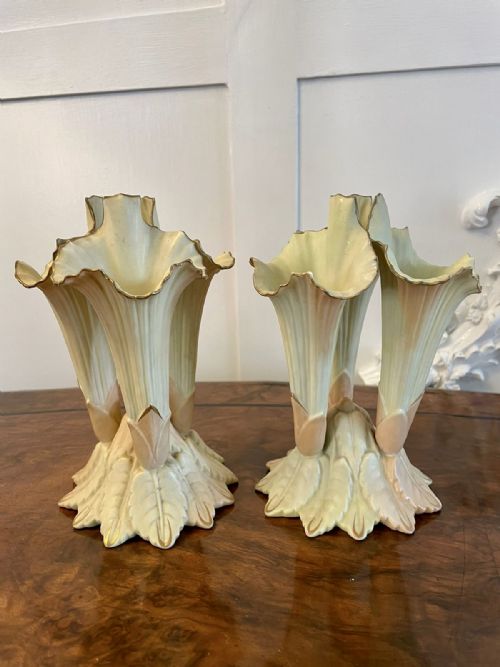
- A large central table ornament featuring multiple branching holders or baskets for fruit, sweetmeats, or flowers. These multi-tiered structures combine glass horns with metal frames.
- Posy holder
- A small personal receptacle designed for short-stemmed flowers or individual buttonhole blooms. These compact items often incorporate precious metals and fitted pins or chains.
- Slater's Patent
- A Doulton ceramic technique utilising lace or fabrics pressed into moist clay to create textured surfaces. Artisans then apply coloured enamels and gilding into the indented patterns.
Edwardian Flower Vase: Frequently Asked Questions
How do I clean tarnished silver vases?
Use a soft cloth and a gentle, non-abrasive silver polish formulated to lift tarnish without removing the underlying metal. Avoid harsh dipping solutions that strip away antique patination.
Take care around glass liners and enamel inlays to prevent moisture from seeping beneath fitted mounts. Dry the piece thoroughly after cleaning.
Can these vases hold water safely?
Most solid silver, glass, and glazed ceramic vessels hold water without issue, provided they lack structural cracks. Earthenware and unglazed bodies may remain porous and require internal liners.
Inspect the interior for old repairs or hairline fractures before filling the vessel. Remove water promptly after use to protect metal bases and historic linings.
What flowers suit a trumpet vase?
Slender trumpet shapes naturally support single stems, tall lilies, and blooms with flexible foliage. The narrow neck keeps arrangement upright without floral foam.
Pair shorter posy holders with tight clusters of pansies, violets, or short-stemmed roses. Let the natural curve of the stem dictate the arrangement angle.
How do I identify Edwardian glass?
Examine the piece for optical blowing lines, polished pontil marks on the base, and characteristic colour palettes such as cranberry or opalescent green. Edwardian glass often incorporates delicate applied trails or cane work.
Compare weight and clarity with later reproductions. Authentic period glassware frequently exhibits subtle irregularities from hand finishing.