



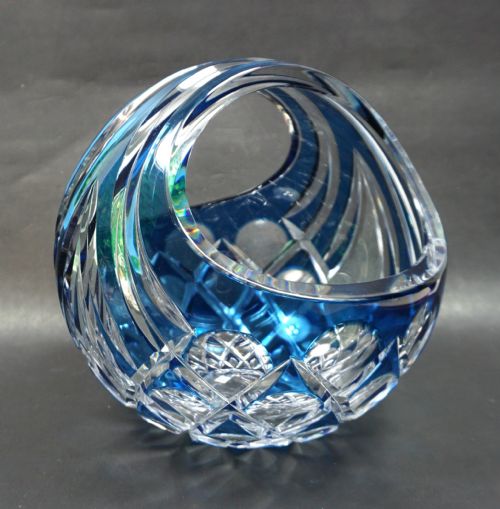


1930s Glass Bowl
These pieces of 1930s glass bowl bring the distinct geometries and luminous optical effects of the interwar period directly into a room.
1930s Glass Bowl
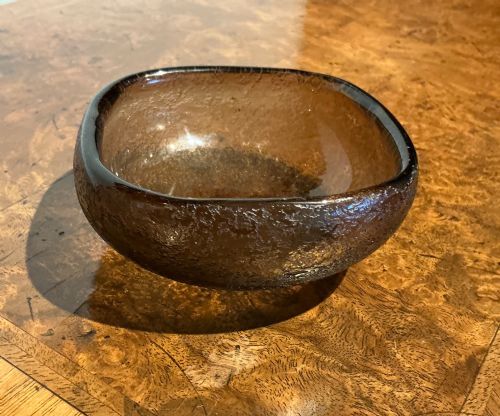
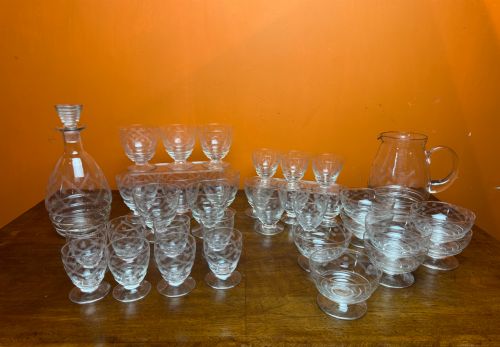
A 1930s glass bowl typically takes the form of a shallow open coupe, a deep pedestal centrepiece, or a heavy pressed dish designed to catch the light. These domestic objects reflect the prevailing tastes of the interwar decades, merging practical household function with the bold decorative vocabulary of Art Deco.
The versions most commonly met on this page originate from prominent European glassworks in France, Belgium, and Britain. They range from mass-produced pressed items intended for everyday dining tables to individually designed luxury pieces fashioned by celebrated artists and glasshouses.
How they were made
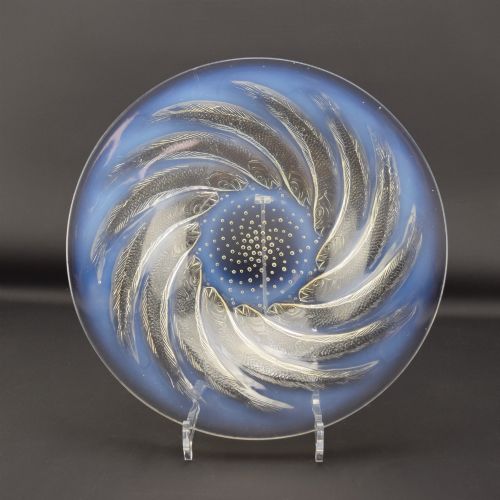
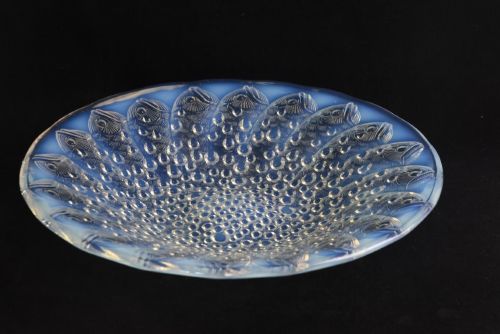
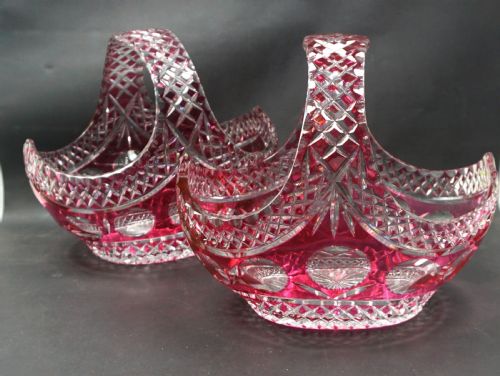
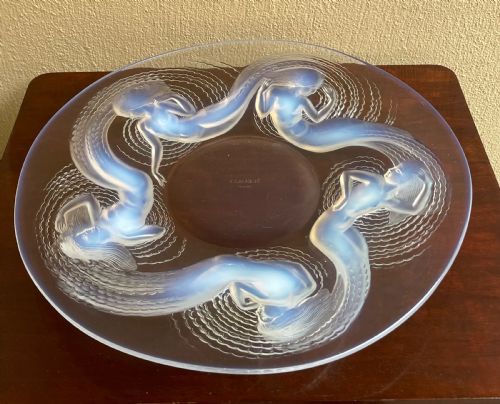
Makers utilised opalescent glass, frosted surfaces, and pressed techniques to manipulate light across the body of the vessel. Molten material was cast in heavy iron moulds or blown by hand, often incorporating layered coloured overlays or acid-etched details.
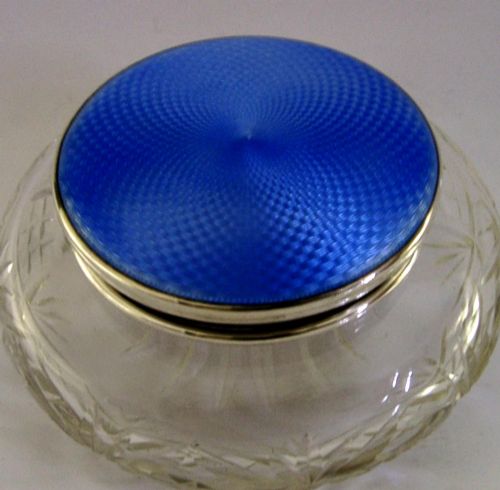
Several examples combine glass bodies with sterling silver mounts, enamel decoration, or chrome fittings, uniting disparate manufacturing traditions into a single decorative item.
Listings feature opalescent glass, frosted glass, sterling silver, and pressed glass across decorative bowls, ceiling lights, and vanity jars.
What varies in quality
The distinction between ordinary production and superior execution rests upon the depth of the relief work and the subtlety of the opalescent fire. Pieces exhibiting sharp moulding lines, crisp signatures, and balanced distribution of colour demand closer attention.
The purity of the metal content in silver rims and the precision of the cut crystal sections further separate standard utility vessels from high artistic achievements.
Venini·Rene Lalique·Val St Lambert·Graystan·Monart·Julien Glass·Viners·Jobling·Etling·Sabino·G Vallon
The 1930s Glass Bowl Glossary
- Opalescent Glass
- Glass that diffuses light to display a milky blue or amber glow when turned toward a light source. This optical effect results from the addition of bone ash or chemical opacifiers during the melting process.
- Coupe Ouverte
- French term for an open bowl or shallow dish. These forms frequently serve as decorative centrepieces or fruit dishes.
- Plafonnier
- A ceiling-mounted bowl light fixture typical of the interwar period. They diffuse illumination directly downward into a room.
- Millefiori
- Glasswork characterised by multicoloured flower-like patterns embedded within the material. The technique requires bundling thin glass rods before fusing them together.
- Vaseline Glass
- Glass containing uranium dioxide that glows a vivid green under ultraviolet light. It appears in transparent or translucent yellow and green tones.
1930s Glass Bowl: Frequently Asked Questions
How do I clean an opalescent glass bowl safely?
Wash the item gently in lukewarm water using a mild, non-abrasive detergent and a soft cloth. Avoid harsh chemical cleaners or abrasive scouring pads that can damage delicate frosted surfaces.
Dry the vessel thoroughly with a lint-free towel to prevent water spots from forming on the textured or opalescent glass areas.
Were these bowls used for food or display?
Many examples served practical functions on dining tables as fruit bowls, dessert dishes, or centrepieces for everyday meals. Others were strictly ornamental items intended to catch the light on sideboards and dressing tables.
Heavier pressed glass versions generally endured heavier daily use, while delicate opalescent or signed luxury pieces functioned primarily as decorative art.
How can I tell a pressed glass bowl from a blown one?
Pressed glass bowls show thick, uniform walls with rounded seams or mould lines left behind by the manufacturing machinery. They often feature high-relief patterns on the interior or exterior surfaces.
Blown pieces display greater wall variation, smooth surfaces without mould lines, and occasionally a pontil mark on the underside where the glassblower's pipe was detached.