






Lalique Glass Centerpiece
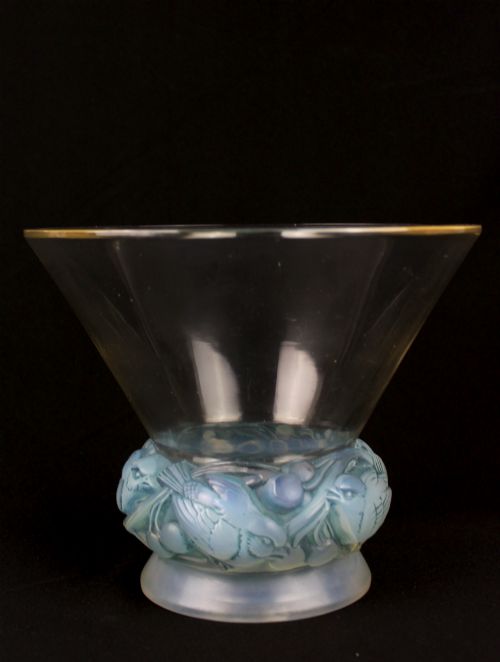
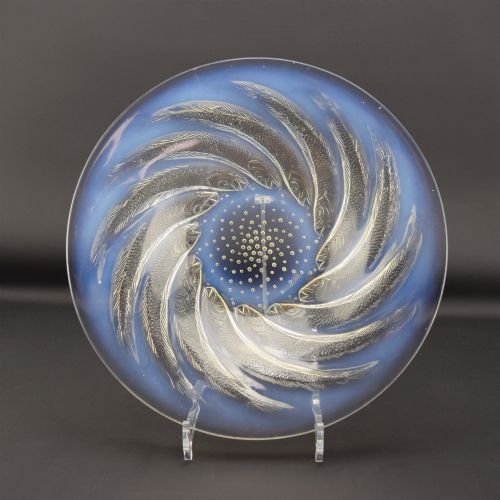
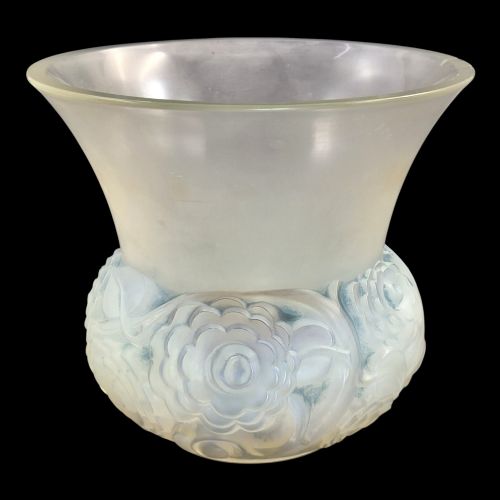
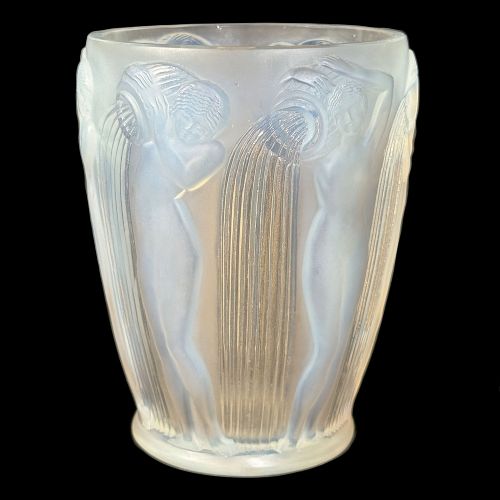
A Lalique glass centrepiece brings a striking presence of opalescent glass and moulded form to a table.
Lalique Glass Centerpiece
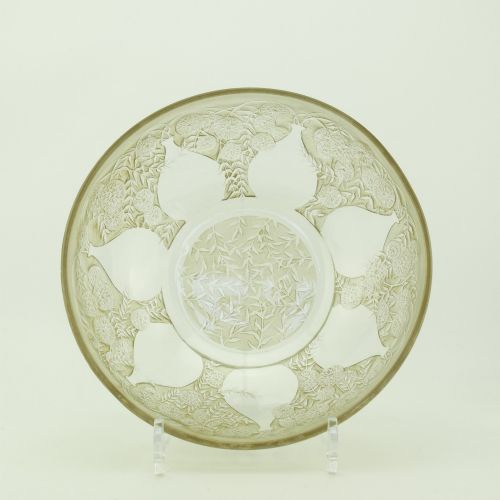
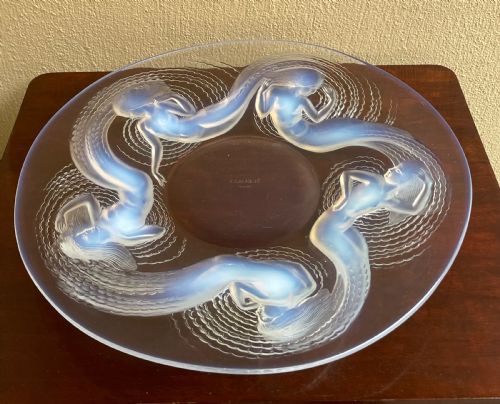
When you search for a lalique glass centrepiece, you encounter low bowls, shallow dishes, and chargers designed to anchor a room or table. These pieces emerge from the Art Nouveau and Art Deco periods, capturing the decorative shifts of the early twentieth century.
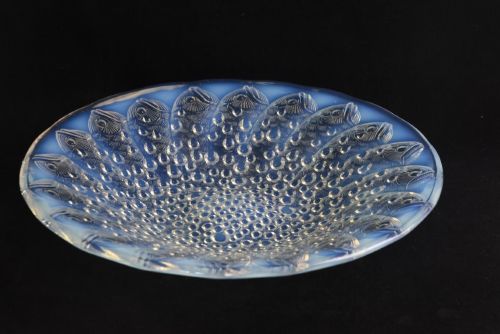
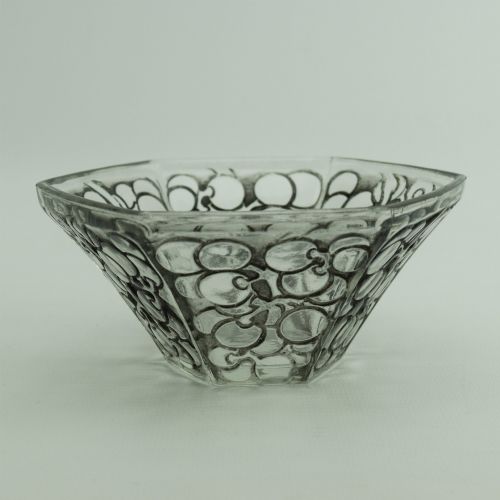
The most common form on this page is the open bowl, often designated as a coupe ouverte or shallow bowl. Makers utilised moulded and pressed techniques to create dimensional floral and aquatic motifs across the glass surface.
Objects span decades from the nineteen-tens through the nineteen-thirties, showing a progression from organic plant designs to geometric repetition. Each piece functions primarily as a decorative vessel for display.
How they were made
Production relied on moulding and pressing techniques to shape heavy glass into vessels with high relief decoration. Molten material entered intricate metal moulds that captured fine botanical or figural details.
Makers employed opalescent glass, frosted glass, and crystal, frequently adding amber tones, grey staining, or enamel highlights. These treatments emphasised the depth of the moulded patterns by contrasting translucent areas with opaque or coloured sections.
Lalique Glass Centerpiece Retail Price Guide 2026
Typical asking prices for lalique glass centerpiece among the pieces listed under this phrase on Sellingantiques today, from the lower quarter to the upper quarter. They describe what is for sale here now, not the wider market.
Listings feature opalescent, frosted, and amber glass across Art Nouveau and Art Deco periods.
What varies in quality
The intensity and play of light across opalescent and frosted surfaces dictate visual success. Subtle staining or enamelling enhances depth on better examples without obscuring the underlying material.
Rene Lalique
The Lalique Glass Centerpiece Glossary
- Opalescent glass
- Glass that milky-blue or fire-like sheen when viewed in transmitted light. This effect occurs through chemical additives during the melting process.
- Coupe ouverte
- An open bowl or shallow dish designed for table display. Such forms typically showcase detailed relief moulding on the interior or exterior walls.
- Charger
- A large decorative plate or shallow basin placed centrally. These pieces provide a wide surface area for extensive moulded ornamentation.
- Frosted glass
- Glass treated to impart a matte, non-reflective surface texture. Acid etching or sandblasting usually achieves this tactile finish.
Lalique Glass Centerpiece: Frequently Asked Questions
What is a coupe ouverte?
A coupe ouverte is an open, shallow bowl format utilised for table centrepieces.
These pieces provide a wide canvas for moulded decorative motifs.
How do I identify Art Deco pieces?
Art Deco pieces display geometric symmetry and stylised natural forms from the nineteen-twenties and nineteen-thirties.
They contrast with the flowing, organic lines of earlier periods.
What makes opalescent glass glow?
Opalescent glass contains specific mineral additives that scatter light across the surface.
This creates a shift between blue and amber tones depending on the viewing angle.
Where were these glass pieces made?
These decorative glass objects originate from French workshops active in the early twentieth century.
Production spanned the Art Nouveau and Art Deco eras.