



Molded Glass Fruit Bowl
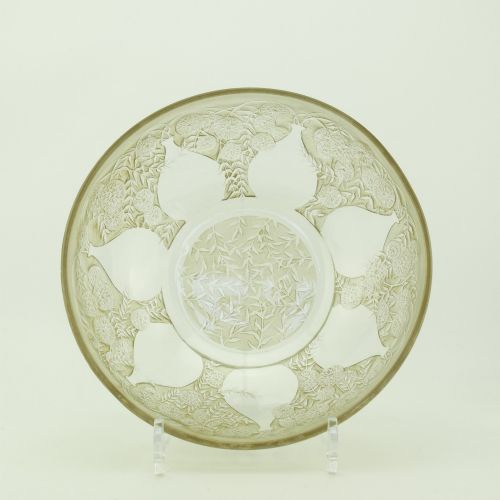
A moulded glass fruit bowl brings genuine Art Deco character to a table, offering tactile surfaces and brilliant optical depth.
Molded Glass Fruit Bowl
A moulded glass fruit bowl represents a striking intersection of functional tableware and bold design from the early twentieth century. When searching for a moulded glass fruit bowl, collectors encounter pieces primarily originating from the Edwardian era through the nineteen-thirties.
The selections available here lean heavily into the Art Deco aesthetic, featuring geometric motifs, floral themes, and footed or tazza forms. These vessels were originally intended for domestic display and service, combining robust utility with artistic ambition.
Makers utilised press-moulded and pressed glass techniques to achieve sculptural depth and varied silhouettes. The resulting bowls range from shallow coupe designs to pedestal-supported tazzas that command attention in a room.
Production Methods and Materials
Makers relied upon press-moulded and pressed glass techniques, forcing molten material into metal moulds to impart intricate relief patterns. This process allowed workshops to produce complex sculptural forms featuring flower heads, foliage, and geometric repeats with consistent precision.
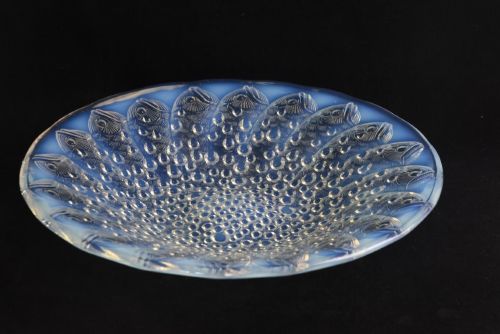
The material palette centres on clear glass, crystal, frosted glass, and opalescent glass that catches and refracts light dynamically. Some examples introduce stains or vaseline glass formulations to enhance the visual impact of the moulded surface.
Molded Glass Fruit Bowl Retail Price Guide 2026
Typical asking prices for molded glass fruit bowl among the pieces listed under this phrase on Sellingantiques today, from the lower quarter to the upper quarter. They describe what is for sale here now, not the wider market.
Current listings feature opalescent glass, frosted glass, and crystal across Edwardian and nineteen-thirties production dates.
Understanding Quality Variations
Quality in these pieces rests upon the crispness of the moulded relief and the sophistication of the glass formulation. Superior examples exhibit sharp, well-defined details in the floral or geometric motifs without blurring or softness from worn moulds.
The optical quality of the glass itself dictates distinction, particularly in opalescent pieces where the interplay of transmitted and reflected light creates characteristic blue and amber tones. Heavy, stable forms with balanced proportions demonstrate superior design intent during the manufacturing process.
Rene Lalique·JOBLING·Etling
The Molded Glass Fruit Bowl Glossary
- Press-moulded glass
- A manufacturing method where molten glass is pressed into a metal mould using a plunger to form the interior and exterior design simultaneously. This technique enabled the mass production of highly decorative tableware.
- Opalescent glass
- A type of glass that displays milky, bluish, or amber hues when lit from certain angles due to the suspension of particles during cooling. It is particularly prized in Art Deco decorative pieces.
- Tazza
- A shallow bowl or cup mounted on a stem and foot, elevating the vessel above the surface of a table. These forms were frequently utilised for displaying fruit or confectionery.
- Coupe ouverte
- An open coupe form characterised by a wide, shallow basin lacking a constricted rim. This French term appears frequently in descriptions of modernist dining wares.
Molded Glass Fruit Bowl: Frequently Asked Questions
How were these bowls used historically?
These vessels served primarily as table centrepieces for holding fruit or display purposes within domestic dining rooms.
Their robust construction also allowed them to function in daily service before transitioning into cabinet pieces for collectors.
What defines the Art Deco style here?
The style emerges through stylised floral reliefs, symmetrical geometric repeats, and bold sculptural forms.
Designers of the period embraced clean lines combined with textured surfaces to catch ambient light.
How do I identify opalescent glass?
Opalescent glass reveals milky or pale blue highlights along its raised edges when viewed against the light.
This optical effect results from specific chemical additives reacting to heat during the moulding process.
How should I display a tazza?
A tazza benefits from placement on a low table or sideboard where its elevated stem remains visible.
Keeping the bowl free of heavy items allows the quality of the glass to catch natural room lighting.