

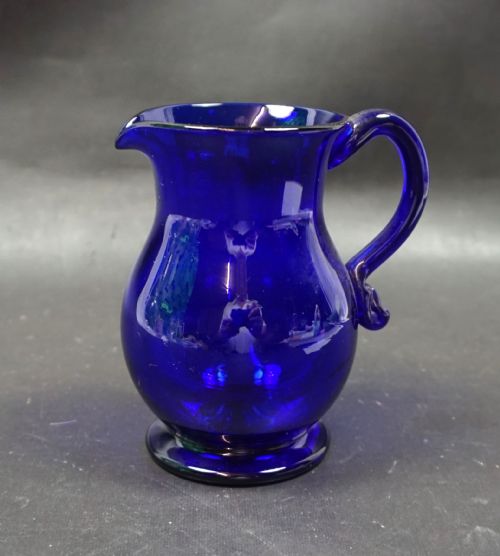


19th Century Blue Glassware
These vibrant 19th century blue glassware pieces bring rich cobalt, peacock, and turquoise tones to a room through useful and decorative vessels.
19th Century Blue Glassware
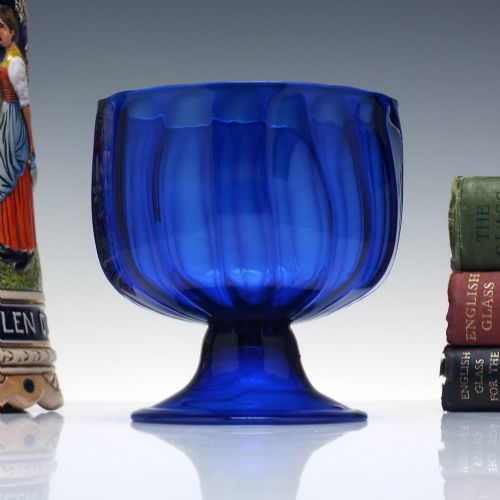
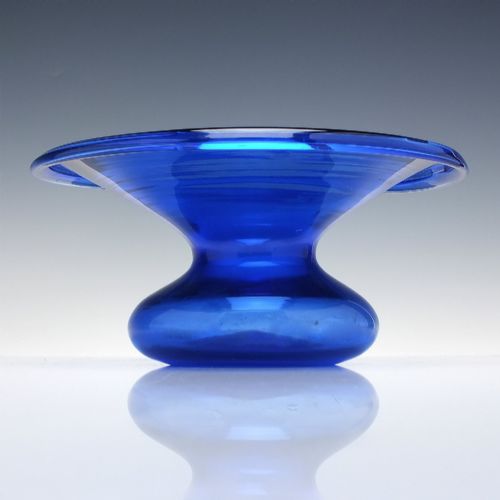
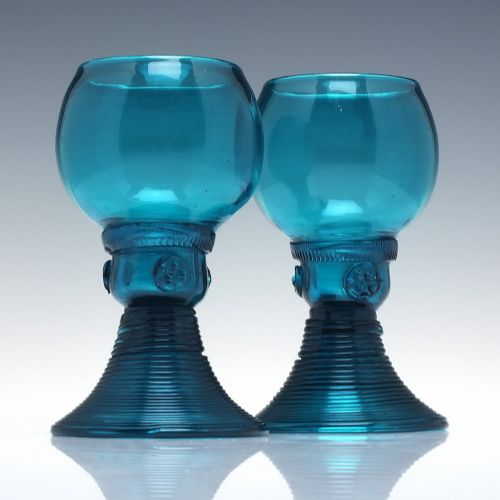
When you search for 19th century blue glassware, you encounter a diverse selection of utilitarian and decorative objects spanning the Georgian, Victorian, and later decades. The material manifests in striking hues, from deep cobalt and Bristol blue to turquoise and pale blue tints.
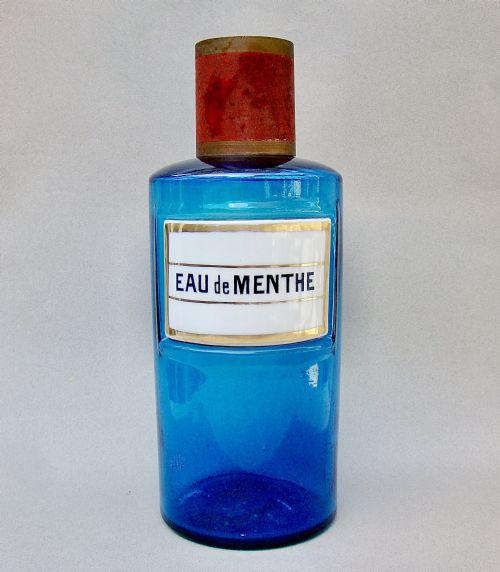
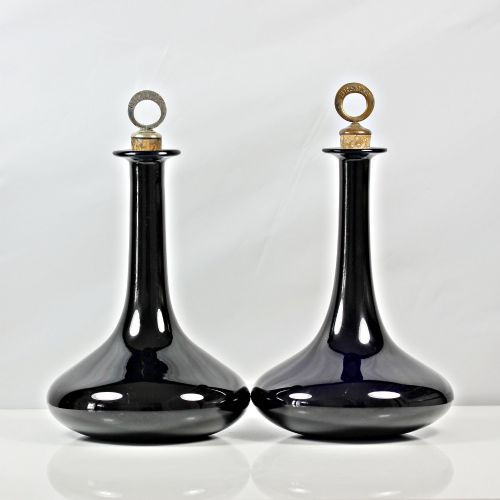
The objects available range from serving items like decanters, wine glasses, cream jugs, and a spittoon to decorative vases, bowls, and apothecary jars. Many pieces originate from English, French, and Bohemian workshops, demonstrating varied regional aesthetics.
You are most likely to meet items produced during the Victorian era and the broader nineteenth century, reflecting both domestic utility and decorative display. These items showcase the period's fascination with coloured glass in daily life.
Materials and production methods
The pieces rely on lead glass, opal glass, and clear glass substrates infused or coated with colour to achieve their distinctive shades. Makers employed cobalt and other metallic oxides to impart the deep blue coloration characteristic of Bristol and Bohemian wares.
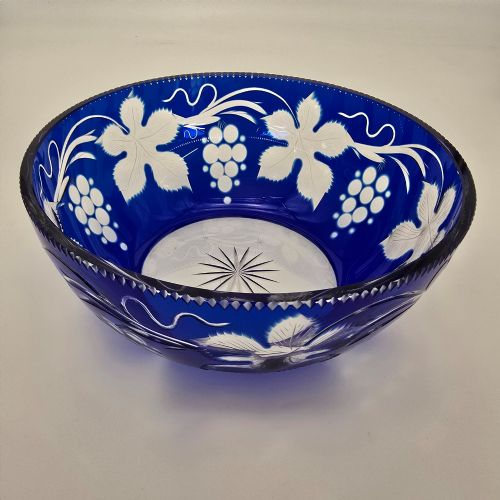
Decoration often involved hand-gilding, enamel work, intaglio engraving, and cutting techniques. Workshops utilised specialised forming methods, such as blowing glass into moulds or shaping freehand, sometimes combining clear and coloured layers as seen in Bohemian bowls.
19th Century Blue Glassware Retail Price Guide 2026
Typical asking prices for 19th century blue glassware among the pieces listed under this phrase on Sellingantiques today, from the lower quarter to the upper quarter. They describe what is for sale here now, not the wider market.
Materials recorded across the inventory include cobalt glass, lead glass, opaline glass, and cut crystal, alongside fitted cork elements.
Factors in quality and execution
Quality depends on the precision of the glass formation and the clarity of the colour throughout the object. Superior examples display balanced proportions, clean lines, and careful finishing without distracting bubbles or surface flaws in the material.
The refinement of secondary decoration, such as hand-enamelling, intaglio engraving, or gilding, separates standard production from exceptional pieces. Attributions to known houses like Baccarat or Moser introduce a higher level of artistic execution and desirability.
Baccarat·Moser
The 19th Century Blue Glassware Glossary
- Bristol blue
- A deep cobalt blue glass traditionally associated with the city of Bristol in England. It was widely utilised for tablewares, bottles, and decorative containers during the Georgian and Victorian periods.
- Intaglio
- A technique where a design is incised or sunken below the surface of the glass. It creates a subtle, tactile relief pattern distinct from raised cameo carving.
- Opaline glass
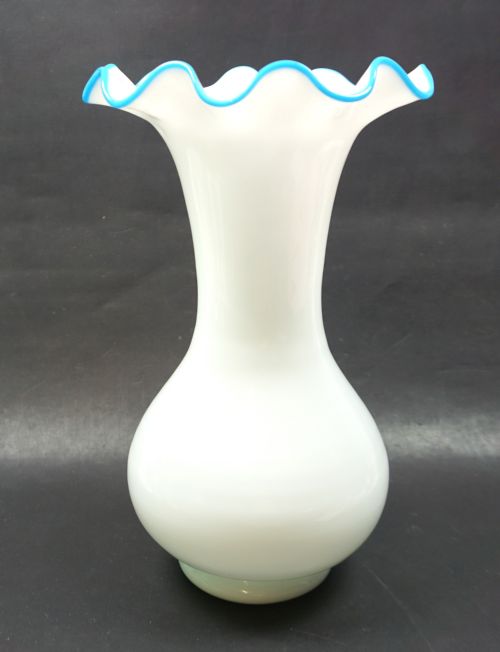
- An opaque or translucent pale glass developed in France during the nineteenth century. It often appears in white or pastel shades, sometimes edged with contrasting blue glass rims.
- Mell decanter
- A specific nineteenth-century bottle form characterised by a rounded body and a tapering neck. These vessels were frequently produced in deep blue glass for serving wine or spirits.
19th Century Blue Glassware: Frequently Asked Questions
Were these pieces used daily?
Many items, such as wine glasses, decanters, and cream jugs, served practical functions on dining tables and in households. Others, like apothecary jars and decorative vases, were intended primarily for display or specialised storage.
Over time, functional vessels transitioned into decorative objects collected for their striking colour and craftsmanship.
How do I identify a Georgian piece?
Georgian items typically date from the late eighteenth century up to the 1830s, often showing simpler, classical forms and heavier lead glass construction. Look at the weight, pontil mark, and overall silhouette to gauge the manufacturing period.
Proportions tend to be restrained compared to later Victorian ornamentation.
What is Mary Gregory glass?
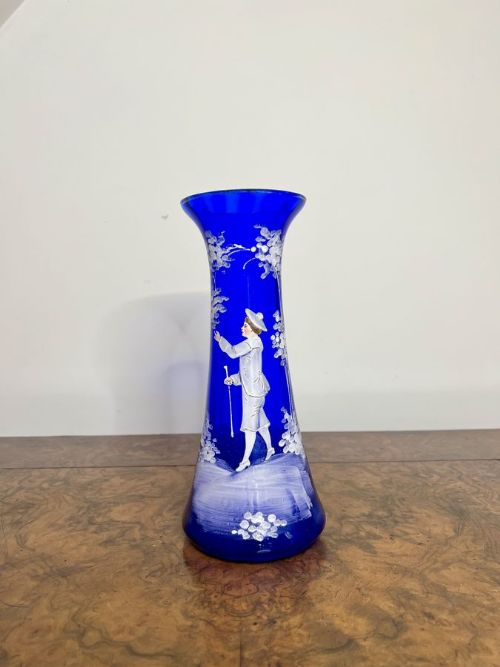
Mary Gregory glass refers to Victorian glassware decorated with white enamel silhouettes, usually depicting children in pastoral settings. While named after an American artist, most pieces actually originated in Bohemia and England during the late nineteenth century.
The contrasting white enamel stands out vividly against the dark blue glass background.