



Antique English Cobalt Glass
Antique English cobalt glass brings rich, deep hues to your cabinet, offering striking tableware and decorative objects formed by master craftspeople.
Antique English Cobalt Glass
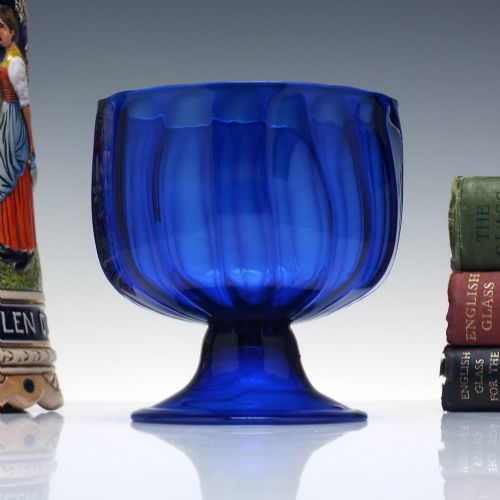
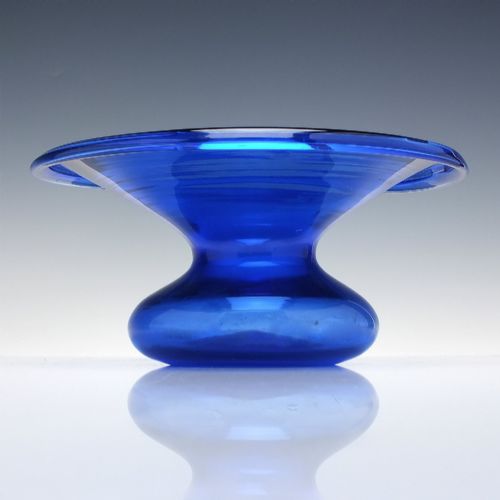
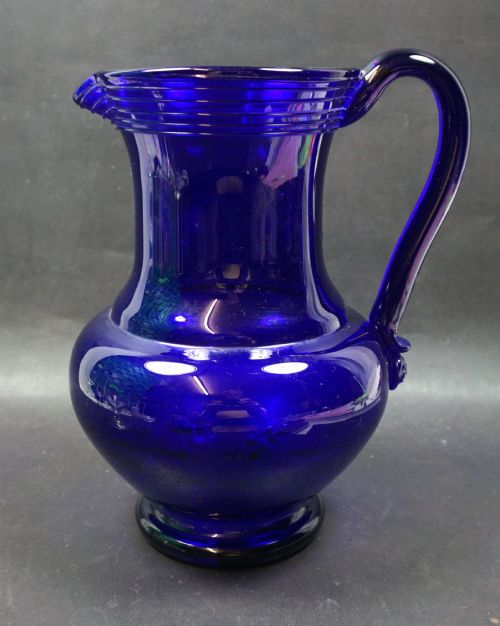
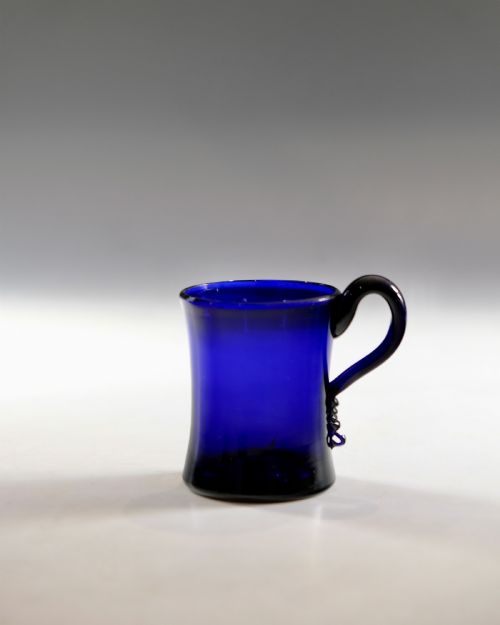
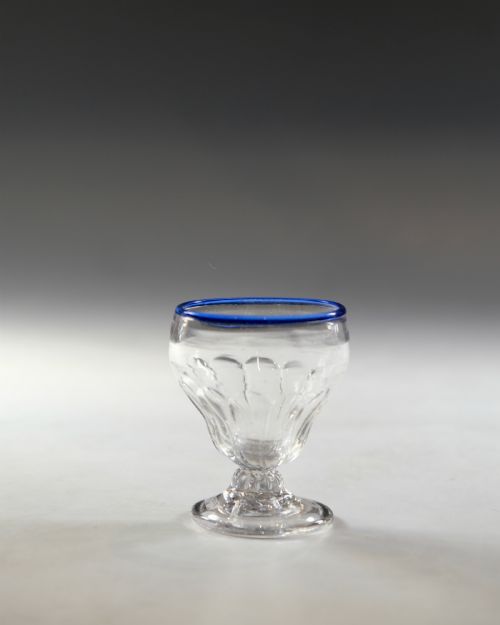
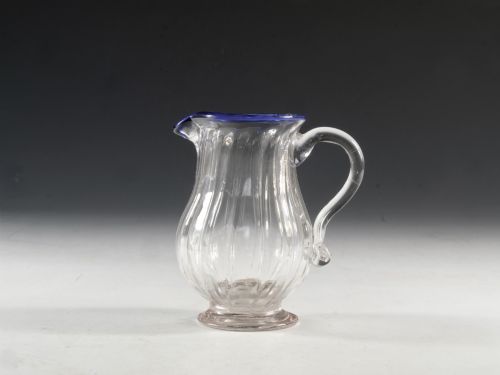
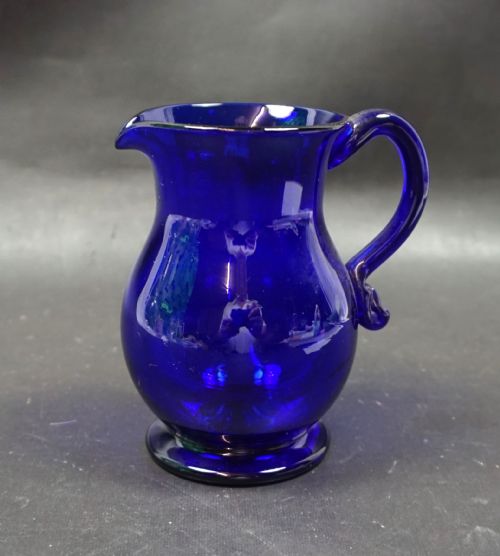
When you search for antique English cobalt glass, you encounter a vibrant array of functional and decorative items spanning multiple centuries. The selection includes Georgian bonnet glasses, small tankards, cream jugs, and larger vessels such as spittoons and flagons.
Victorian examples also appear frequently, alongside earlier Georgian pieces featuring distinctive wrythened patterns. Makers utilised this intense blue colour across various household items, ranging from table lamps mounted in gilt brass to delicate egg cups.
Materials and production methods
These pieces rely on lead glass and blown glass formulations infused with cobalt to achieve their characteristic deep blue coloration. Artisans shaped the molten material using traditional blowing techniques, occasionally incorporating cut glass facets or pairing the rich glass with gilt brass mounts.
Some items demonstrate specialised regional methods, such as Nailsea glass production techniques, or combine the deep blue body with applied enamels and sterling silver fittings. The resulting objects balance structural durability with luminous optical clarity.
Antique English Cobalt Glass Retail Price Guide 2026
Typical asking prices for english cobalt glass among the pieces listed under this phrase on Sellingantiques today, from the lower quarter to the upper quarter. They describe what is for sale here now, not the wider market.
Victorian rolling pins made of colourful glass doubled as decorative kitchen talismans hung to ward off domestic bad luck.
Assessing quality and craftsmanship
The standard of an item rests on the depth and uniformity of the cobalt colour within the glass matrix, alongside the precision of any wheel-cut facets. Heavier lead glass vessels with crisp moulding or smooth, unblemished surfaces generally represent finer production.
Proportion and execution define the better examples, whether observing the delicate ribbing of a wrythened cream jug or the structural integration of gilt brass lamp bases. Superior condition and minimal wear to the high points of the glass further distinguish the superior pieces.
The Antique English Cobalt Glass Glossary
- Cobalt glass
- Glass coloured deep blue by the addition of cobalt oxide. This intense pigment remains stable at high temperatures and produces a rich, dark tone.
- Wrythened
- A decorative spiral pattern formed in glassware while hot. The glass blower twists the molten gather before shaping the final vessel.
- Lead glass
- Heavy, brilliant glass containing lead oxide. This composition increases clarity and allows for deeper cutting.
- Bonnet glass
- A small, pedestal-mounted serving dish from the eighteenth century. These shallow vessels typically held sweetmeats or small fruits.
- Nailsea glass
- Glassware produced in Somerset known for speckled or looped decorative effects. The tradition encompasses various household novelties and domestic items.
Antique English Cobalt Glass: Frequently Asked Questions
What is antique English cobalt glass?
Antique English cobalt glass encompasses a variety of functional and decorative vessels produced in England using cobalt-infused glass. These items range from eighteenth-century Georgian tableware to nineteenth-century Victorian lamps and containers.
Craftsmen shaped these deep blue objects using traditional blowing and cutting techniques. The resulting pieces showcase the rich coloration prized by collectors of historic English glassware.
How do I date these glass pieces?
Dating antique cobalt glass relies on examining form, manufacturing techniques, and stylistic markers consistent with specific eras. Georgian examples often feature hand-blown bodies with pontil marks, while Victorian pieces may display crisper mould lines or cut facets.
Comparing the object's shape and decorative motifs to documented examples helps narrow down the production period. Secondary materials like gilt brass mounts or associated silver elements also provide reliable chronological clues.
How were these items used?
Historic cobalt glass items served diverse practical functions within the domestic sphere. Smaller vessels like cream jugs, tankards, and egg cups were designed for daily dining and table service.
Larger forms, including spittoons, flagons, and decorative lamps, fulfilled specific household requirements or provided ambient lighting. Their striking colour ensured they functioned as decorative accents when not in active use.
How do I care for antique glass?
Caring for antique English cobalt glass requires gentle handling and careful cleaning away from modern dishwashers. Wash pieces by hand in lukewarm water using a mild detergent, placing a towel at the bottom of the sink to prevent accidental impacts.
Display these items away from direct, prolonged sunlight to protect any applied gilt or enamel decorations. Secure stable placement on flat surfaces to avoid tipping heavier lead glass objects.