


Heavy Cut Glass Decanter
A heavy cut glass decanter brings real weight and brilliance to a dining table, catching the light as only traditional lead crystal can.
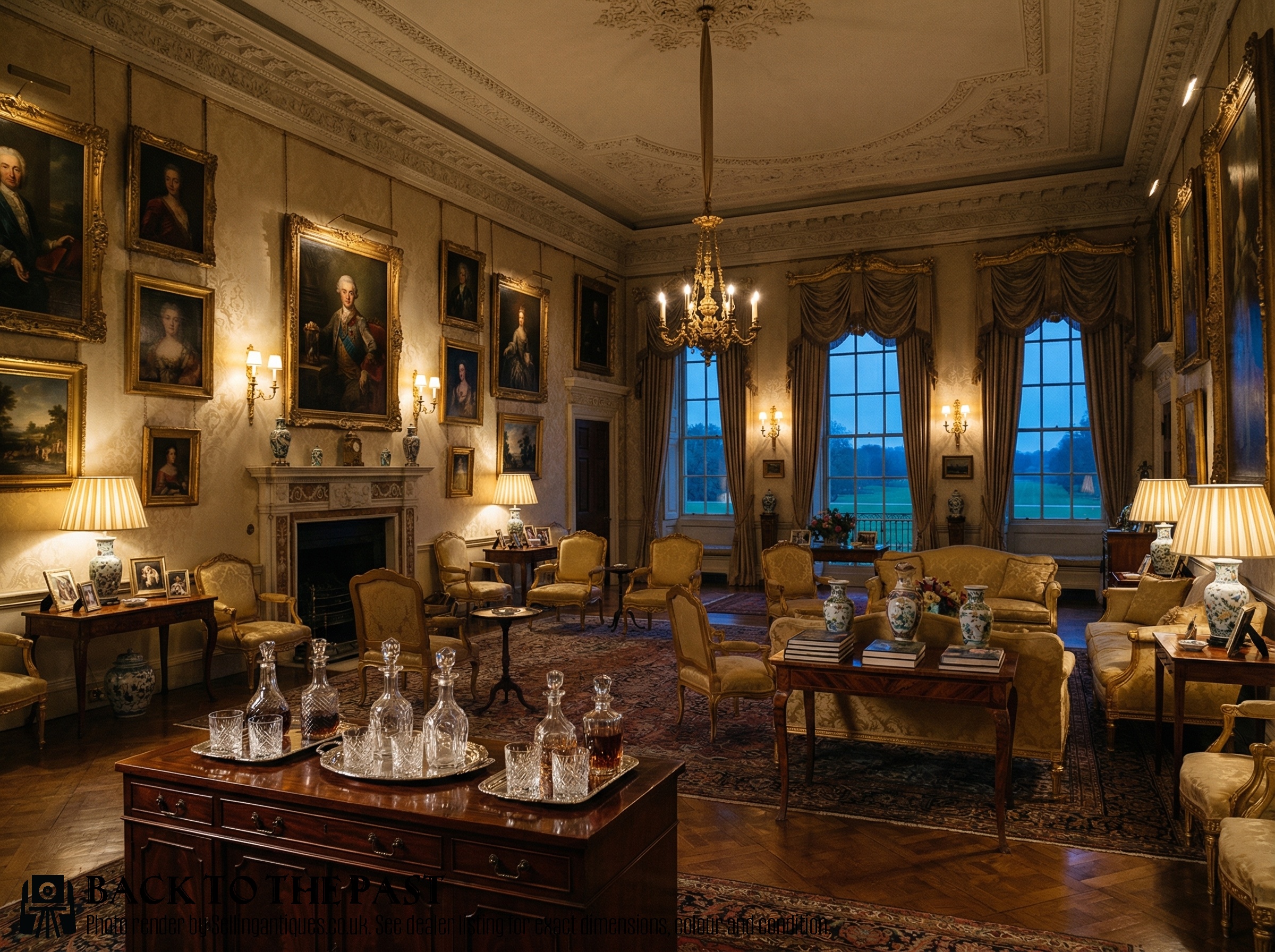
What these pieces are
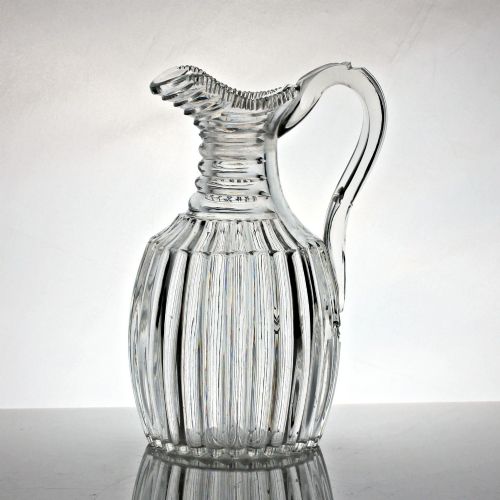
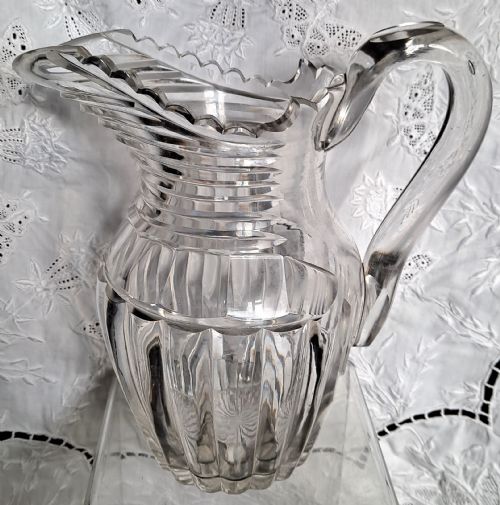
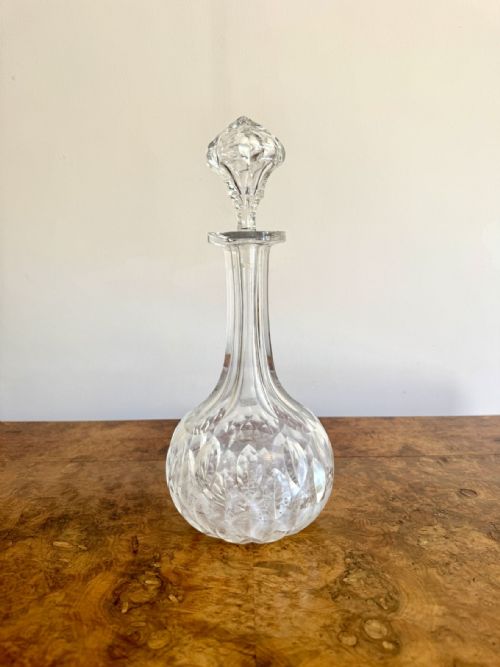
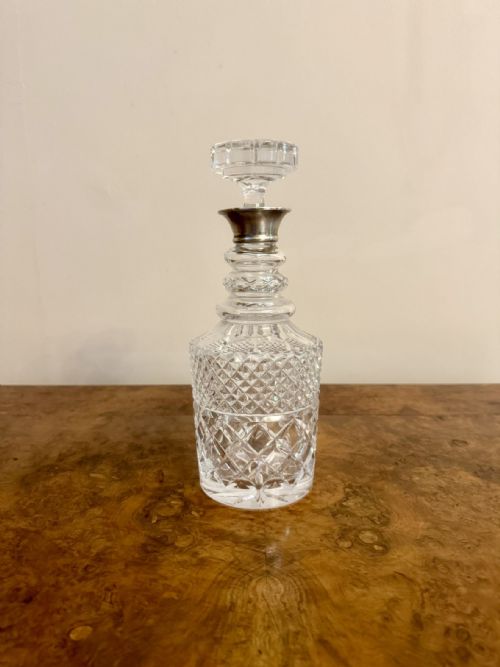
A heavy cut glass decanter is a functional vessel designed for holding and serving wine or spirits. The pieces seen here span the Georgian, Victorian, and Edwardian periods, stretching into the twentieth century.
Buyers will most frequently meet single bottles and matched pairs originating from the nineteenth century. These items take the form of traditional decanters, often featuring substantial glass walls built for daily use.
How they were made
These items are shaped from crystal and lead crystal using traditional glassblowing techniques. Artisans then cut the surface by hand against a revolving wheel to produce geometric facets and deep patterns.
The heavy feel of each vessel results from the thick glass blank required to support deep wheel-cutting without compromising the structural integrity of the neck and base.
The listings span three distinct eras: Georgian, Victorian, and Edwardian, alongside twentieth-century sets.
What varies in quality
Quality reveals itself in the crispness of the cutting and the clarity of the metal. Sharp, clean facets catch the light directly, whereas softer edges indicate worn wheels or hurried finishing.
The weight and balance of the vessel also set the better examples apart. A well-balanced decanter feels substantial in the hand, with a polished pontil mark on the base showing careful final finishing.
The Heavy Cut Glass Decanter Glossary
- Lead crystal
- Glass containing lead oxide, which increases the weight, refractive index, and ringing sound of the material. This composition allows for deeper and sharper cutting.
- Pontil mark
- The rough scar left on the base of a vessel where the pontil rod was snapped off after blowing. Better pieces feature a ground and polished pontil.
- Facet
- A flat surface cut into the glass to reflect light from multiple angles. Geometric arrangements of these cuts define the decoration of the period.
- Georgian
- A stylistic period spanning the eighteenth and early nineteenth centuries. Pieces from this era often display distinctive hand-cut flutes and heavy kick-up bases.
Frequently Asked Questions
Are these decanters safe for modern wine?
These vessels are generally suitable for holding wine and spirits for serving during a meal.
However, it is advisable to empty the contents if storing liquor for long periods, particularly with older lead crystal.
How do I date a heavy cut glass decanter?
Dating relies on observing the shape of the body, the style of the neck rings, and the depth of the cutting. Georgian examples often show distinct hand-polished bases and simpler, heavier profiles.
Victorian and Edwardian versions frequently introduce more complex machine-assisted cutting and standardised stopper designs.
How do I clean inside a cloudy decanter?
Cleaning requires warm water and non-abrasive solutions, avoiding harsh scrubbing tools that can scratch the interior wall.
Specialist cleaning beads or natural methods work best for removing sediment without damaging the fragile neck.
Did these decanters always come in pairs?
Many surviving examples were originally produced as matched pairs or sets for dining room service. Single vessels also appear frequently, often having been separated from larger suites over time.