

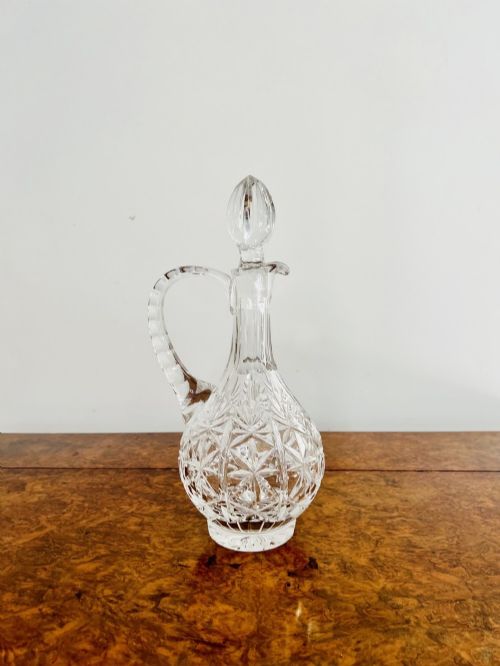
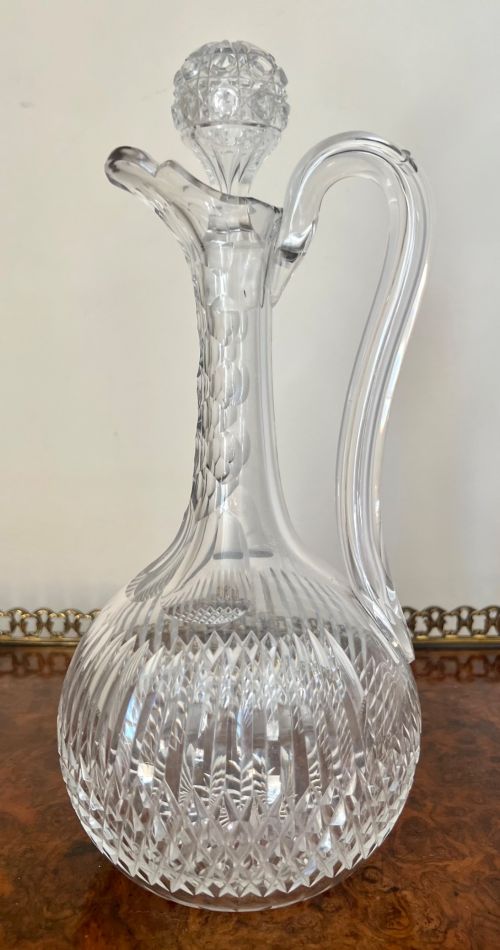
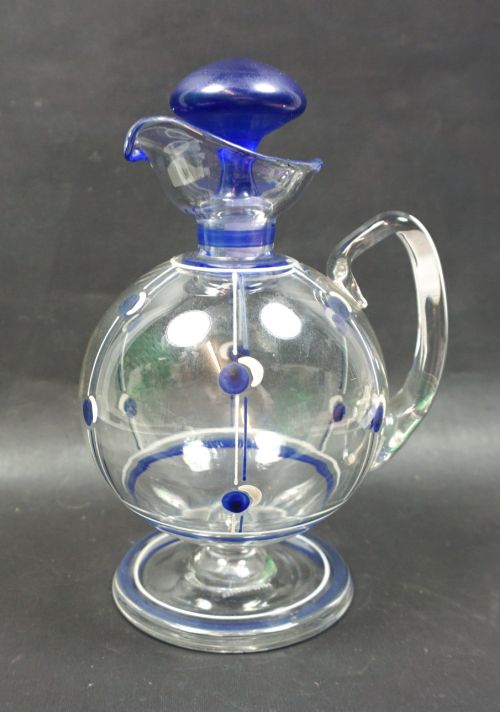
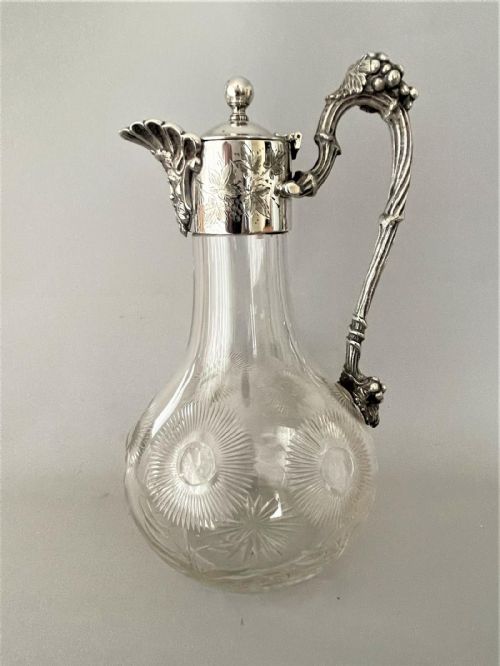
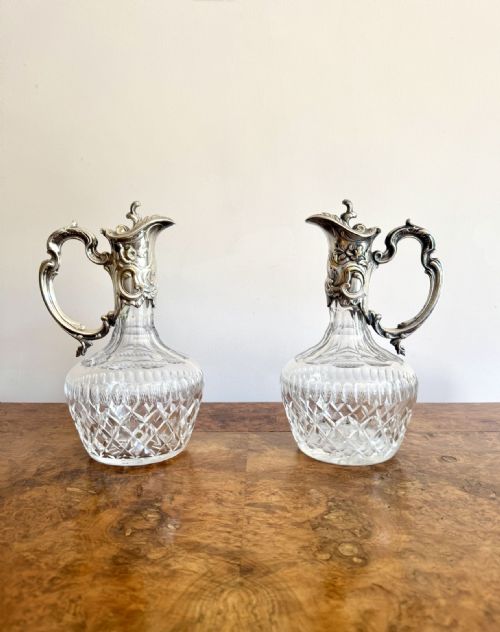
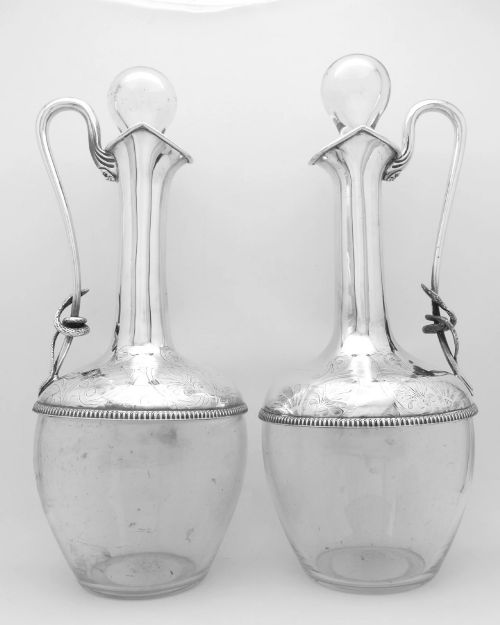

Crystal Glass Pitcher
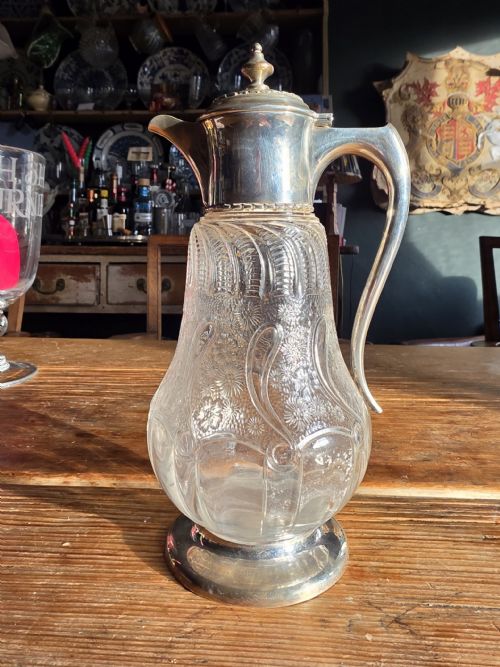
A crystal glass pitcher combines weight and clarity, offering a grand way to serve water, wine or claret at the table.

Crystal Glass Pitcher
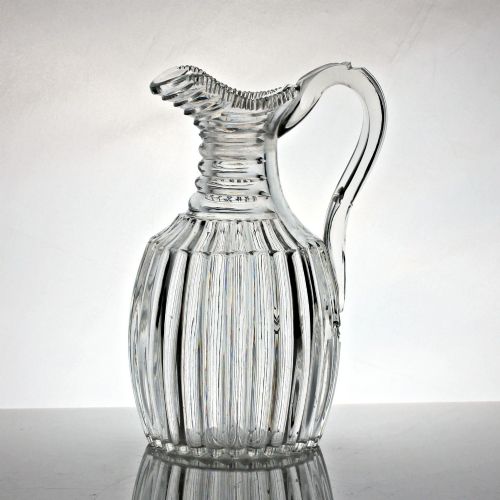
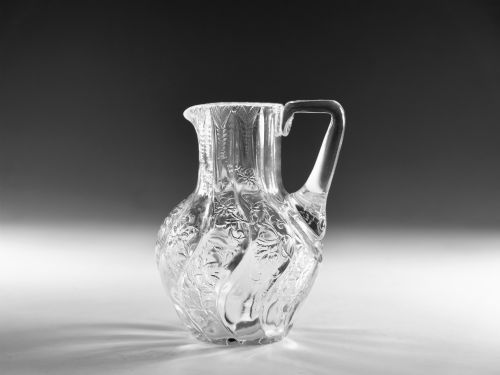
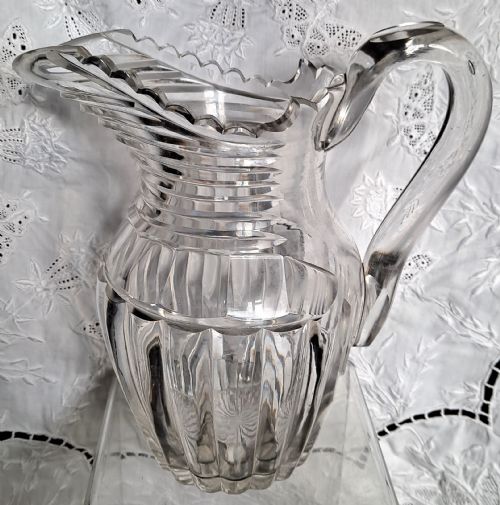
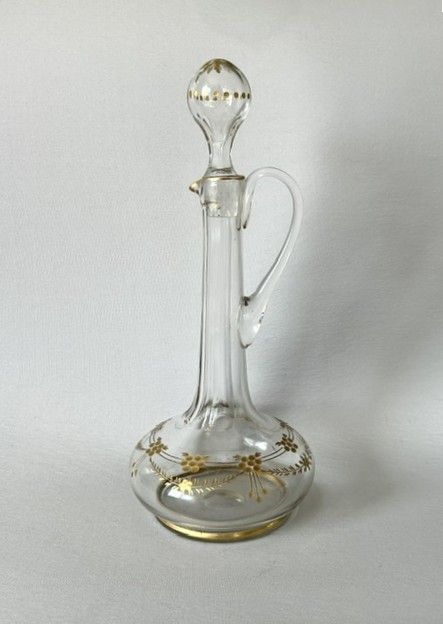
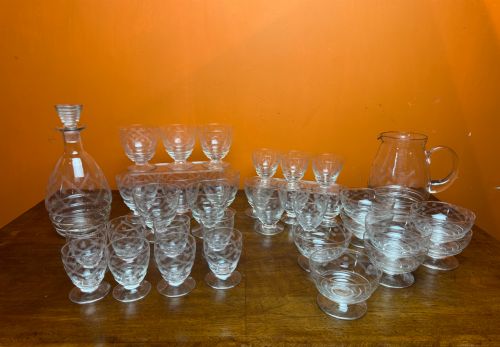
A crystal glass pitcher spans water jugs, wine jugs and claret jugs originating primarily from the Victorian, Edwardian and nineteenth century periods.
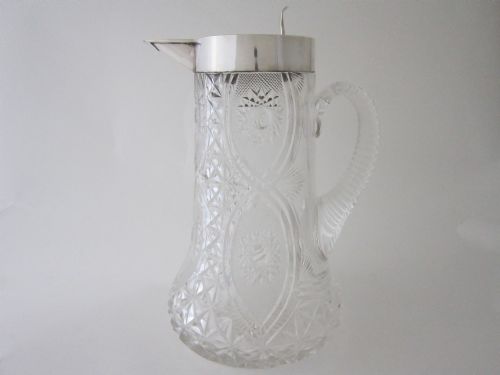
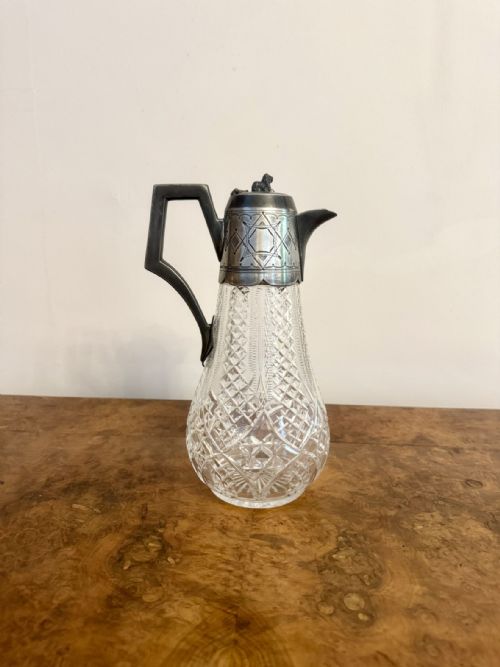
The form often incorporates mounted metal work such as silver plate, sterling silver or a Bacchus mask spout.
Makers from English centres like Stourbridge alongside continental houses produced vessels decorated with cut facets, engraving and enamel.
Materials and construction
Vessels combine heavy lead crystal or clear glass with mounts of sterling silver or silver plate fitted around the neck and handle.
Decoration relies on wheel engraving, pillar and prism cutting, intaglio work and occasionally applied blue enamel or gilding.
Several Victorian jugs stare back at guests through sculpted Bacchus masks and serpent handles carved right into the metal mounts.
Variations in quality
Quality rests on the crispness of the glass cutting, the depth of the wheel engraving and the proportional balance between metal mount and crystal body.
Superior examples display clear, heavy metal with refined handle attachments and well-balanced spouts rather than simple pressed moulding.
Asprey and Co. Ltd·Stevens and Williams·Webb Corbett·Richardsons·Tiffany
The Crystal Glass Pitcher Glossary
- Claret jug
- A vessel specifically designed for serving red wine at the dining table. These typically feature hinged metal lids and mounts.
- Intaglio
- A technique where designs are sunk below the surface of the glass by wheel cutting. This method creates depth and tactile contrast.
- Lead crystal
- Glass containing lead oxide which increases weight, brilliance and the ability to hold sharp cut facets. It rings when struck gently.
- Latticinio
- A decorative glass technique utilising opaque white or coloured glass threads twisted within clear glass. It appears in mid nineteenth century pieces.
- Prism cut
- A linear facet cutting style that refracts light through the body of the vessel. It is frequently found on nineteenth century water jugs.
Crystal Glass Pitcher: Frequently Asked Questions
What is a crystal glass pitcher used for?
These vessels serve water, wine or claret during formal dining and entertaining. Their sturdy construction and spouts make pouring liquids practical.
Historically, specific forms catered directly to red wine service, incorporating silver lids to preserve the contents during meals.
How do I date a crystal glass pitcher?
Dating relies on stylistic clues, mounting hallmarks and the depth of the glass cutting. Victorian and Edwardian examples often feature distinct silver hallmarks and heavy cut decoration.
Earlier nineteenth century pieces display pillar and prism cutting, while later twentieth century items shift toward clean modernist lines or specific maker marks.
How should I clean my crystal glass pitcher?
Hand washing in warm water with mild detergent is standard practice for antique glass and silver mounts. Avoid thermal shock from sudden temperature changes.
Silver mounts require appropriate polish applied carefully to avoid contact with the crystal surface, preserving both materials over time.
What is the difference between glass and crystal?
Crystal contains lead oxide, which adds significant weight, increases refractive index and allows for deeper, sharper cutting. Standard glass lacks this specific mineral content.
This lead content gives the material its characteristic brilliance and clarity seen in heavier antique water and wine jugs.