

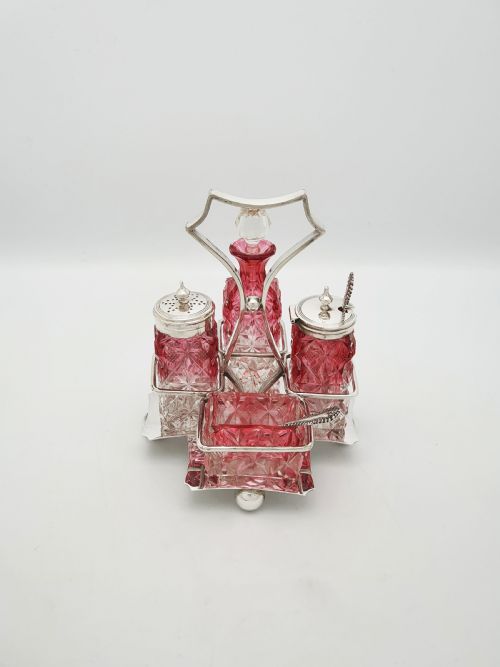


Antique Glass Server
When you search for an antique glass server, you encounter nineteenth and early twentieth-century vessels designed for pouring wine, water, or spirits at the dining table.
Antique Glass Server
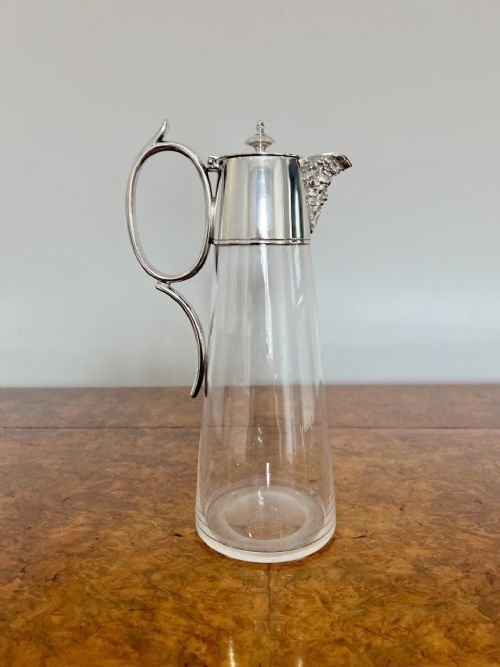
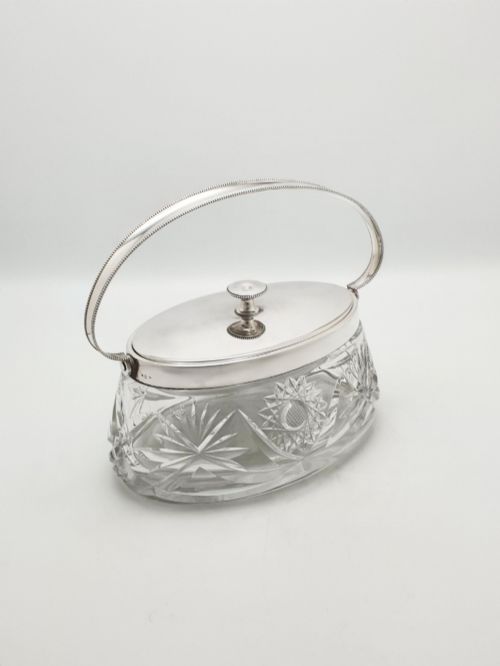
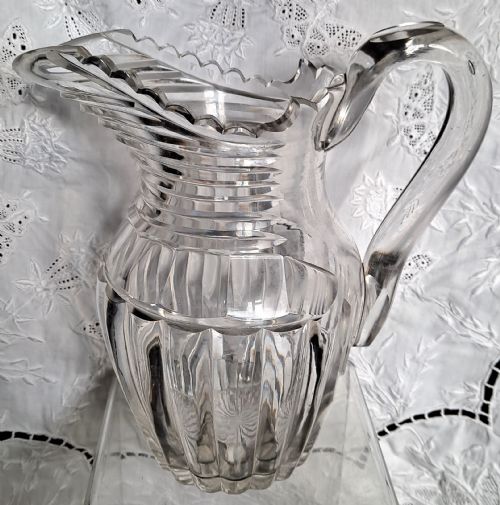
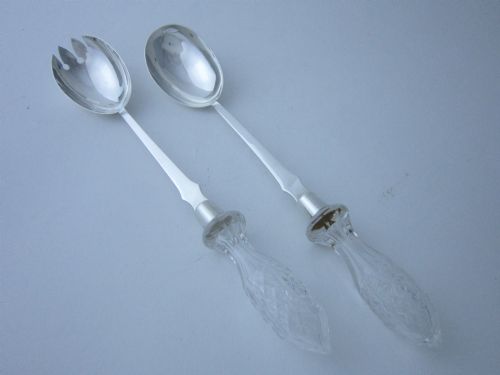
An antique glass server encompasses items designed for liquid and food service, including claret jugs, water jugs, decanters, and condiment servers. The selection ranges from Victorian and Edwardian examples to twentieth-century pieces produced during the Art Deco and Arts and Crafts movements.
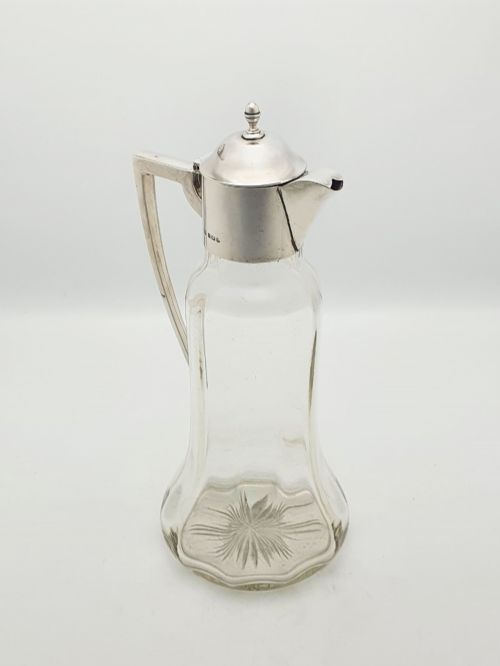
The version most frequently met on this page is the claret jug, typically combining a moulded or cut glass body with silver-plated or sterling silver mounts, handles, and hinged lids. These table wares reflect the formal dining practices of the nineteenth and early twentieth centuries, spanning periods from the eighteen-eighties to nineteen-twenty.
Materials and Construction
Makers utilised clear, cut, or coloured glass for the body of each vessel, frequently employing cranberry glass or crystal formed into jugs, barrels, and cruet liners. This glass was shaped by blowing and pressing, then enhanced with wheel-cutting, starburst patterns, or engraved motifs such as fruiting vines.
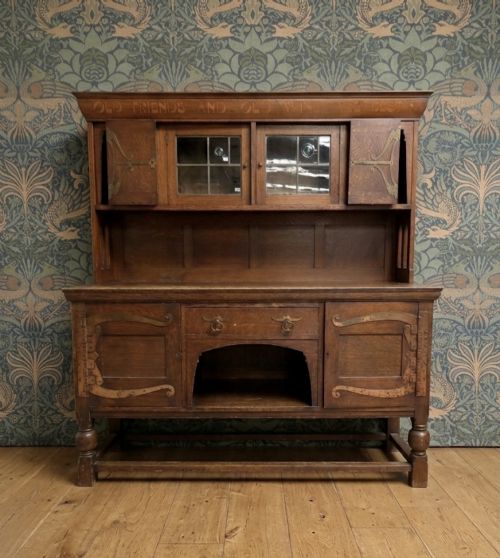
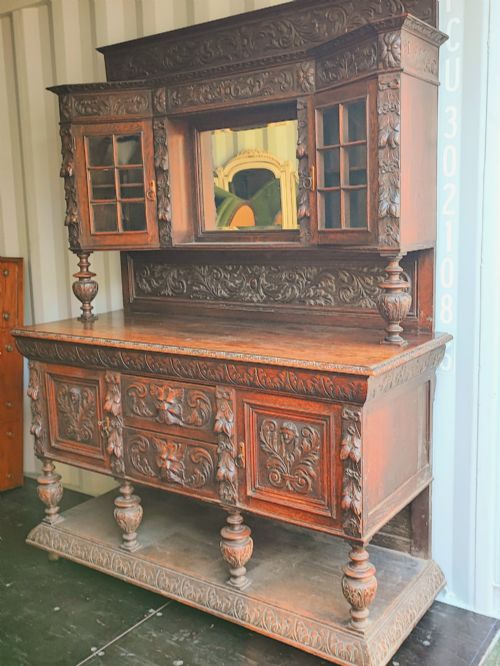
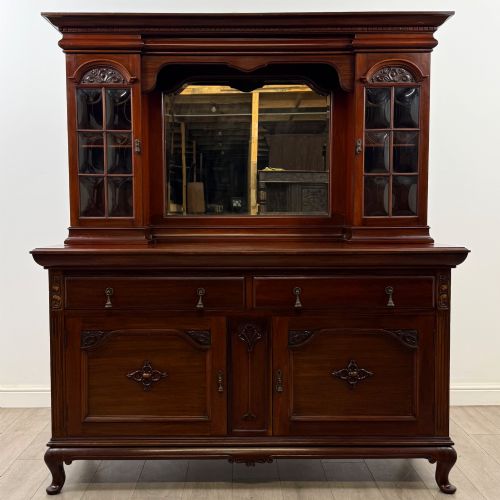
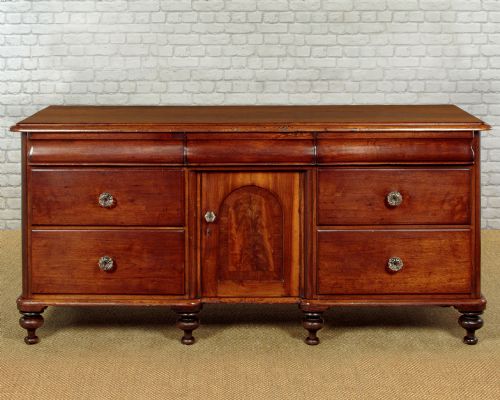
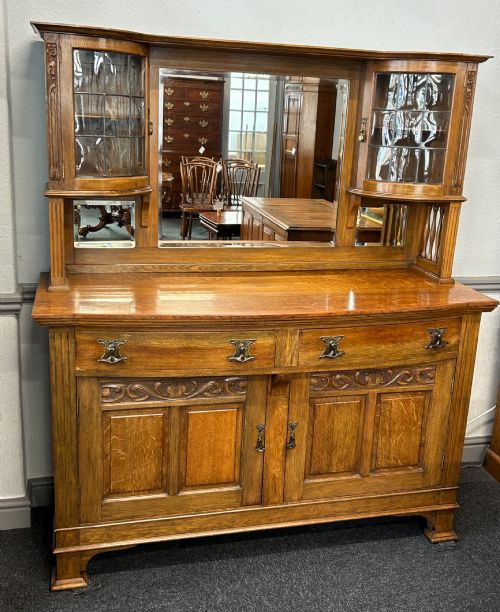
Mounts, handles, and lids were constructed from sterling silver or silver plate, secured to the glass neck with collars and pins. Additional support came from metals such as brass and cast-iron, alongside wooden elements in related serveware like oak and mahogany cabinets.
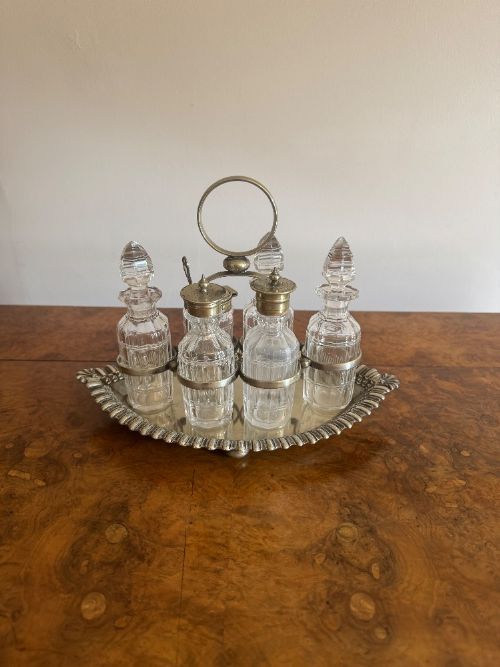
Some nineteenth-century makers fashioned novelty cruet sets to amuse diners between courses.
Distinctions in Quality
The calibre of an antique glass server rests in the clarity and weight of the glass, alongside the precision of the surface cutting and engraving. Heavier, deeply cut crystal and crisply moulded patterns indicate superior production standards compared to lighter, plain glass bodies.
Metalwork quality shows in the thickness of the silver plating, the tightness of the mount fitting around the glass neck, and the articulation of hinges on lids and covers. Well-executed mounts bear clear hallmarks or maker stamps and align flush with the glass rim.
Heal and Son·Walker and Hall
The Antique Glass Server Glossary
- Claret Jug
- A vessel designed specifically for serving red wine at the table. These pieces combine glass bodies with hinged metal lids and spouts.
- Silver Plate
- A base metal, such as copper or brass, coated with a thin layer of silver. This technique provided the appearance of solid silver at a lower cost.
- Cut Glass
- Glass decorated by abrading the surface on rotating wheels to create facets and geometric patterns. This technique catches the light and adds texture to the vessel.
- Cruet Set
- A collection of glass bottles or jars mounted in a metal stand for holding condiments, oil, or vinegar. They sit upon dining tables for individual seasoning.
- Sterling Silver
- An alloy consisting of silver and other metals, standardised for strength and purity. Items made from this material often bear assay office hallmarks.
Antique Glass Server: Frequently Asked Questions
What is a glass server used for?
These vessels served liquids like claret, water, and whisky at the dining table, or held condiments such as mustard and jam. They functioned as both practical pouring instruments and decorative table ornaments.
Hosts used them during formal meals and gatherings to transfer beverages from storage bottles to individual glasses. Their metal lids kept contents covered between pours.
How do I clean an antique glass server?
Clean glass bodies gently using warm water and mild detergent, avoiding harsh abrasives that scratch the surface. Metal mounts require specialised polishes applied carefully to prevent staining the adjacent glass.
Immersing mounted pieces in water for extended periods can weaken adhesives or rust internal pins. Hand drying immediately after washing preserves both the metal plating and the glass clarity.
Are these servers made of crystal?
Many examples feature heavy cut glass or crystal that refracts light through deep geometric facets. Other pieces utilise standard pressed or blown glass bodies paired with metal mounts.
Weight and ring tone help distinguish crystal from ordinary glass, though visual inspection of the cutting depth remains the primary indicator.
How do I date an antique server?
Dating relies on stylistic markers, manufacturing techniques, and any accompanying metal hallmarks. Victorian and Edwardian pieces exhibit distinct mount designs and cutting styles characteristic of their respective decades.
Consulting the registered period and material descriptions provides a reliable timeframe for each item. Maker marks stamped on silver mounts offer precise documentation where present.