





Edwardian Claret Pitcher
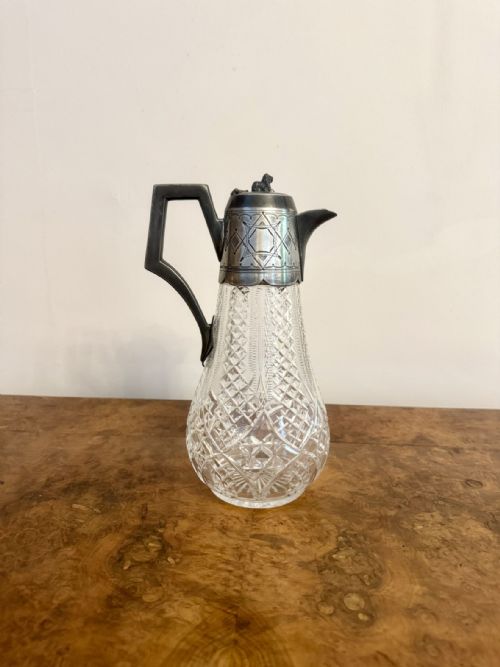
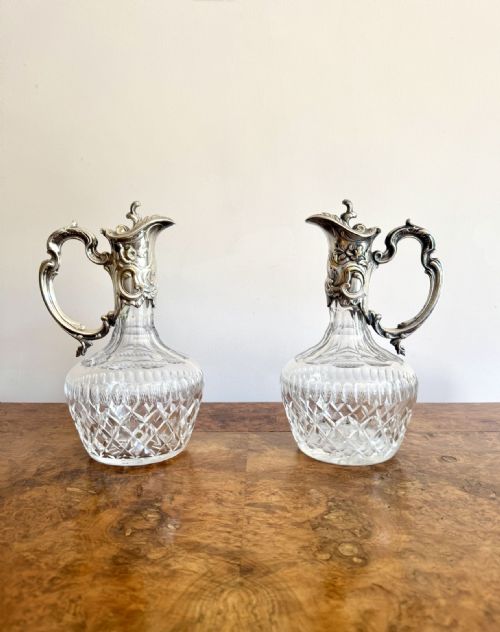
An edwardian claret pitcher brings the formal dining table alive, holding wine in cut glass and silver plate.
Edwardian Claret Pitcher
When you search for an edwardian claret pitcher, you encounter vessels designed for serving wine during formal meals, combining glass bodies with metal mounts. The examples you meet on this page date principally from the Edwardian and Victorian eras, alongside related George V and late nineteenth-century pieces.
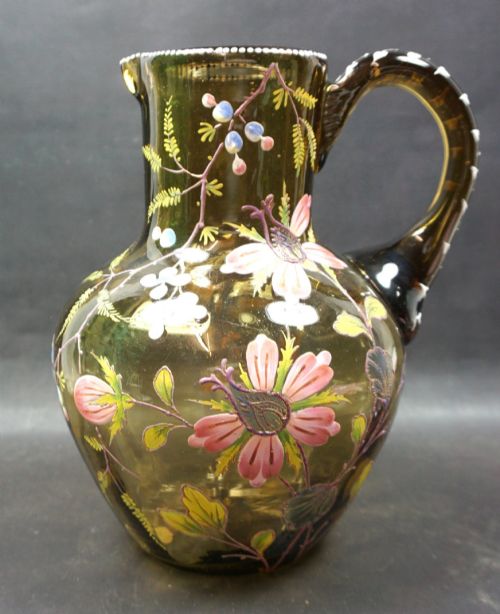
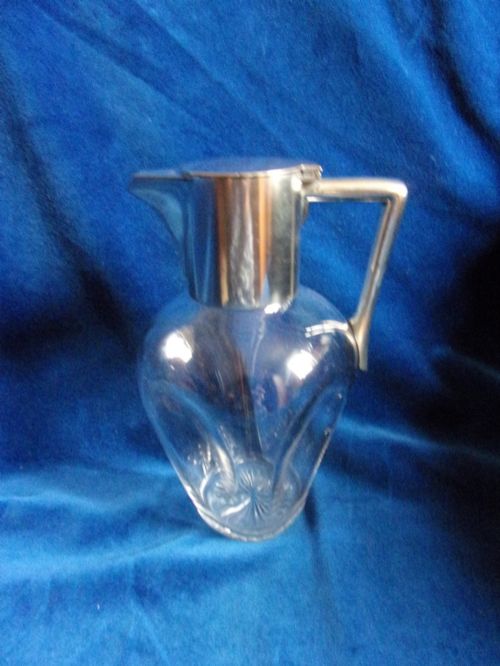
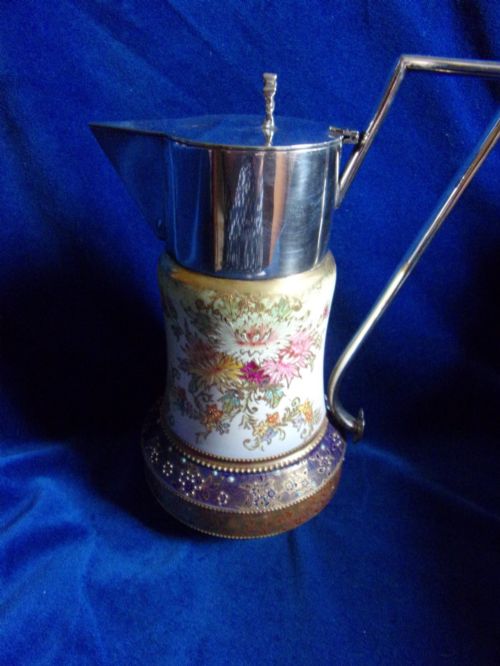
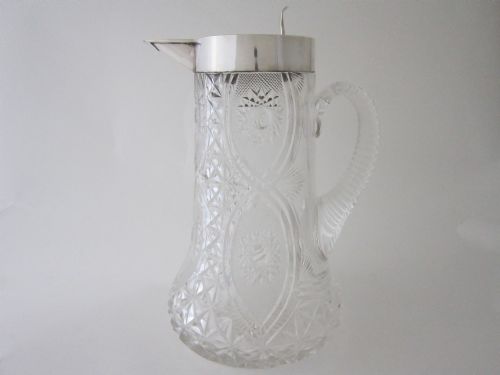
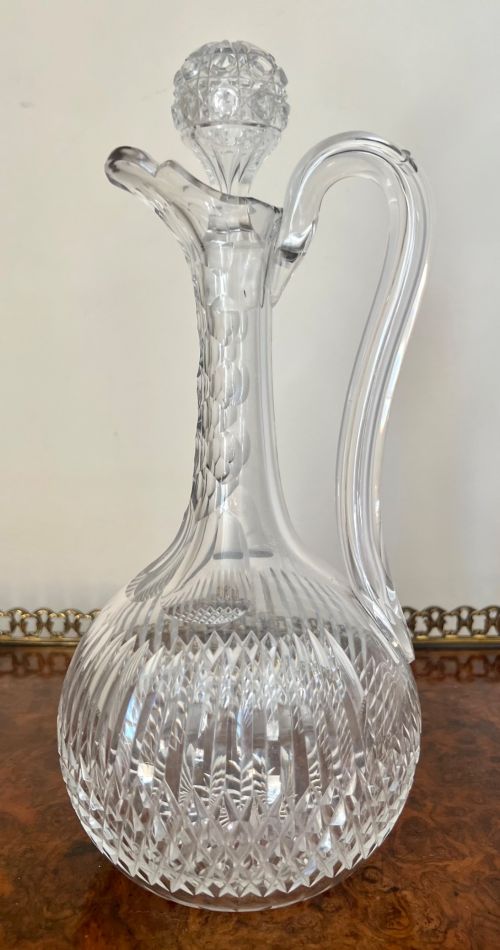
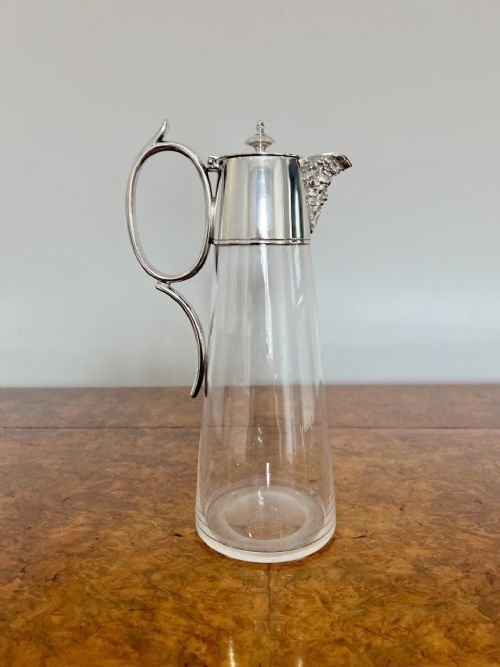
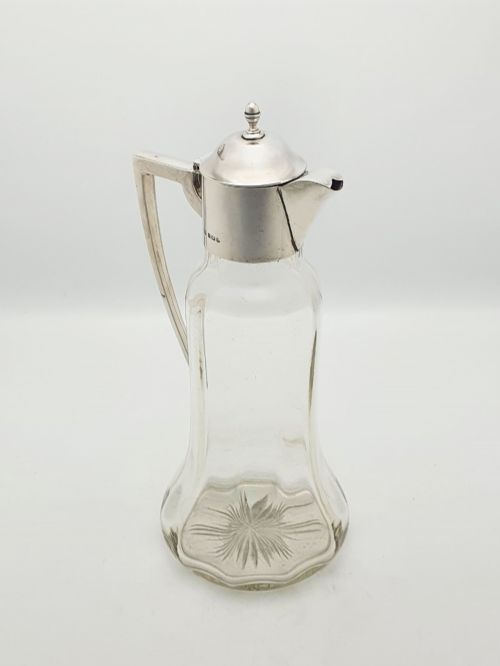
The body takes various forms, appearing as cut glass, crystal, cranberry glass, amber glass, or green glass, while the mounts utilise sterling silver, silver plate, or pewter. Makers executed these vessels as ewers, decanters, and jugs, sometimes adopting novelty shapes such as owls or incorporating Arts and Crafts and Art Nouveau styling.
How They Were Made
Craftsmen shaped the vessels from glass or crystal through blowing and cutting, producing faceted patterns, engraved surfaces, or coloured bodies in cranberry, amber, and green. Pewter and silver-plated or sterling silver components were then fashioned to form hinged covers, collars, and handles.
Makers combined these elements by securing metal mounts around the glass necks and rims, often incorporating detailed chasing, plain finishes, or enamel inserts. Specialised firms utilised pewter for Arts and Crafts designs, while silversmiths applied hallmarks to sterling silver mounts.
Edwardian Claret Pitcher Retail Price Guide 2026
Typical asking prices for edwardian claret pitcher among the pieces listed under this phrase on Sellingantiques today, from the lower quarter to the upper quarter. They describe what is for sale here now, not the wider market.
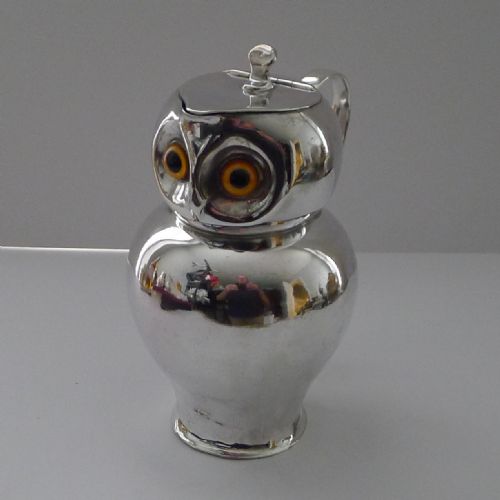
Some makers introduced humour to the dining table by shaping silver-plated jugs as wide-eyed owls complete with glass eyes.
What Varies in Quality
The distinction between tiers rests upon the crispness of the glass cutting, the weight and purity of the silver or pewter mounts, and the balance of the overall design. Finer examples display deeply engraved or faceted glass paired with robust, well-fitted metalwork that bears clear maker marks or hallmarks.
Artistic ambition also separates the range, distinguishing standard production vessels from novelty pieces with glass eyes or creations by notable designers and firms. The integration of coloured glass, such as cranberry or amber, and the harmony between handle, pourer, and body determine the standing of each piece.
Archibald Knox for Liberty and Co·Elkington and Co·Hukin and Heath·William Davenport
The Edwardian Claret Pitcher Glossary
- Claret Jug
- A vessel specifically intended for serving red wine at the table. These pieces typically combine a glass body with a metal handle and hinged lid.
- Silver Plate
- A manufacturing method where a thin layer of silver is applied to a base metal such as copper or Britannia metal. This technique provided the appearance of solid silver at a lower cost.
- Cranberry Glass
- A type of red or pink transparent glass produced by adding gold to the molten batch. It appears frequently in serving vessels from the Victorian and Edwardian periods.
- Ewer
- A large jug with a wide spout and a curved handle, historically used for pouring water or wine. In these listings, the term often describes decorative glass vessels with silver mounts.
- Pewter
- A malleable metal alloy composed principally of tin, combined with copper, antimony, or bismuth. Arts and Crafts makers utilised this material for hammered vessels and organic designs.
Edwardian Claret Pitcher: Frequently Asked Questions
What is an edwardian claret pitcher used for?
These vessels were designed to hold and pour claret or other red wines during formal dining and entertaining. They allowed hosts to transfer wine from storage bottles to the table in decorative serving pieces.
Beyond wine service, many examples function as water jugs, lemonade pitchers, or whisky noggin containers. Their decorative glass and metal mounts made them central display items on dining sideboards.
How do I clean an edwardian claret pitcher?
Glass and crystal bodies require gentle washing in warm water with mild detergent, avoiding harsh abrasives that might scratch the surface. Metal mounts should be cleaned separately with appropriate silver or pewter care products to prevent tarnishing.
Care must be taken around hinged lids and fitted collars to prevent moisture from becoming trapped where the metal meets the glass. Thorough drying preserves both the clarity of the glass and the finish of the metal.
How can I tell an Edwardian piece from a Victorian one?
Edwardian vessels often feature lighter, airier designs influenced by neoclassical revival or simpler forms, while Victorian pieces tend to be heavier and more elaborately decorated. Hallmarks on the silver mounts provide exact date letters for pieces made of sterling silver.
Stylistic cues also help distinguish the eras, as Art Nouveau and Arts and Crafts movements emerged strongly around the transition from the nineteenth to the twentieth century. Examining the mounting style and glass coloration offers further clues to the period of manufacture.
Are these pitchers suitable for daily use?
While these items remain functional serving vessels, their age and delicate glass or silver components mean they require careful handling. Many owners choose to use them primarily for special occasions or display them as decorative objects.
If utilised for serving beverages, hand washing is essential, and sudden temperature changes should be avoided to protect antique glass. Treating the pieces with care ensures their preservation for future generations.