
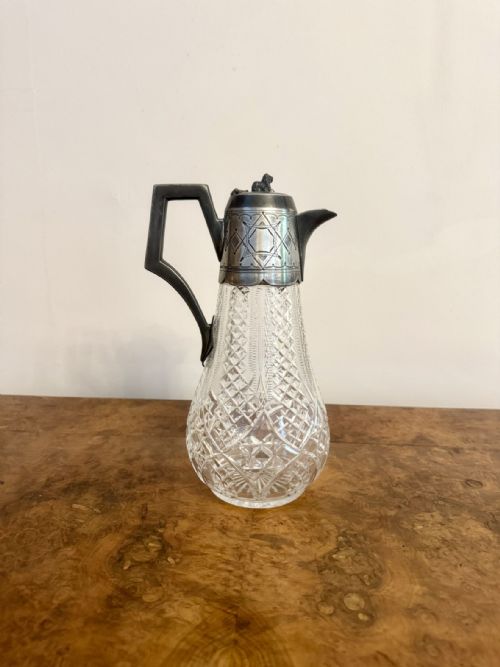


Clear Crystal Claret Jug
These clear crystal claret jugs combine brilliant glass vessels with metal mounts to serve wine with traditional dining elegance.
Clear Crystal Claret Jug
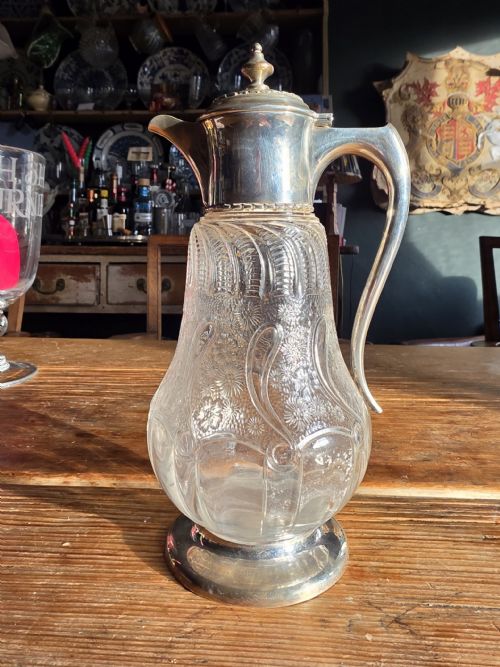
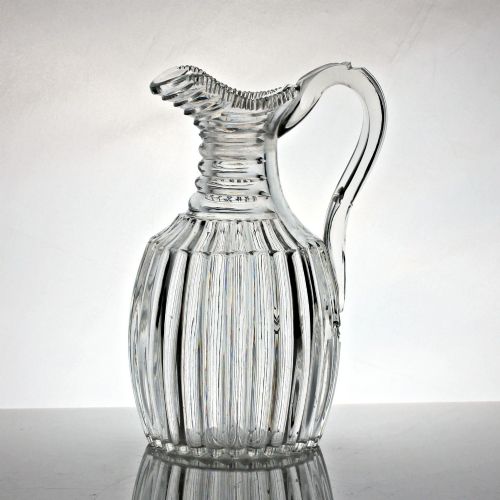
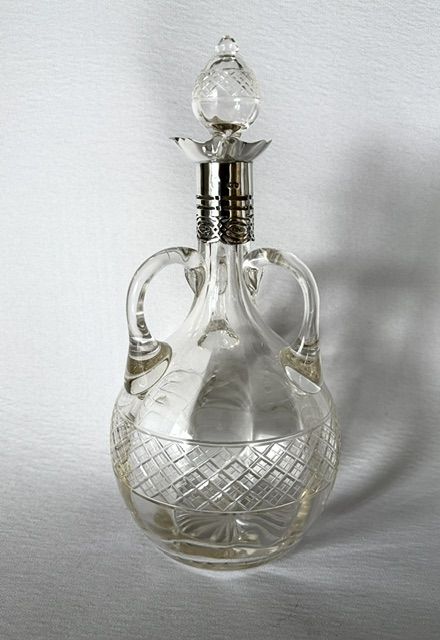
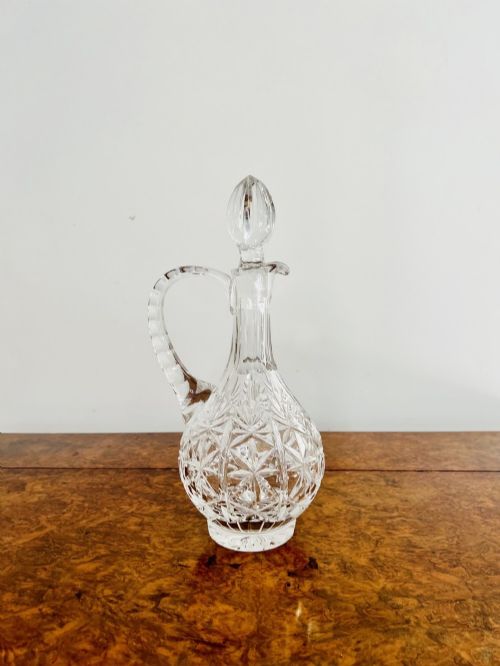
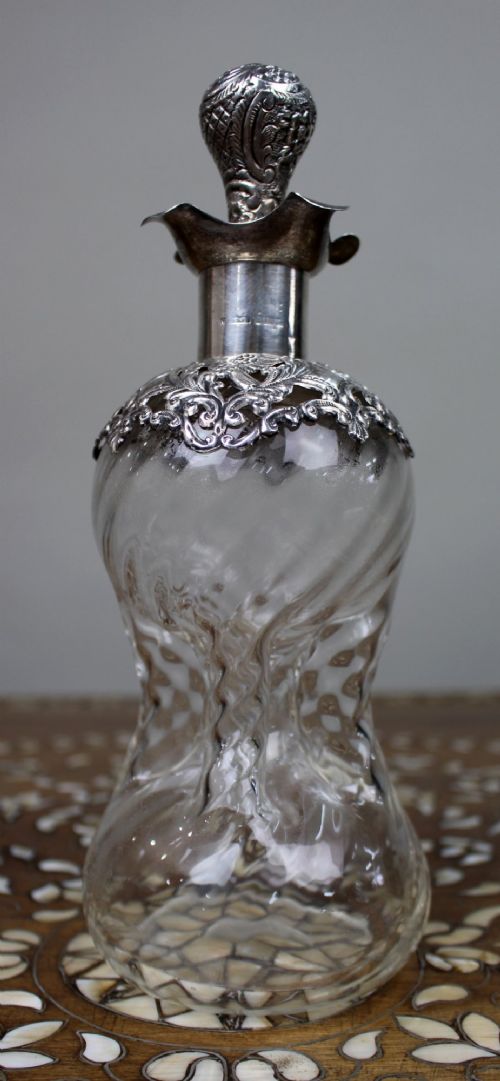
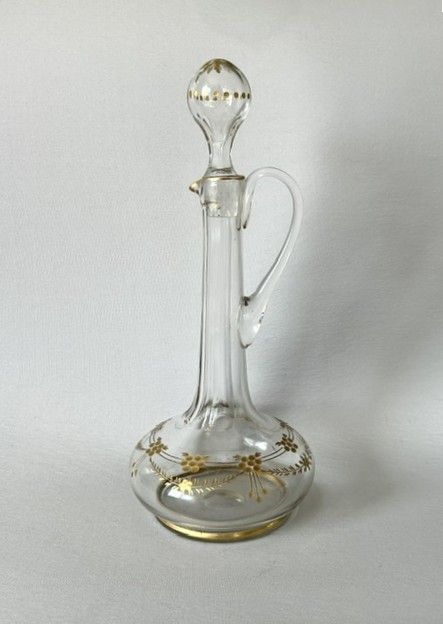
A clear crystal claret jug forms a serving vessel designed for wine, combining a glass body with a handle and pouring spout. These pieces appear primarily across Victorian and Edwardian periods, stretching from the nineteenth century into the early twentieth century.
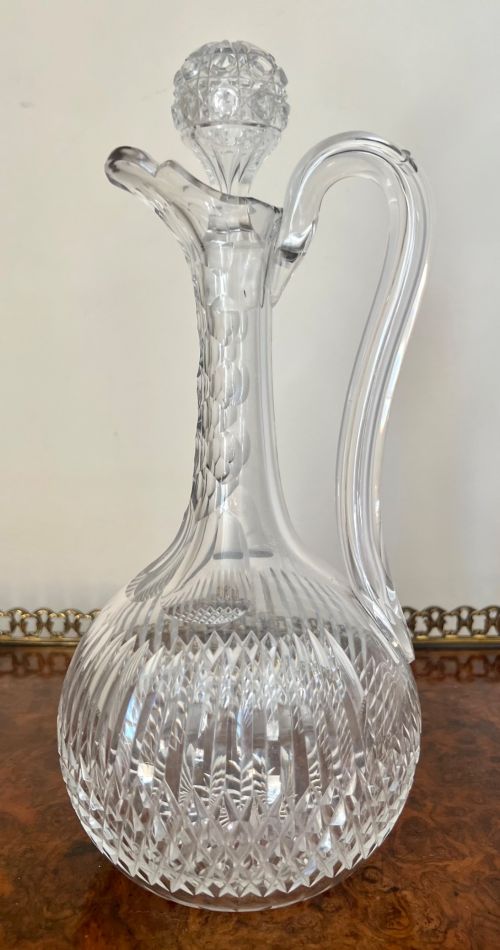
The form frequently takes inspiration from ewers, decanters, and pitchers, often incorporating silver or silver-plated mounts. Buyers encounter examples featuring hobnail cutting, pillar and prism patterns, or engraved motifs such as grapes and vines.
How they were made
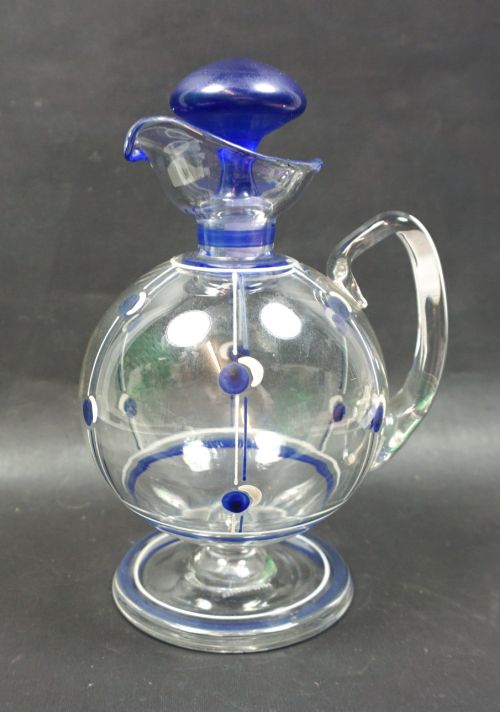
Glassmakers shaped the bodies through blowing and heavy cutting, utilising clear crystal, cut glass, and occasionally coloured enamel or latticinio threads. Artisans applied deep geometric cuts to refract light through the heavy material.
Silversmiths constructed mounts, handles, hinged covers, and collars from sterling silver or silver plate, securing them to the glass necks. Engravers added decorative details directly onto the crystal surfaces using wheel-cutting techniques.
Clear Crystal Claret Jug Retail Price Guide 2026
Typical asking prices for clear crystal claret jug among the pieces listed under this phrase on Sellingantiques today, from the lower quarter to the upper quarter. They describe what is for sale here now, not the wider market.
Current listings span the nineteenth and early twentieth centuries, featuring materials such as cut crystal, sterling silver, and silver plate.
What varies in quality
The crispness and depth of the glass cutting distinguish finer vessels, where sharp facets create distinct brilliance. Heavier crystal blanks and substantial metal mounts indicate superior execution.
Detailing in the metalwork and engraving determines distinction, with intricate chasing, secure hinge mechanisms, and finely rendered motifs separating standard production from exceptional examples.
Richardsons·Baccarat·Hukin & Heath
The Clear Crystal Claret Jug Glossary
- Ewer
- A large jug with a wide spout and handle, traditionally used for holding and serving liquids. This form influences many nineteenth-century wine and claret containers.
- Latticinio
- A decorative glass technique incorporating fine opaque white or coloured glass threads within clear blown glass. This method appears on mid-nineteenth-century vessels.
- Silver Plate
- A layer of silver fused to a base metal foundation, frequently utilised for mounts and handles. This technique allowed makers to produce ornate metalwork at lower cost than solid silver.
- Hobnail Cut
- A raised, diamond-shaped geometric pattern cut into glass surfaces. This texture provides a tactile grip and catches ambient light.
- Prism Cut
- Linear facets cut into glass stems or bodies to refract light into spectral colours. This decorative treatment appears on nineteenth-century drinking vessels.
Clear Crystal Claret Jug: Frequently Asked Questions
What is a clear crystal claret jug?
A clear crystal claret jug is a tabletop serving vessel intended for wine, featuring a glass body paired with a handle, spout, and metal mount. These items date predominantly from the Victorian and Edwardian eras.
The design allows hosts to pour wine at the dining table while showcasing the colour and clarity of the liquid through cut or engraved crystal surfaces.
How were these jugs used?
Victorian and Edwardian households utilised these vessels to serve claret and dessert wines during formal dinners and gatherings. The hinged metal covers kept the contents protected while resting on the sideboard or dining table.
Servants filled the jugs from larger storage bottles before bringing them into the dining room for service.
How do I clean and care for a crystal claret jug?
Clean these vessels by washing them by hand in warm water using mild detergent, avoiding sudden temperature changes that can crack old glass. A bottle brush helps reach interior surfaces without damaging fragile rims or mounts.
Dry the metal mounts promptly to preserve silver and silver-plated finishes against tarnishing and moisture damage.
How can I tell a Victorian jug from an Edwardian one?
Victorian examples often display heavier, deep-relief cutting, elaborate rococo revival scrolls, or naturalistic grape and vine motifs. Metal mounts on Victorian pieces tend to be robust and heavily chased. The Edwardian period frequently introduced lighter proportions, cleaner lines, and simpler silver-plated mounts while retaining traditional cut glass bodies.