



Silver Plate Claret Jug
When choosing a silver plate claret jug, you are looking at nineteenth and early twentieth-century dining table centerpieces designed to serve wine with elegance.
Silver Plate Claret Jug
A silver plate claret jug brings together metalwork and glassware to form a traditional serving vessel for the dining table. These pieces emerge predominantly from the Victorian and Edwardian eras, spanning the nineteenth and early twentieth centuries.
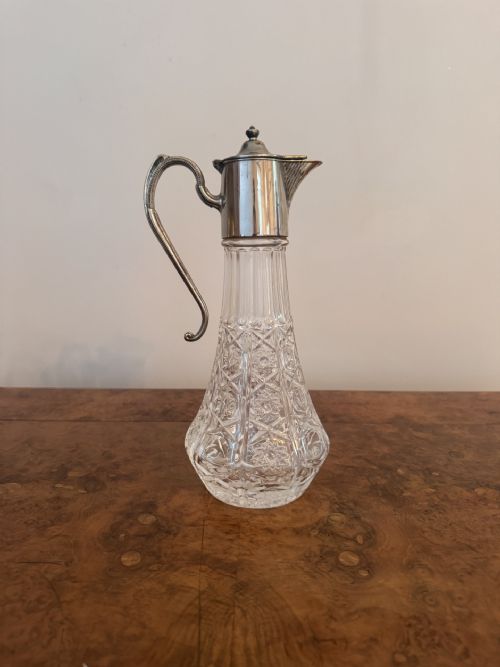
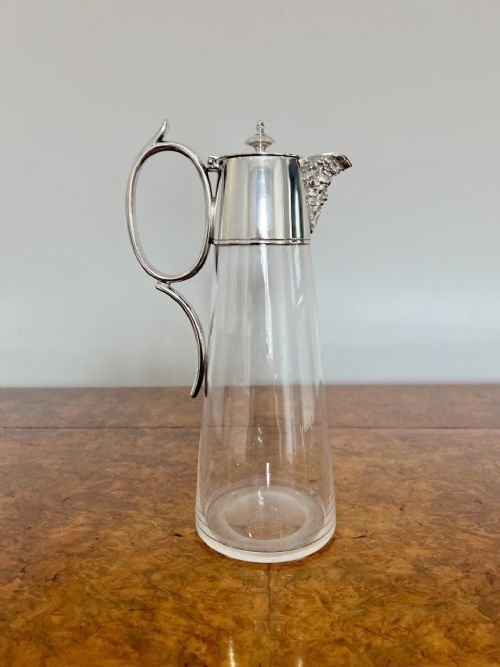
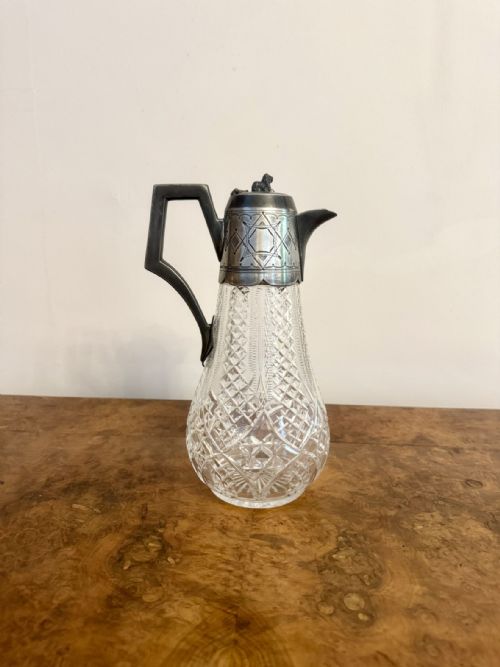
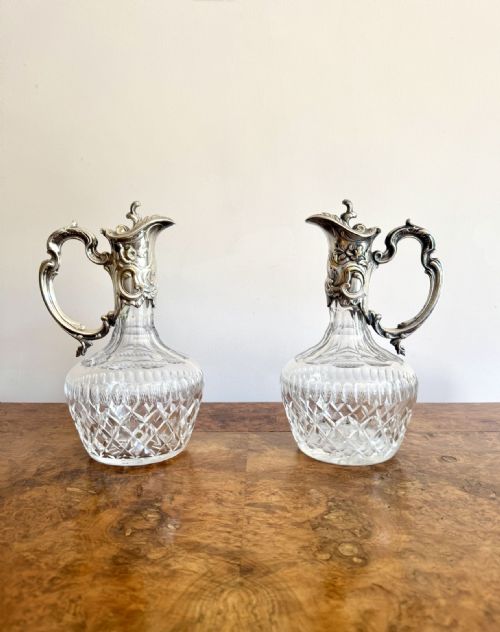
The form typically combines a shaped glass body with a metal mount, hinged lid, handle, and spout. Common examples pair cut glass or crystal reservoirs with silver plated mounts, though variations feature cranberry glass, etched glass, or solid silver plate.
Makers utilised various stylistic movements across these decades, ranging from Victorian Classical and Aesthetic Movement to Arts and Crafts and Art Nouveau designs. The primary function remained serving claret and other wines during formal meals.
Materials and Technique
Makers constructed the metal components using silver plating techniques on base metals, alongside Old Sheffield Plate on earlier examples. Elkington and other firms applied electroplating methods extensively during the Victorian period to coat base metals with a layer of silver.
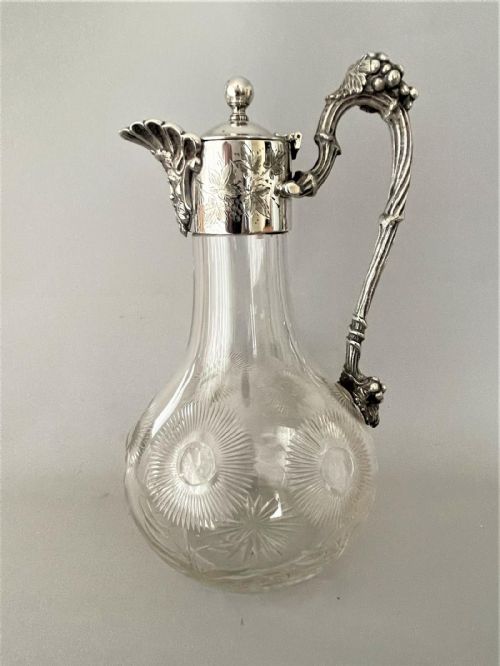
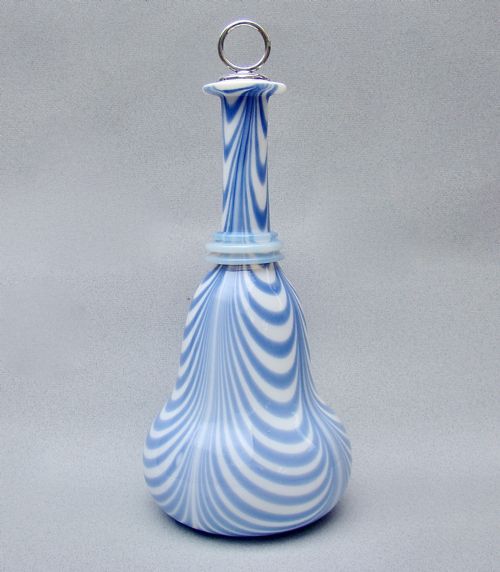
Glass bodies were produced through blowing, moulding, and subsequent cutting or etching. Craftsmen applied deep geometric cuts to crystal and glass to catch the light, while specialised variants incorporated coloured glass such as cranberry or Nailsea styles.
Mounts, lids, and handles were cast or stamped in relief, often featuring naturalistic motifs like grapes and vines, before being soldered and fitted securely to the glass vessel.
Listings demonstrate a strong concentration of Victorian and Edwardian items, combining cut crystal bodies with silver plated mounts.
Assessing Quality
The distinction between standard utility items and finer examples rests upon the crispness of the glass cutting and the weight of the metal mount. Heavier gauge silver plating and substantial crystal bodies indicate superior craftsmanship.
Design complexity and maker attribution separate exceptional pieces from mass-produced wares. Pieces bearing marks from notable designers or makers display finer chasing on the mounts and more harmonious proportions between the glass body and metal handle.
Henry Bourne·Mappin & Webb·Elkington & Co·Hukin & Heath·Dr Christopher Dresser·John Northwood·James Dixon & Sons
The Silver Plate Claret Jug Glossary
- Old Sheffield Plate
- A fused metal composite made by applying a thin sheet of silver to a thicker copper core before rolling and shaping. This technique predates widespread electroplating and appears on earlier nineteenth-century items.
- Electrotype
- A metal object produced by the electro-deposition of silver or copper onto a mould. This method allowed makers to create intricate sculptural details on nineteenth-century vessels.
- Finial
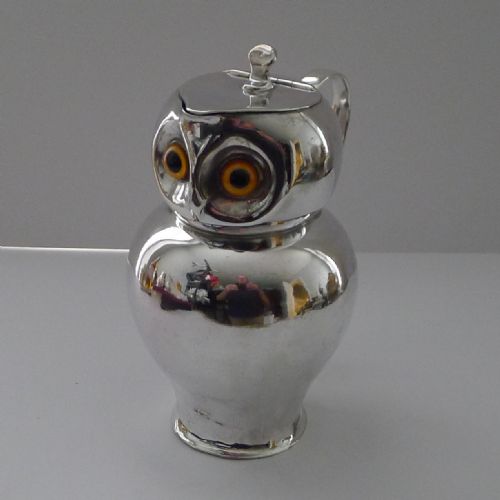
- The decorative knob or figure mounted on top of the hinged lid. They often take sculptural forms such as animals, leaves, or heraldic motifs.
- Ewer
- A large jug with a wide spout and curved handle, often used interchangeably with the term claret jug in period descriptions.
Silver Plate Claret Jug: Frequently Asked Questions
What is a silver plate claret jug?
A silver plate claret jug is a nineteenth or early twentieth-century pouring vessel specifically created to serve red wine at the dining table. They combine a glass or crystal body with a decorated metal handle, hinged lid, and spout.
These pieces were central to formal dining rituals during the Victorian and Edwardian periods. Today, they serve as decorative table items or functional decanters for wine enthusiasts.
How do I date a claret jug?
Dating relies upon stylistic markers, manufacturing techniques, and maker marks stamped onto the metal mounts. Victorian examples often display heavy cut glass and ornate naturalistic motifs, while Edwardian pieces may show simpler lines or Arts and Crafts influences.
Changes from Old Sheffield Plate to electroplated nickel silver help establish whether an item originates from the early nineteenth century or the later Victorian decades. Maker stamps provide the most reliable chronological reference.
Were these jugs only used for wine?
While primarily designed for claret and other table wines, similar vessels served water, lemonade, or iced drinks. Some specialised forms included internal ice tubes to keep beverages chilled during long meals.
Historical listings show variations adapted for Pimms, cordials, and general water service. The fundamental design remained consistent regardless of the specific beverage intended.
How should I clean silver plate mounts?
Cleaning requires gentle application of non-abrasive silver polish specifically formulated for plated items. Care must be taken to avoid harsh scrubbing near the junction where metal meets glass.
Regular dusting and occasional careful wiping keep the silver bright without wearing away the thin plated surface. Avoid submerging antique glass and metal assemblies in hot water for extended periods.