
Antique Lead Crystal
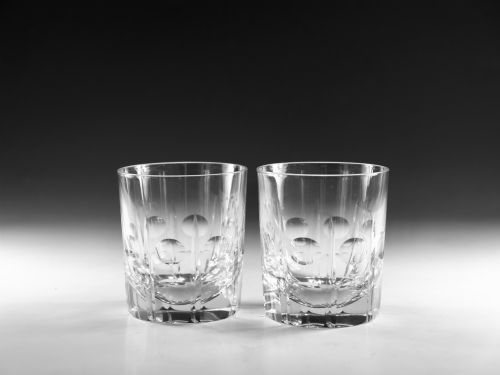
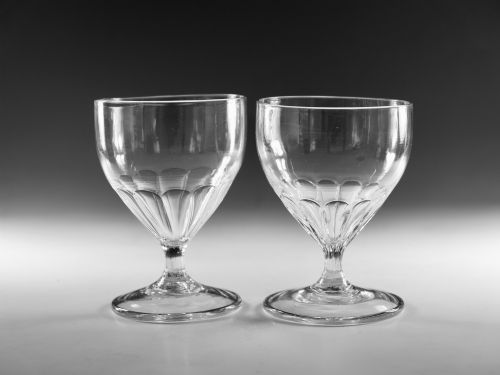
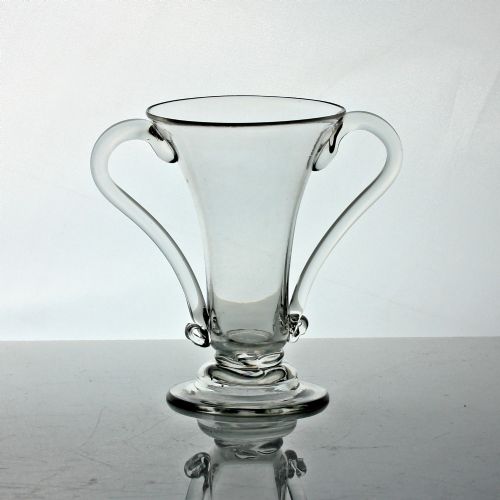
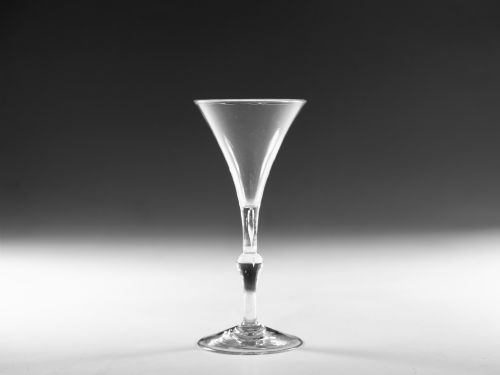
Antique lead crystal pieces are brilliant heavy glassware items that bring genuine period sparkle and substance to a room.
What antique lead crystal is
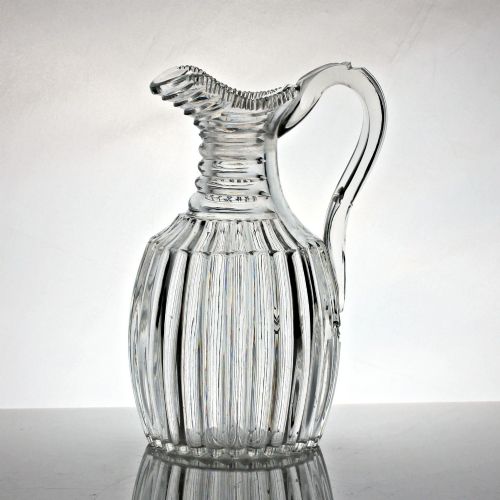
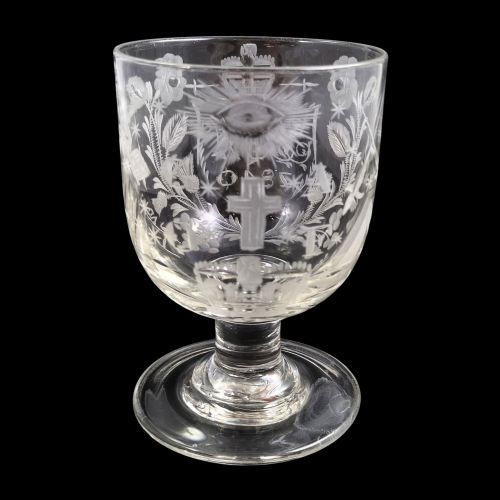
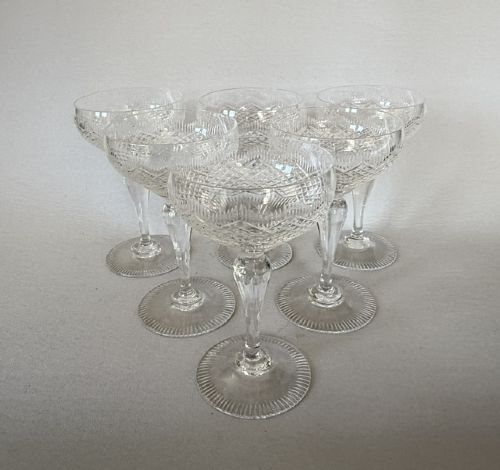
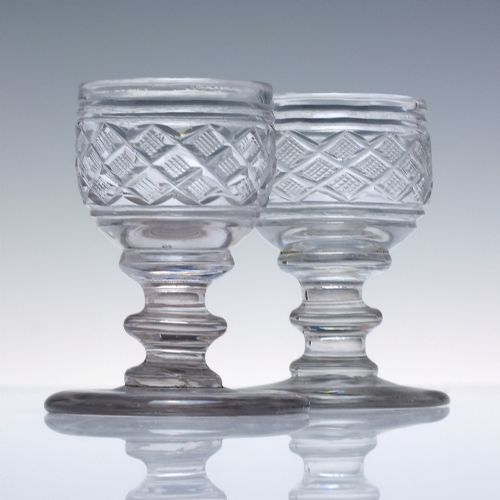
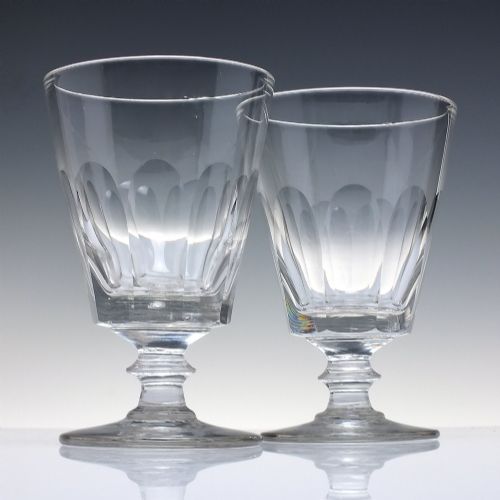
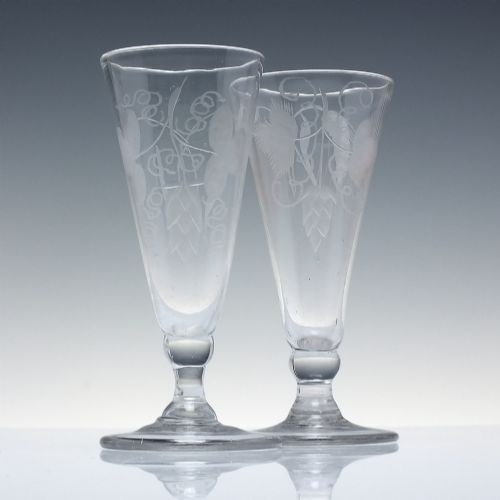
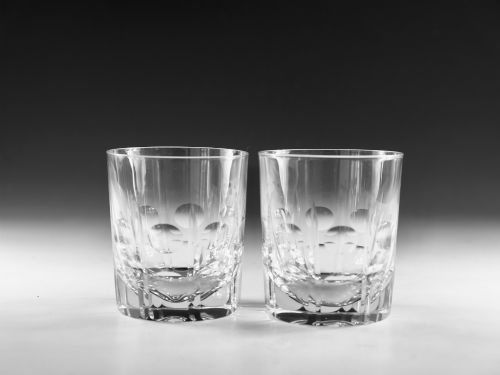
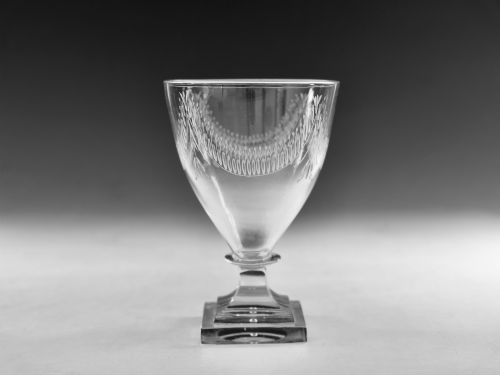
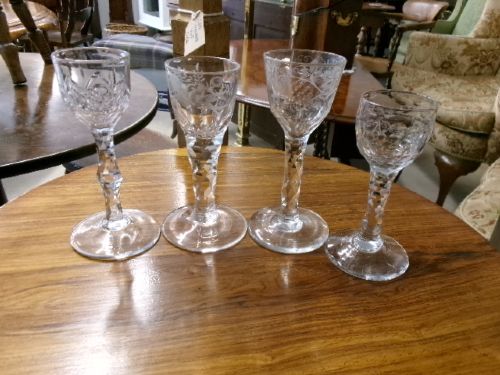
When you search for antique lead crystal, you find heavy, light-catching glassware spanning the Victorian and Edwardian eras. The selection currently brings together practical vessels and display pieces.
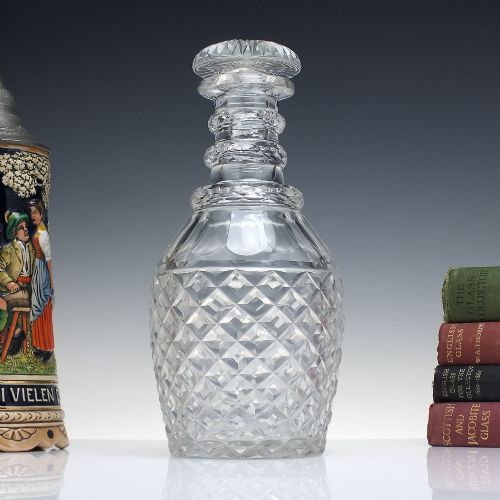
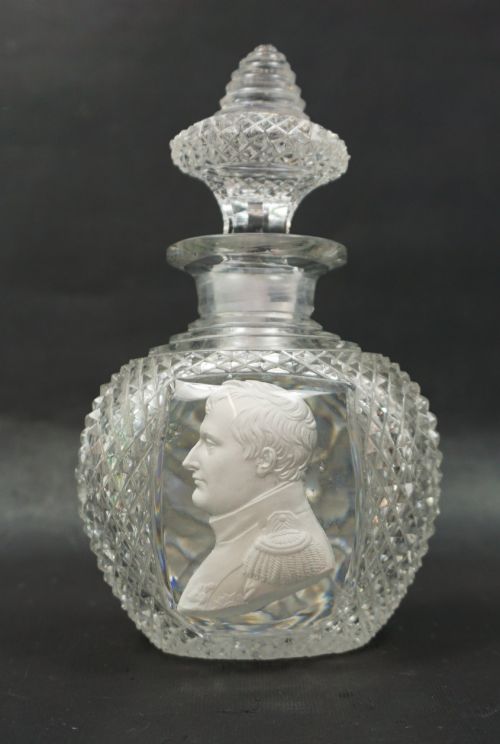
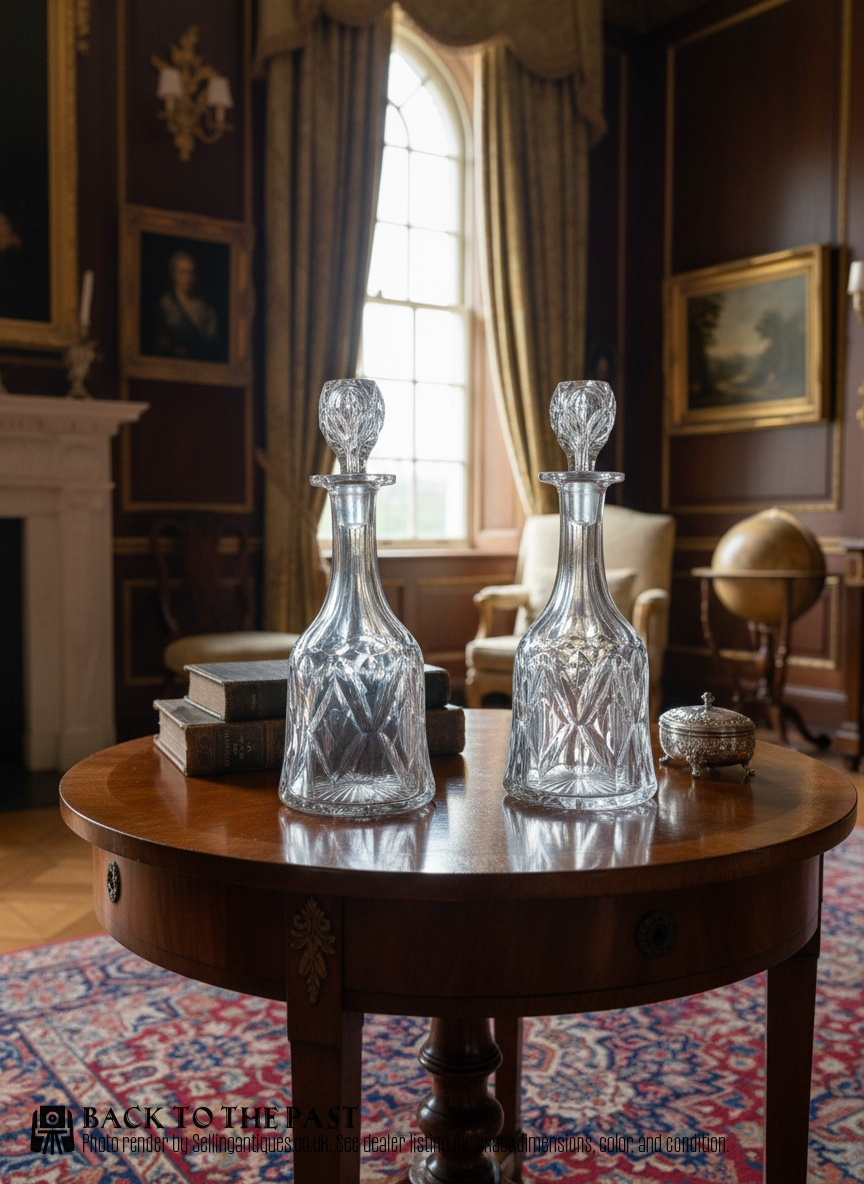
The most common forms you meet on this page are decanters and vases. These include a single Edwardian decanter alongside a pair of Victorian cut glass decanters and a large lidded vase.
How they were made
These items are formed from lead crystal, cut glass, and standard glass. The weighty material allows deep facets to be carved into the surface.
Master glassworkers shaped molten metal before employing cutting wheels to carve geometric and linear patterns across the heavy walls.
Listings span the Edwardian period and the years eighteen fifty and eighteen sixty, featuring lead crystal and cut glass decanters and lidded vases.
What varies in quality
Quality rests in the clarity of the metal and the crispness of the cutting. Superior pieces show sharp, clean facets that catch light cleanly without blurring.
Scale and matching also dictate standing, as seen in pairs of decanters or substantial lidded urns compared to single smaller vessels.
The Antique Lead Crystal Glossary
- Lead crystal
- Heavy glass containing lead oxide to increase refractive index and weight. This gives the material its characteristic brilliance and clarity.
- Decanter
- A vessel used for holding and serving liquids like wine or spirits. They typically feature stoppers and heavy necks.
- Cut glass
- Glass decorated by grinding facets into the surface using wheels. It defines the tactile texture of Victorian and Edwardian tableware.
- Lidded vase
- An ornamental vessel fitted with a matching cover. These large pieces served as decorative centrepieces in period rooms.
Frequently Asked Questions
How do I date antique lead crystal?
Dating relies on stylistic cues, cutting patterns, and the form of the vessel. Victorian and Edwardian pieces show distinct weights and manufacturing signatures.
Comparing the depth of the cut and the shape of the stopper helps place a decanter or vase in its proper decade.
How were lead crystal decanters used?
Decanters held wine or spirits for dining and drawing room hospitality. Their heavy stoppers kept contents sealed between pours.
Pairs of decanters often stood on sideboards or trays ready for evening entertaining.
How do I clean antique cut glass?
Wash pieces gently in warm water with mild detergent. Avoid sudden temperature changes to protect the heavy lead metal.
Natural drying on a soft cloth prevents water spots from dulling the sharp facet cuts.
What is the difference between glass and lead crystal?
Lead crystal contains added lead oxide which increases its density and makes it softer for cutting. This results in greater light refraction and a resonant ring when tapped.
Standard glass lacks this weight and optical brilliance.