


Antique Lead Crystal Decanter
An antique lead crystal decanter brings heavy-handed brilliance and deep light reflection to a sideboard, holding spirits with genuine period weight.
What They Are
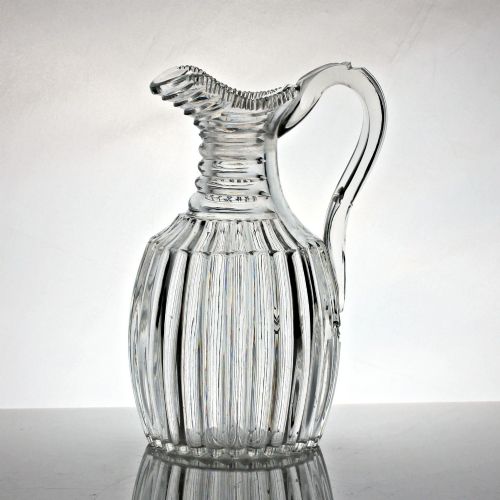
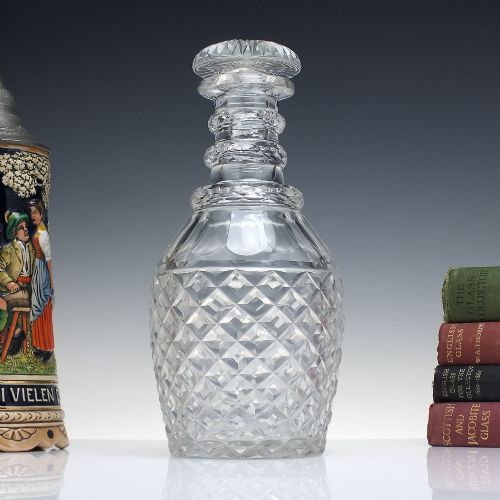
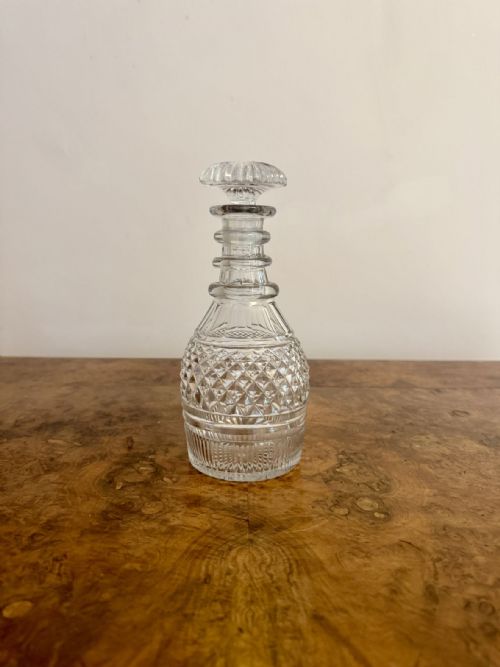
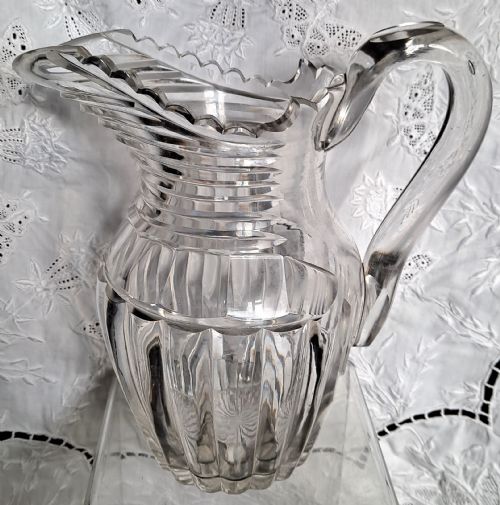
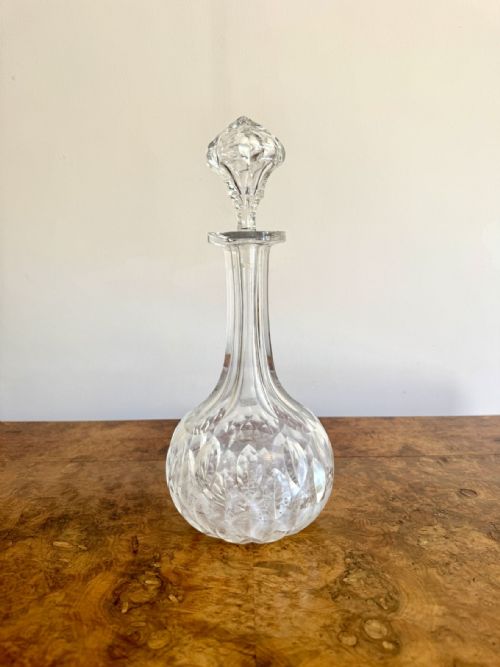
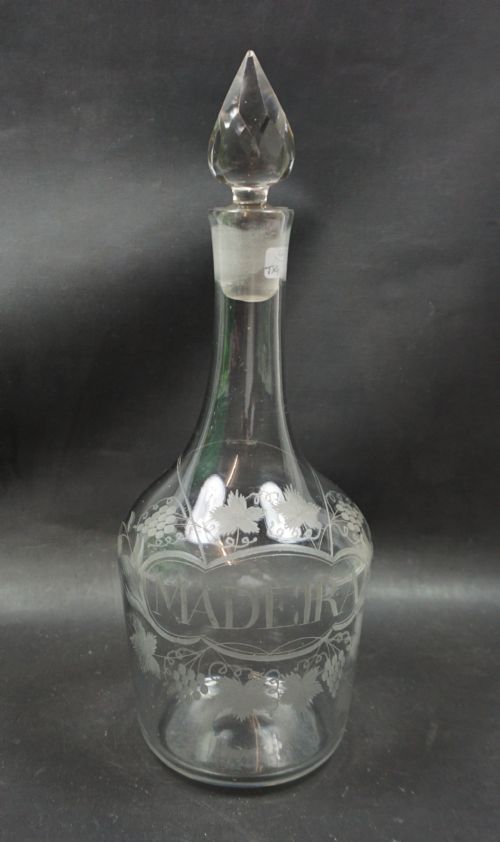
An antique lead crystal decanter is a heavy, light-refracting vessel designed for holding and serving wine or spirits. When you search for antique lead crystal decanter, you encounter forms ranging from Georgian pillar and prism cut vessels to Edwardian table jugs and three-ring Prussian style bottles. These pieces span the nineteenth century and the year nineteen hundred, showing the enduring utility of fine glassware.
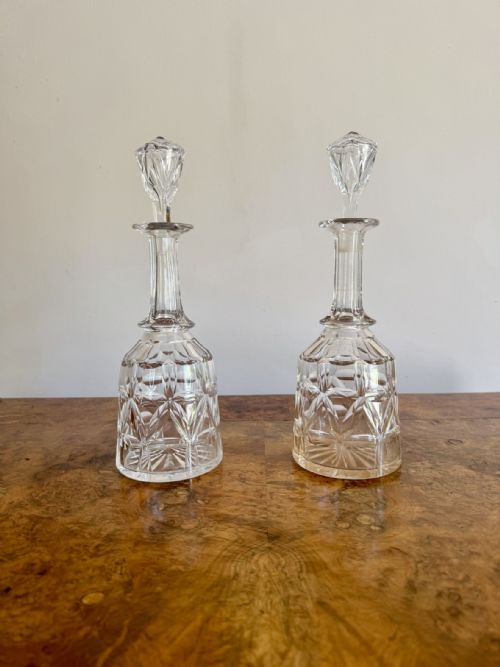
The selection on this page centres primarily on Georgian and Edwardian examples, including water jugs and paired decanters. The forms vary from tall Prussian profiles with characteristic neck rings to bulbous jugs featuring intricate cutting. Each piece reflects the functional elegance demanded by nineteenth-century dining and entertaining habits.
How They Were Made
These vessels are fashioned from lead crystal glass, a dense material that permits deep cutting and sharp facets. Artisans utilised heavy metal oxides in the glass batch to increase refractive index and overall mass, ensuring the decanters feel substantial in the hand.
The surface decoration relies on cold-working techniques such as pillar and prism cutting, alongside horizontal neck rings applied to Prussian styles. Craftsmen ground and polished the facets by hand, creating crisp edges that catch ambient light from every angle.
Retail Price Guide 2026
Typical UK retail prices for lead crystal decanter, calculated from the Sellingantiques database of over a million retail prices indexed since 2003. This retail price guide relies exclusively on Sellingantiques data; no external sources or auction records are used, so the figures do not describe the wider market.
Ring your decanter gently and listen for the long, lingering chime; the lead content makes good crystal sing like a small bell.
What Varies Across the Range
Quality rests in the crispness of the cutting and the clarity of the lead crystal itself. Superior examples display sharp, uniform facets with no softness in the edges, whereas lesser pieces show rounded grinding and minor optical distortions within the metal.
Proportion and weight also dictate the hierarchy among these vessels. A well-balanced body with accurately spaced neck rings and a matching stopper represents the pinnacle of nineteenth-century glassmaking skill.
The Antique Lead Crystal Decanter Glossary
- Lead Crystal
- A type of glass containing metallic lead oxide to increase brilliance, density, and refractive power. This heavy composition allows for deep, sharp wheel-cutting.
- Prussian Style
- A decanter shape characterised by a tapering cylindrical body and multiple neck rings. This specific form originated in the late eighteenth century and remained popular throughout the nineteenth century.
- Pillar and Prism Cut
- A decorative geometric pattern featuring vertical flat columns and prismatic angles. It maximises light refraction across the surface of the vessel.
- Edwardian
- A period spanning the reign of King Edward VII, noted in these listings around nineteen hundred. Glassware from this era often combines traditional heavy cutting with refined domestic utility.
Frequently Asked Questions
Were these decanters meant for wine or spirits?
Georgian and Edwardian vessels served both wine and potent spirits depending on their specific form. Prussian styles typically held spirits, whilst wider jugs accommodated water or wine.
The inclusion of stoppers helped preserve the contents and prevent evaporation during formal dining rituals.
How can I tell Georgian from Edwardian pieces?
Georgian pieces from the nineteenth century often feature hand-cut pillar designs and distinct neck rings. They display the heavier, darker metal characteristic of earlier British glasshouses.
Edwardian examples from nineteen hundred tend toward brighter metal and refined overall proportions. The cutting techniques show the standardised precision of later factory production.
Why are lead crystal decanters so heavy?
The addition of lead oxide to the molten batch increases the density of the material significantly. This extra weight was a deliberate choice to provide stability on dining tables.
The heft also protected the vessel from tipping over easily during lively nineteenth-century dinner parties.