




Pink Glass Pitcher
A pink glass pitcher brings rich colour and vibrant Victorian craftsmanship straight to the table.
Pink Glass Pitcher
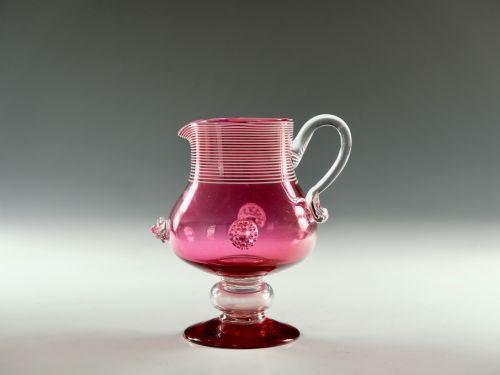
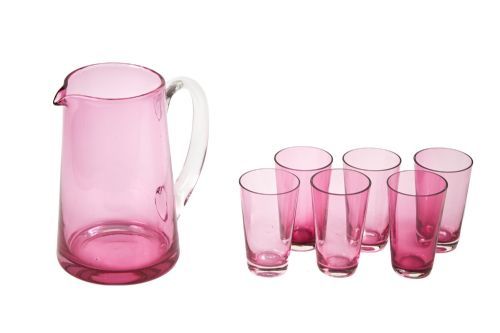
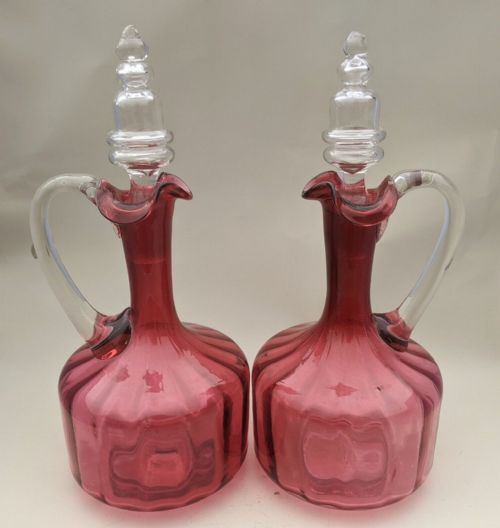
When you search for a pink glass pitcher, you encounter rich Victorian tablewares and decorative vessels created in striking cranberry, Burmese and satin glass. These pieces range from small cream jugs with delicate white piping to large water jugs and decanter sets designed for formal service.
The pink glass pitcher most commonly met on this page dates from the nineteenth century, particularly the Victorian and Edwardian eras. Makers utilised rich cranberry hues and shaded Burmese glass to produce jugs and sets that function both as practical drinkware and vibrant decorativeware.
How they were made
These items rely on blown glass techniques, shaping molten metal into robust pitchers, jugs and decanters. Artisans introduced gold into the glass batch to achieve the characteristic deep cranberry coloration.
Makers added applied details such as white piping and paired the vessels with silver plate mounts. Burmese glass pieces display a shaded gradient from pink to yellow, produced through specialised heat-sensitive chemical reactions during the blowing process.
Pink Glass Pitcher Retail Price Guide 2026
Typical asking prices for pink glass pitcher among the pieces listed under this phrase on Sellingantiques today, from the lower quarter to the upper quarter. They describe what is for sale here now, not the wider market.
Some nineteenth-century makers snuck gold into the glass mix just to turn plain molten silica into rich, glowing cranberry tableware.
What varies in quality
Depth of colour and consistency in the glass body separate standard examples from finer works. Richer cranberry tones and smooth, even shading in Burmese glass show greater mastery at the furnace.
Complexity of form and applied decoration dictate the standing of a piece. Unusual large proportions, intricate white piping and matched sets with bowls or glasses demonstrate higher ambition from the maker.
WEBB and Son
The Pink Glass Pitcher Glossary
- Cranberry Glass
- A type of transparent red-pink glass created by adding gold chloride to the molten batch. It gained immense popularity during the Victorian era for tableware and decorative vessels.
- Satin Glass
- Glass treated with acid to produce a velvety, non-reflective surface texture. This finish is frequently found on nineteenth-century decorative art glass.
- Silver Plate
- A thin layer of silver applied to a base metal mount or handle. It appears on Victorian jugs and decanters to provide durable metallic contrast.
Pink Glass Pitcher: Frequently Asked Questions
What is a pink glass pitcher used for?
These vessels served various functions in Victorian and Edwardian homes, ranging from pouring cream at the tea table to serving water at dinner.
Larger examples and sets with matching glasses were also utilised for cordials or displayed simply as decorative ornaments in parlours.
How do I date a pink glass pitcher?
Dating relies on stylistic markers, glass types, and manufacturing techniques recorded across the nineteenth and early twentieth centuries. Victorian and Edwardian pieces often display distinct colour profiles like rich cranberry or shaded Burmese.
Applied details such as white piping and silver plate mounts also point firmly to specific decades within the 1800s and 1900s.
How should I clean my antique pitcher?
Wash nineteenth-century glass by hand using warm water and mild soap to protect the delicate surfaces and any applied elements.
Avoid extreme temperature changes to protect the blown glass structure from thermal shock.