
Victorian Ruby Glass
Victorian ruby glass brings deep crimson warmth and ornate nineteenth century craftsmanship to decorative glassware collections.
What Victorian ruby glass items include
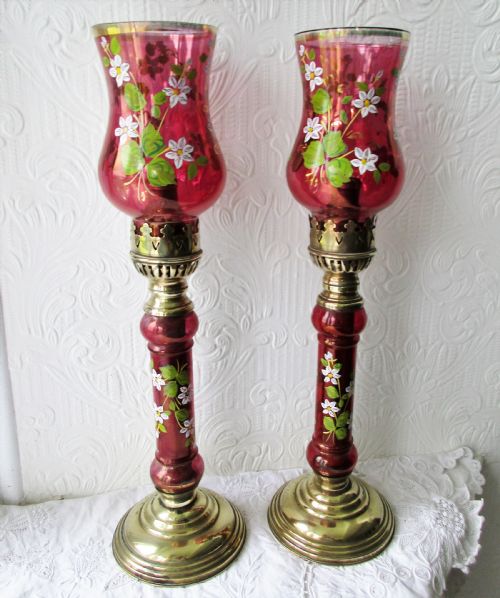
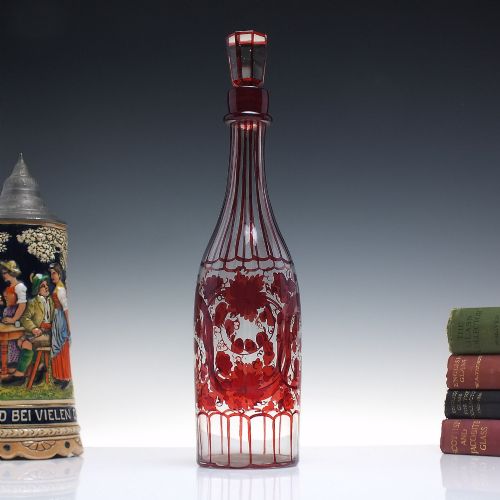
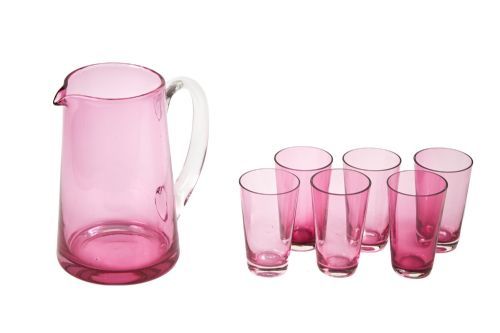
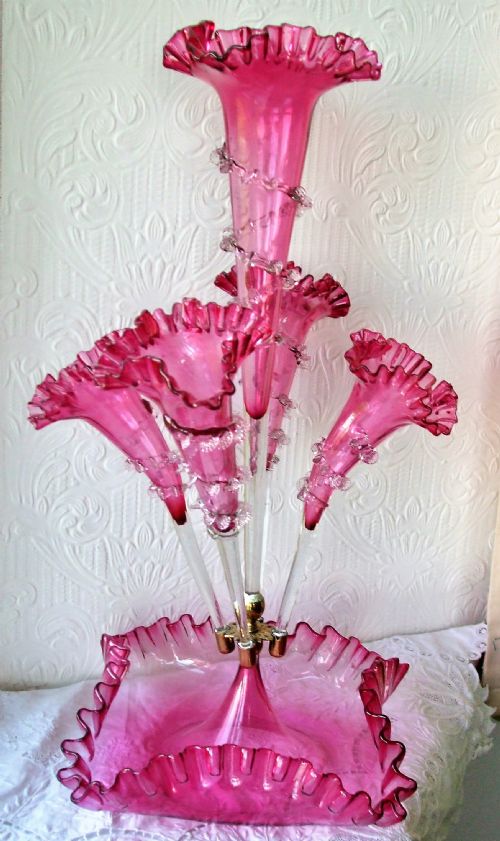
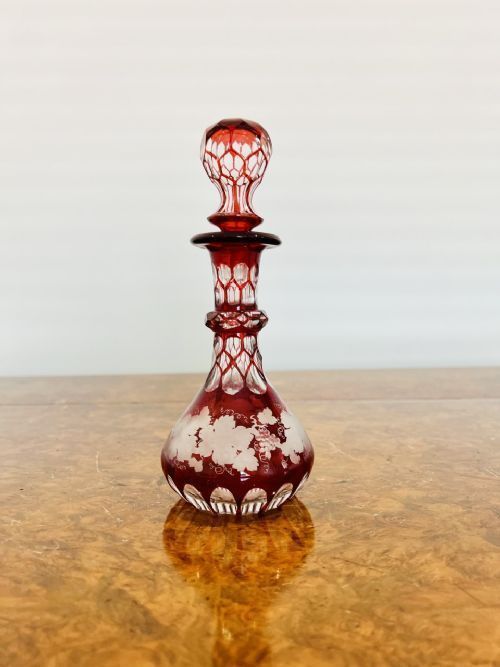
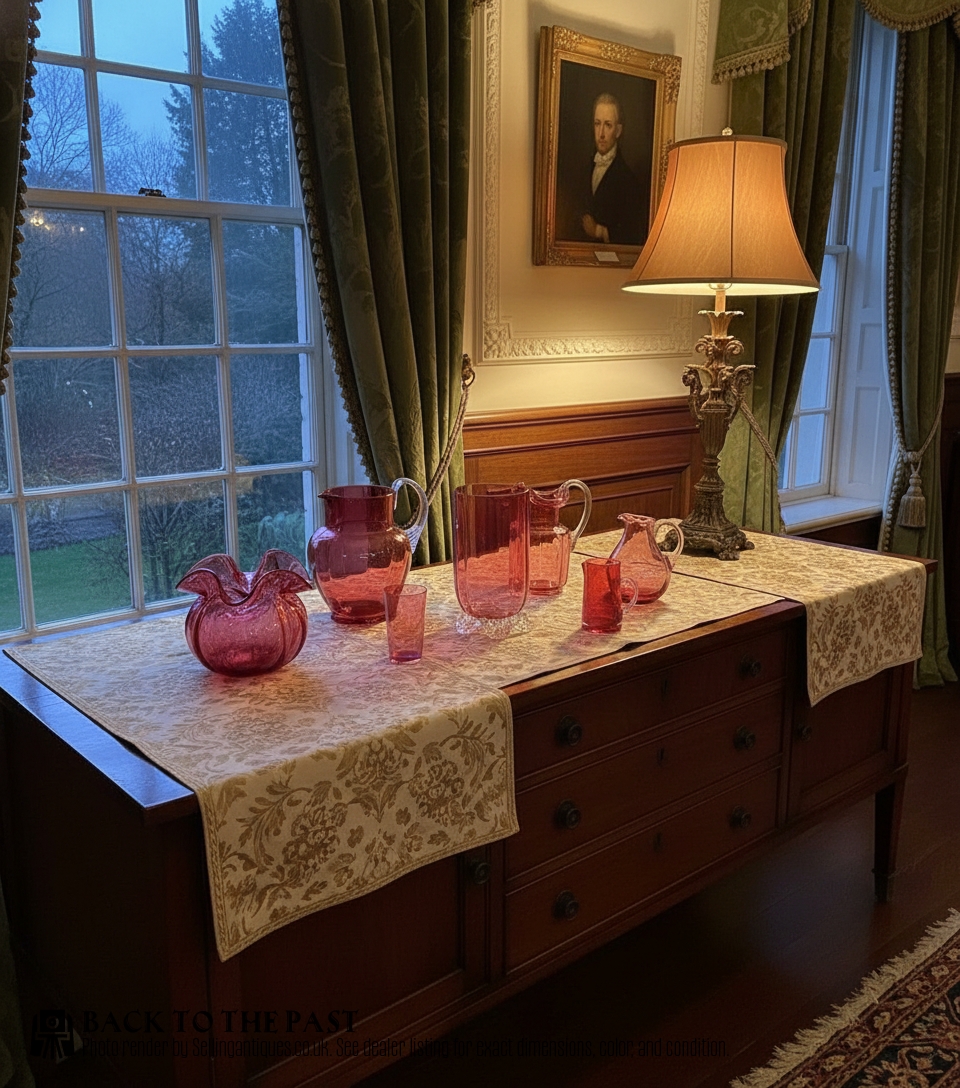
Victorian ruby glass encompasses a diverse array of decorative and functional objects produced during the nineteenth century. Buyers searching this phrase commonly encounter mantle lustres, scent bottles, decanters, drinking sets, and table bowls.
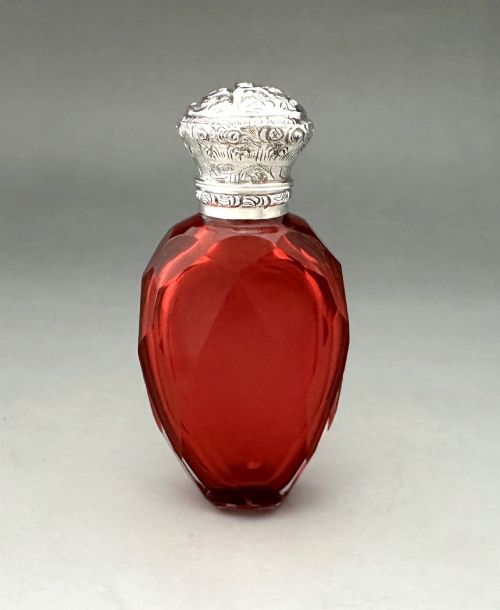
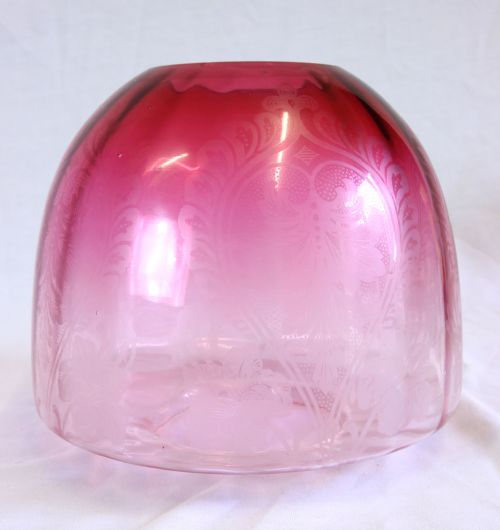
The material overlaps closely with cranberry glass in historical records, often appearing in table settings, oil lamps, and mantelpiece displays. Lustres and scent bottles frequently incorporate silver mounts or cut-glass drops.
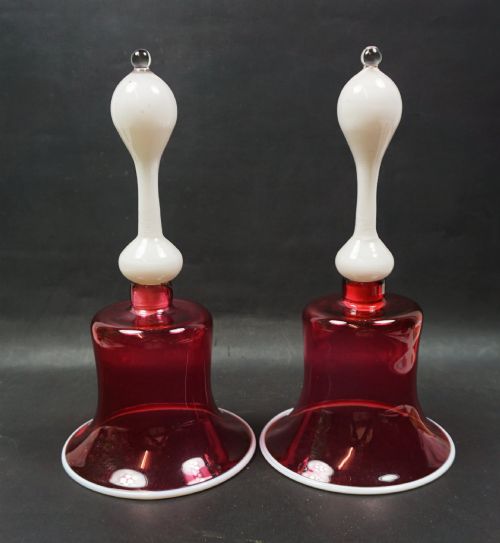
Originating largely from English and Bohemian workshops, these pieces range from miniature tankards and goblets to large serving vessels and finger bowls. The aesthetic leans heavily into rich, saturated red hues paired with gilding and enamel.
Materials and production methods
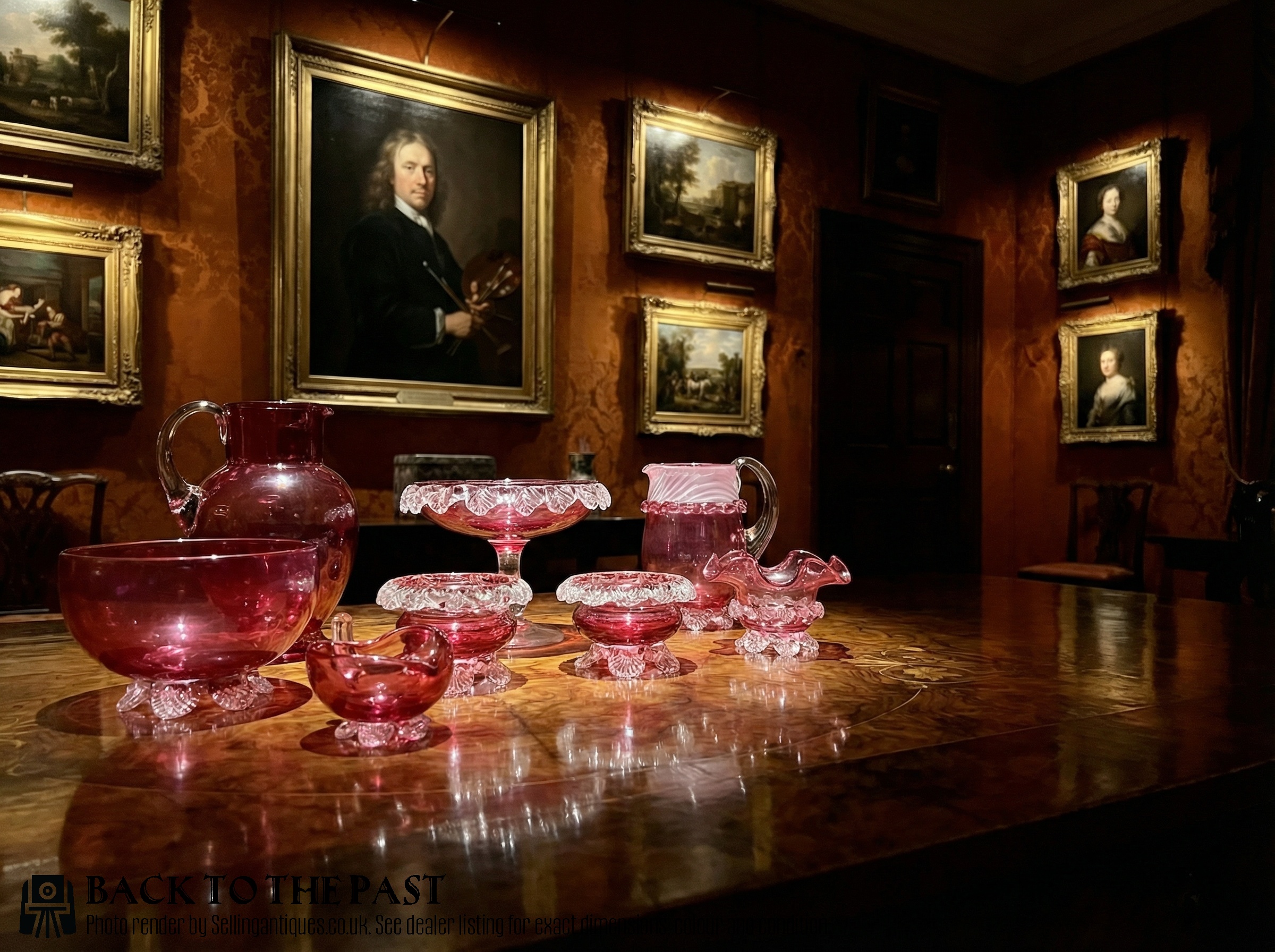
Glassmakers achieved the characteristic red coloration by adding gold or copper compounds to the molten batch during production. Lead crystal and clear glass formed the base for many overlay and flash-cut pieces.
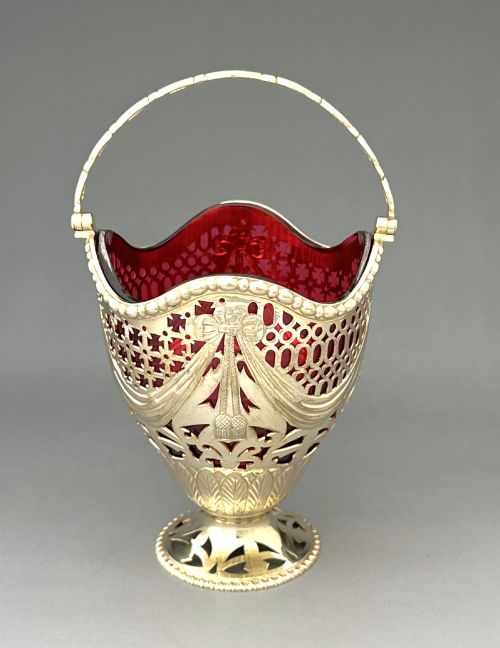
Artisans applied surface decoration through hand-enamelling, gilding with gold leaf, and intricate wheel-cutting. Many items were subsequently fitted with silver gilt, silver plate, or solid silver mounts produced by silversmiths.
Retail Price Guide 2026
Typical UK retail prices for victorian ruby glass, calculated from the Sellingantiques database of over a million retail prices indexed since 2003. This retail price guide relies exclusively on Sellingantiques data; no external sources or auction records are used, so the figures do not describe the wider market.
Victorian ladies carried double-ended scent bottles to revive themselves from tight corsets or unpleasant street odours.
Distinctions in craftsmanship
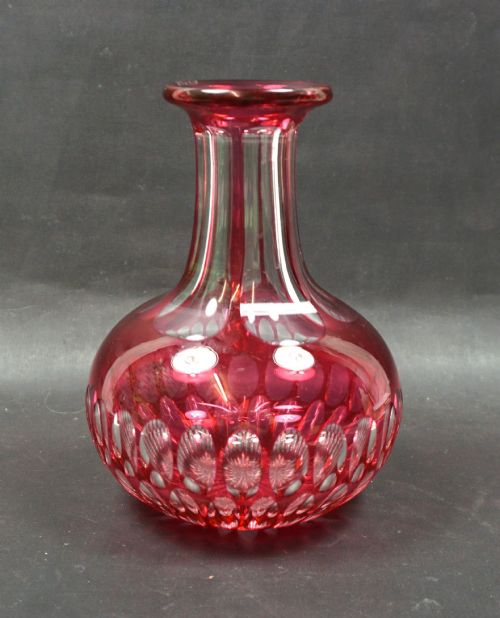
The refinement of the glass cutting and the precision of the flash-cut overlay separate standard production from exceptional work. Sharp, deep facet cutting reveals the clear glass beneath the ruby layer with clean geometric contrast.
The integration of metalwork dictates quality where silver mounts or gilt hardware are present. Maker attribution, hand-painted enamel detail, and intact cut-glass pendant drops on lustres elevate specific examples.
Sampson Mordan·Synyer and Beddoes·George Brace
The Victorian Ruby Glass Glossary
- Ruby Glass
- A deep red glass coloured during manufacture by the addition of metallic salts or gold. It forms the primary material basis for this category of nineteenth century tableware and display items.
- Cranberry Glass
- A pinkish-red transparent glass closely related to ruby glass and frequently grouped with it in Victorian glassware collections. It shares similar production techniques involving gold oxide additives.
- Mantle Lustre
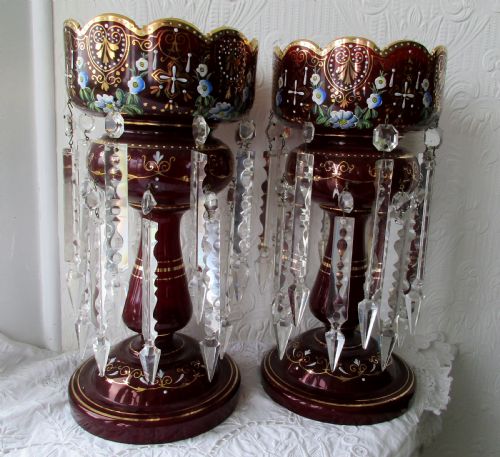
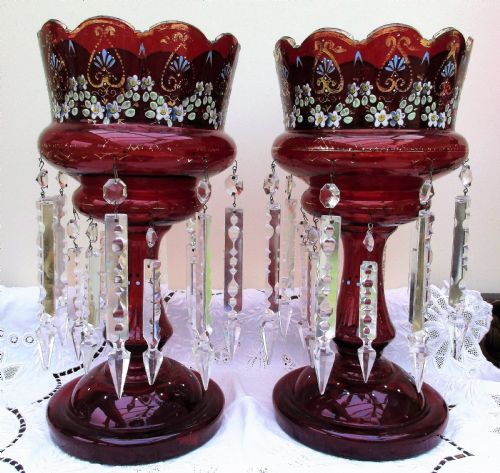
- A decorative tabletop ornament featuring a central vase or pedestal hung with cut-glass glass pendants. These pieces were designed to catch the flickering light of nineteenth century rooms.
- Flash-Cut
- A technique where a thin layer of ruby glass is applied over a clear glass body and partially cut away to reveal the contrasting colour underneath. This creates sharp patterns and depth in scent bottles and decanters.
- Vinaigrette
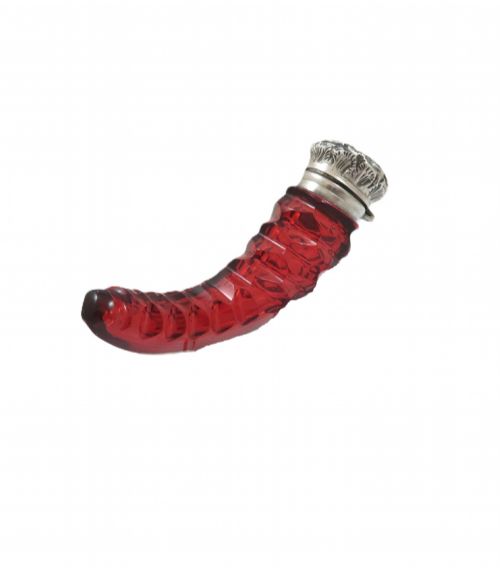
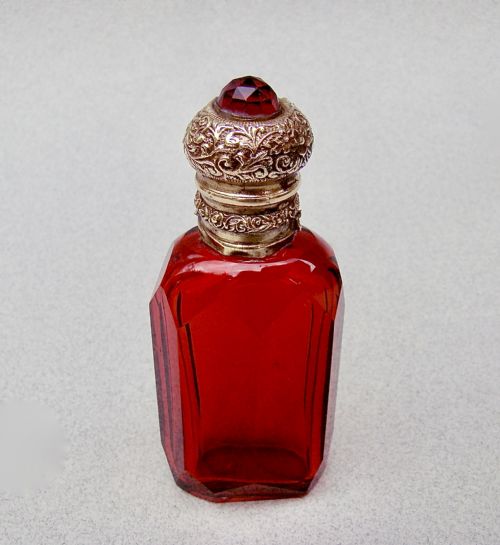
- A small ornamental container fitted with a pierced inner grille to hold a sponge soaked in aromatic vinegar. In this category, the small vessel is typically formed from ruby glass with a silver top.
Frequently Asked Questions
How do I clean antique ruby glass?
Wash pieces gently by hand using lukewarm water and mild soap. Avoid soaking items with silver mounts or delicate gold leaf and enamel decorations.
Dry immediately with a soft cloth to prevent water spots on the glass surface and protect any metallic elements from tarnishing.
Are ruby glass and cranberry glass the same?
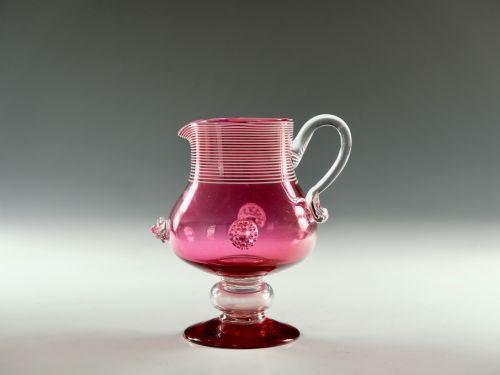
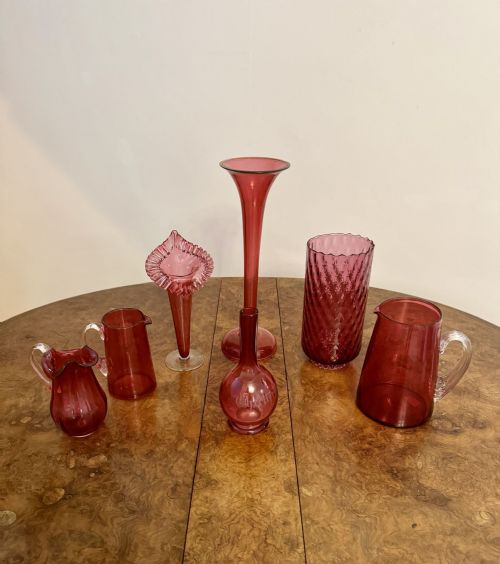
They are closely related types of nineteenth century red glassware produced using similar metallic colouring agents. Ruby glass tends to show a deeper, richer crimson tone.
Cranberry glass often presents a slightly lighter, pinker hue, though historical makers and modern collectors frequently use the terms interchangeably.
What is a mantle lustre used for?
Mantle lustres served as decorative garnitures placed on fireplace manthelves during the Victorian period. Their cut-glass drops refracted ambient light to brighten dimly lit rooms.
They were primarily ornamental display pieces rather than functional holders for candles or flowers, designed to project status and aesthetic refinement.
How do I identify a Victorian scent bottle?
Victorian scent bottles are compact pocket vessels, often featuring flash-cut ruby glass overlay paired with hinged silver or silver gilt caps. Double-ended variants opened at both top and bottom for different contents.
Many bear hallmarks indicating English assay offices and active nineteenth century silversmiths, confirming their period origin.