


Antique Glass Drinkware
If you are hunting for antique glass drinkware, you want pieces that bring genuine period weight and clarity to your table.
What antique glass drinkware is
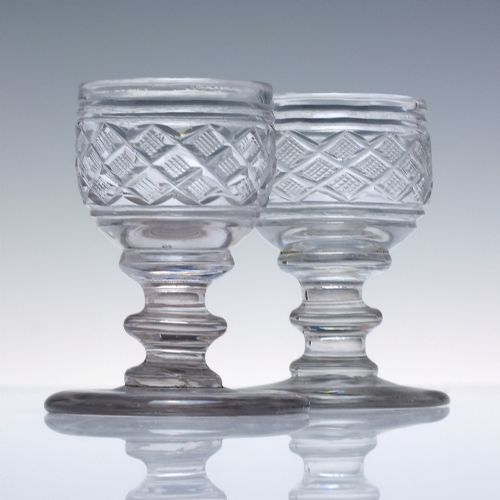
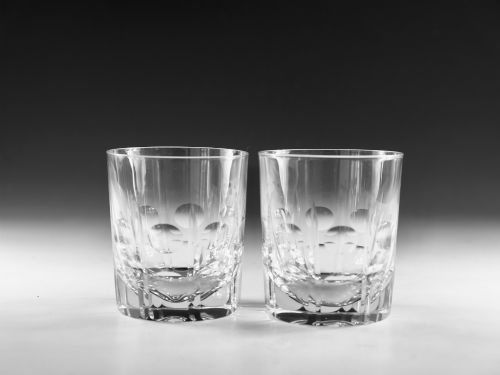
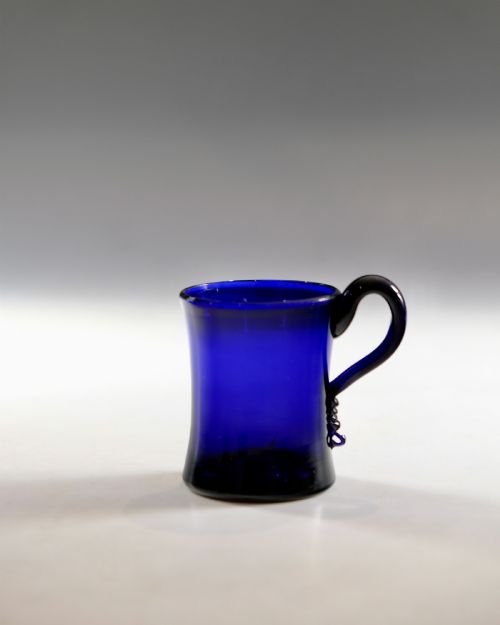
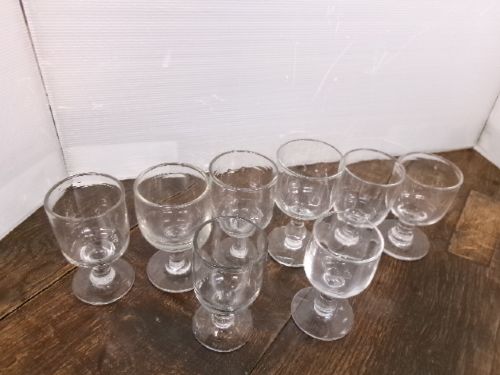
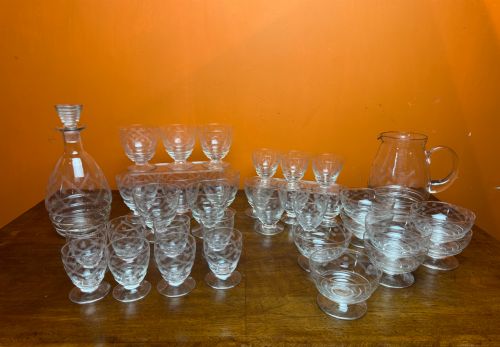
When you search antique glass drinkware, you are looking at functional vessels designed for serving and consuming beverages across past centuries. The selection on this page centres on forms from the Georgian and Victorian eras, alongside objects dated around eighteen hundred. You will most frequently encounter individual whisky glasses, dram glasses, decanters, and larger tableware sets.
The objects listed show the practical domestic habits of these periods, ranging from small dram glasses for spirits to heavy decanters for storage. These items reflect the transition of table service from formal dining rooms to social garden gatherings. Each surviving piece offers a tangible link to the drinking customs of nineteenth-century households.
How they were made
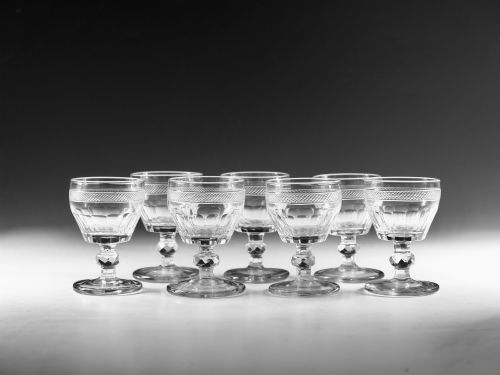
The pieces listed on this page utilise clear glass, lead crystal, and cut glass, often shaped through traditional glassblowing and hand-finishing techniques. Artisans achieved brilliance and weight in the material by incorporating lead oxide into the batch, creating the characteristic dense handle of quality crystal. Cutting wheels then applied geometric or linear facets directly onto the hardened surface.
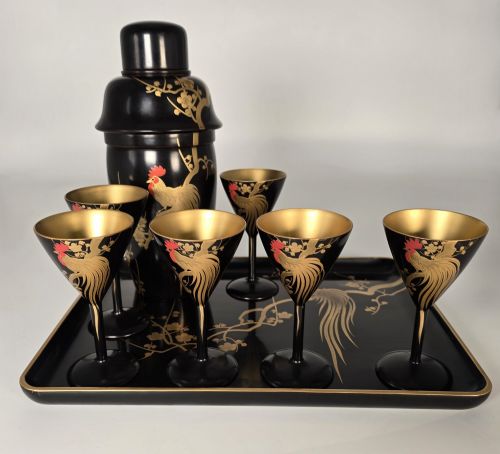
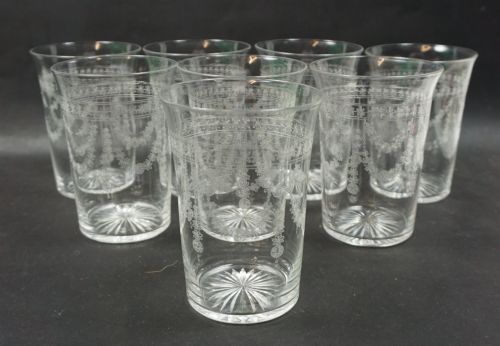
In addition to cut decoration, some items incorporate enamel work to introduce surface colour and pattern. The combination of blowing, moulding, and cutting required precise temperature control and skilled hand-manipulation by makers working in historical glasshouses.
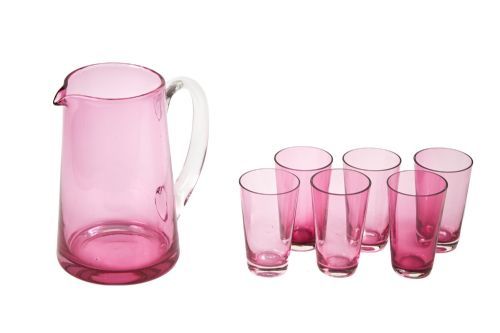
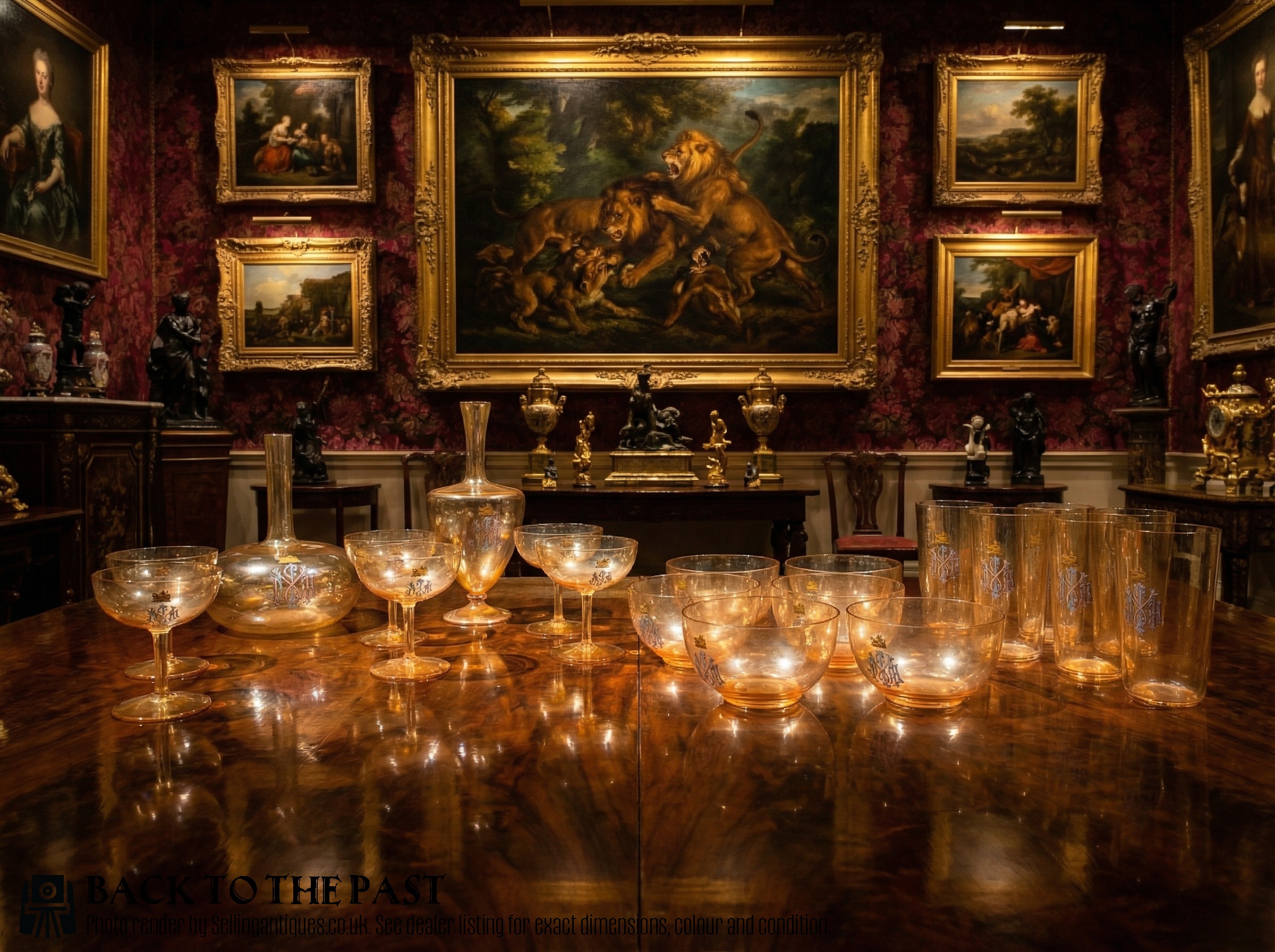
Summer garden party services survived centuries of toasts to sunshine.
What varies in quality
The distinction between standard and superior pieces rests on the crispness of the cutting and the purity of the metal. Finer examples display deep, sharp facets that catch the light cleanly, whereas lower-tier pieces often feature softer, shallower grinding. The weight and balance in the hand also indicate the density of the lead crystal and the skill of the original blower.
Design execution further separates the range, with superior items showing careful proportion and symmetry in their forms. The integration of decorative enamel or matched sets requires a higher level of workshop coordination. Collectors look for consistency across matched services and clarity within the glass body itself.
The Antique Glass Drinkware Glossary
- Lead crystal
- Glass containing lead oxide, which increases the weight, refractive index, and brilliance of the material. This composition allows for deeper and sharper cutting.
- Dram glass
- A small historical drinking vessel specifically intended for serving a small measure of spirits such as whisky. These glasses typically feature thick bases and simple or cut bowls.
- Decanter
- A stoppered glass bottle used for holding and serving wine or spirits. Period examples often feature heavy cut glass bodies and matching ground glass stoppers.
- Enamel
- Opaque vitreous material applied to the surface of glass and fired to create colourful decorative motifs. It adds a painted layer to otherwise clear or coloured vessels.
Frequently Asked Questions
What is a dram glass?
A dram glass is a small historical vessel designed for consuming a single measure of spirits like whisky. These compact glasses were common in Georgian and Victorian households.
Their sturdy form allowed for daily use during a time when spirits were frequently served in modest quantities. Collectors prize them for their surviving utility and tactile weight.
How do I identify Georgian glass?
Georgian glass typically displays deep hand-cut facets, heavier lead crystal composition, and subtle pontil marks on the base. The forms tend to reflect the classic proportions of the eighteenth and early nineteenth centuries.
Examining the clarity of the material and the sharpness of the cutting helps distinguish these early pieces from later reproductions. Natural wear marks on the underside further confirm their age.
Were decanters used every day?
Decanters served as both storage and serving vessels for wine and spirits in historical dining rooms. They protected the contents and allowed hosts to present drinks attractively at the table.
Heavier cut glass versions were built to withstand regular handling and refilling. Their matching stoppers kept the contents fresh between uses.