
Antique Spirit Carafe
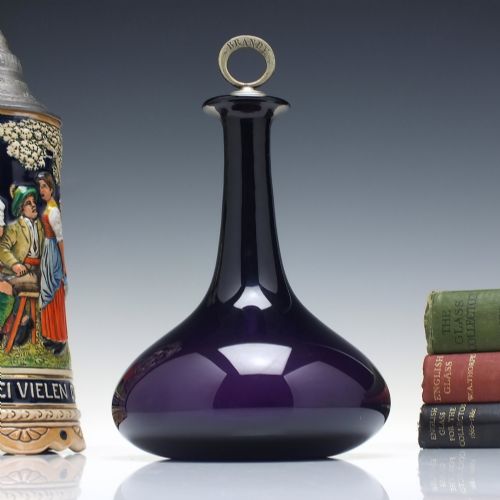
An antique spirit carafe brings nineteenth-century dining tables to life, holding fine liqueurs in heavy lead crystal and coloured glass.
Antique Spirit Carafe
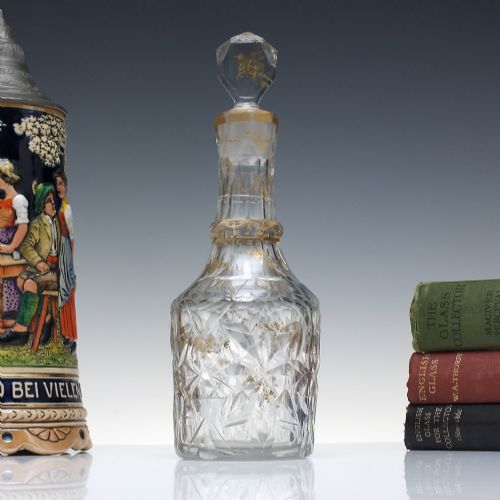
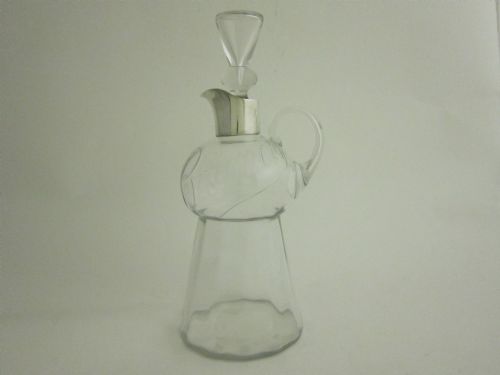
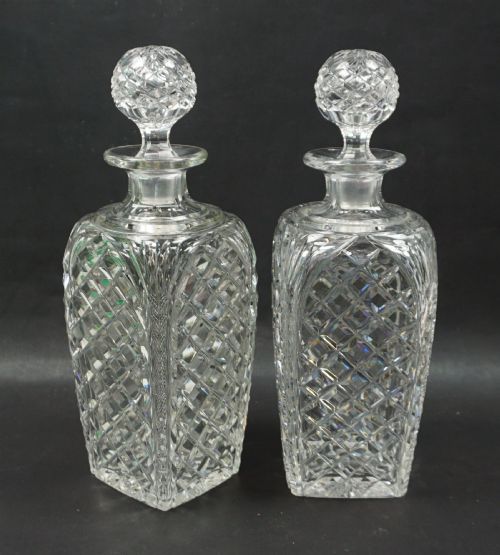
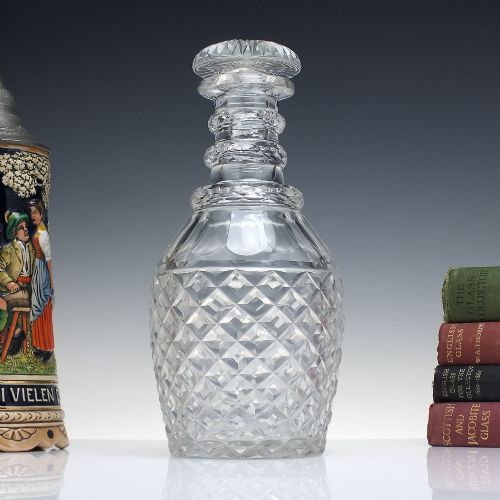
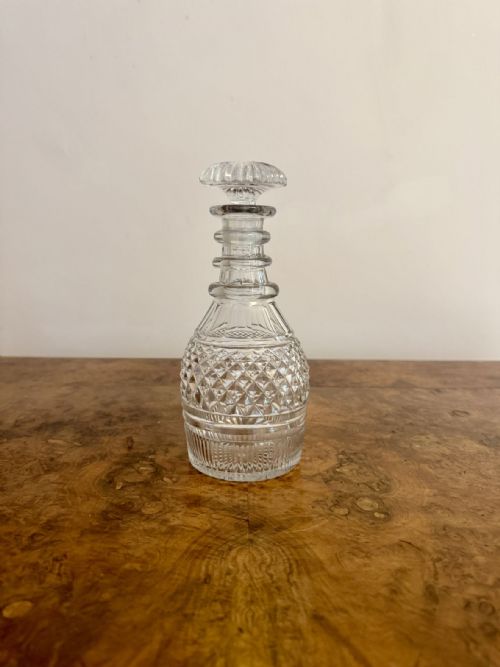
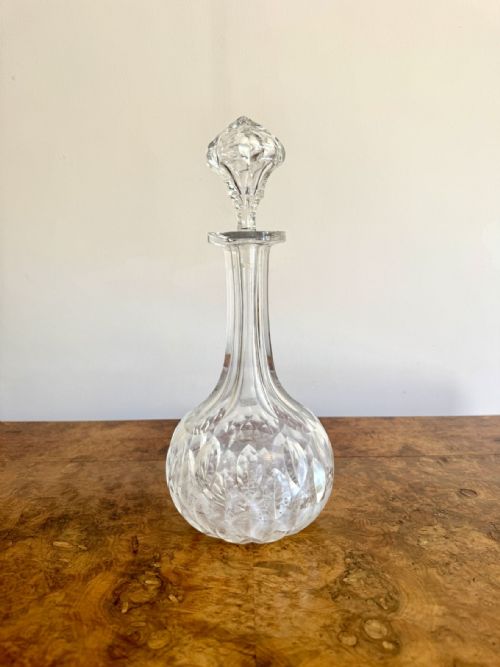
When you search for an antique spirit carafe, you encounter vessels designed for serving spirits and wine from the Georgian, Victorian and Edwardian eras. These pieces range from shaft and globe shapes to square section tapered decanters and bell forms, originating from English, Irish and Bohemian workshops.
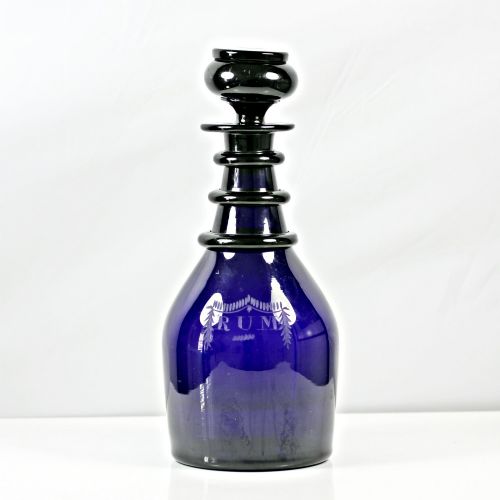
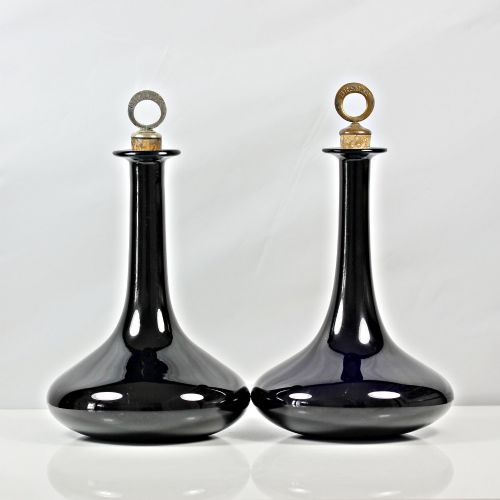
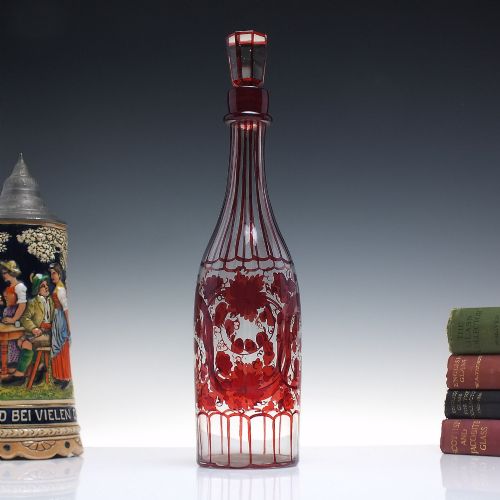
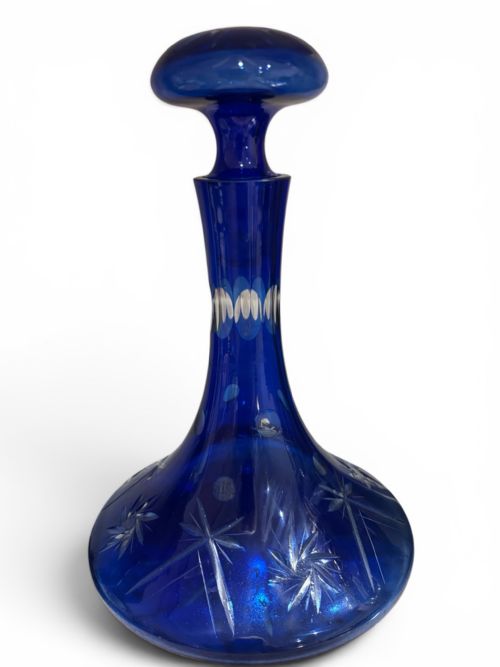
You are most likely to meet Edwardian cut glass examples alongside Victorian coloured glass bottles in shades of Bristol blue, ruby and amethyst. Earlier Georgian specimens appear less frequently, often featuring hand-painted details or engraved spirit labels like Madeira.
Materials and construction
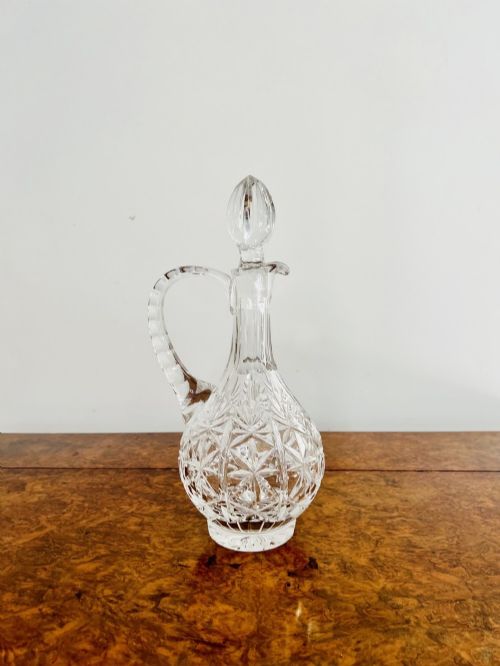
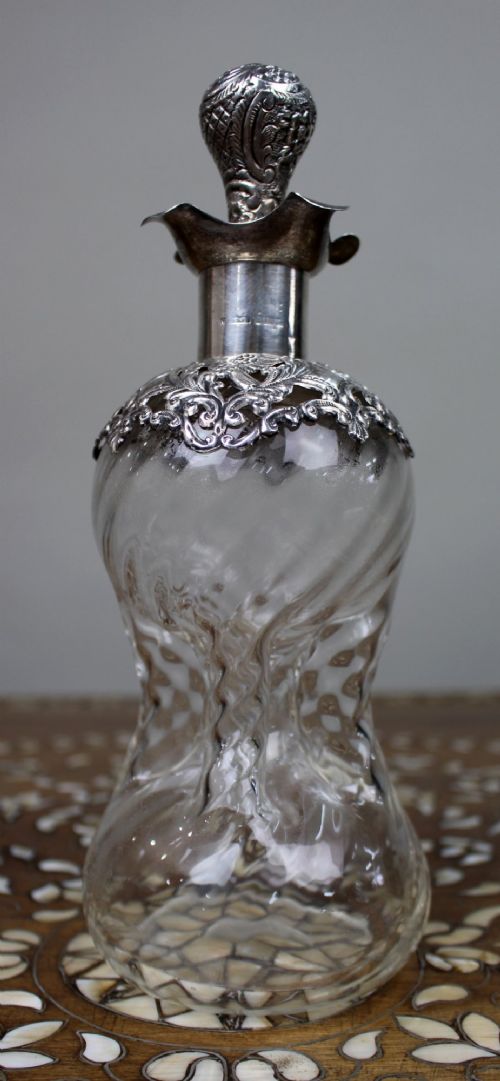
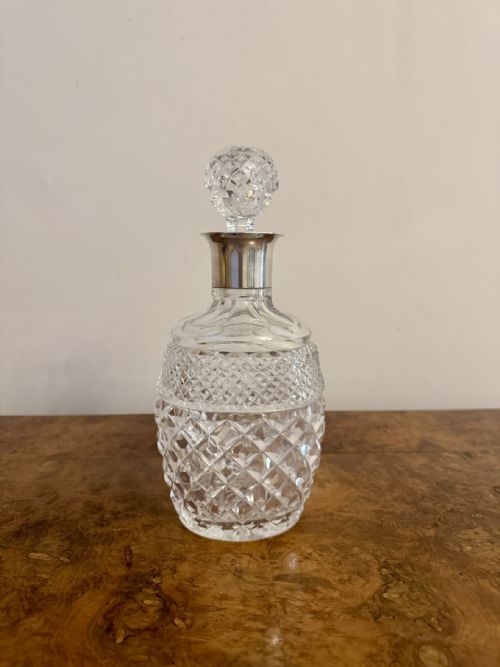
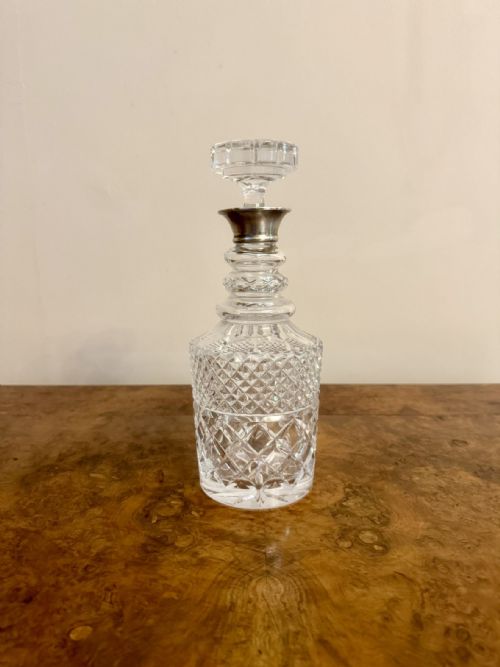
Maker utilise clear glass, cut crystal and heavy lead crystal, shaping vessels through blowing and deep wheel cutting to catch the light. Many pieces incorporate sterling silver collars, mounts or silver plate fitted securely around the neck.
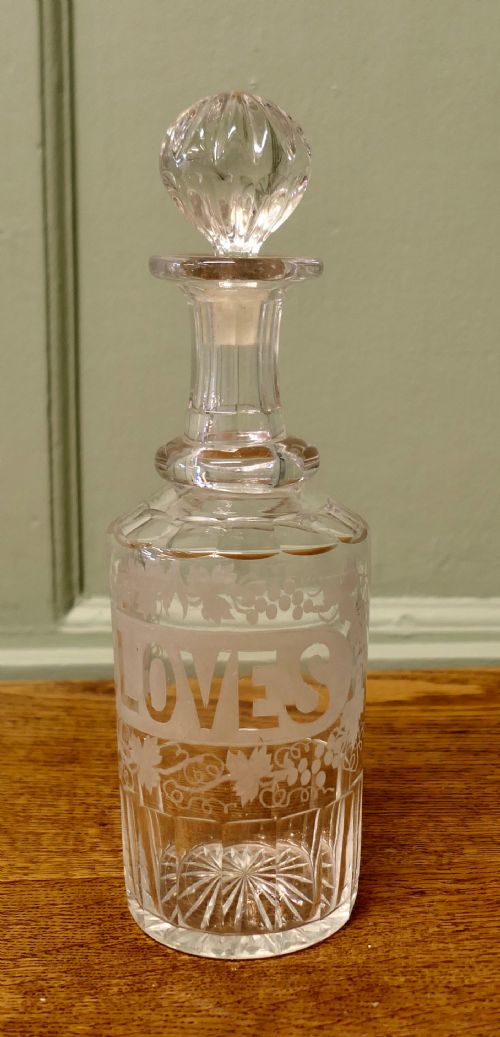
Decoration involves detailed wheel engraving, acid etching, and hand-painted enamel work as seen on Scottish whisky vessels and Bristol blue decanters. Coloured glass varieties achieve their rich tones through metallic oxides added during the melting process.
Antique Spirit Carafe Retail Price Guide 2026
Typical asking prices for spirit carafe among the pieces listed under this phrase on Sellingantiques today, from the lower quarter to the upper quarter. They describe what is for sale here now, not the wider market.
Certain nineteenth-century whisky decanters carry hand-painted labels specifically naming regional blends like pigeon blend.
Judging the work
The distinction between ordinary and superior pieces lies in the crispness of the glass cutting and the weight of the material. Heavy lead crystal with deep, sharp facets demonstrates greater skill than shallow moulding.
The integration of silver mounts, precise stoppers original to the vessel, and careful hand engraving separate standard serving bottles from exceptional collector pieces.
Atelier of James Giles·Stevens and Williams
The Antique Spirit Carafe Glossary
- Mell decanter
- A squat, mallet-shaped bottle popular during the eighteenth and nineteenth centuries for holding spirits on the dining table.
- Lead crystal
- Glass containing lead oxide, which increases brilliance, weight and workability for deep cutting.
- Sterling silver collar
- A silver band fitted around the neck of a decanter, often bearing hallmarks that date the metal mount.
- Bristol blue
- A deep cobalt blue glass traditionally produced in Bristol during the eighteenth and nineteenth centuries.
- Sugarloaf decanter
- A tall, tapered vessel resembling the conical shape in which refined sugar was sold historically.
Antique Spirit Carafe: Frequently Asked Questions
How do I date an antique spirit carafe?
Dating relies on the shape of the body, the depth of the glass cutting, and any associated silver hallmarks. Pontil marks on the base and the style of the stopper also provide clear chronological indicators.
Victorian pieces often display heavier moulded patterns or vibrant colours, whilst Georgian examples tend toward finer wheel engraving and distinct shoulder forms.
Are stoppers usually original?
Many vessels retain their matching original stoppers, ground to fit the specific neck by hand during manufacture. Matching number markings on the base and stopper confirm authenticity.
Replacement stoppers occur frequently due to accidental breakage over centuries of domestic use.
Can I use these for serving drinks?
These vessels function effectively for serving spirits and wine at the table today, provided the interior is cleaned with care. Heavy lead crystal handles liquor safely.
Harsh detergents and sudden temperature changes should be avoided to protect antique glass and silver mounts.
What causes cloudiness in old glass?
Residue from historical contents or moisture trapped over decades creates a milky film inside the bowl. Professional cleaning removes most mineral deposits without damaging the antique surface.
Storing carafes with the stopper removed prevents moisture buildup after washing.