


Mid 19th Century Glass
When exploring mid 19th century glass, buyers encounter lead crystal decanters, opaline vases, and cut tablewares shaped by Victorian and continental makers.
Mid 19th Century Glass
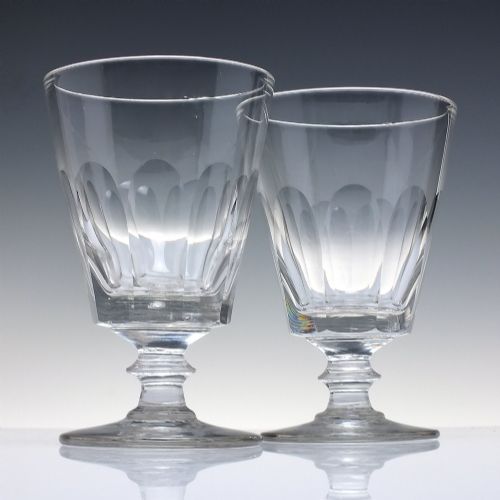
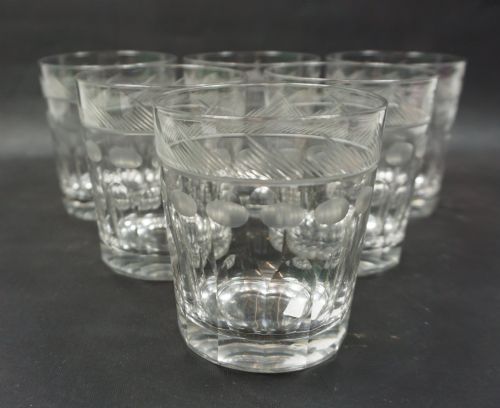
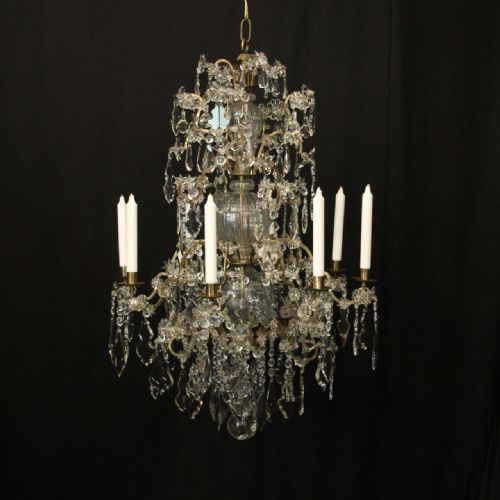
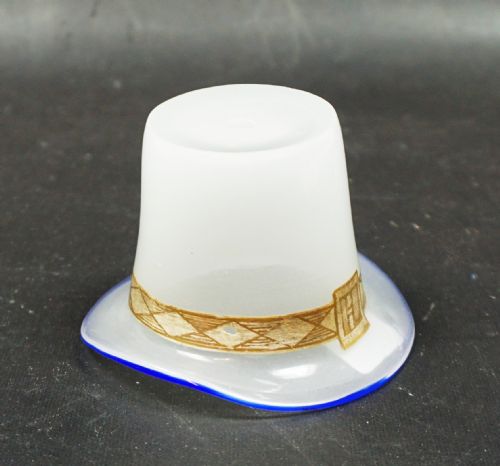
Mid 19th century glass encompasses a diverse array of domestic and decorative objects produced primarily during the Victorian era and the broader nineteenth century. Buyers searching this phrase most frequently encounter tableware such as wine glasses, tumblers, rummers, and decanters alongside decorative items like opaline vases, chandeliers, and scent bottles.
The selection ranges from utilitarian drinking vessels to elaborate, coloured glass pieces designed for display. English lead crystal sits alongside French opaline glass and Italian murrine creations, reflecting the varied output of mid-nineteenth-century European glasshouses.
Materials and production methods
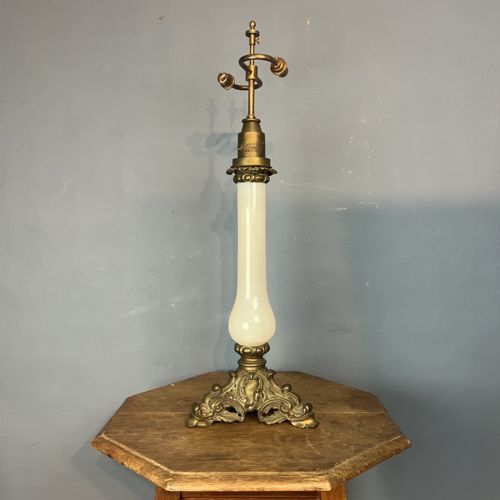
Makers utilised lead crystal, soda glass, milk glass, and coloured glass pastes, often combining the vitreous body with metal mounts in ormolu, brass, silver plating, or gilt bronze. Free-blowing, mould-blowing, and wheel-cutting formed the primary techniques for shaping vessels, while surface decoration included hand-painting, gilding, and acid-etching.
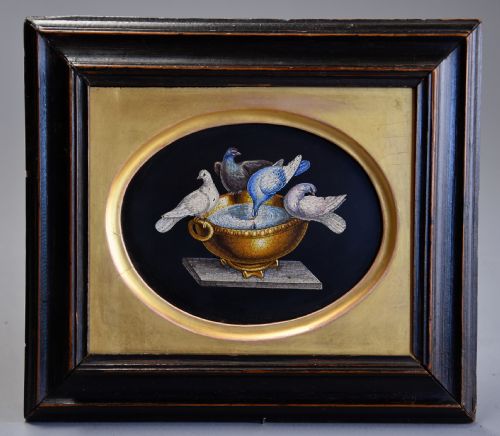
Complex pieces integrated structural elements such as brass collars, gilt bronze frames, and overlaid glass layers that were subsequently cut back to reveal contrasting colours beneath. Specialised treatments like latticinio threads and micromosaic inlays occasionally augmented the glass body.
Listings feature lead crystal, opaline glass, and soda glass formed into decanters, vases, and wine glasses across Victorian and 1850 to 1880 periods.
Distinctions in craftsmanship and condition
Quality in mid 19th century glass rests upon the clarity of the metal, the precision of wheel-cutting, and the crispness of applied gilding or enamel work. Superior items exhibit deep, clean facet cuts without surface ripple, perfectly balanced forms, and meticulous hand-finishing on secondary mounts.
Wear consistent with age appears on the polished pontil marks of quality tablewares, though excessive chips or dulling diminish the integrity of cut edges. The integration between glass components and brass or ormolu mounts indicates the original standard of assembly.
Franchini & Bigaglia·Mc Gary·Palmer·Richardson·Baccarat·Varnish
The Mid 19th Century Glass Glossary
- Lead crystal
- Glass containing lead oxide, which increases weight, brilliance, and refractive index. This material allowed for deep, sharp wheel-cutting.
- Opaline glass
- An opaque, pastel-coloured glass popular in France during the mid-nineteenth century. It was frequently moulded into vases, boxes, and lamps.
- Pontil mark
- The rough scar left on the base of a blown glass vessel where the pontil rod was detached. Ground and polished pontils generally indicate higher quality.
- Rummer
- A large, heavy-stemmed drinking glass used for ale, wine, or punch during the eighteenth and nineteenth centuries. They often feature engraved or cut decoration.
- Latticinio
- A decorative glass technique utilising fine white or coloured glass threads embedded within clear glass. It creates delicate network patterns across the object.
- Overlay
- A method of casing one layer of coloured glass over another contrasting layer. Subsequent cutting removes parts of the outer layer to expose the colour underneath.
Mid 19th Century Glass: Frequently Asked Questions
What is mid 19th century glass?
Mid 19th century glass refers to tableware, lighting, and decorative items produced around the middle decades of the nineteenth century. This category includes lead crystal decanters, opaline vases, and coloured wine glasses.
Items from this period reflect the craftsmanship of English, French, and Italian glasshouses working in Victorian and revivalist styles.
How do I identify a Victorian decanter?
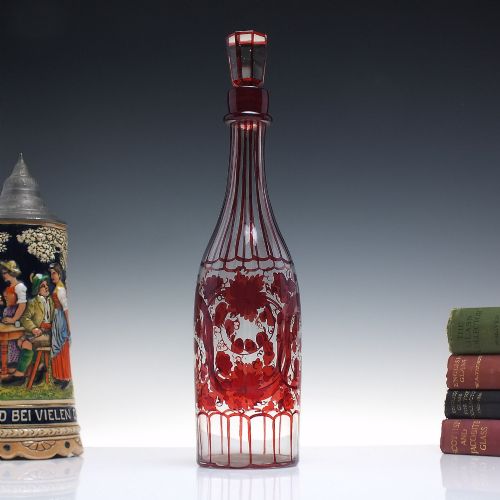
Victorian decanters typically feature heavy lead crystal bodies with deep wheel-cut flutes, geometric patterns, or engraved foliage. Matching stoppers and polished pontil marks on the base are common indicators.
Colour variations such as ruby overlay, amethyst, and deep green frequently appear alongside traditional clear crystal examples.
Where were opaline glass pieces made?
Opaline glass production centred largely in France during the mid-nineteenth century, yielding translucent pastel vases, lamps, and dressing table accessories. These pieces often incorporated gilt brass mounts or hand-painted enamel details.
English manufacturers also produced opaline wares, though French examples dominate the surviving record.
How should I clean antique glass?
Antique glass requires gentle hand washing in lukewarm water with mild detergent to preserve fragile gilding and surface decoration. Avoid abrasive sponges and harsh chemical cleaners that can scratch the soft metal or dull the glass surface.
Dry the pieces promptly with a lint-free cloth, taking particular care with items featuring joined metal mounts or painted elements.