
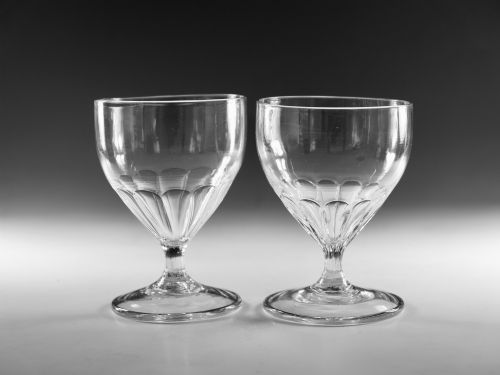
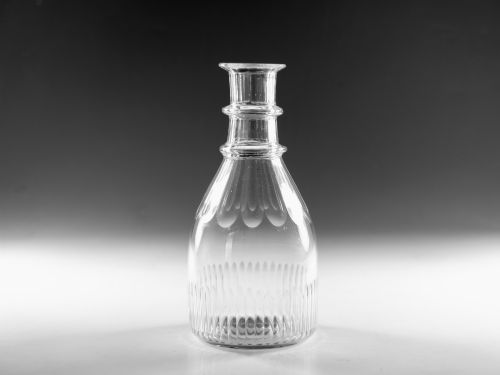
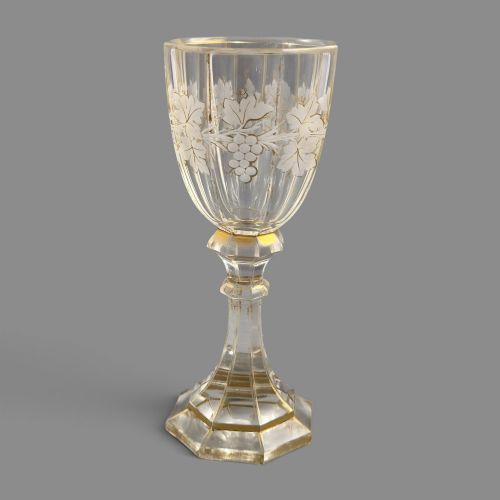
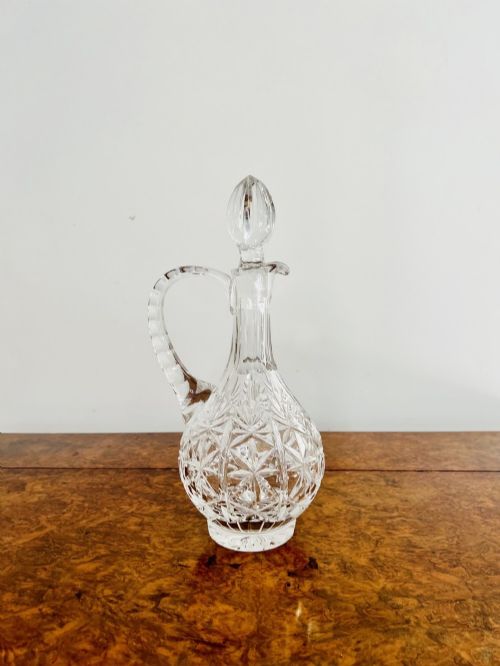
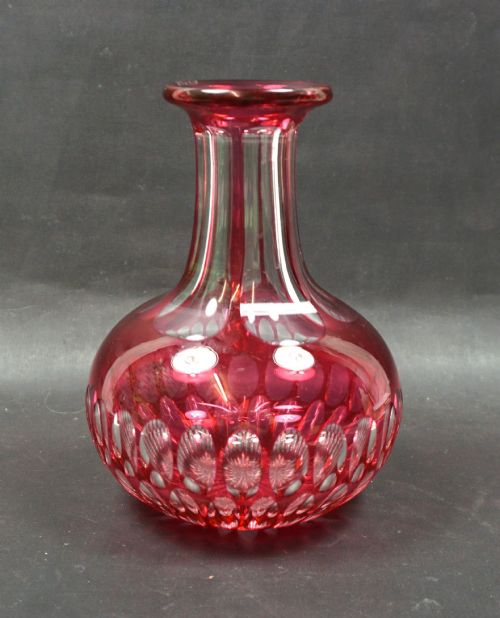
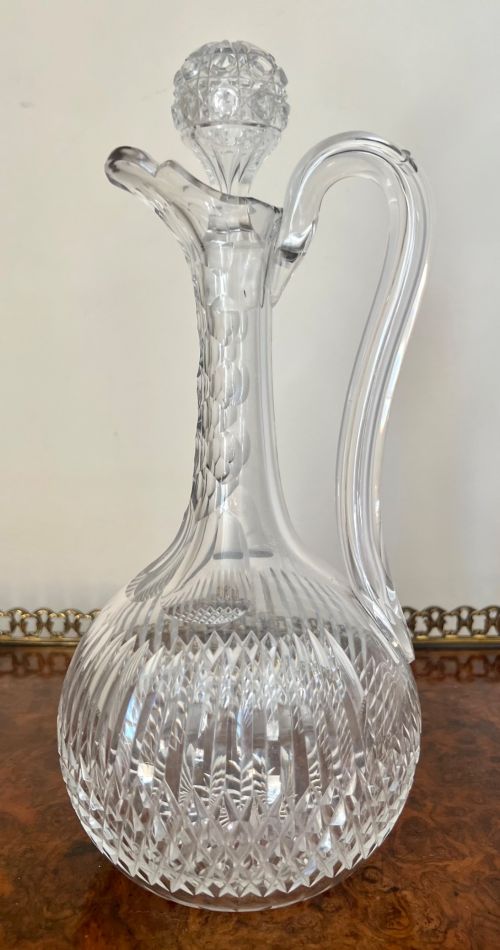
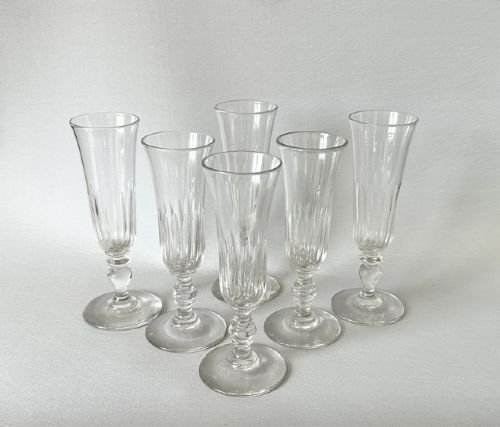

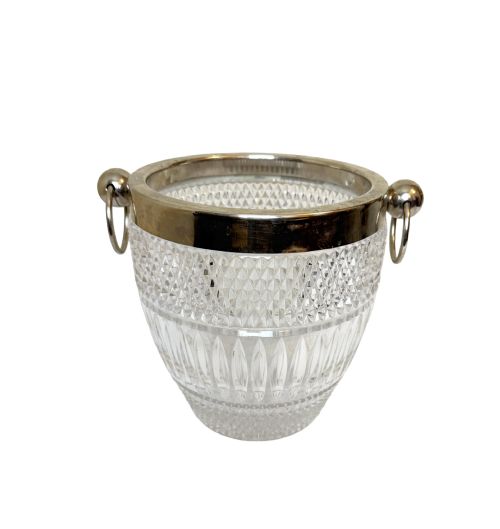
Cut Crystal Wine Glass
A cut crystal wine glass brings genuine weight and sharp brilliance to the table, uniting Georgian restraint with Victorian decoration.
Identifying a cut crystal wine glass
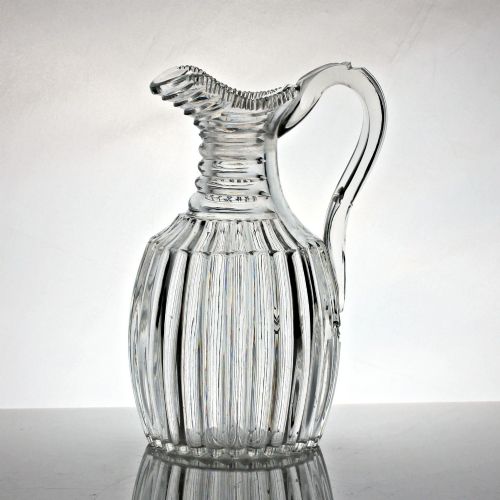
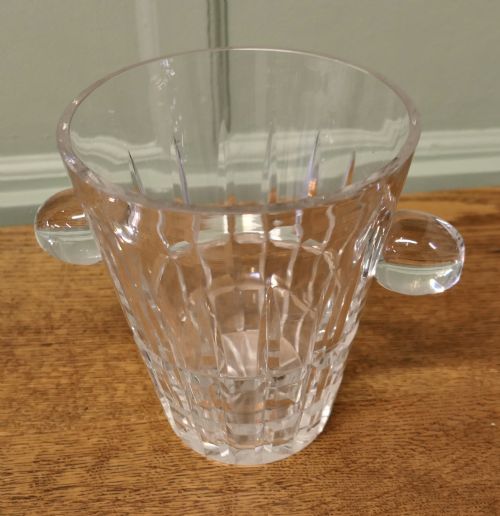
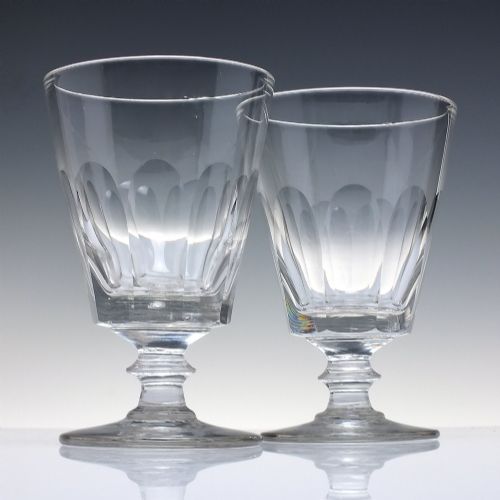
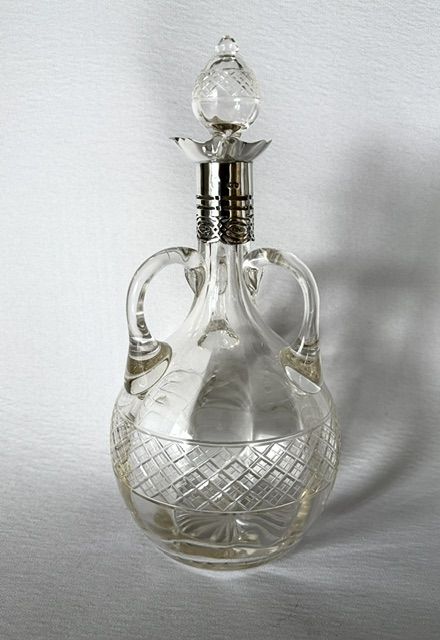
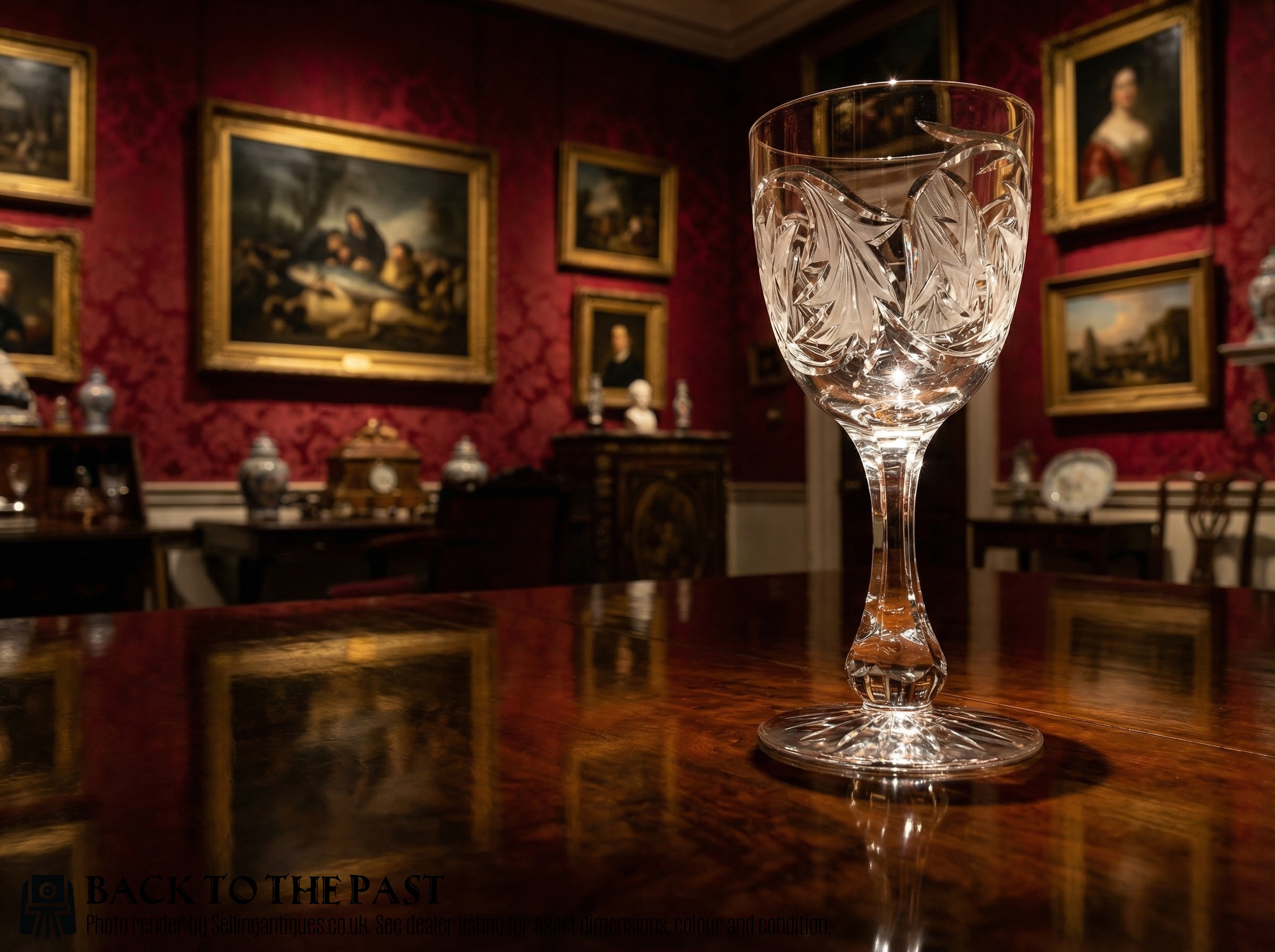
A cut crystal wine glass represents centuries of drinking vessel design, spanning 18th Century, Georgian, 1850, and 1870 periods. These pieces include various glassware forms such as wine glasses, rummers, and goblets.
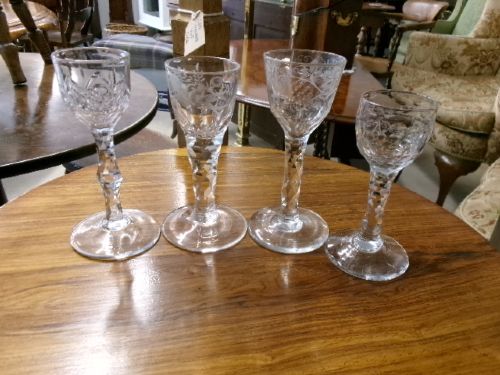
The objects combine clear glass, cut glass, lead glass, and lead crystal materials shaped through Georgian and Victorian styles. Buyers encounter everything from curved bucket bowl forms to facet stem examples.
Materials and construction
Makers utilised lead crystal, clear glass, and lead glass, relying on heavy metal content to achieve high refractive index and clarity. This heavy metal composition allowed artisans to cut deep facets without compromising structural integrity.
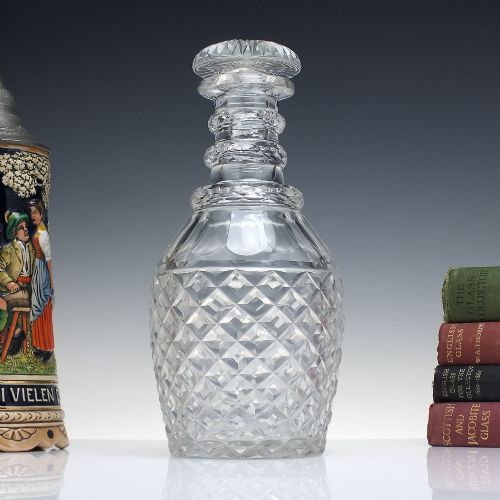
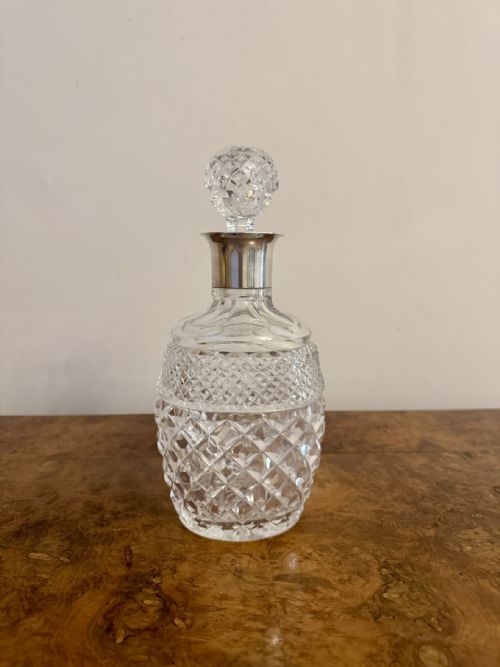
Craftsmen applied surface cutting and engraving techniques to blank vessels, forming geometric patterns, flutes, and frosted designs across the bowl and stem.
Listings feature lead crystal, clear glass, and cut glass across 18th Century, Georgian, 1850, and 1870 periods.
Judging quality in cut crystal
Quality rests upon the crispness of the cutting and the weight of the metal. Sharp, defined edges on facets indicate superior wheel work, whereas soft or rounded cuts suggest hurried finishing.
Proportion and clarity separate standard examples from finer ones. A well-balanced stem, free from internal cloudiness or heavy bubbles in the material, demonstrates higher workshop standards.
Saint Louis·Val Saint Lambert·Baccarat·Faberge·Waterford
The Cut Crystal Wine Glass Glossary
- Facet cut
- A surface decorated with multiple flat planes or panels ground into the glass. This technique increases light refraction and creates sparkle.
- Knopped stem
- A stem featuring a prominent knob or swelling. This structural element provides a secure grip.
- Bucket bowl
- A bowl shaped in the manner of a straight-sided bucket with a slightly flared rim. This form appears frequently on 18th Century vessels.
- Rummer
- A large, heavy drinking glass used for wine or ale. These vessels typically feature short, sturdy stems.
Frequently Asked Questions
How do I date an old wine glass?
Dating relies on observing form, pontil marks, and the style of cutting. Georgian pieces often display different bowl proportions and knopped stems compared to later Victorian items.
Material composition also assists in attribution, as lead content and glass colour shift across the 18th Century, 1850, and 1870 periods.
Are these glasses safe for daily use?
These pieces function adequately for drinking, though older lead crystal requires careful handling. Hand washing prevents thermal shock and protects delicate rims from damage.
Avoiding harsh detergents preserves the brilliance of the cut surface over time.
What is the difference between glass and crystal?
Crystal contains added lead oxide, which increases weight, brilliance, and softness for cutting. This material allows artisans to produce sharper facets than standard soda-lime glass.
Lead glass also rings when struck gently, a characteristic often used to test composition.
Why do some glasses have pontil marks?
A pontil mark shows where the glassmaker held the vessel with a rod during manufacturing before snapping it off. Older pieces frequently retain this rough or ground scar underneath the base.
Its presence confirms traditional hand-blown production methods rather than modern machine moulding.