

Victorian Wine Glass
A victorian wine glass brings rich colour, hand-blown weight, and distinct nineteenth-century character to the table.
Victorian Wine Glass
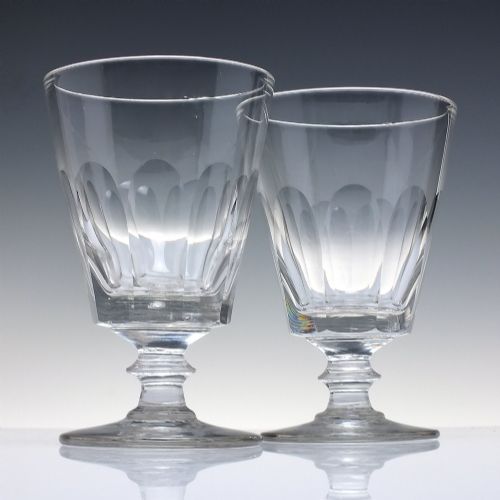
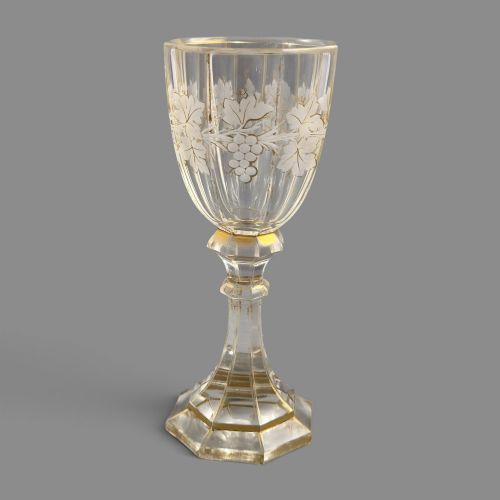
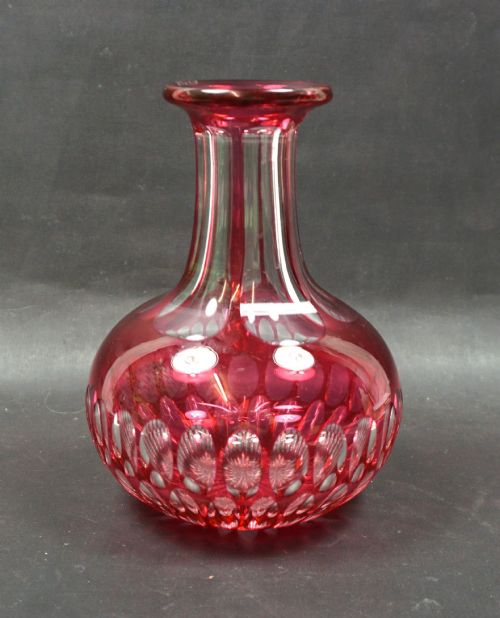
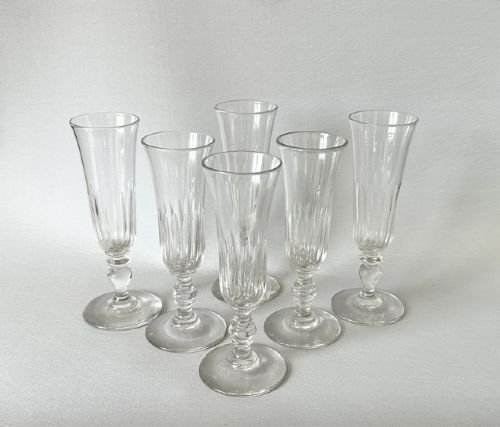
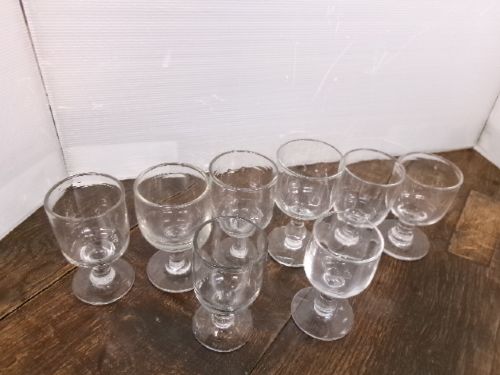
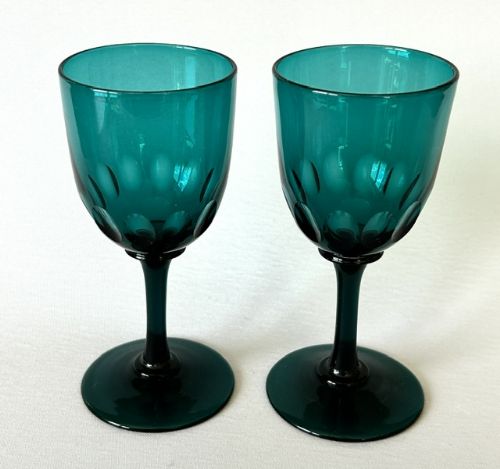
A victorian wine glass encompasses small dessert wine vessels, tall stemware, and richly coloured bowls produced throughout the nineteenth century. The examples most frequently encountered on this page feature vibrant cranberry, green, or cobalt bowls paired with clear stems.
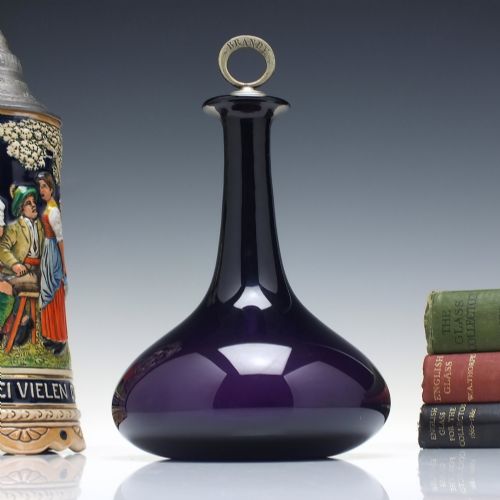
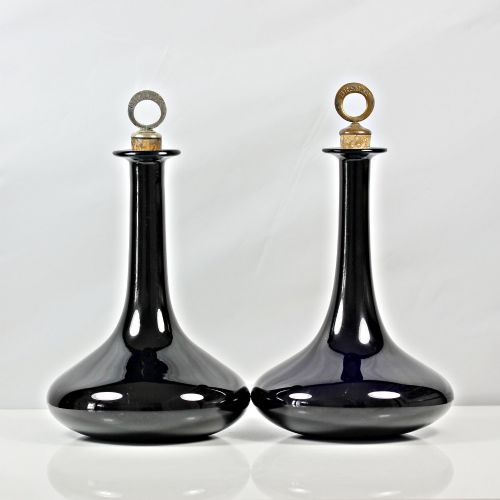
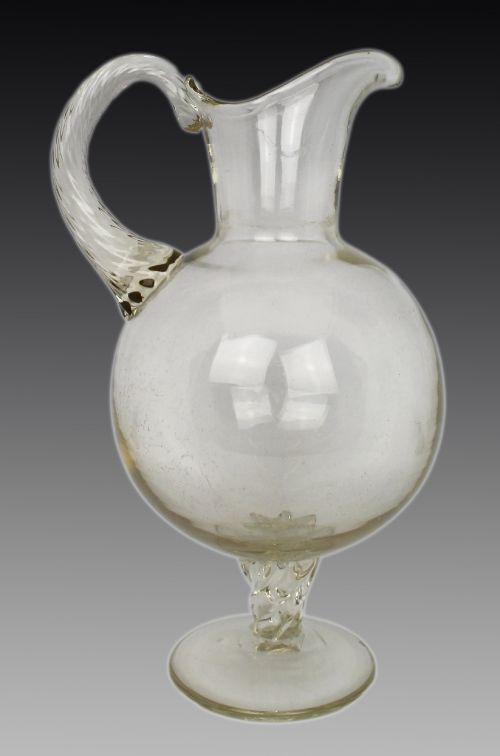
Beyond standard stemware, related forms such as rummers, decanters, and carafes appear frequently within the records. Collectors often assemble harlequin sets or matched pairs spanning the decades from eighteen-forty to nineteen-hundred.
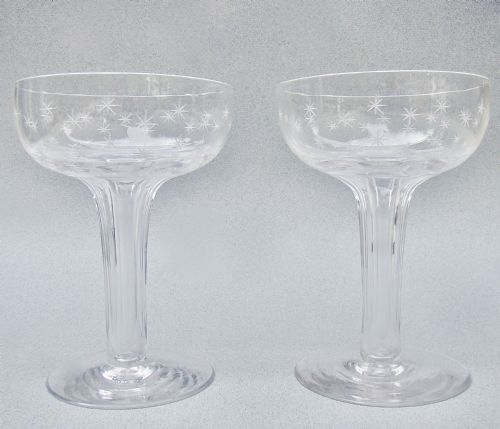
The aesthetic ranges from plain Bristol blue buckets to heavily engraved or star-etched surfaces. Pieces reflect the domestic dining habits of the period, from casual family meals to formal gatherings.
Manufacture and Materials
Makers utilised lead crystal, cranberry glass, and coloured glass pastes blown by hand into moulds or shaped freely by the glassblower. Coloured effects often involved casing layers of different glass hues together before wheel-cutting.
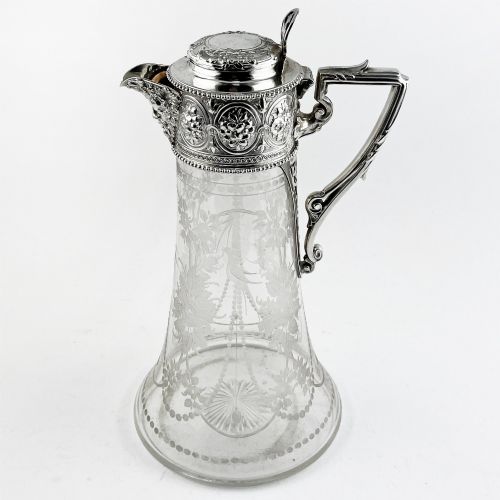
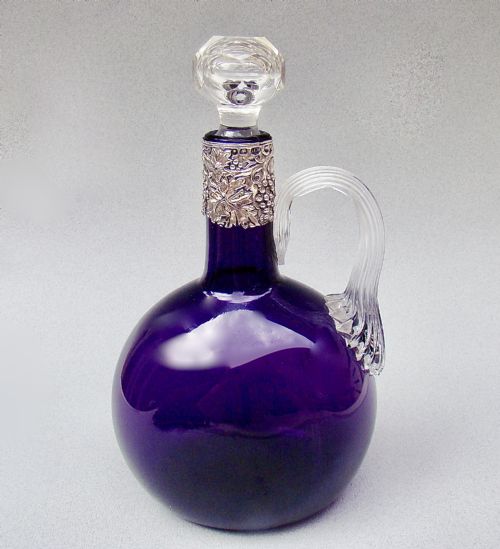
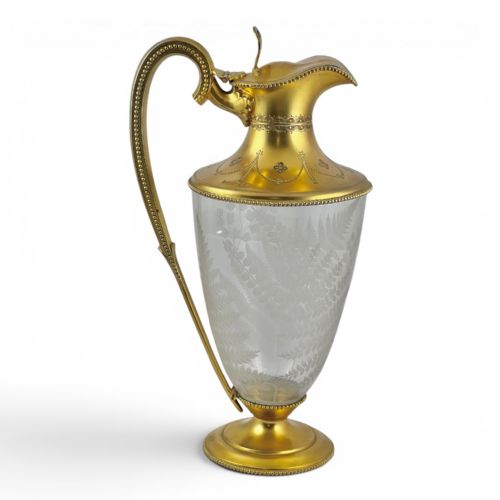
Decoration relied on skilled hand-engraving, wheel-cutting, gilding, and enamel painting applied to the cooled vessel. Silver mounts and sterling silver handles were frequently added by silversmiths to jugs and decanters.
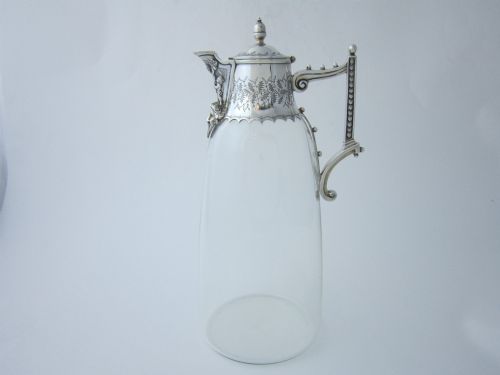
The inventory records numerous functional serving forms, including decanters, carafes, and claret jugs mounted in sterling silver and silver plate.
Quality Variations
Superior items display crisp wheel-engraving, deep consistent colouration in the glass body, and balanced proportions in the stem and foot. Heavier lead crystal provides a clearer ring and greater weight compared to simpler utility glass.
The integration of metal mounts, such as silver or old Sheffield plate on related decanters and jugs, indicates finer workshops. Sets that remain entirely uniform or retain original gilding command greater appreciation.
Asprey and Co. Ltd·Henry Matthews·Moser Bohemian·Josphinenhutte
The Victorian Wine Glass Glossary
- Cranberry glass
- A rich red-pink transparent glass created by adding gold chloride to the molten batch. It became exceptionally popular for Victorian tablewares and wine services.
- Lead crystal
- Glass containing lead oxide which increases brilliance, weight, and the time available for cutting. It produces a clear bell-like tone when struck.
- Rummer
- A large, sturdy stemmed glass used for ale, wine, or punch during the eighteenth and nineteenth centuries. They often feature bucket bowls and thick supporting feet.
- Nailsea glass
- Glassware characterised by looped or splashed coloured filaments embedded in a contrasting background. The style originated in Somerset before spreading to other regions.
- Opaque twist
- A decorative stem formation enclosing white or coloured enamel threads twisted within the clear glass. It is commonly associated with eighteenth-century and early nineteenth-century drinking vessels.
Victorian Wine Glass: Frequently Asked Questions
Can I use these daily?
These vessels can certainly be used for dining if handled with appropriate care. Hand washing is essential since modern dishwashers damage antique surfaces.
Keep them away from rapid heat shifts and abrasive sponges. Storing them securely prevents rim chips on fragile stems.
How are different periods identified?
Style shifts, pontil marks, and metal fittings help distinguish the decade of manufacture. Earlier pieces often display rough pontil scars on the underside where the blowing iron was detached.
Colour preferences also evolved, with deep greens, amethysts, and cranberry tones dominating the middle and late Victorian decades.
What defines a harlequin set?
A harlequin set consists of individually varied glasses sharing a common form or colour palette rather than matching precisely. They reflect historical dining practices where households gathered mixed stemware over time.
Collectors appreciate these groupings for their visual diversity on the dining table. Each glass maintains its own distinct hand-blown individuality.