




Engraved Lead Crystal
Engraved lead crystal pieces combine heavy metal handle with wheel-cut decoration, spanning Georgian rummers to Edwardian decanters.
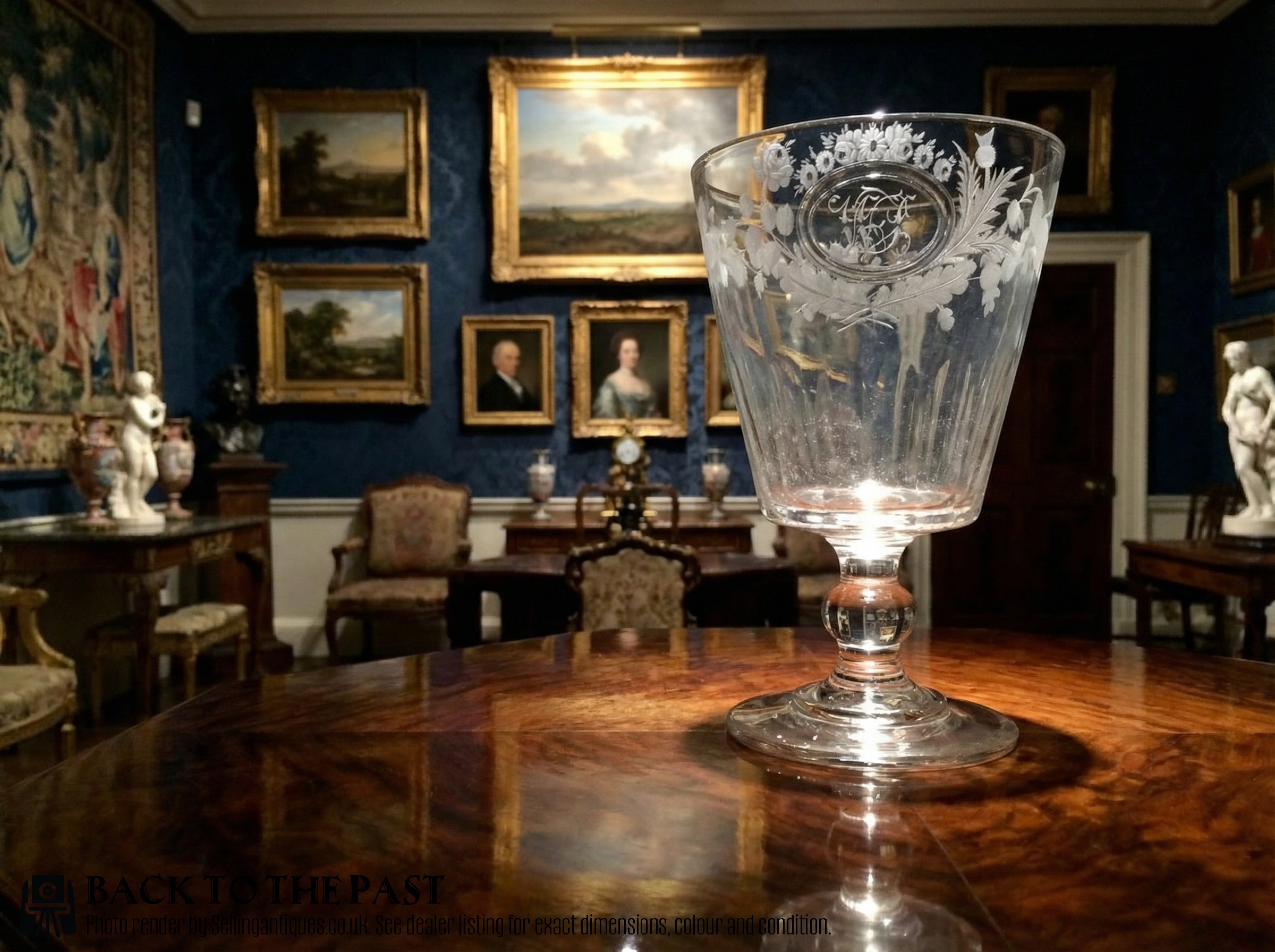
Engraved Lead Crystal
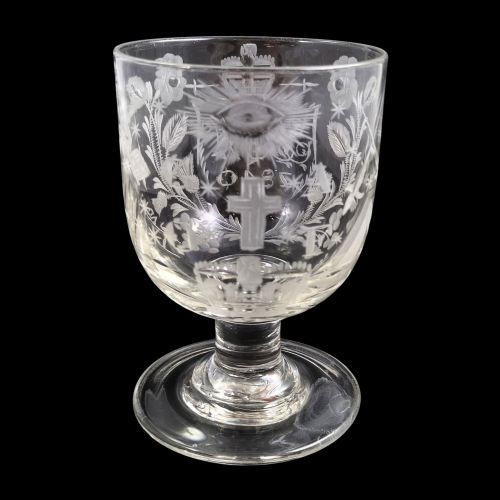
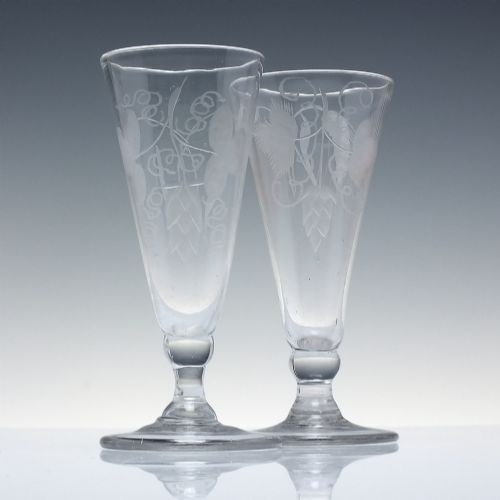
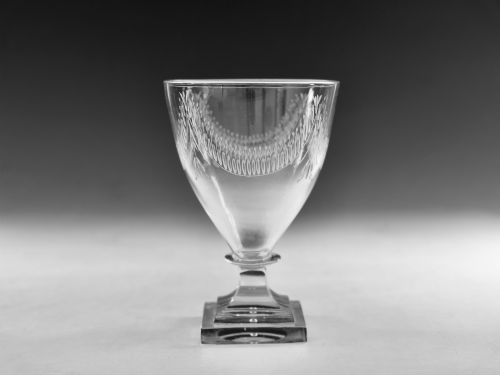
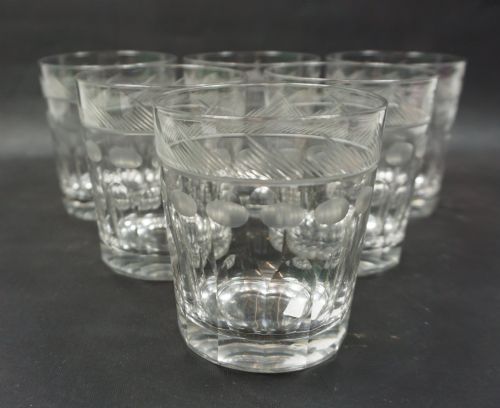
Engraved lead crystal covers drinking vessels, decanters, and table glass produced from the mid eighteenth century onwards. Buyers searching this phrase encounter drinking glasses, rummers, ale flutes, and decanters shaped by historic British makers.
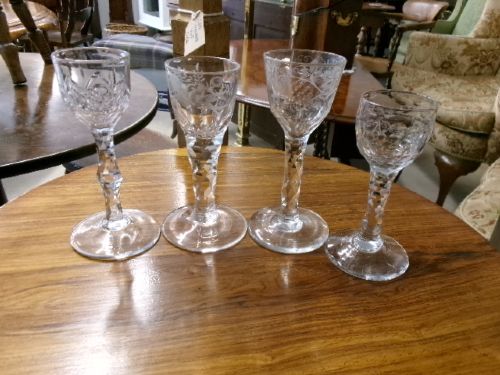
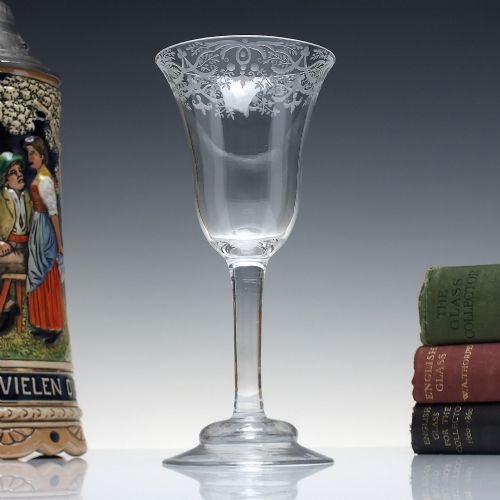
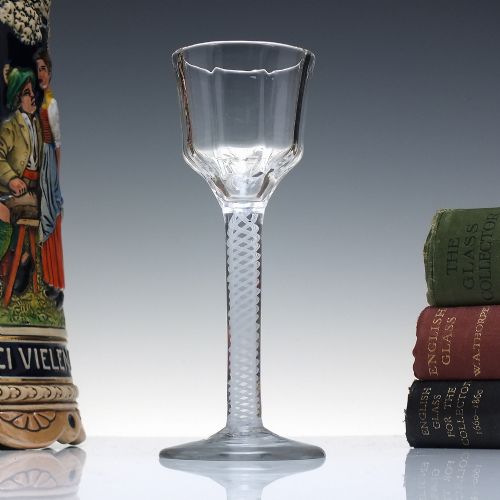
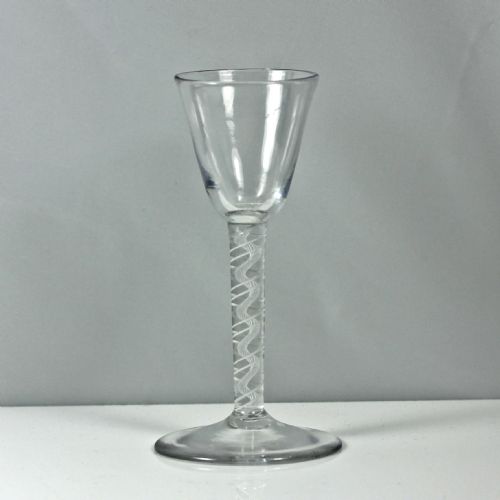
The dominant forms on this page stem from the Georgian and Victorian periods, featuring heavy metal weights and wheel-engraved motifs such as hops, barley, and armorial crests. Earlier examples include air twist and opaque twist wine glasses alongside Jacobite commemorative pieces.
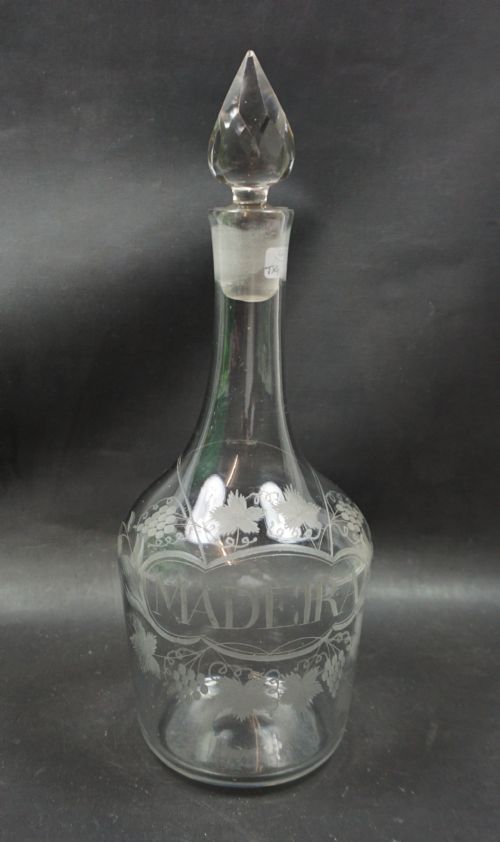
Later Victorian and Edwardian items shift towards cut lead crystal bowls, ewers, and spirit decanters labelled for brandy and whisky. These functional objects range from everyday tavern rummers to commemorative goblets bearing royal or political associations.
How they were made
Craftsmen shaped these items using lead glass, flint glass, and clear glass formulas melted in glasshouses, often incorporating heavy lead content to increase brilliance and weight. Artisans blew molten metal into moulds or free-blown vessels before applying optical blowing and nut moulding techniques.
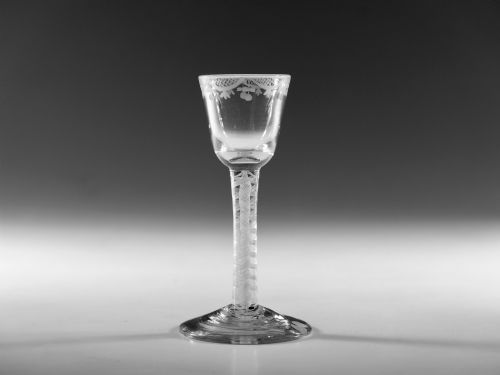
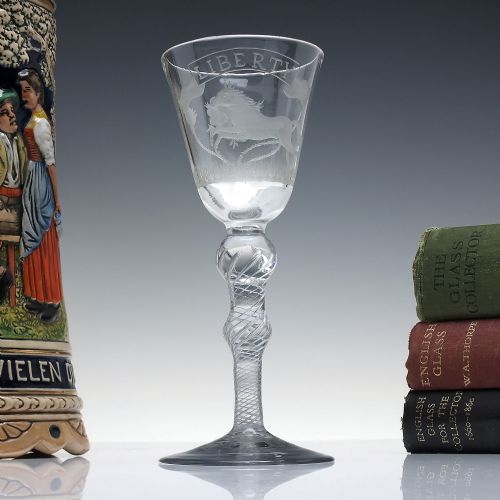
Decoration relied on copper wheel engraving, intaglio cutting, and diamond-point etching to incise detailed foliage, ships, and monograms into the cooled surface. Stemware incorporated complex internal structures including air twists, opaque twists, and facet-cut stems.
Listings feature lead crystal, flint glass, and opaque enamel across Georgian, Victorian, and Edwardian periods.
What varies in quality
Quality rests upon the crispness of the wheel engraving and the proportional balance of the vessel. Superior examples display deep, clean wheel cuts with sharp relief, whereas inferior items show shallow, blurred surface scratching.
The clarity and weight of the lead crystal establish the standard of the piece, with heavier metal and minimal internal bubbles representing superior production. Furthermore, historical significance, such as named commemoratives or armorial crests, elevates the standing of individual items.
James Powell
The Engraved Lead Crystal Glossary
- Rummer
- A large drinking glass used for wine, ale, or punch during the Georgian and Victorian eras. These heavy vessels often sat on square lemon squeezer bases.
- Air twist
- An internal decorative feature within a glass stem formed by elongated air bubbles drawn into a spiral. This technique appeared frequently on eighteenth-century wine glasses.
- Opaque twist
- A stem formation created by enclosing white or coloured enamel threads within clear glass to form spiral patterns. These threads formed single or double series strands.
- Intaglio
- A method of engraving where the design is carved into the surface of the glass rather than raised in relief. The technique created recessed details on nineteenth-century goblets.
- Facet cut
- Geometric surface cutting producing flat polished planes across stems, bowls, or bases. This finish caught candlelight in eighteenth and nineteenth-century dining rooms.
Engraved Lead Crystal: Frequently Asked Questions
What is an engraved lead crystal rummer?
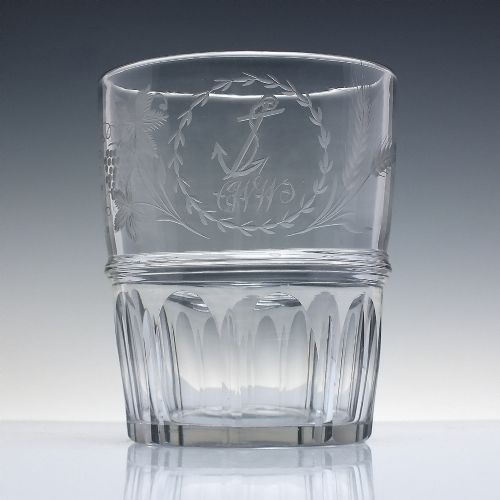
A rummer is a sturdy drinking glass designed for heavy daily use or tavern service during the Georgian and Victorian periods. They typically feature broad bowls and thick stems suited to ale, wine, and punch.
Engraved versions often display motifs of hops and barley, ships, or personal initials. Their substantial weight derives from the high lead content in the glass.
How do I date an antique engraved wine glass?
Dating relies on examining the form of the bowl, the construction of the stem, and the style of the foot. Eighteenth-century examples frequently utilise air twists, opaque twists, or plain stems.
Nineteenth-century pieces introduce facet-cut stems and heavier, more standardised foot designs. Engraved subject matter, such as Jacobite symbols or named historical events, also provides precise chronological markers.
What distinguishes flint glass from lead crystal?
Flint glass and lead crystal both utilise lead oxide to increase refractive index and heft, though historical terminology varied by region and period. Lead crystal typically denotes a higher purity and density of metal.
Both materials provided the clear, resonant canvas necessary for detailed wheel engraving. Over time, manufacturing standards shifted the primary terminology across British glasshouses.
How were Jacobite glasses used?
Jacobite glasses served as secret toast vessels for supporters of the exiled Stuart dynasty during the eighteenth century. Participants drank to the health of the king over the water while displaying encoded emblems.
Engraved symbols included roses, buds, and oak leaves denoting loyalty and covert sympathy. These pieces formed part of a clandestine network of commemorative tabletop glassware.