
Georgian Flint Glass
Georgian flint glass brings heavy, brilliant lead metal and crisp wheel-engraving to the table, offering tactile weight and historic charm.
Georgian Flint Glass
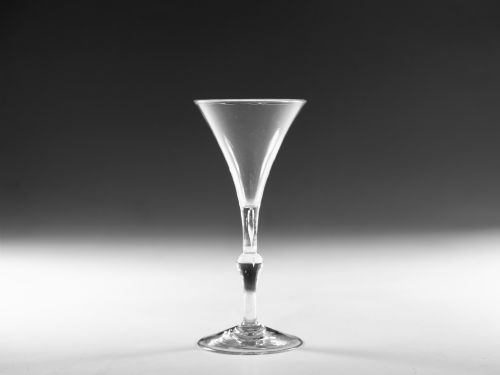
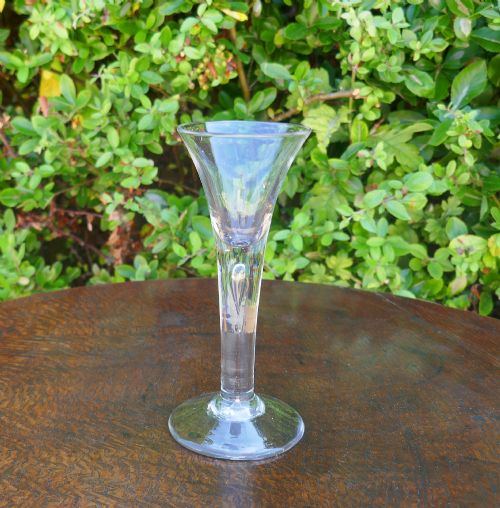
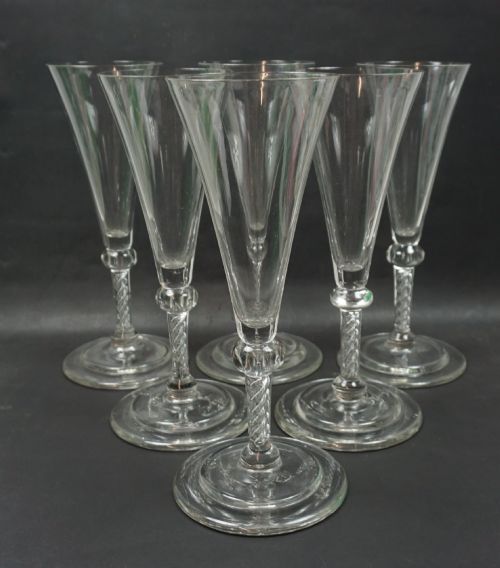
When someone searches for georgian flint glass, they encounter heavy domestic glassware designed for wine, ale, spirits, and sweetmeats. The selection centres heavily on eighteenth-century drinking vessels, specifically wine glasses featuring air twist, opaque twist, and baluster stems.
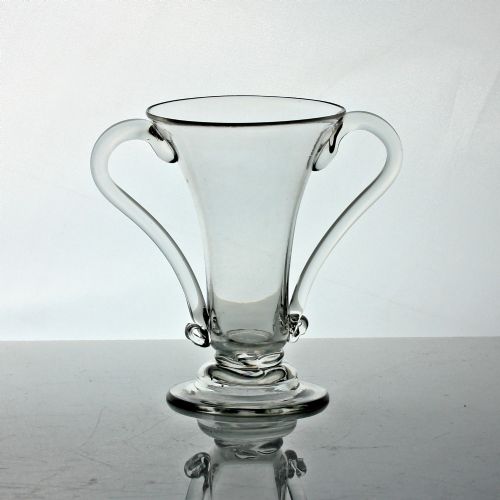
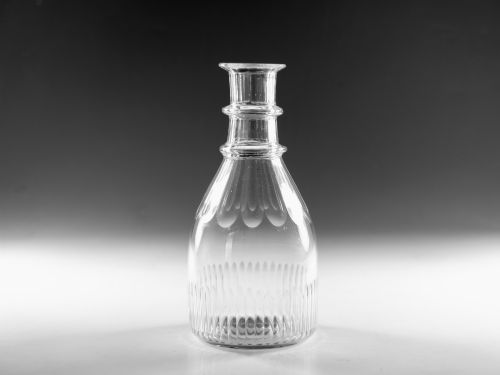
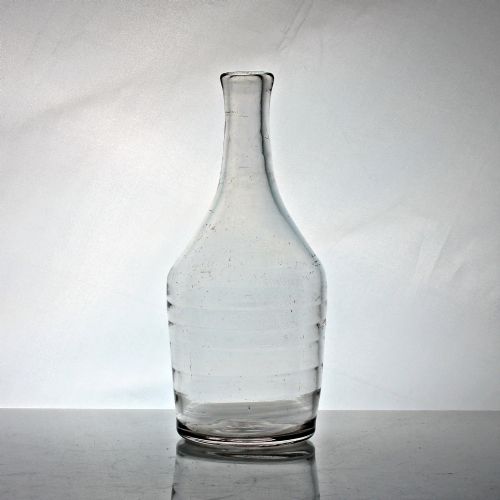
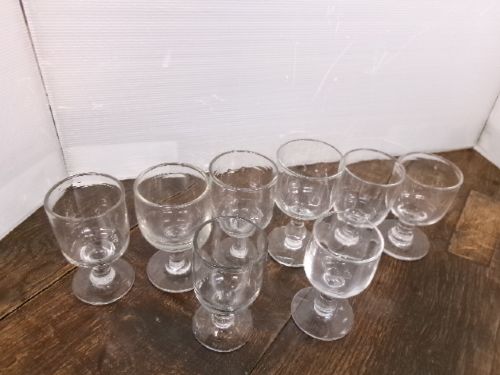
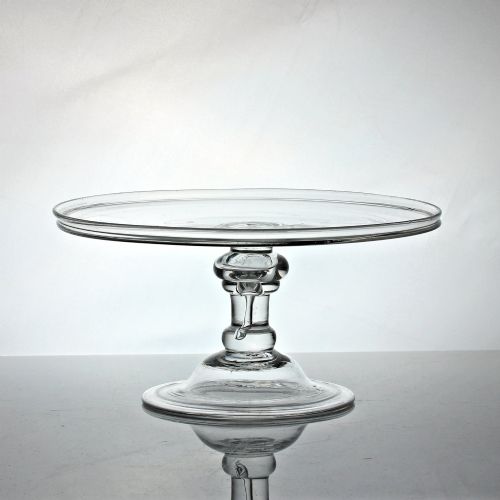
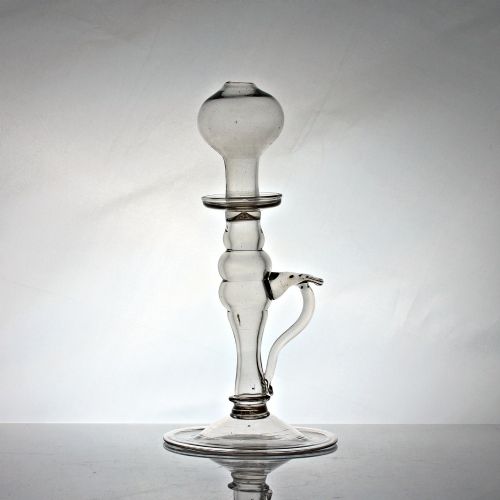
Beyond stemmed drinking vessels, the forms extend to decanters, carafes, jelly glasses, rummers, beer and ale glasses, patch stands, and serving tazzas. Most pieces originate from the eighteenth century, spanning periods from early Georgian and George II through to the Regency era.
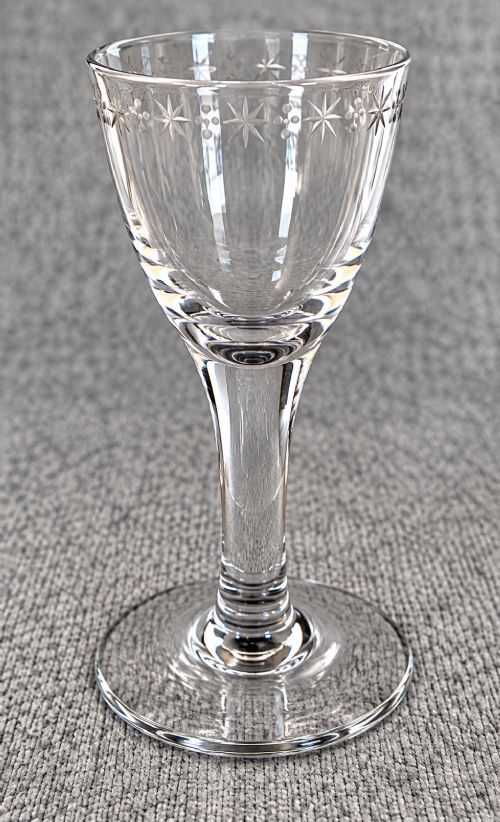
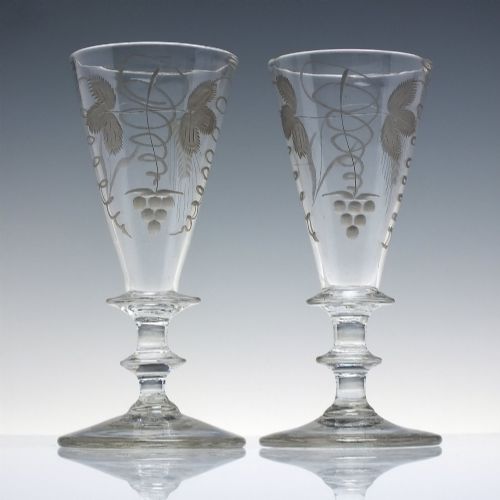
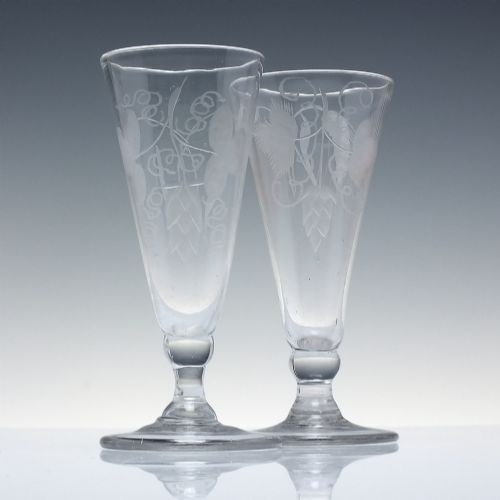
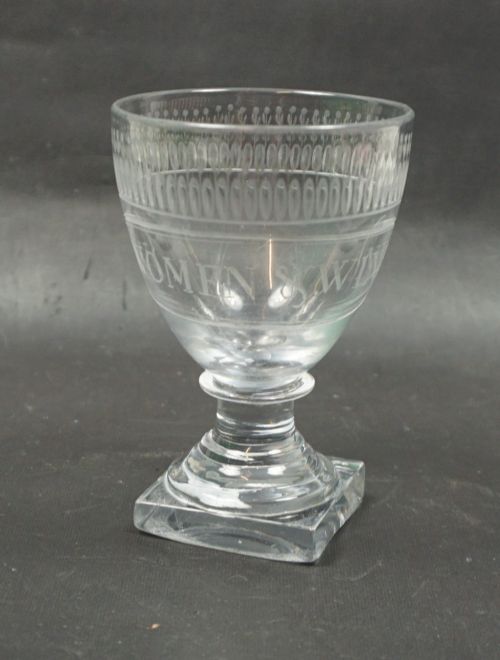
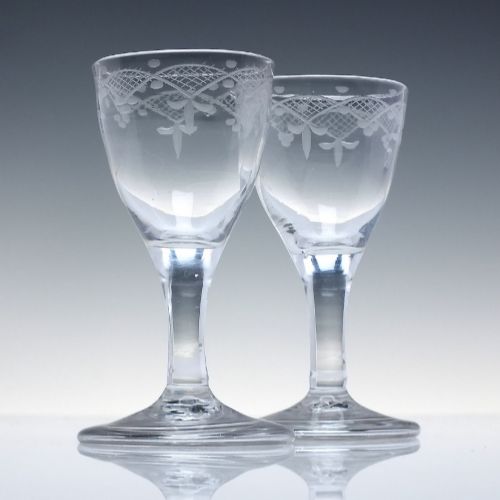
Buyers frequently find engraved decoration, ranging from floral motifs and Jacobite or Hanoverian symbols to specific labels like Madeira. Bowls vary in shape from trumpet and bell to ogee and pan top, often resting on folded or domed feet.
Materials and technique
Maker operations relied heavily on lead glass, clear lead glass, and flint glass, which provided the dense, refractive material quality necessary for deep cutting and bright clarity. Glassblowers formed bowls and feet by hand, sometimes incorporating deliberate air bubbles or tears within the stems.
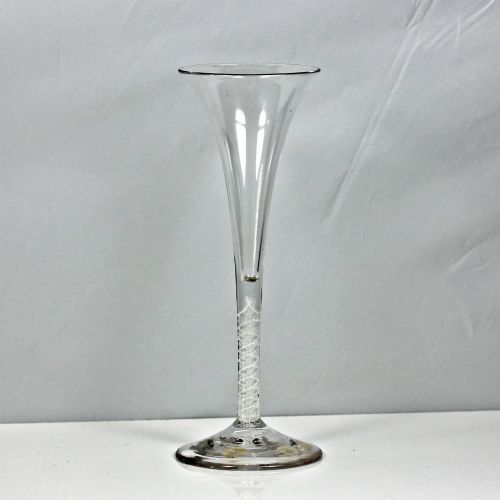
Twist stems required intricate manipulation of canes within the molten metal to create multi-spiral air twists or opaque white enamel threads. Engravers then applied surface decoration using rotating copper wheels, cutting linear patterns, floral sprays, or commemorative inscriptions into the cooled surface.
Listings feature 18th century, Georgian, and Regency periods, spanning materials such as lead crystal, clear glass, and enamel.
Quality differences
Distinctions in quality rest largely upon the crispness of the glass metal and the dexterity shown in forming the stem and foot. Superior examples display high optical clarity without excessive seed bubbles or striations in the material, alongside balanced proportions between bowl, stem, and foot.
Georgian Wear Flint Company
The Georgian Flint Glass Glossary
- Air twist
- A stem formation containing elongated internal air bubbles drawn into spirals during manufacture. This technique produces delicate threads of trapped air running through the glass.
- Opaque twist
- A stem containing white or coloured enamel glass threads twisted into linear or multi-spiral patterns inside the clear metal. The style gained popularity during the mid-eighteenth century.
- Baluster
- A heavy, thick stem shape characterised by swelling knops reminiscent of architectural pillars. Early forms often incorporate balanced proportions with internal air tears.
- Rummer
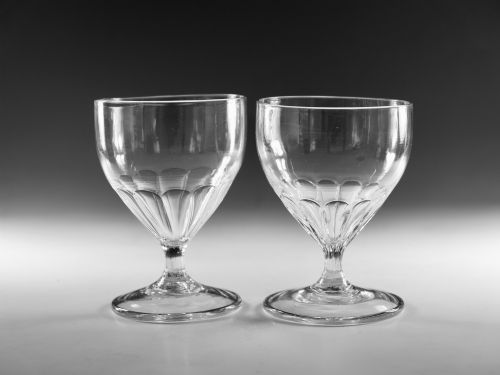
- A large, sturdy drinking glass introduced in the late eighteenth century for consuming ale, wine, or punch. These vessels usually feature bucket bowls set on short, thick stems and footprint bases.
- Patch stand
- A small circular plate or dish raised on a central foot, historically used to hold cosmetic beauty patches. Examples frequently exhibit moulded or gadrooned rims.
Georgian Flint Glass: Frequently Asked Questions
What is georgian flint glass?
Georgian flint glass refers to heavy lead-rich glassware produced during the eighteenth and early nineteenth centuries. The material contains lead oxide, which increases the weight, brilliance, and refractive index of the object.
Items from this era include wine glasses, decanters, rummers, and sweetmeat dishes. Makers utilised the soft, dense nature of the material to shape complex stems and apply wheel-engraved decoration.
How do you date a wine glass?
Dating relies on observing changes in glass chemistry, stem construction, and bowl form over time. Early eighteenth-century pieces often feature heavy baluster stems and folded feet, while air twists and opaque twists became prevalent around the mid-eighteenth century.
Foot shapes, pontil marks on the underside, and stylistic motifs in the engraving further help narrow the manufacturing period. Comparing the weight and metal quality against documented examples confirms the timeline.
Were these glasses used daily?
Wealthy households used these vessels for formal dining, social gatherings, and tavern service. Rummers served heavy ales and punch, while smaller dram glasses held spirits.
Despite their historical age, many owners continue to use sturdy rummers and decanters for modern dining. Careful hand washing prevents thermal shock and preserves the fragile lead metal.
What is an air twist stem?
An air twist stem is formed when the glassmaker traps air inside the molten metal and pulls or twists the glass as it elongates. This traps thin threads of air inside the transparent stem in a corkscrew pattern.
Makers produced single-series and multi-spiral variations throughout the middle decades of the eighteenth century. The technique showcases the skill of the glasshouse in manipulating the hot lead metal.