
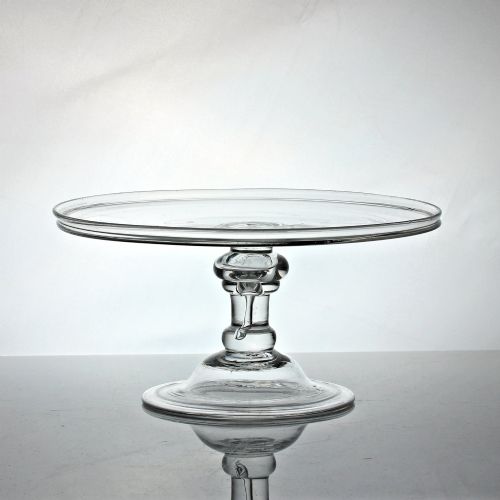
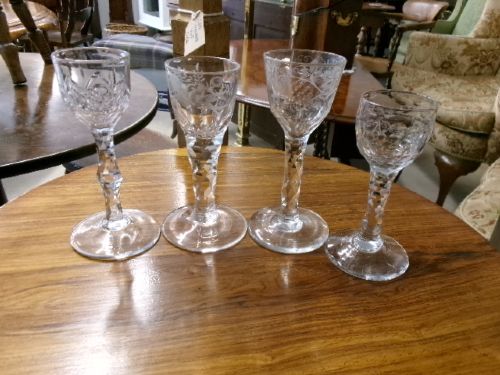
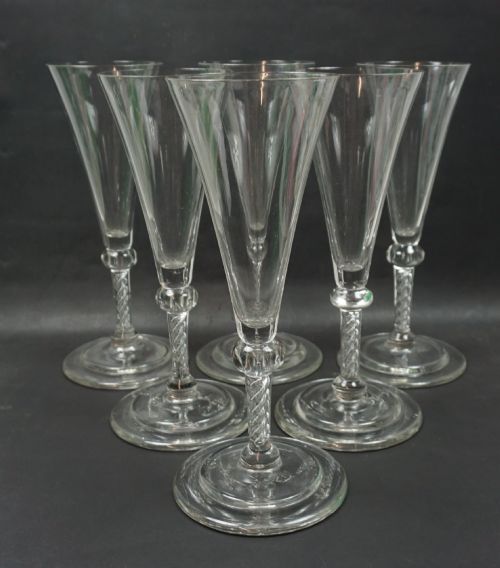
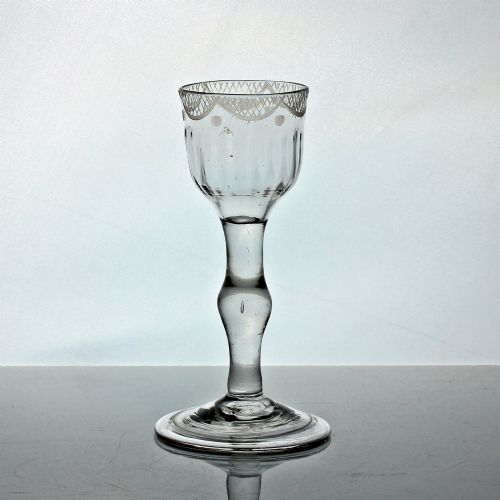
Georgian Stemmed Glass
Georgian stemmed glass pieces are English drinking vessels spanning the eighteenth and nineteenth centuries, prized for their heavy lead metal and intricate twist stems.
Georgian Stemmed Glass
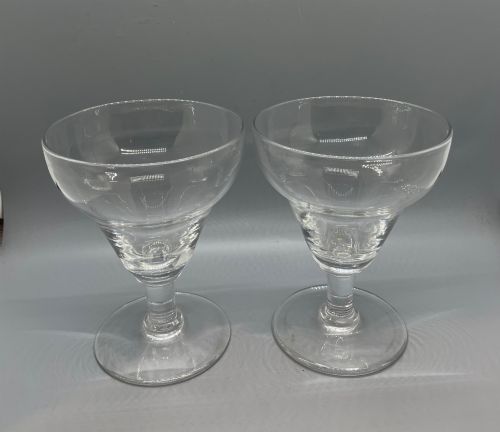
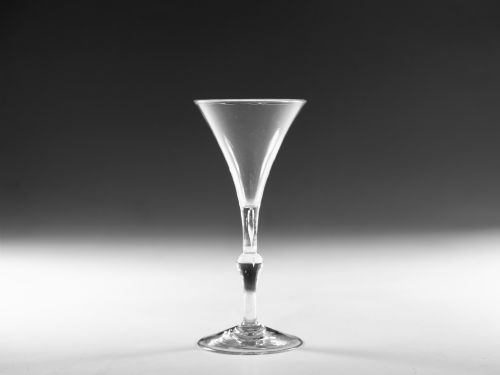
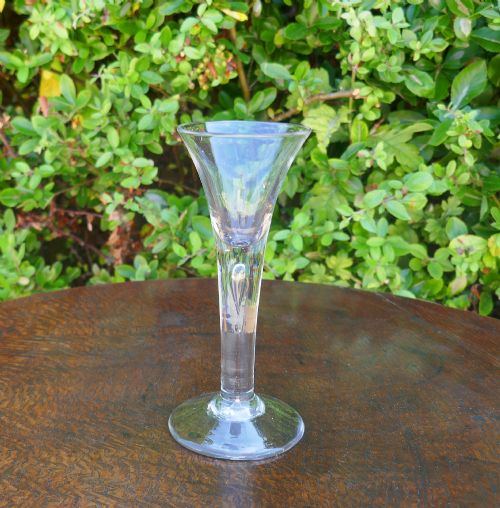
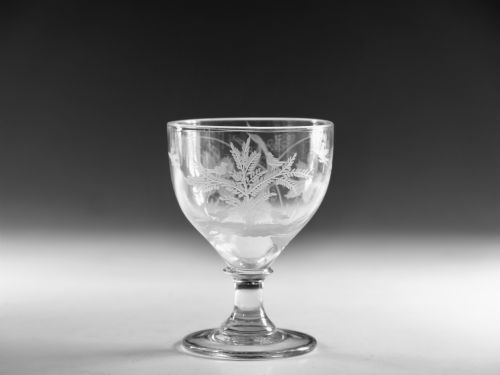
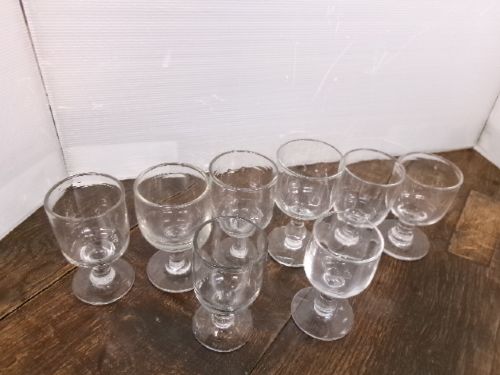
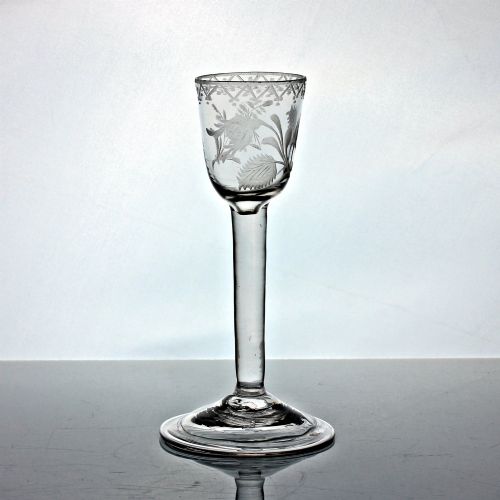
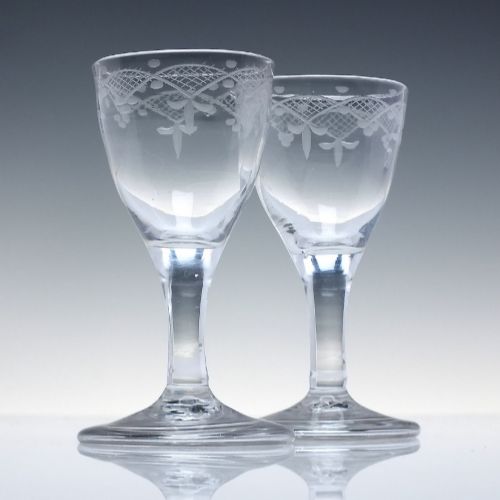
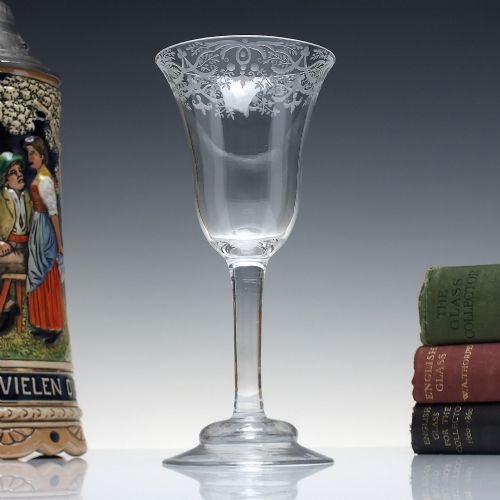
When you search for georgian stemmed glass, you look at drinking vessels and serveware primarily originating from the eighteenth century, alongside later revivals. Wine glasses, rummers, and wine goblets dominate the forms, sitting on distinctive stems formed from balusters, heavy knops, or delicate twists.
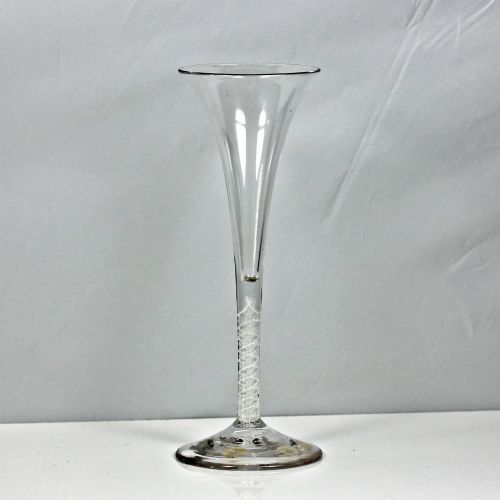
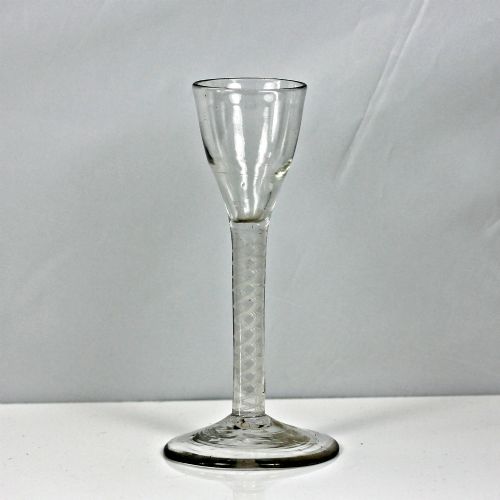
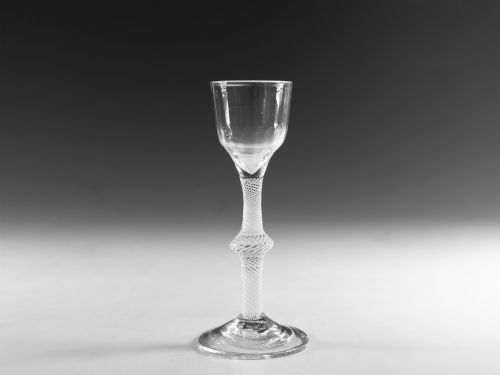
The most common examples you meet on this page date from the middle years of the eighteenth century, featuring plain, balustroid, or air twist stems supporting trumpet, ogee, or pan top bowls. Pieces span diverse functional types, ranging from small dram glasses and ale glasses to larger champagne and sweetmeat vessels.
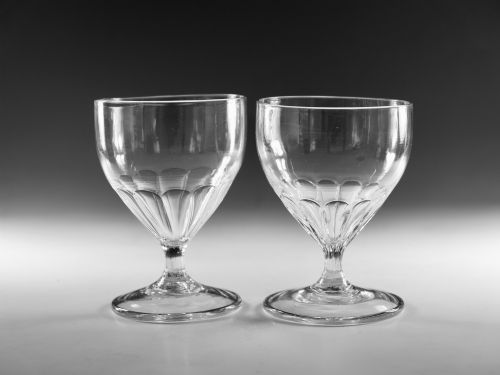
Alongside eighteenth-century work, the selection includes nineteenth-century rummers and faceted drinking glasses, plus occasional twentieth-century interpretations such as tall wine flutes on air twist stems.
What Varies in Quality
Quality rests in the complexity of the stem formation and the crispness of the glass metal. Pieces featuring multi-spiral air twists, composite stems, or heavy baluster knops demand greater technical skill than plain stem variants.
Listings feature lead glass, clear glass, and flint glass across periods spanning the eighteenth, nineteenth, and twentieth centuries.
The Georgian Stemmed Glass Glossary
- Lead Glass
- A heavy, brilliant glass formulation containing lead oxide. This material became the standard for English drinking vessels from the late seventeenth century onward.
- Air Twist
- A stem formation enclosing elongated air bubbles pulled into spiral threads. Craftsmen created these effects by drawing and twisting molten glass rods.
- Opaque Twist
- A stem containing white enamel threads enclosed within clear glass. These threads appear in single or double series configurations.
- Baluster
- A thick, swelling stem form derived from architectural pillars. These sturdy supports often feature annular knops and heavy proportions.
- Rummer
- A capacious nineteenth-century drinking glass suited for ale or punch. These sturdy vessels typically sit on short, thick stems.
Georgian Stemmed Glass: Frequently Asked Questions
What is a balustroid stem?
A balustroid stem is a slender version of the architectural baluster, often appearing on mid-eighteenth-century English wine glasses. It provides a heavier grip while maintaining elegant proportions beneath the bowl.
These stems frequently incorporate knops or swelling sections that catch the light, distinguishing them from entirely plain cylindrical stems.
How do air twist and opaque twist stems differ?
Air twist stems contain elongated bubbles of air trapped inside the glass and pulled into delicate spirals. Opaque twist stems use solid white enamel threads embedded within the clear metal instead.
Both techniques required immense skill from the glassblower to maintain uniform spirals down the entire length of the stem.
What are rummers used for?
Rummers served as everyday drinking vessels for ale, wine, or punch during the late Georgian and Victorian eras. Their generous bowl capacity made them versatile for various household drinks.
They generally feature thicker, more robust glass walls and shorter stems than delicate eighteenth-century wine glasses.
Why do some glasses have folded feet?
Folded feet involve turning the rim of the base underneath to create a double layer of glass. This technique added physical strength to vulnerable base edges.
Folded feet appear more frequently on earlier eighteenth-century pieces to prevent chipping during daily use.