


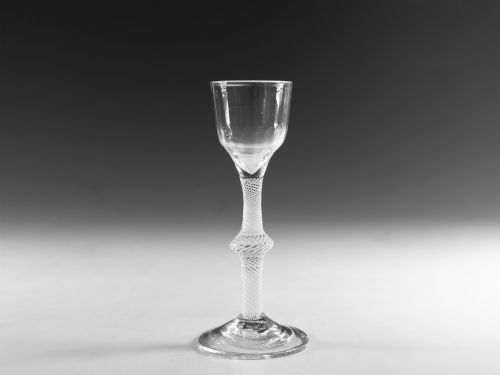

Georgian Lead Glass Goblet
A georgian lead glass goblet brings substantial weight and remarkable clarity to the table, offering a tangible connection to eighteenth-century drinking customs.

Georgian Lead Glass Goblet
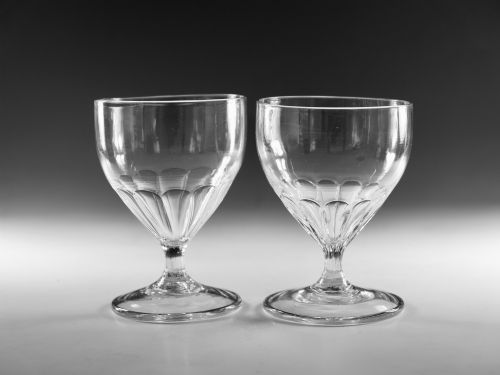
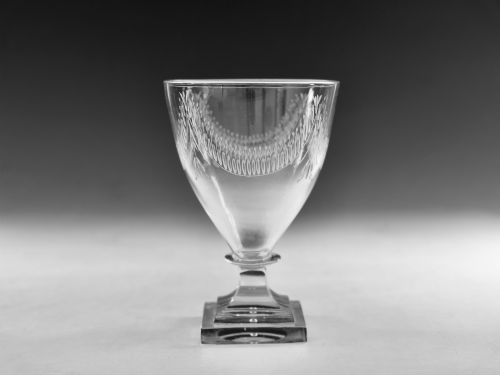
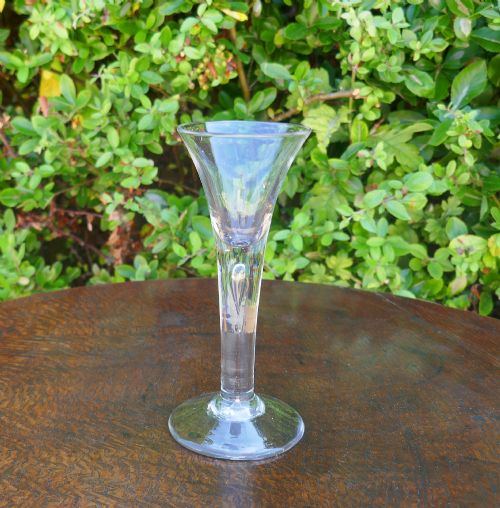
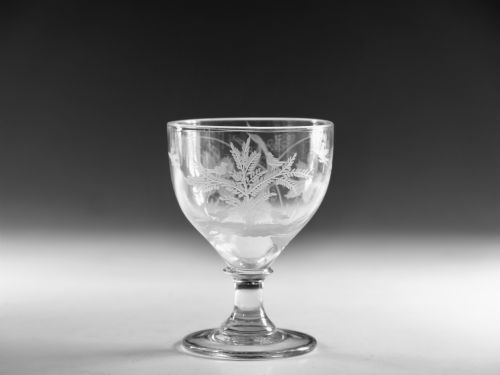
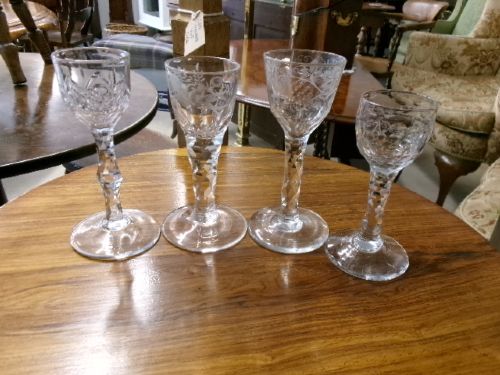
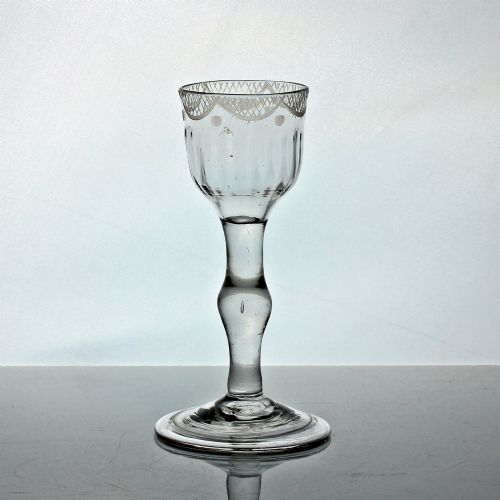
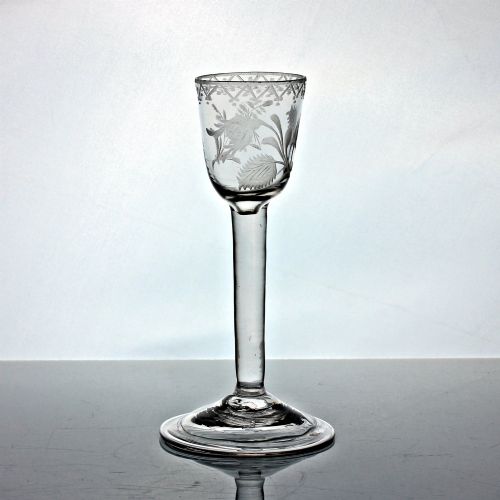
A georgian lead glass goblet encompasses heavy drinking vessels produced primarily during the eighteenth and early nineteenth centuries. The selection on this page centres heavily on eighteenth-century wine glasses and rummers featuring baluster, plain, and twisted stems.
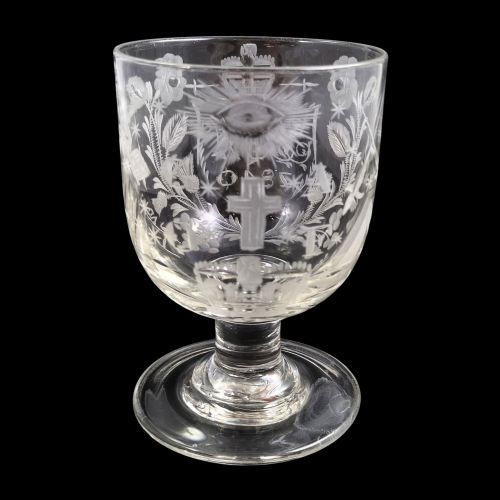
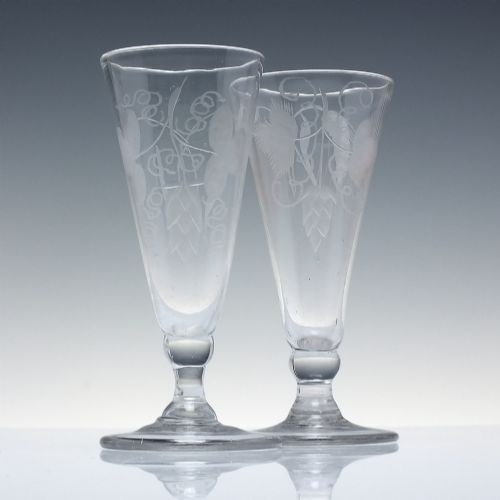
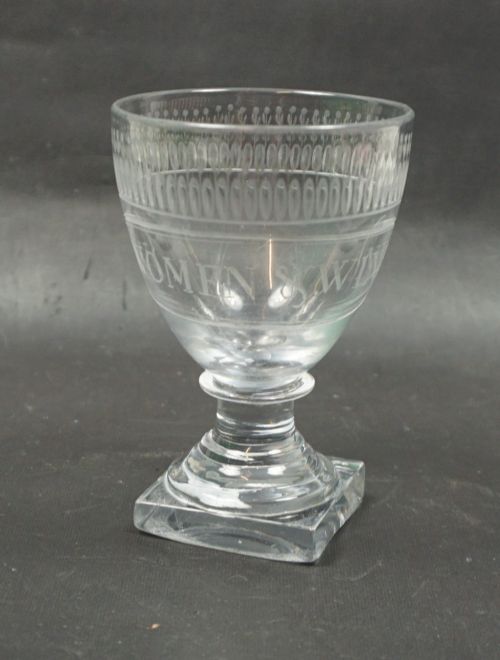
Buyers encounter various forms ranging from small dram and port glasses to large serving rummers and ceremonial armorial goblets. Pieces often display engraved bowls with hop, barley, or floral motifs alongside folded or wide foot bases.

Materials and Technique
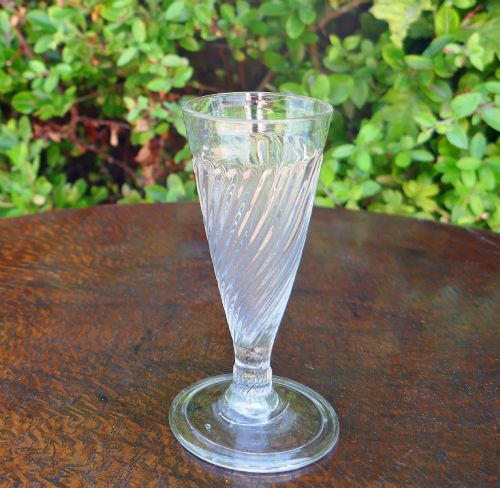
These vessels rely on lead glass and flint glass, compositions containing lead oxide that impart superior refractive qualities and substantial weight. Artisans shaped the metal while hot, often incorporating air bubbles or moulding petals into the bowls.
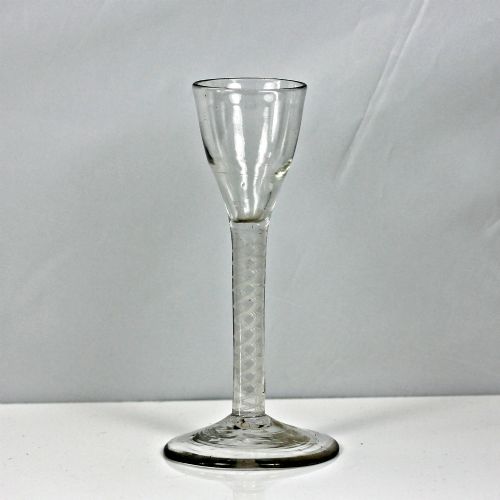
Stem construction involved intricate techniques such as drawing air twists, inserting opaque white enamel threads into double or single series twists, and forming heavy balusters with annular knops.
Georgian Lead Glass Goblet Retail Price Guide 2026
Typical asking prices for georgian lead glass goblet among the pieces listed under this phrase on Sellingantiques today, from the lower quarter to the upper quarter. They describe what is for sale here now, not the wider market.
One small rummer on this page bears the spirited eighteenth-century toast 'Women & Wine'.
Assessing Quality
Quality rests upon the skill required to manipulate the hot metal and form complex stem structures without distortion. Finer examples exhibit crisp engraving, balanced proportions, and minimal optical imperfections within the metal itself.
The degree of elaboration in the stem, such as mixed or multi-spiral twists combined with knops and domed feet, elevates a piece above standard utility glassware. The resonance and heavy feel of the lead metal further distinguish superior specimens.
The Georgian Lead Glass Goblet Glossary
- Baluster stem
- A heavy, swelling stem shape derived from architectural balusters popular on mid-eighteenth-century drinking vessels. This form provides a solid grip and considerable physical weight to the glass.
- Air twist
- A decorative stem formation containing elongated spiral channels of trapped air inside the glass. Makers created these by drawing and twisting heated glass rods.
- Opaque twist
- A stem containing fine threads of white enamel glass encased within clear metal. These threads form single or double series patterns running through the stem.
- Rummer
- A large, sturdy drinking glass introduced in the late eighteenth century for ale, wine, or punch. They typically feature capacious bowls on short stems and wide feet.
- Folded foot
- A base edge turned under and flattened during manufacture to strengthen the rim against chipping. This technique appears frequently on eighteenth-century drinking vessels.
Georgian Lead Glass Goblet: Frequently Asked Questions
What is a georgian lead glass goblet used for?
These vessels served for drinking ale, wine, and punch during social gatherings in the eighteenth and nineteenth centuries. Large rummers accommodated generous portions of beer or spirits.
Today, collectors utilise them as display pieces or for serving special vintages at the dining table. Their robust lead construction makes them surprisingly durable for gentle, careful use.
How can I date an eighteenth-century glass?
Dating relies on stylistic shifts in bowl shapes, foot construction, and particularly stem manufacturing techniques. Plain stems and heavy balusters generally precede the introduction of air twists and opaque twists.
Tool marks, pontil scars on the base, and metal composition provide additional physical evidence for specific decades. Comparing form and engraving styles against dated examples helps narrow the period of origin.
What distinguishes an air twist from an opaque twist?
An air twist contains tiny spiral channels of trapped air that catch the light within a clear glass stem. These formed naturally when makers manipulated bubbles inside the molten metal.
An opaque twist incorporates solid white enamel rods drawn into intricate threads within the clear stem. This technique produces stark, visible white patterns rather than transparent air channels.