



Folded Foot Wine Glass
A folded foot wine glass brings eighteenth-century Georgian craftsmanship directly to the modern table.
Folded Foot Wine Glass
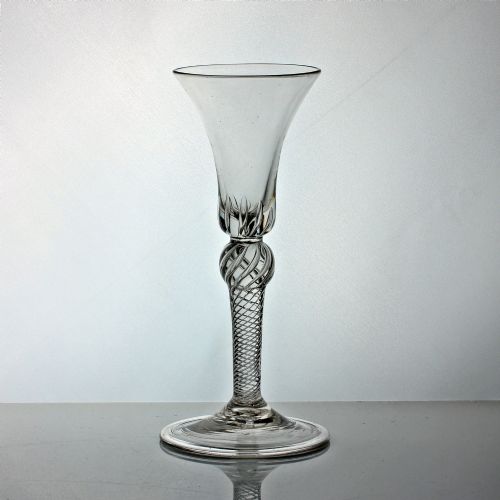
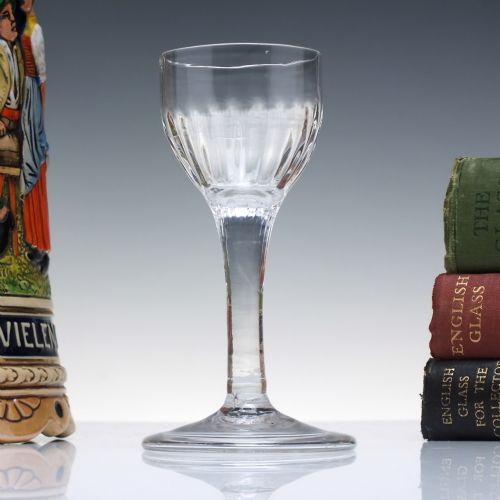
A folded foot wine glass is a drinking vessel dating from the eighteenth century, primarily originating from the Georgian period. When searching for a folded foot wine glass, buyers encounter forms that include plain stem wine glasses, air twist stems, and cordial glasses.
The defining characteristic of these pieces is the rim of the foot, which is folded underneath to create a thickened, rounded edge. This technique adds weight and stability to the base while preventing chipping during regular use.
How they were made
These vessels are hand-blown from lead glass, flint glass, and lead crystal using traditional eighteenth-century methods. Molten glass is gathered, blown, and manipulated by hand to form the bowl, stem, and foot.
During the formation of the foot, the hot glass edge is turned back on itself and pressed flat against the underside while rotating. Additional techniques such as air twists, opaque twists, and surface engraving are applied while the metal remains workable.
Folded Foot Wine Glass Retail Price Guide 2026
Typical asking prices for folded foot wine glass among the pieces listed under this phrase on Sellingantiques today, from the lower quarter to the upper quarter. They describe what is for sale here now, not the wider market.
Listings for this phrase exclusively feature eighteenth-century Georgian pieces, recorded under materials such as lead glass, flint glass, and hand-blown lead crystal.
What varies in quality
Quality in these drinking vessels rests upon the proportion and balance of the bowl, stem, and foot. A well-executed fold beneath the foot should be even and neat, contributing to the overall harmony of the glass.
The Folded Foot Wine Glass Glossary
- Folded foot
- A glass foot where the outer rim is doubled over underneath to form a smooth, rounded edge. This adds structural strength to the base.
- Air twist
- A stem containing spiral threads of elongated air bubbles trapped within the glass. Makers achieved this by drawing air out of heated glass.
- Plain stem
- A straight, unadorned cylindrical glass stem typical of mid-eighteenth-century drinking vessels. It provides a simple contrast to the bowl.
- Balustroid
- A stem style echoing heavy seventeenth-century baluster forms but rendered in a lighter, more slender Georgian proportion. It often includes knops.
- Cordial glass
- A small vessel designed for drinking strong liqueurs or cordials rather than wine. These share the same folded foot and stem characteristics.
Folded Foot Wine Glass: Frequently Asked Questions
What is a folded foot wine glass?
A folded foot wine glass is an eighteenth-century drinking vessel featuring a distinctive base where the outer rim of the foot is turned underneath itself.
This construction method provides extra weight at the bottom to balance the tall stems and deep bowls characteristic of the period.
How can I tell the period?
Dating relies on observing manufacturing characteristics such as pontil marks, metal composition like lead glass, and stem formations including air twists and plain stems.
Most examples date from the Georgian era between the 1740s and 1760s, showing specific stylistic traits popular during those decades.
Were these glasses used for wine?
These vessels served for drinking wine and cordials during Georgian dining and social gatherings.
Their smaller bowl sizes compared to modern glassware reflect the different strengths and serving customs of eighteenth-century beverages.
How do I care for an antique glass?
Antique drinking vessels require careful hand washing in warm water using mild soap, avoiding sudden temperature changes.
Storing them securely on a stable surface away from vibrations protects the delicate hand-blown stems and folded feet.