

Antique Stemware Glass
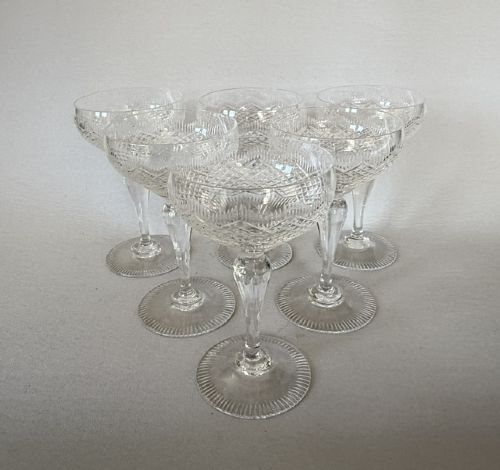
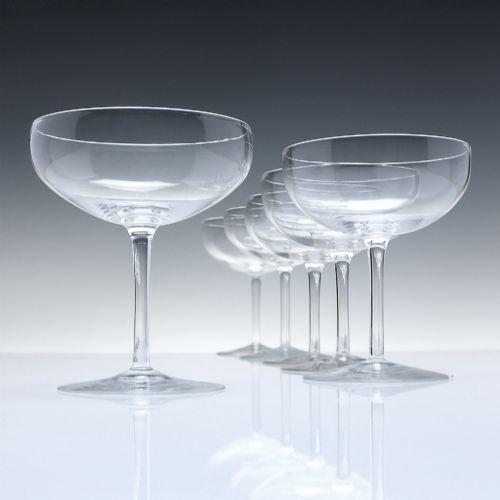
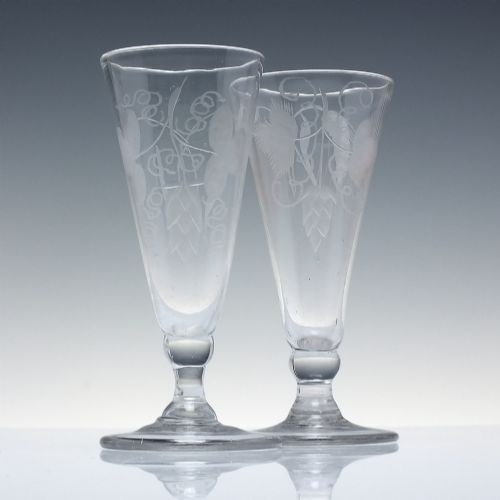
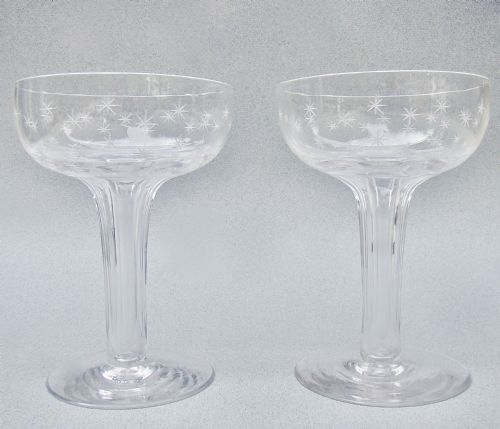
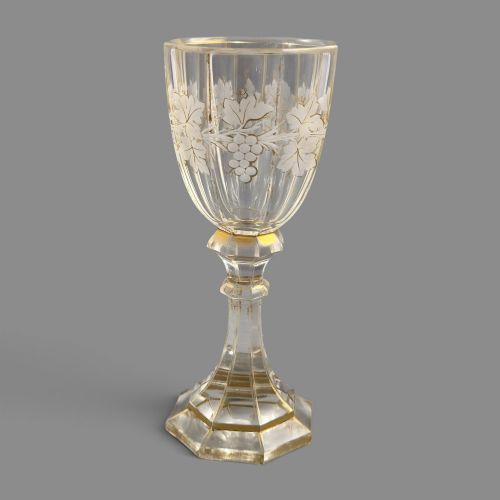
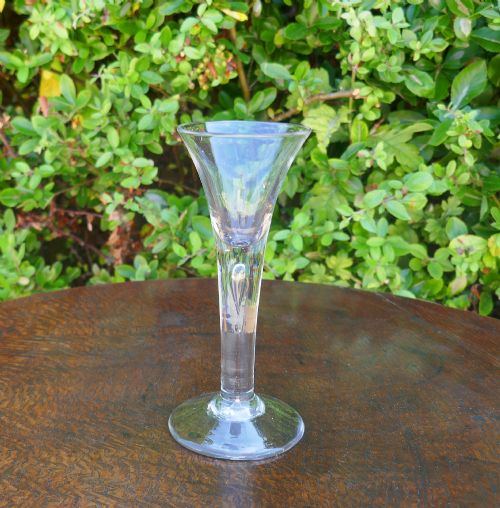
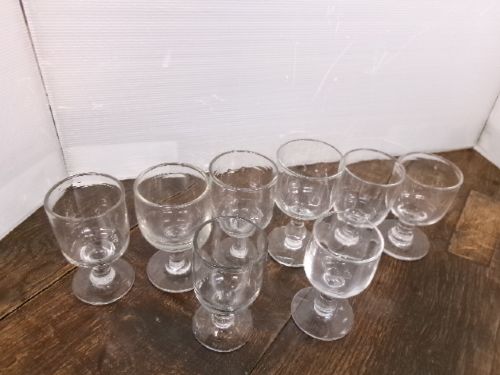
Antique stemware glass pieces are historic drinking vessels crafted in lead crystal and lead glass that bring genuine Georgian character to the table.
Understanding antique stemware glass
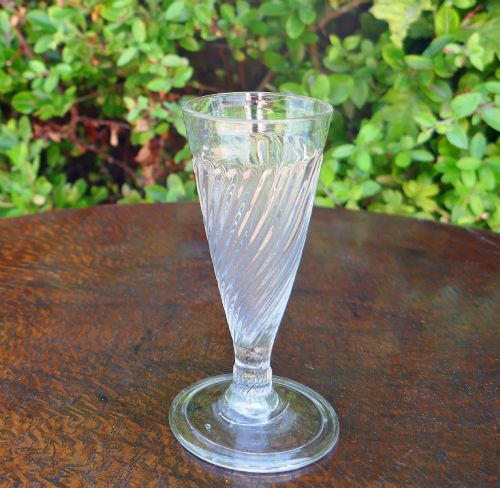
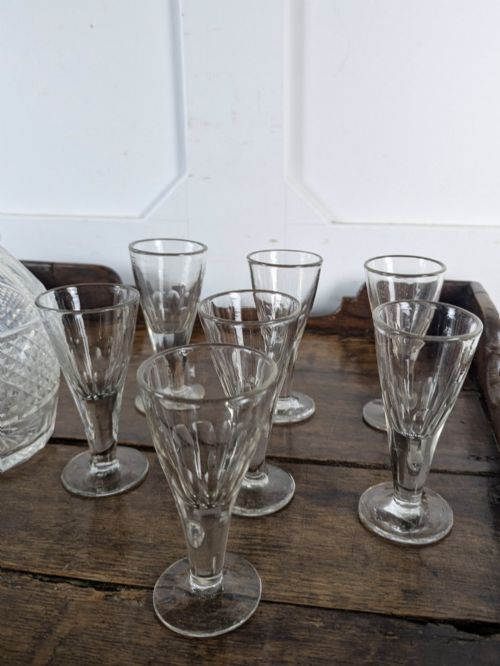
Antique stemware glass comprises drinking vessels originating primarily from the Georgian period and the eighteenth century. Collectors searching this phrase encounter English glassware designed for wine and rum.
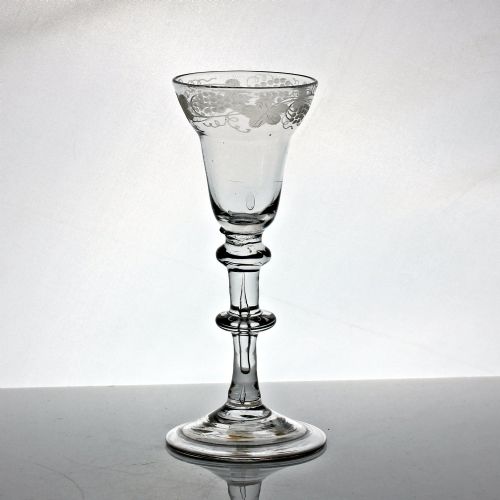
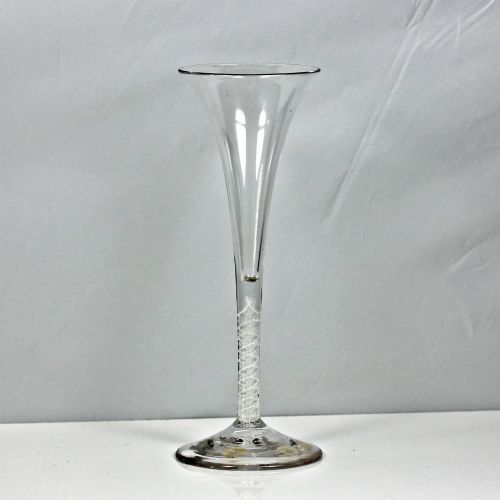
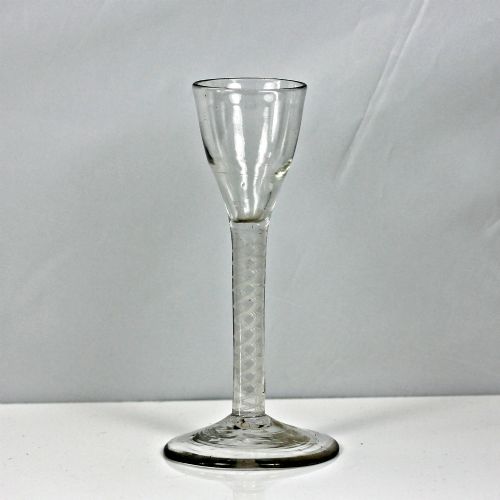
The most typical forms on this page are wine glasses featuring specific stem variations like air twists and opaque twists. These pieces showcase the functional drinking vessels of eighteenth-century and Regency dining.
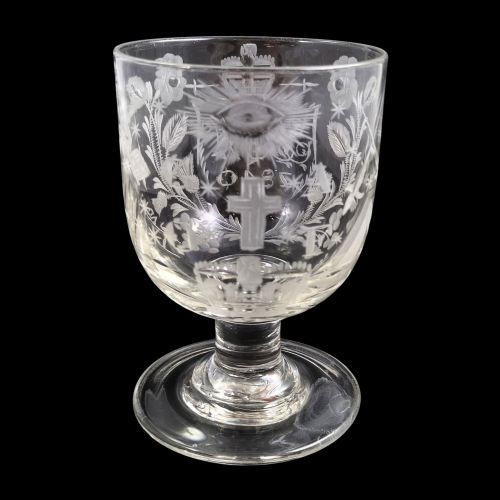
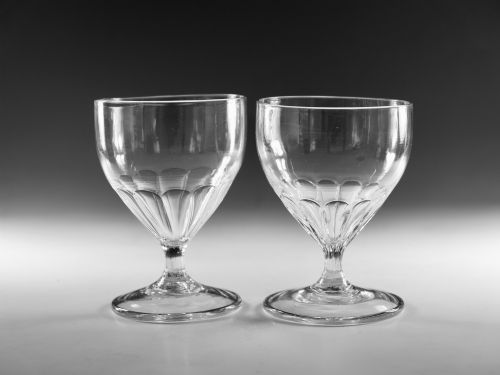
Originating predominantly from English workshops, these items reflect the domestic customs of their eras. The selection centres heavily upon mid-eighteenth-century forms alongside early nineteenth-century examples like the Sunderland Bridge rummer.
Construction and materials
Makers utilised lead glass and lead crystal to achieve the clarity and weight characteristic of these drinking vessels. These heavy foundational materials allowed artisans to draw stems and shape bowls with precision.
Decoration often involved white enamel and opaque enamel applied to create internal stem patterns. Techniques such as full ribbing shaped the ogee bowls seen on mid-eighteenth-century specimens.
Retail Price Guide 2026
Typical UK retail prices for stemware glass, calculated from the Sellingantiques database of over a million retail prices indexed since 2003. This retail price guide relies exclusively on Sellingantiques data; no external sources or auction records are used, so the figures do not describe the wider market.
An eighteenth-century glassblower pulling an air twist had to commit to the spiral in a single breathless motion.
Markers of distinction
The sophistication of the internal stem formation dictates much of the visual distinction across these drinking vessels. Fine air twists and crisp opaque twists demonstrate superior execution by the glassblower.
Bowl configuration and surface detailing, such as full ribbing on an ogee shape, separate standard production from more ambitious examples. The purity of the lead crystal and the precise execution of commemorative engraving further elevate individual pieces.
The Antique Stemware Glass Glossary
- Air twist
- A decorative stem formation containing elongated internal bubbles created during the drawing process. This technique gives the appearance of a spiralling thread of air trapped inside the clear metal.
- Opaque twist
- A stem featuring internal threads of white enamel or opaque enamel twisted into various formations. These patterns range from single series threads to complex multi-ply arrangements.
- Ogee bowl
- A bell-shaped drinking vessel bowl with an 'S' shaped profile that curves outward at the rim. This form appears frequently on eighteenth-century wine glasses.
- Rummer
- A large, robust drinking glass popular in the late eighteenth and early nineteenth centuries. These vessels often featured commemorative engraving related to local architecture or events.
- Lead crystal
- A heavy glass composition containing metallic oxide that increases brilliance and refractive index. This material enabled English makers to produce vessels with sharp definition and resonant tone.
Frequently Asked Questions
How do I date an antique wine glass?
Dating relies heavily on observing the bowl form, foot construction, and stem manufacturing technique. Eighteenth-century pieces often display specific twist formations and pontil marks on the underside.
Changes in glass chemistry, such as the adoption of lead metal, also help narrow down the period. Comparing known stylistic markers from the Georgian era provides a reliable chronological framework.
What is an air twist stem?
An air twist is a manufacturing feature where spiralling threads of air run down the centre of the glass stem. Artisans achieved this effect by trapping air within the hot metal before drawing and twisting the stem.
This technique requires considerable skill to maintain uniform thickness and twist density. Such stems are characteristic of mid-eighteenth-century English drinking vessels.
How were opaque twist glasses made?
Opaque twist glasses were made by inserting white enamel rods into the glass gather before pulling and twisting the stem. The internal enamels form intricate white threads visible through the clear exterior glass.
Variations include single series and multi-ply twists depending on how the rods were arranged. This method superseded the earlier air twist style in popularity during the mid-eighteenth century.
Can I use antique stemware for dining?
Using antique stemware requires careful handling due to the delicate nature of eighteenth-century lead glass. Hand washing in lukewarm water without harsh detergents is essential for preservation.
Many collectors prefer to display these pieces rather than use them regularly. Avoiding sudden temperature changes prevents thermal shock to the old metal.