


Victorian Cut Glass Dish
These pieces of a victorian cut glass dish combine heavy refractive crystal with bright metal mounts for practical service or display.
Victorian Cut Glass Dish
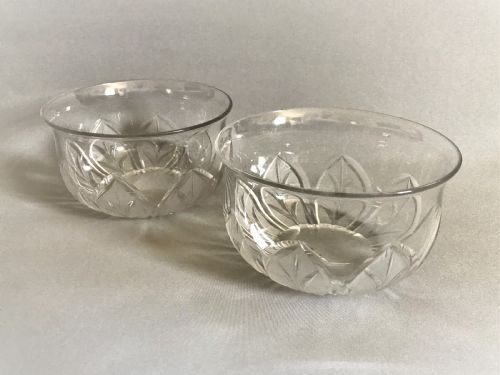
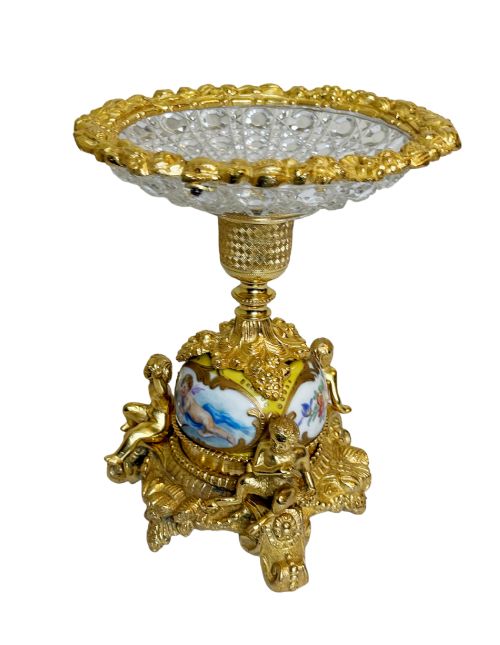
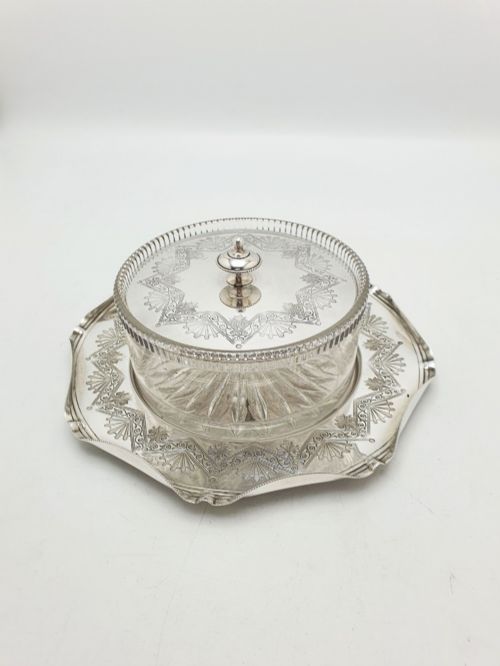
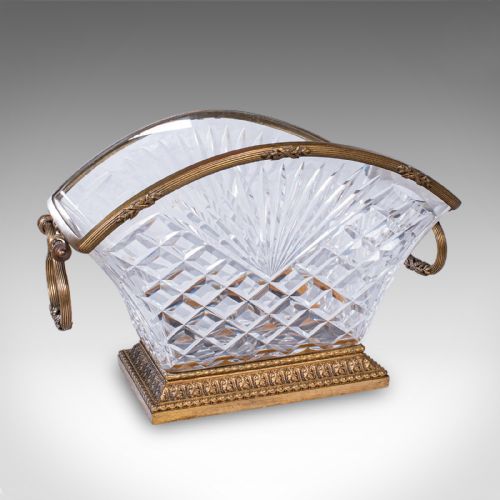
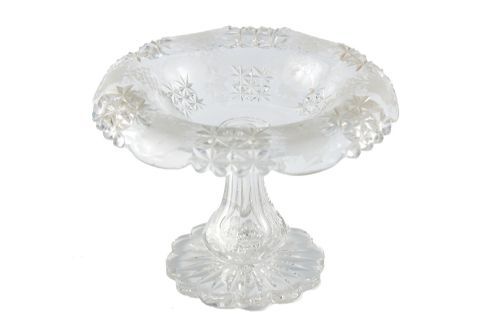
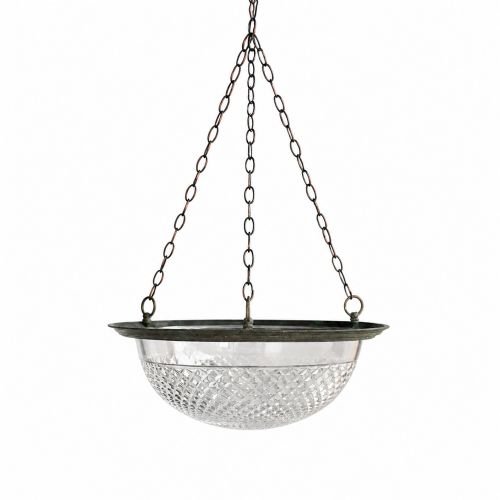
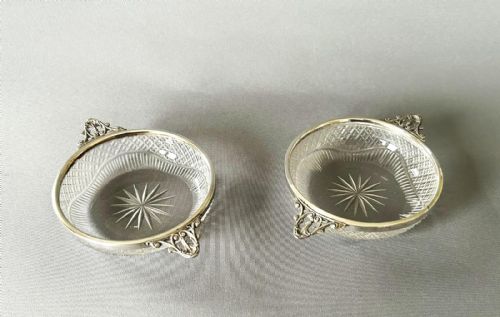
A victorian cut glass dish appears across this selection in various forms, including finger bowls, trinket boxes, butter dishes, and large table centrepieces. You will most frequently encounter nineteenth-century glass paired with silver plate, solid silver, or gilt bronze mounts.
The objects serve multiple historic domestic functions, ranging from table service for butter and sweetmeats to dressing table vanity jars and decorative bowls. Dating spans from the mid nineteenth century through the Edwardian period, often reflecting styles such as the Victorian Aesthetic Movement, French Empire, and Rococo Revival.
Assessing quality and execution
The distinction between standard items and superior examples lies in the crispness and depth of the glass cutting, alongside the weight of the crystal. Finer pieces display sharply defined facets and hand-etched details rather than soft, shallow moulding.
Metal mounts also dictate overall standard, with heavy silver plating or solid silver fittings showing superior cast ornamentation and secure structural integration with the glass. Well-preserved original pairings of glass liners with fitted metal frames elevate the standing of the piece.
Materials across these listings include lead crystal, silver plate, ormolu, and solid silver, spanning the Victorian and Edwardian periods.
Roberts & Belks·Elkington·Martin Hall·W M F
The Victorian Cut Glass Dish Glossary
- Cut crystal
- High-clarity glass containing lead oxide, wheel-cut to produce brilliant light-reflecting facets. This material forms the heavy body of most nineteenth-century tableware.
- Silver plate
- A base metal, such as copper or Britannia metal, coated with a thin layer of silver. It provides the lustrous appearance of solid silver for dish frames and handles.
- Tazza
- An ornamental shallow cup or bowl elevated on a stem and foot. These pieces frequently function as centrepieces or sweetmeat stands.
- Sweetmeat jar
- A covered vessel designed for holding small confections, sweetmeats, or dried fruits. They often feature matching glass saucers or lids.
- Ormolu
- Gilded bronze used extensively for decorative mounts, feet, and decorative handles on nineteenth-century table wares. The technique imparts a rich golden tone to the metalwork.
Victorian Cut Glass Dish: Frequently Asked Questions
How do I clean an antique cut glass dish?
Wash the glass gently in warm soapy water using a soft cloth, avoiding abrasive pads that might scratch the surface. Remove any fitted metal mounts beforehand if possible to prevent moisture damage.
Dry the crystal immediately with a lint-free cloth to restore the refractive brilliance of the wheel-cut facets without leaving water marks.
Were these dishes meant for dining tables?
Many of these vessels served specific dining purposes, holding butter, pickles, sweetmeats, or finger water during formal meals. Others functioned as dressing table trinket boxes or vanity jars for cosmetics.
Table centrepieces and tazzas stood as decorative focal points, while smaller dishes accompanied specific courses or afternoon tea service.
How can I tell if a dish is Victorian?
Examine the weight and depth of the glass cutting, as nineteenth-century pieces typically feature heavy lead crystal with sharp, hand-finished facets. The presence of nineteenth-century hallmarks on associated silver mounts or specific stylistic cues like aesthetic movement etching helps confirm the period.
Construction details, such as the thickness of the glass base and the patina on silver-plated frames, also indicate an earlier date of manufacture.
Can I use these dishes daily?
These items tolerate careful everyday use for serving dry foods or displaying small items, provided you handle them with respect for their age. Avoid exposing antique glass to sudden temperature changes, such as boiling water or microwave heating.
Hand washing is essential to preserve the integrity of both the glass and any attached metalwork or silver plating.