
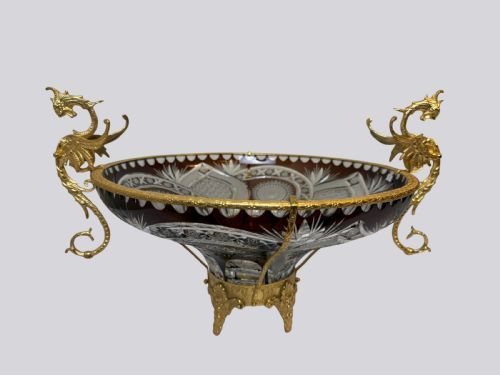


Edwardian Cut Crystal Bowl
When you want an Edwardian cut crystal bowl, you are looking for heavy glass shaped into fruit bowls, centrepieces, and lidded boxes.
Edwardian Cut Crystal Bowl
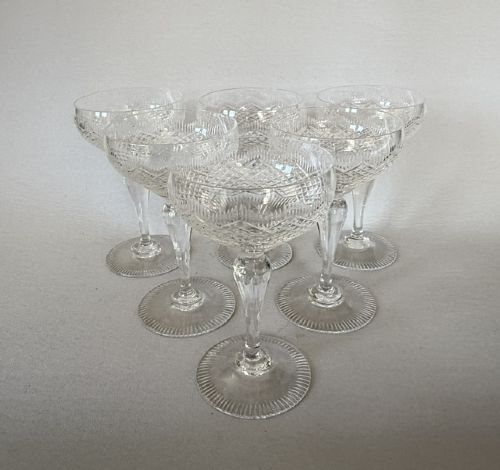
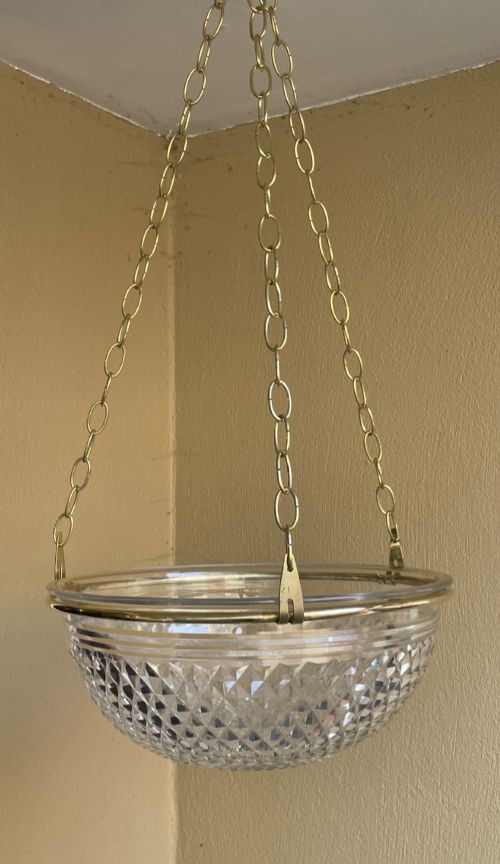
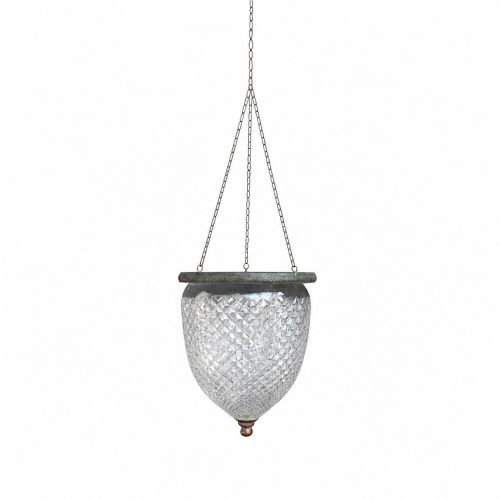
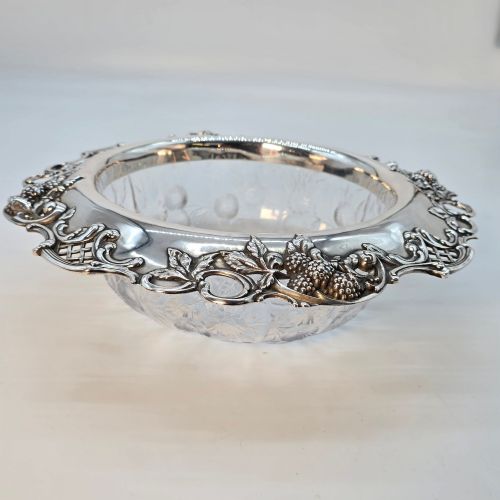
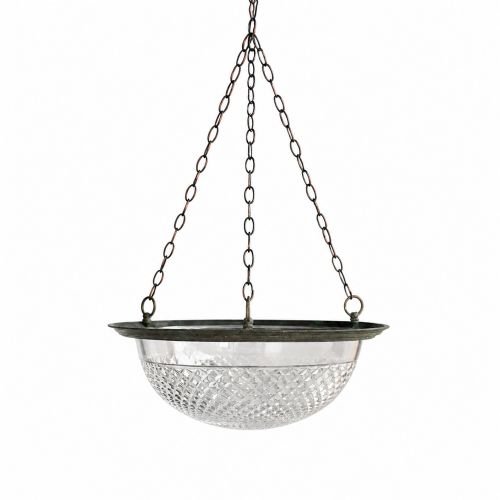
An edwardian cut crystal bowl brings together heavy lead crystal and intricate surface facets that reflect light across a room. Buyers searching for an edwardian cut crystal bowl will find pieces ranging from fruit bowls and centrepieces to lidded trinket boxes and hanging plafonnier lights.
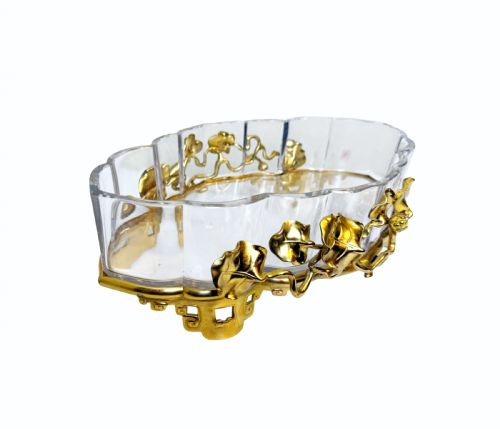
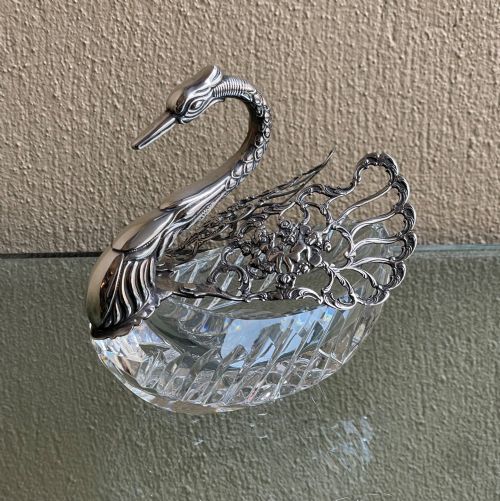
The selections span the Edwardian period alongside late Victorian and early twentieth-century examples, often featuring mounts in sterling silver, silver plate, or gilt bronze. These items served functional roles on dining tables and dressing stations, functioning simultaneously as useful vessels and decorative objects.
How They Were Made
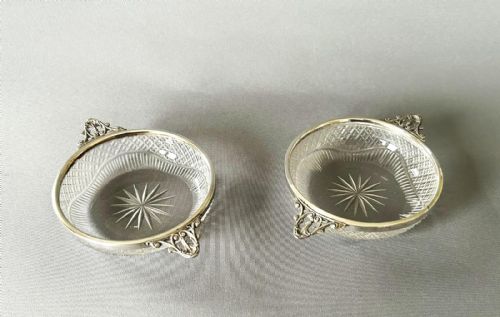
Craftsmen shaped lead crystal and cut glass by hand, grinding deep geometric patterns, flutes, and starbursts into the thick material. Metal mounts in sterling silver, silver plate, brass, and gilt bronze were then fitted to rims, bases, and swing handles.
Silver components frequently bear hallmarks indicating specific assay offices and years of production, while mounted boxes incorporate secondary materials such as tortoiseshell and enamel beneath hinged lids.
Listings combine cut glass and lead crystal with sterling silver, silver plate, brass, and gilt bronze across various lighting and tabletop forms.
What Varies in Quality
The distinction between standard utility items and the finest examples lies in the depth and crispness of the glass cutting, alongside the weight of the crystal. Sharp, clean facets that catch the light uniformly separate superior bowls from softer, shallower press-moulded alternatives.
The quality of associated metalwork also dictates overall merit, with substantial sterling silver mounts, detailed hallmarking, and secure gilt bronze frames elevating the piece far above simple silver-plated fittings.
Tiffany and Co·William Comyns
The Edwardian Cut Crystal Bowl Glossary
- Lead crystal
- Glass containing lead oxide to increase refractive index, weight, and clarity. This heavy material allows for deep, sharp facets.
- Plafonnier
- A ceiling-mounted bowl light fixture. These fixtures diffuse light downwards through cut glass panels.
- Hallmark
- An official stamp applied to precious metals. It indicates the metal standard, assay office, and year of assay.
- Centrepiece
- A large decorative bowl or dish placed in the middle of a dining table. They frequently incorporate silver or gilt bronze frames.
- Trinket box
- A small lidded container designed for jewellery or small accessories. Many feature silver lids with decorative engraving.
Edwardian Cut Crystal Bowl: Frequently Asked Questions
How are edwardian cut crystal bowls cleaned safely?
Wash them gently in warm soapy water using a soft cloth, avoiding harsh scouring pads that might scratch the surface. Support the base carefully during washing to prevent accidental chips on heavy rims.
Dry the crystal immediately with a lint-free cloth to maintain its bright clarity and prevent water spots from forming on the facets.
What metals are typically found on these bowls?
Mounts and hardware commonly consist of sterling silver, silver plate, brass, or gilt bronze. Silver elements often carry historical hallmarks from British assay offices.
These metals provide structural support for handles, rims, and matching lids while adding contrasting tones to the clear crystal.
Were these bowls used for dining or display?
They served multiple domestic purposes depending on their size and form. Large examples held fruit or punch, while smaller dishes functioned as table salts or sweet containers.
Lidded boxes and vanity jars held personal accessories on dressing tables rather than food items in the dining room.
How do you distinguish Edwardian pieces from Victorian ones?
Edwardian items frequently lean towards lighter aesthetic touches and cleaner lines influenced by Art Nouveau, whereas Victorian pieces often display heavier Rococo Revival or ornate historical styles.
Exact dating relies heavily upon associated silver hallmarks, registration numbers, or maker documentation accompanying the piece.