

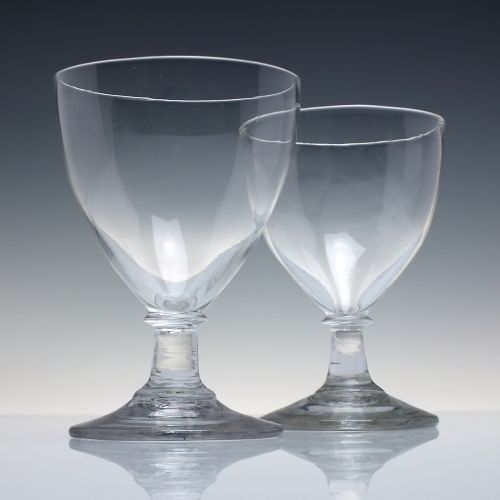


Pair of Glass Bowls
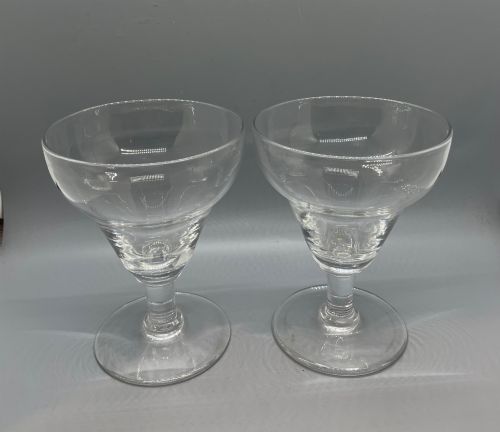
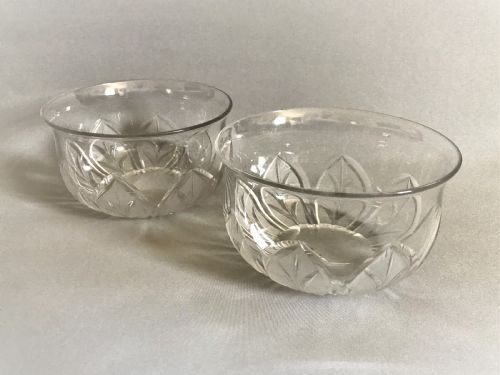
These pair of glass bowls bring symmetry and function to a table, spanning from Georgian rummers to Victorian champagne vessels.
Pair of Glass Bowls
When searching for a pair of glass bowls, buyers encounter a diverse selection ranging from Georgian table glass to Victorian champagne vessels and finger bowls. These items served various historical dining and decorative functions, including dessert service, table salt holding, and centrepiece arrangement.
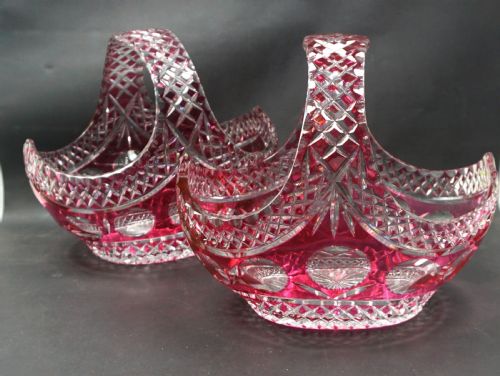
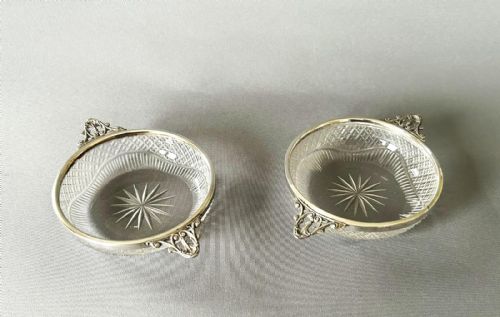
The selection frequently includes Victorian champagne bowls, finger bowls in clear and coloured glass, and mounted silver-plated or sterling silver table accessories. Buyers also find twentieth-century pieces such as French opalescent designs and Belgian crystal baskets alongside earlier English table ware.
What varies in quality
The distinction between standard items and superior examples lies in the crispness of the cutting, the weight and clarity of the lead crystal, and the depth of the engraving. Master craftspeople achieved sharper facets and more balanced proportions in the profile of each bowl.
Quality also rests in the harmony of matched pairs and the execution of associated metalwork, where substantial silver mounts or heavy silver plating elevate the status of the glassware. Finer examples display meticulous attention to detail in both the glass body and any decorative hardware.
The listings span from Georgian and Regency eras through the Victorian and Edwardian periods into the nineteen-thirties, featuring lead crystal and coloured glass.
Val St Lambert·G Vallon·Viners
The Pair of Glass Bowls Glossary
- Rummer
- A large drinking glass used in the eighteenth and nineteenth centuries, often possessing a stout stem and ogee bowl. Georgian examples frequently appear in matched pairs.
- Finger bowl
- A small bowl filled with water, used during formal dining to rinse the fingers between courses. These often feature cut or coloured glass.
- Tazza
- An Italian term for a shallow saucer or bowl mounted upon a stem and foot, utilised for serving small dishes or display. Antique examples often feature etched decoration.
- Ogee
- A double-curved architectural line resembling an elongated S, frequently describing the graceful contour of Georgian rummers and bowls. This shape directed aromas toward the rim.
- Lead crystal
- Glass containing lead oxide, which increases the weight, refractive index, and clarity of the material. This composition permits sharper and deeper wheel-cutting.
Pair of Glass Bowls: Frequently Asked Questions
How were glass bowls used historically?
These vessels served diverse roles in historical dining, functioning as finger bowls for rinsing fingers between courses, as champagne coupes, or as tea mixing bowls. Others sat within silver-plated or sterling silver frames to form decorative centrepieces on the dining table.
Smaller iterations held condiments or table salts, while larger standing bowls displayed fruit or sweetmeats during formal dessert services.
How do I identify Victorian glass bowls?
Victorian examples frequently showcase deep wheel-cutting, star-cut bases, and heavy lead crystal construction, particularly in champagne bowls and finger bowls. Coloured glass varieties, including rich amethysts and blues, also gained popularity during this era.
Many of these bowls incorporate silver plate or sterling silver mounts, reflecting the Victorian preference for combining glass with elaborate metalwork.
What is the difference between Georgian and Victorian pieces?
Georgian glass tends to display simpler, more robust forms such as ogee rummers and early tea mixing bowls, characterised by brighter metal chemistry and hand-blown quirks. The cutting on Georgian pieces is often broader and less dense than later styles.
Victorian manufacturing introduced heavier lead crystal, sharper and more intricate facet cutting, and a wider array of specialised dining vessels like champagne bowls and condiment sets.
How should I care for antique glass bowls?
Wash these pieces strictly by hand using tepid water and mild detergent, avoiding sudden temperature changes that can crack historical glass. Dry them promptly with a soft linen cloth to preserve the clarity of the crystal.
Keep silver-mounted elements polished with appropriate care products, ensuring metal polish does not come into contact with the glass surface.