


Antique Glass Footed Cup
An antique glass footed cup is a refined vessel for sweetmeats or drams, offering tactile weight and historic clarity that modern glassware simply cannot replicate.
Antique Glass Footed Cup
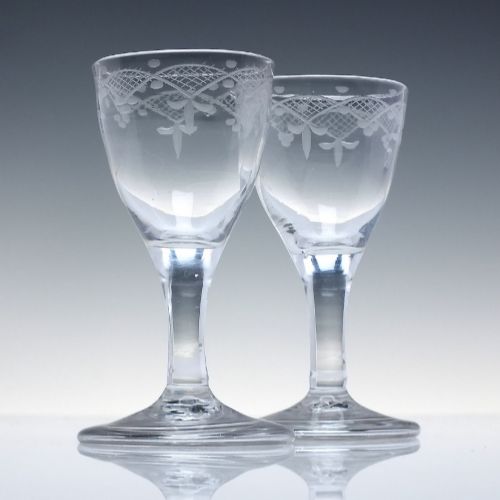
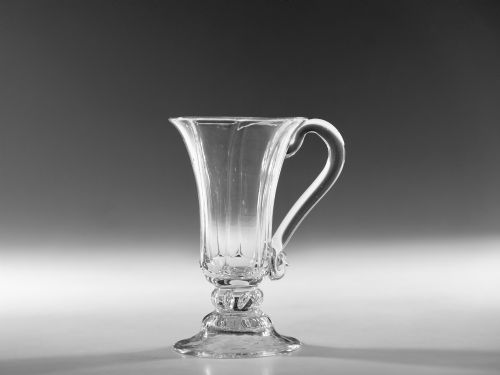
When you search for an antique glass footed cup, you enter a domain of eighteenth-century and nineteenth-century domestic glassware designed for desserts, cordials, and drams. The forms vary from single and double handled jelly glasses to panel moulded custard cups and complex air-teared wine glasses.
You are most likely to encounter Georgian examples dating from the mid eighteenth century, often featuring folded feet or cut glass details. Victorian sets of custard cups and decorative bowls also appear, alongside occasional porcelain interpretations from later periods.
Materials and methods of construction
The pieces on this page are formed from lead glass, clear glass, and flint glass, shaped through blowing and panel moulding. Makers utilised optical moulds to create ribbed patterns or fashioned folded feet to strengthen the base of delicate drinking vessels.
Decoration relied on hand engraving and air-tearing techniques within the stem, while some later decorative variations incorporate porcelain bodies finished with gilt and colourful glaze.
Listings feature Georgian and Victorian eras, utilising lead glass, clear glass, flint glass, and porcelain.
Distinguishing quality across the range
The upper tier of these vessels is defined by the crispness of the cutting, the complexity of internal stem formations such as air tears, and the harmonious proportions of bowl to foot. Inferior examples tend to exhibit heavy, clumsy shaping and a lack of refinement in the handle attachment or moulding.
The visual depth of the metal itself marks a clear division, where high-grade lead glass possesses a heavy, resonant clarity that duller, later commercial glass misses entirely.
Makeig-Jones Wedgwood Lustre
The Antique Glass Footed Cup Glossary
- Folded foot
- A base whose outer edge is turned underneath while hot to create a thickened, rounded rim for extra strength. This technique is frequently seen on eighteenth-century drinking vessels.
- Air twist
- A decorative spiral of elongated air bubbles trapped within the stem of a glass during manufacture. It is created by drawing air from inside the head or stem.
- Jelly glass
- A small, heavy cup designed for serving sweet jellies and syllabubs at formal Georgian dining tables. They often feature handles and panel moulding.
- Flint glass
- An early British term for high-quality lead glass containing potash and calcined flints. It offers superior refractive index and brilliance compared to soda glass.
Antique Glass Footed Cup: Frequently Asked Questions
What were antique glass footed cups used for?
These vessels served various functions at the dining table, primarily holding sweetmeats, jellies, custards, or strong drams of whisky and cordials. Wealthy households utilised matched sets for formal desserts and after-dinner toasts.
Over time, their domestic role shifted from active dining room service to cabinet display. Today, collectors appreciate their tactile historical connection to Georgian and Victorian social rituals.
How do I date an antique glass footed cup?
Dating relies on observing manufacturing traits such as pontil marks on the base, the presence of folded feet, and the specific style of cutting or moulding. Eighteenth-century pieces often display heavier lead metal and hand-formed characteristics.
Victorian items tend toward uniformity in sets, whilst earlier Georgian pieces show subtle individual variations from hand crafting. Comparing form and material against known period examples provides the firmest guide.
Are these glass cups safe to use today?
While historic glassware remains structurally stable, most collectors prefer to exhibit rather than use eighteenth and nineteenth-century cups. Hand-washing in lukewarm water is essential if you choose to use them, as modern dishwashers will damage the fragile surface.
Thermal shock from hot liquids should be strictly avoided with early lead glass and flint glass. Gentle handling preserves both the delicate handles and the historic surface wear.
What is the difference between jelly and custard cups?
Jelly glasses are typically taller, often featuring single or double handles and panel moulding designed to catch the candlelight. Custard cups from the Victorian era tend to be slightly broader and are frequently found in matched sets.
Both forms belong to the wider family of footed table glass intended for sweet courses. Their specific shapes evolved alongside changing dining fashions throughout the Georgian and Victorian periods.