

Clear Crystal Spirit Glass
A clear crystal spirit glass brings weight and brilliance to the table, offering the traditional vessel for serving fine spirits.
Clear Crystal Spirit Glass
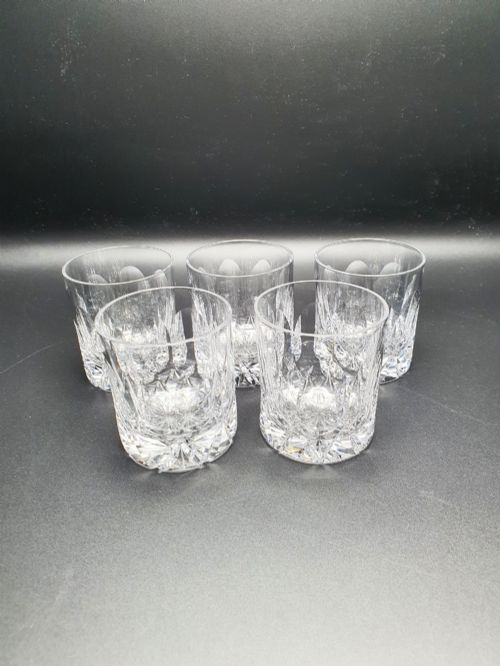
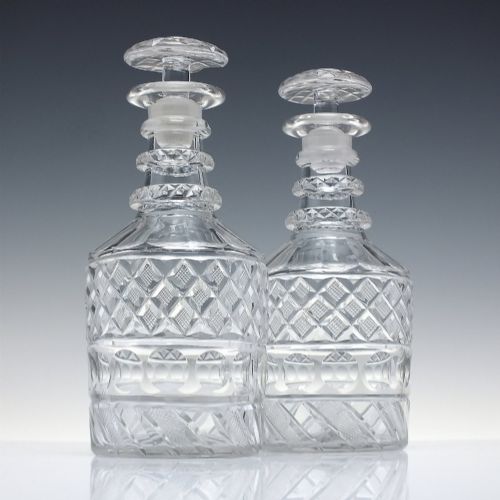
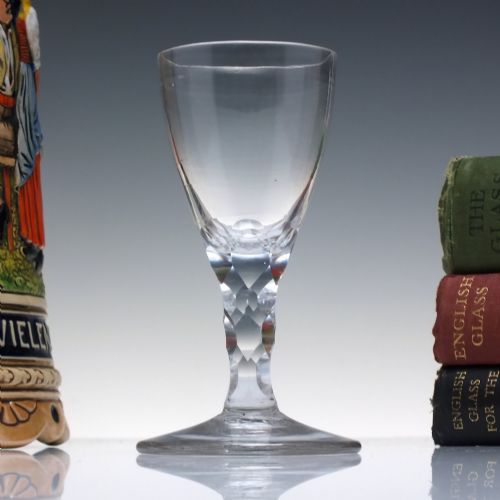
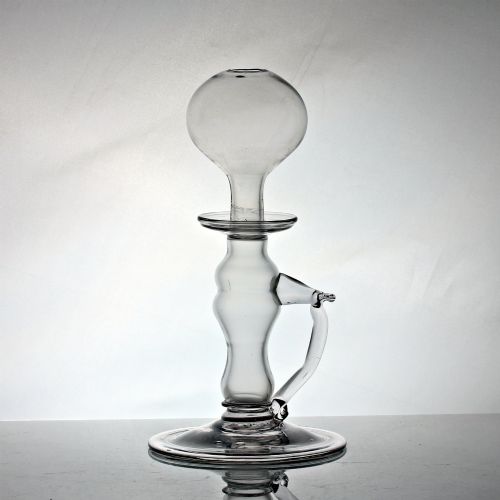
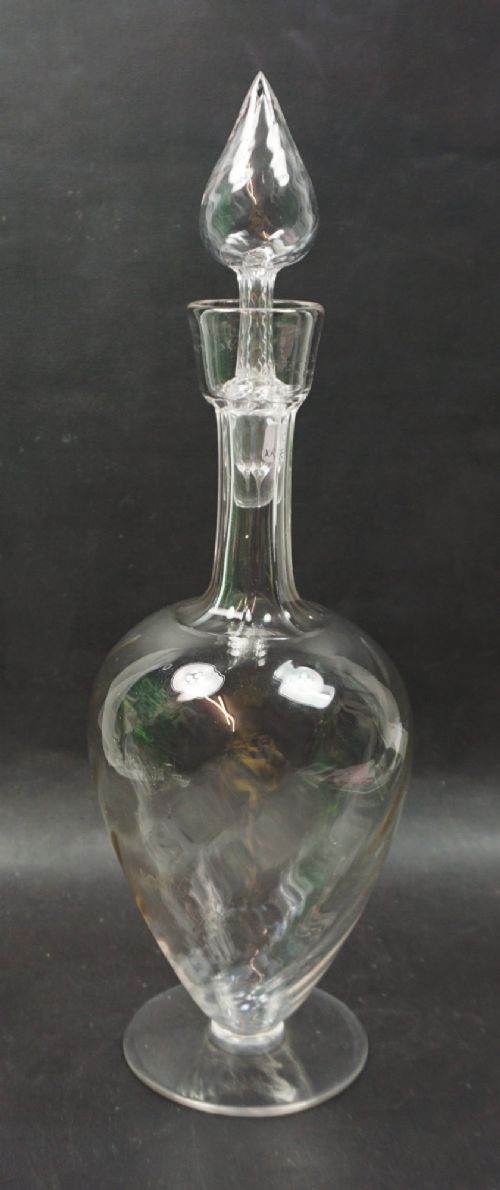
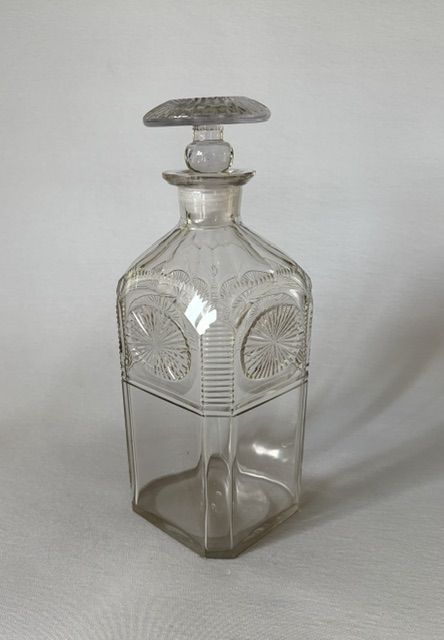
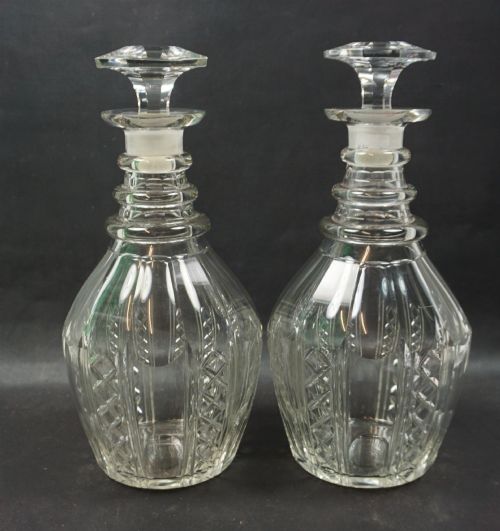
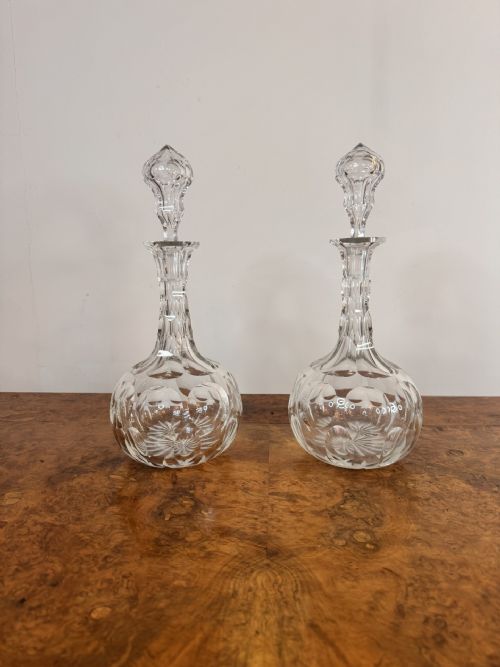
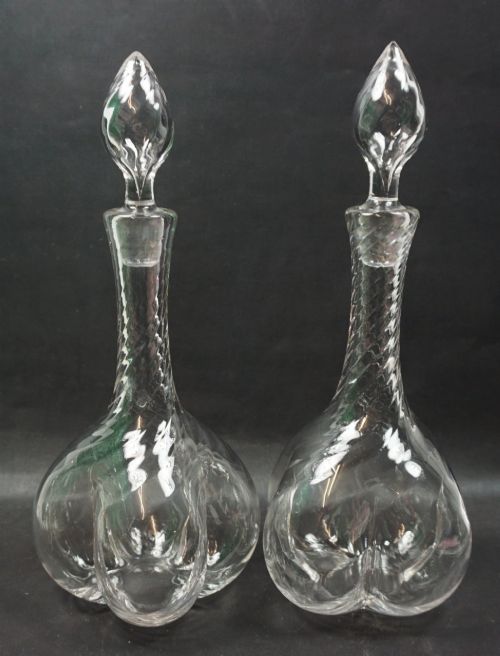
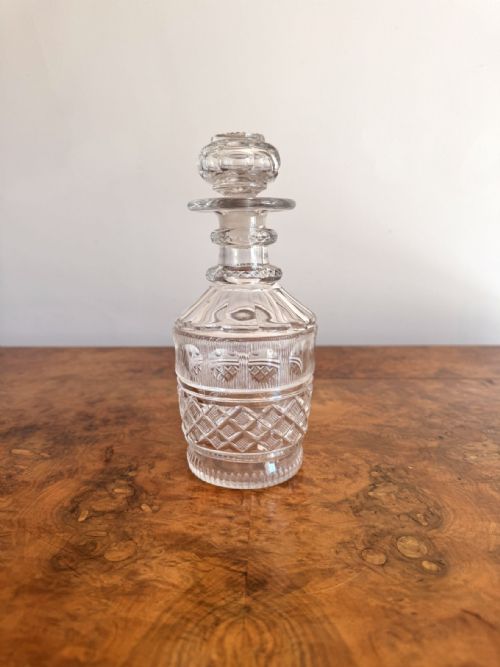
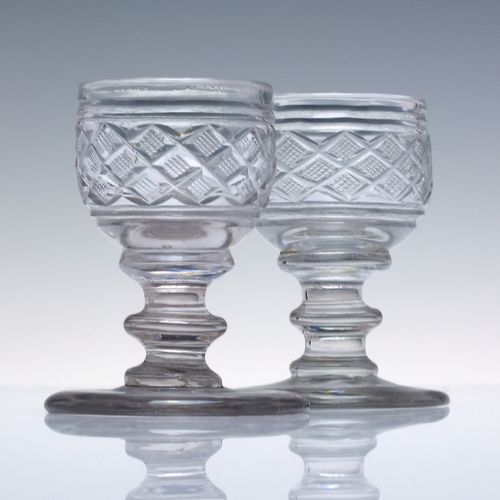
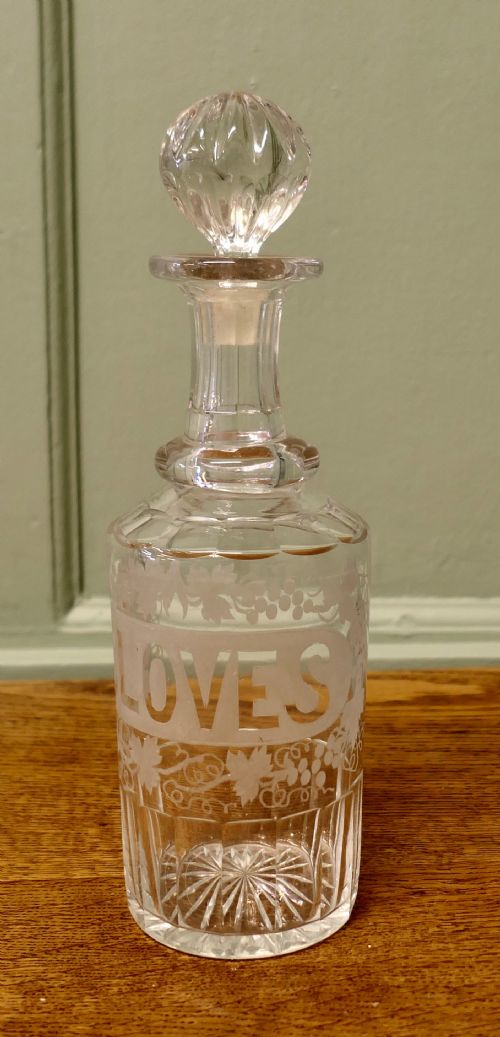
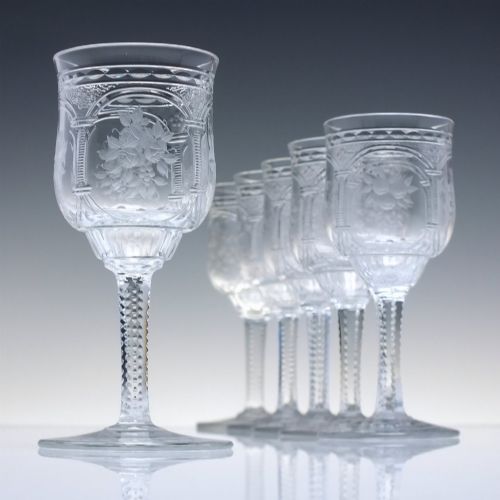
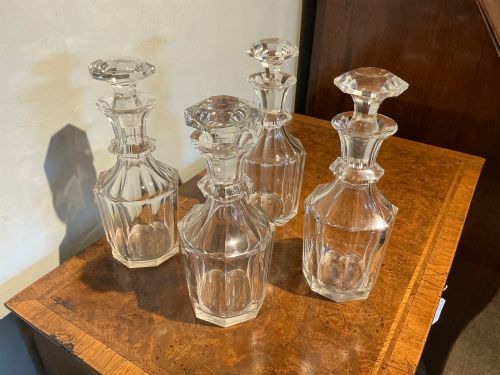
When you search for a clear crystal spirit glass, you encounter drinking vessels, dram glasses, and decanters spanning the Georgian, Victorian, and Edwardian periods. These objects range from small dram glasses intended for spirits to tall decanters and sets designed for whisky, gin, and bitters.
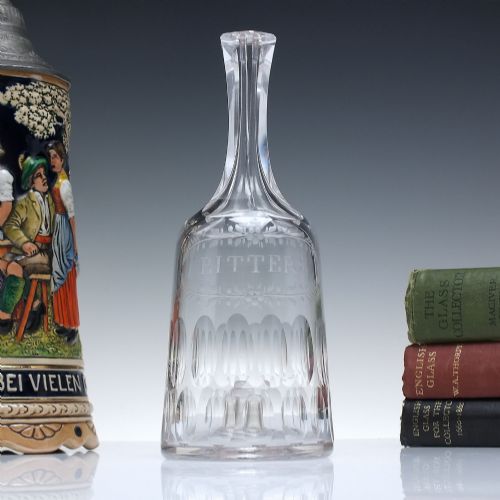
The pieces you meet most often on this page date from the nineteenth and early twentieth centuries, particularly the Victorian and Edwardian eras, alongside earlier Georgian examples. Forms include ovoid, square-section, and bell-shaped vessels, often accompanied by matching tumblers or spirit glasses.
Originating primarily from English, Irish, and continental makers, these items reflect centuries of domestic entertaining and sideboard display. Each piece demonstrates the functional requirements of storing and serving spirits with clarity and poise.
Materials and production methods
The primary material seen across these listings is lead glass and crystal glass, selected for its high refractive index and weight. Makers utilised clear glass, lead crystal, and cut crystal to achieve deep brilliance and durability.
Techniques such as facet cutting, wheel engraving, and etching define the surface decoration of these vessels. Artisans also applied handles and silver mounts to specific forms, combining molten glass shaping with cold-work finishing.
Clear Crystal Spirit Glass Retail Price Guide 2026
Typical asking prices for clear crystal spirit glass among the pieces listed under this phrase on Sellingantiques today, from the lower quarter to the upper quarter. They describe what is for sale here now, not the wider market.
Listings feature periods from the early 18th century through the Art Deco era, encompassing Georgian, Regency, Victorian, and Edwardian styles.
Factors determining quality
The distinction between ordinary and superior pieces lies in the crispness of the cut and the purity of the metal. Sharp, precisely executed facet cutting reflects light cleanly, whereas softer facets indicate a less rigorous hand.
Proportion and weight also dictate the standard of the vessel. A well-balanced form with substantial lead content and minimal optical distortion in the glass body separates the finest examples from standard production.
James Powell·Walsh & Walsh·Baccarat·Karl Palda
The Clear Crystal Spirit Glass Glossary
- Dram glass
- A small drinking vessel traditionally used for serving a measure of spirits. These pieces date from the eighteenth and nineteenth centuries.
- Lead crystal
- Glass containing a significant proportion of lead oxide, which increases density, refractive index, and clarity. This material allows for deep, sharp cutting.
- Facet cut
- A decorative technique involving flat, polished planes ground into the surface of the glass. It enhances the dispersal of light through the vessel.
- Decanter
- A stoppered container used for holding and serving alcoholic beverages. Forms seen include shoulder, ovoid, and bell shapes.
- Claret jug
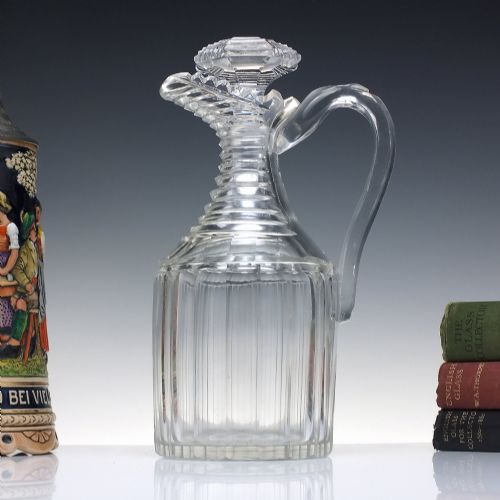
- A large pouring vessel typically fitted with a handle and sometimes a metal mount. These items form part of broader drinkware and decanter sets.
Clear Crystal Spirit Glass: Frequently Asked Questions
How do I date a crystal spirit glass?
Dating relies on observing the form, weight, and cutting style of the vessel. Georgian pieces often exhibit hand-blown pontil marks and simpler facet cuts, while Victorian and Edwardian examples feature heavier lead crystal and more elaborate machinery-assisted decoration.
Matching the object type to documented periods in the listings helps narrow down the decade of manufacture. Consulting specific maker attributions, where present, provides further chronological clarity.
How were these glasses used originally?
These glasses served as personal drinking vessels for potent liquors and cordials during social gatherings. Their small capacity reflects the strength of the spirits consumed in past centuries.
They were kept on sideboards or in cellarets alongside larger decanters. Guests would use them during after-dinner drinking or formal receptions.
How should I care for antique crystal?
Antique crystal requires gentle hand washing in warm water using mild detergent. Sudden temperature changes can fracture old glass, so water temperature must remain consistent.
Staining inside decanters can be addressed with specialised cleaning beads rather than harsh abrasives. Proper handling preserves the polished surface and structural integrity of the piece.