
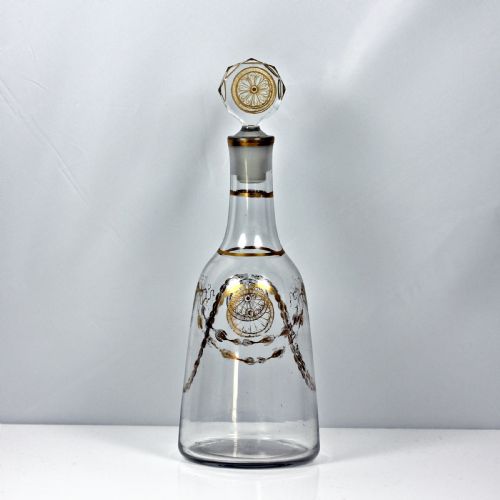


Georgian Spirit Glass
A georgian spirit glass brings small-scale, tactile drinking vessels from the eighteenth and nineteenth centuries into modern hands.
Georgian Spirit Glass
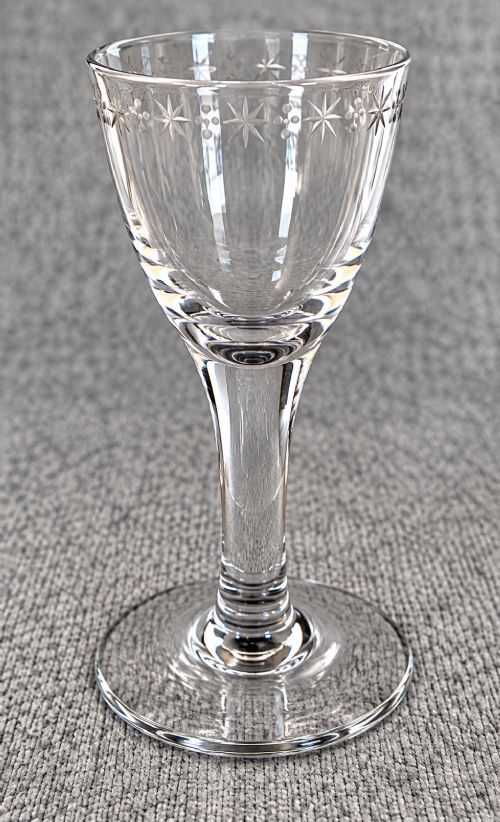
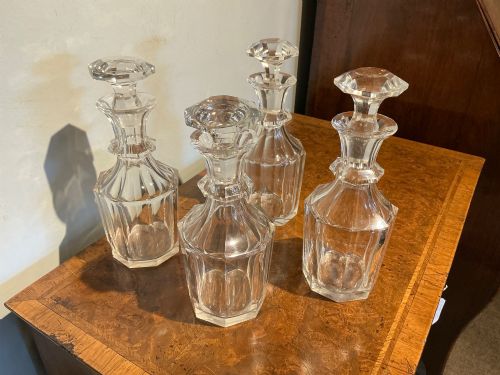
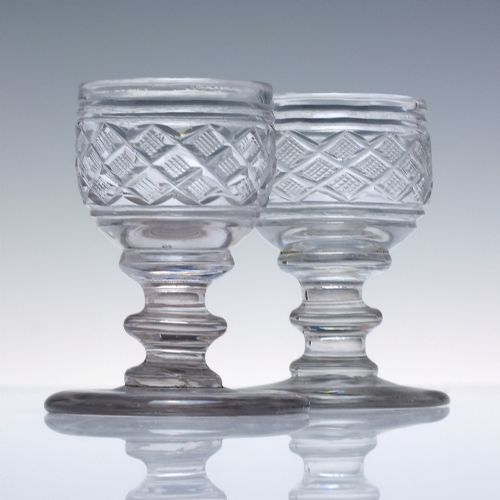
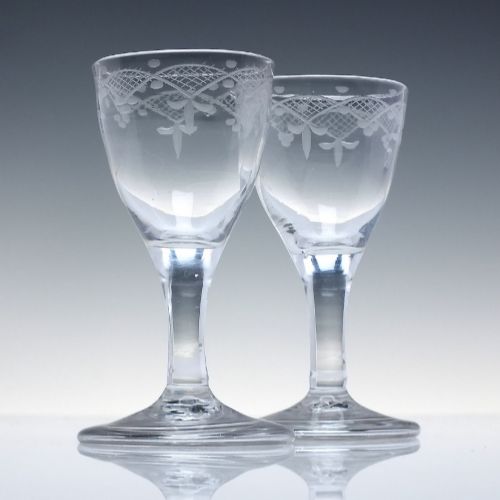
When you search for a georgian spirit glass, you encounter small drinking vessels and decanting bottles designed for drams, cordials, gin, whiskey, and brandy. The items gathered here span from the early eighteenth century through the Regency era and into later nineteenth-century revivals.
Most examples take the form of small dram glasses, cordial glasses, or pocket and table decanters intended for potent liquors. These pieces reflect the drinking habits of past centuries, where spirits were poured in modest quantities from distinctive vessels.
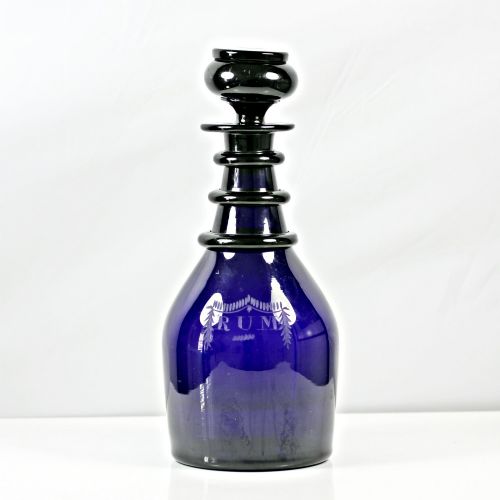
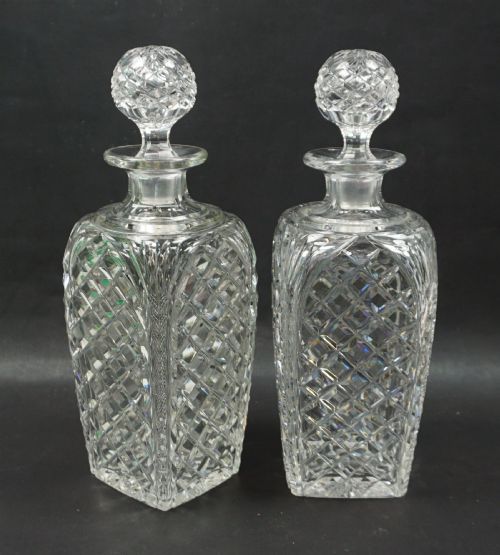
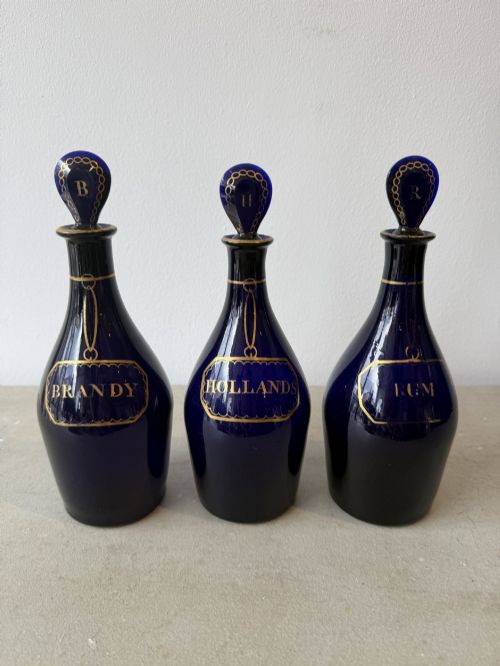
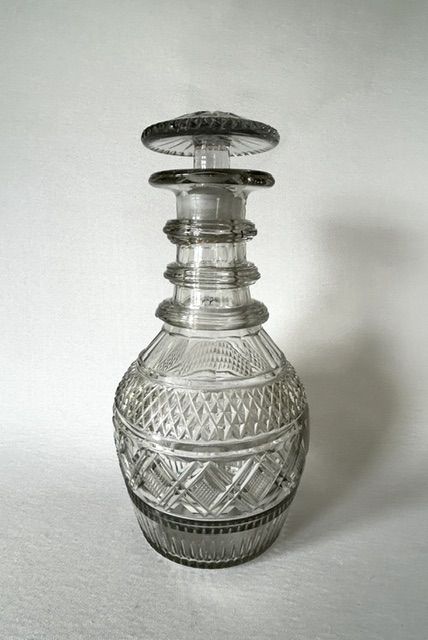
You will find distinct regional variations among English, Irish, and Continental pieces, including deep Bristol blue glass and Anglo-Irish cut crystal. The selection bridges formal dining table accessories and smaller vessels meant for personal use.
How they were made
Makers utilised lead glass, clear glass, and coloured variations such as Bristol blue and white opaline, shaped through blowing and moulding techniques. Artisans often added folded feet for stability and applied air twists or opaque twists within the stems of drinking vessels.
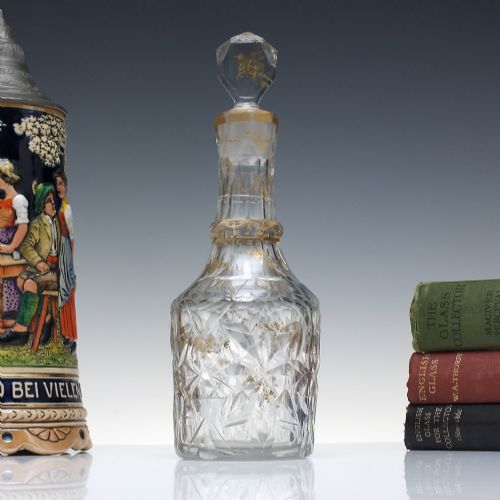
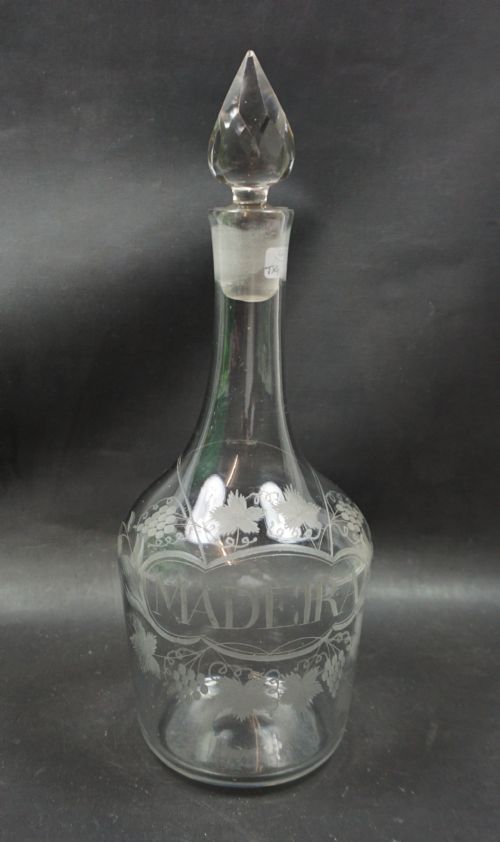
Decoration relied on skilled wheel-cutting, engraving, and hand-painting with gold leaf and enamel details. Workshops like that of James Giles applied elaborate gilding, while other pieces featured practical elements such as cut rings on decanter necks to ensure a secure grip when pouring.
Listings feature lead glass, cut glass, and enamel alongside mahogany decanter boxes and Old Sheffield Plate cruets from the Georgian and Regency eras.
What varies in quality
The distinction between standard items and superior examples rests upon the crispness of the cutting, the weight of the lead glass, and the depth of the colour in blue wares. Finer pieces display precise wheel-engraving and carefully proportioned stems or decanter bodies that balance visual elegance with practical utility.
Provenance and attribution to known workshops, such as specialised decorators or specific glasshouses, elevate certain pieces above domestic production. The clarity of the metal and the preservation of delicate gilding or enamel work further separate routine wares from collector pieces.
Atelier of James Giles·Georgian Nailsea Glassworks
The Georgian Spirit Glass Glossary
- Dram glass
- A small drinking vessel designed for holding a single measure of spirits. These pieces often feature sturdy bowls and folded feet.
- Bristol blue
- A deep cobalt-blue glass produced in Bristol and other centres during the Georgian period. It was frequently used for decanters and spirit bottles.
- Baluster
- A heavy, turned stem form found on early eighteenth-century drinking glasses, resembling architectural supports. This design contributes substantial weight to the lower section of the glass.
- Air twist
- An optical effect created within the stem of a glass by drawing out imprisoned air bubbles during the drawing process. It produces spiral threads of air inside the clear metal.
- Ship's decanter
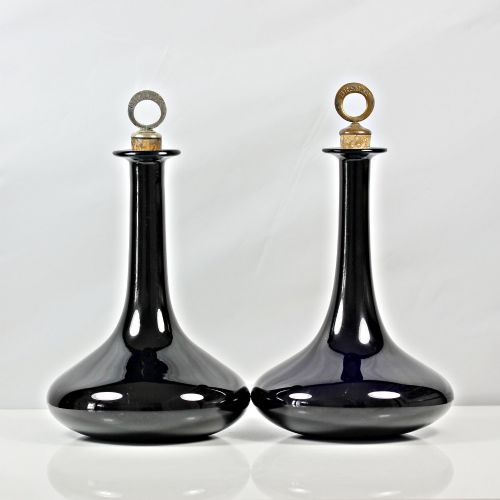
- A decanter with a broad base and tapered neck designed to prevent tipping on rolling vessel tables at sea. The wide footprint keeps the container stable during motion.
Georgian Spirit Glass: Frequently Asked Questions
What is a spirit glass?
A spirit glass is a small drinking vessel intended for consuming strong liquors like whiskey, gin, or cordials in the eighteenth and nineteenth centuries.
These pieces range from simple drawn stems to cut and engraved dram glasses used after meals.
How were spirit decanters used?
Spirit decanters held liquors on sideboards or dining tables, ready to be poured into small glasses for guests.
Their smaller capacity distinguished them from larger wine decanters, reflecting the potency of the contents.
Can I use antique glassware?
Many collectors enjoy using robust lead glass pieces for dining and entertaining today.
Careful hand washing preserves the delicate surfaces, gilding, and historic material of these antique vessels.