

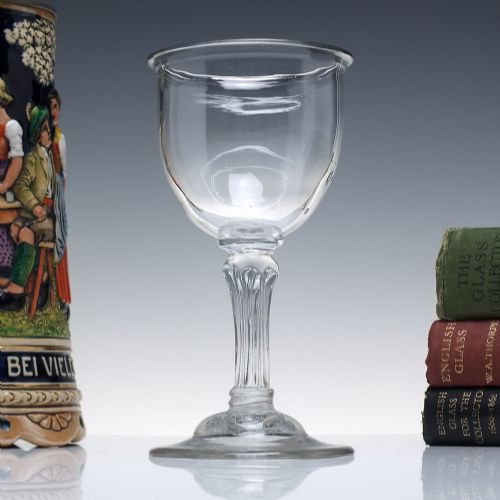


Hand Blown Glass Stemware
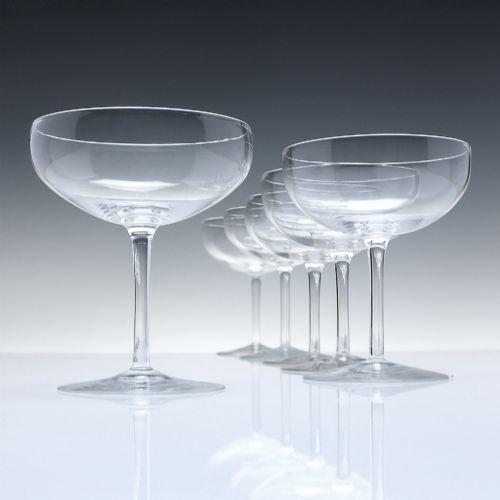
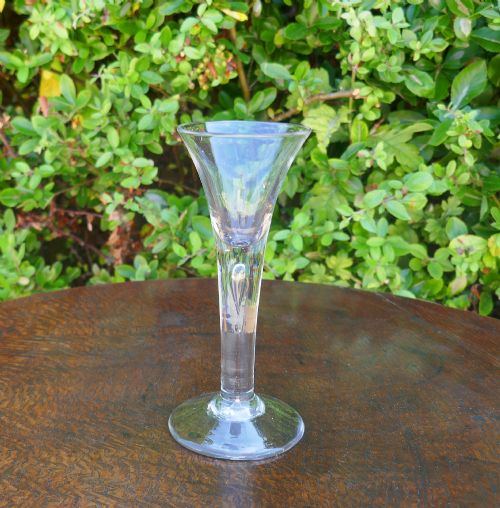
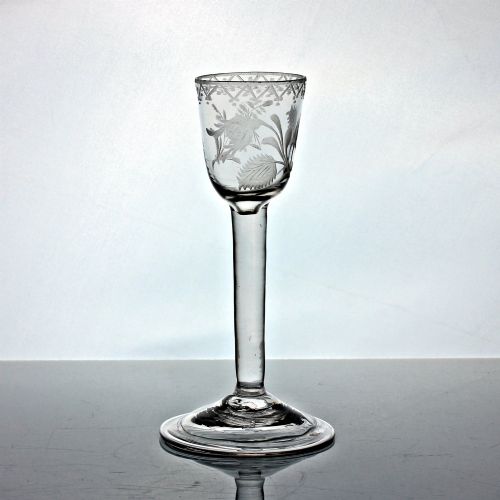
Hand blown glass stemware brings tactile history to the table, offering drinking vessels shaped by early makers across Georgian, Victorian and Edwardian eras.
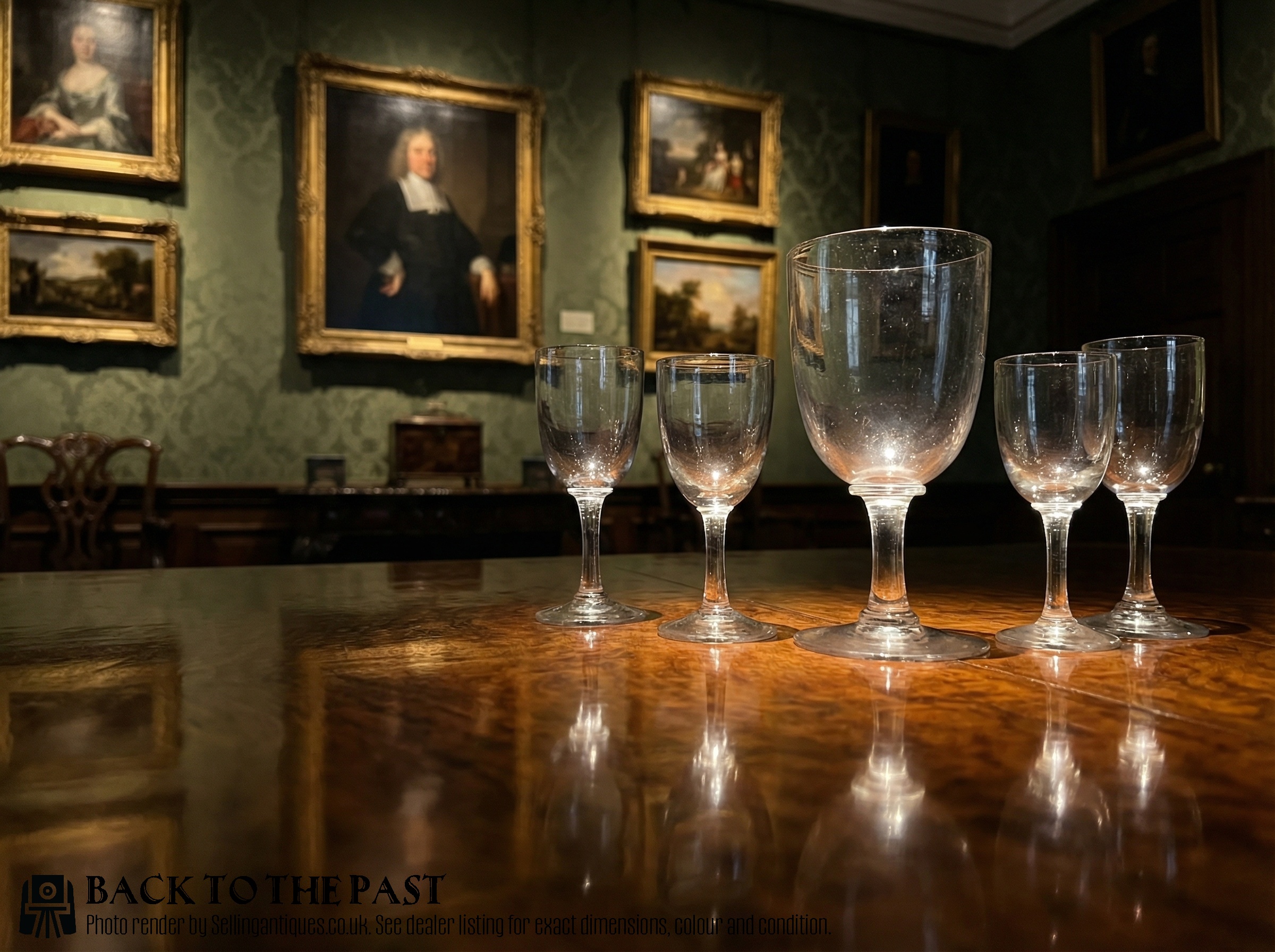
Hand Blown Glass Stemware
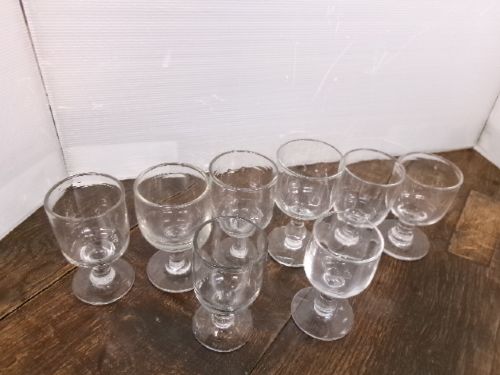
The pieces on this page lean heavily towards the Georgian and Victorian periods, with Edwardian and early twentieth century examples also appearing regularly. You will find single collector pieces alongside matched sets of six, twelve or fifteen glasses, fashioned from clear lead glass as well as vibrant coloured variants.
Origins stretch across Britain and Europe, encompassing English tavern and dining traditions, Scottish twists, Venetian inspiration and Italian Murano work. From simple tavern glasses to elaborate baluster stems, each piece represents the domestic glass culture of its time.
What varies in quality
Quality in hand blown glass stemware rests on the harmony of proportion between bowl, stem and foot, alongside the skill evident in handling the molten metal. Superior pieces demonstrate confident tool work, balanced weight and minimal accidental distortion in the vessel walls.
The complexity of the internal stem structure separates ordinary examples from exceptional ones. Simple plain stems give way to sophisticated baluster forms, complex air-teared columns and intricate opaque twists that demand high technical mastery from the glassblower.
The purity and depth of the glass material itself dictates the upper tier of the range. Whether clear lead glass with high refractive brilliance or rich, consistent cranberry and turquoise hues, the quality of the batch determines the lasting visual impact of the stemware.
Listings for hand blown glass stemware feature pieces spanning from the early 18th century through the Edwardian era, predominantly in lead glass, cranberry glass and clear glass.
Harry Powell for James Powell·Salviati
The Hand Blown Glass Stemware Glossary
- Baluster
- A heavy, swelling stem form reminiscent of architectural balusters, typical of early eighteenth century drinking vessels. This style provides significant weight and tactile presence in the hand.
- Cranberry Glass
- A rich red-pink transparent glass coloured with gold chloride, popular throughout the Victorian era. It frequently appears in matched sets of wine glasses.
- Opaque Twist
- A decorative stem technique where white or coloured enamel glass threads are twisted inside a clear stem. Scottish and English workshops produced these intricate optical effects during the eighteenth and nineteenth centuries.
- Rummer
- A large, substantial drinking glass developed in the Georgian period for ale, wine or punch. These sturdy vessels often feature pan-moulded or cut lower bowls.
Hand Blown Glass Stemware: Frequently Asked Questions
How do I date an old wine glass?
Dating relies on observing the form of the bowl, the construction of the stem and the presence of a pontil mark on the underside of the foot. Earlier pieces often exhibit heavier lead metal and simpler tool marks, while later Victorian and Edwardian examples show more standardised manufacturing methods.
Changes in taxation laws and drinking fashions also influenced the shapes produced across different decades. Comparing bowl profiles and stem characteristics against documented historical types helps narrow down the period of manufacture.
Can I use antique stemware for dining?
Many collectors enjoy using their hand blown glass stemware for special occasions, treating these historical vessels with the respect they deserve. Hand washing in warm water without harsh detergents protects the fragile surfaces and historical glass integrity.
Thermal shock should be avoided by keeping temperature changes gradual when serving liquids. Storing them securely away from edge hazards ensures these survivor pieces remain intact for future generations.
What is an air twist stem?
An air twist stem contains a spiral column of elongated air bubbles running down the length of the glass stem. Makers created these by piercing the hot metal stem blank with a pin and twisting the glass as it was drawn out.
This technique produced shimmering optical effects that caught the candlelight on historical dining tables. It remains one of the most distinctive markers of eighteenth century craftsmanship.
Why are some glasses called rummers?
Rummers were heavy-duty drinking vessels designed for robust everyday use during the Georgian and nineteenth centuries. Their generous proportions accommodated larger volumes of ale, wine or punch compared to delicate cordial glasses.
Their sturdy build helped them survive centuries of tavern and domestic life. Today, they remain appreciated for their solid weight and honest domestic utility.