

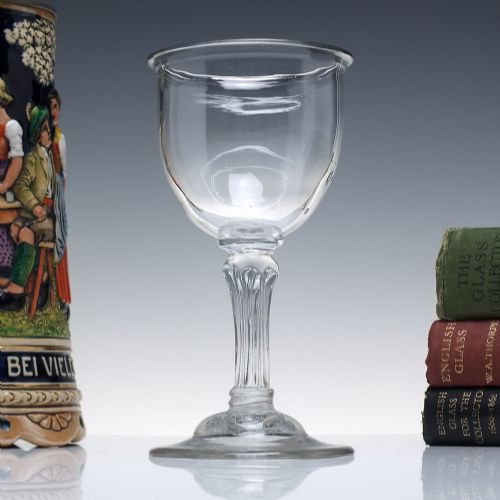


Hand Blown Wine Glasses
These hand blown wine glasses bring individual character to the table, offering tactile weight and historic glasswork that mass production cannot replicate.
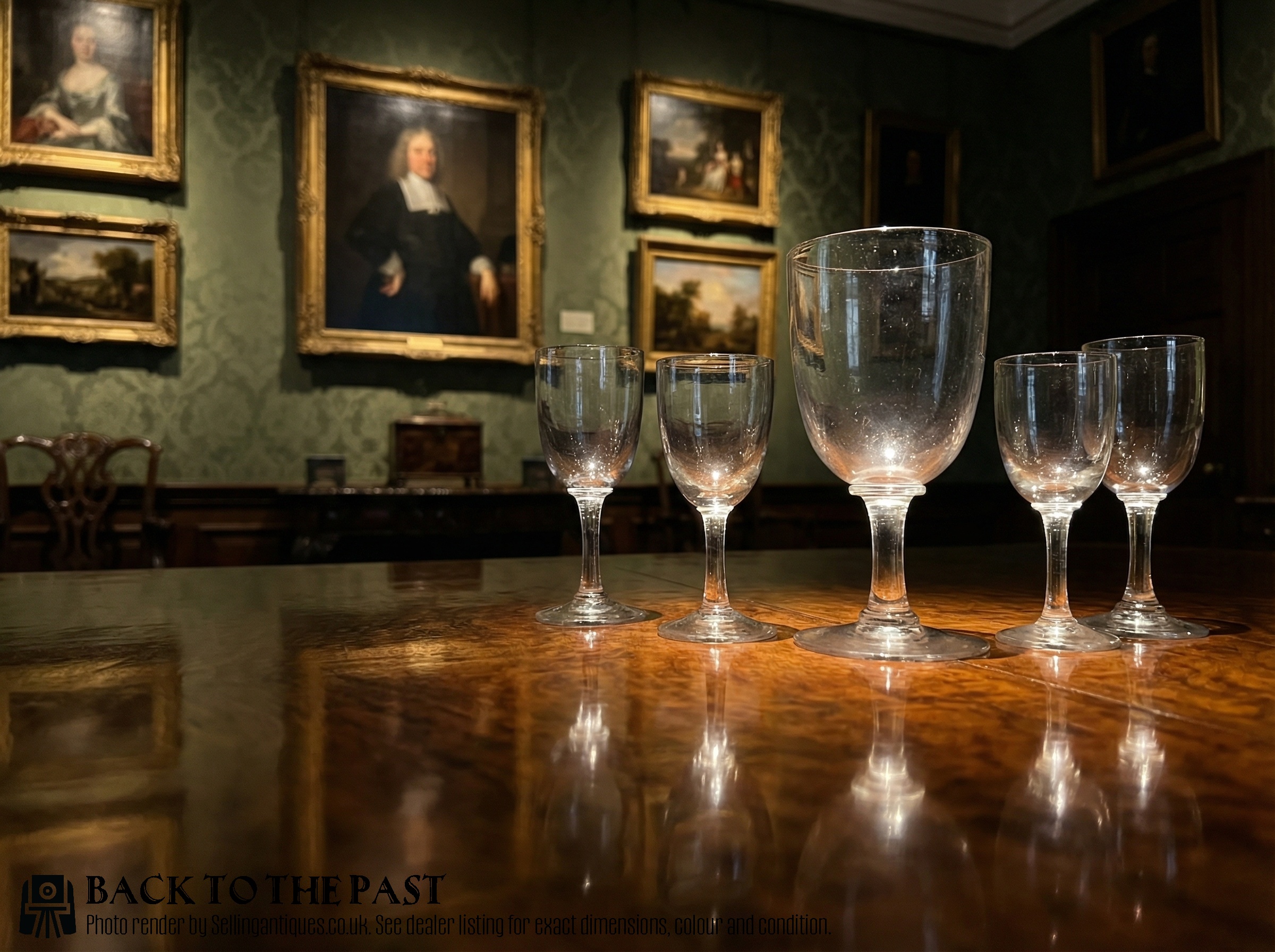
What hand blown wine glasses are
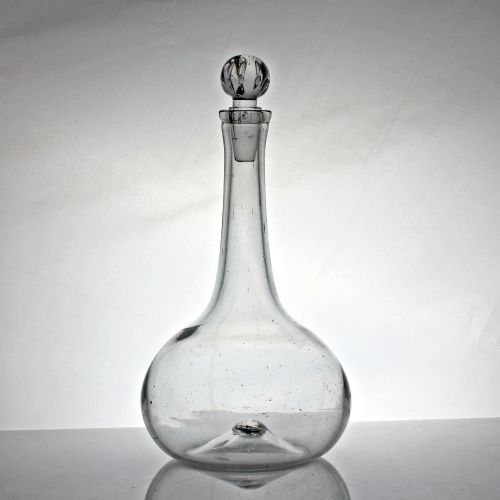
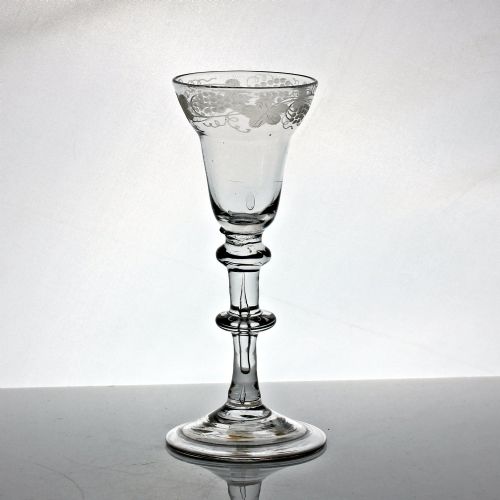
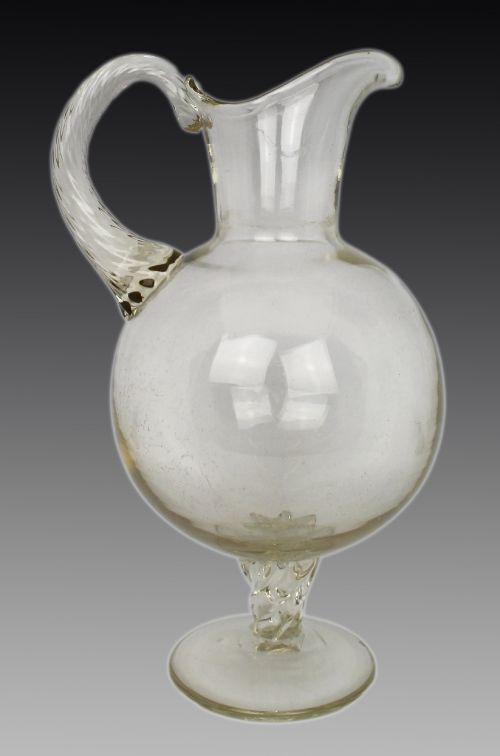
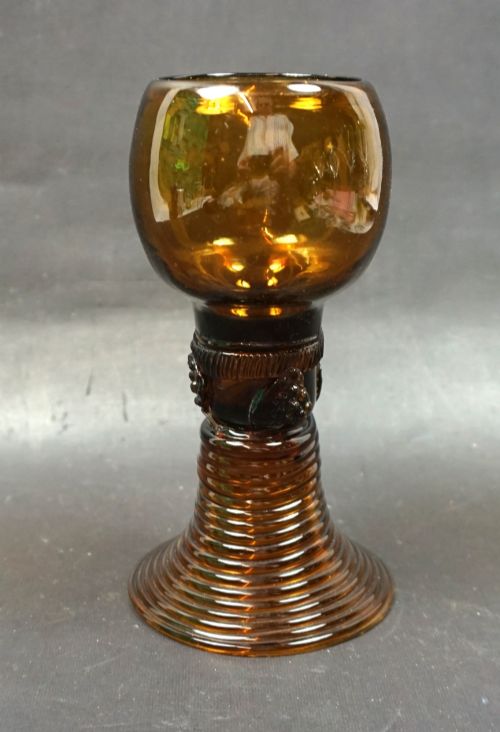
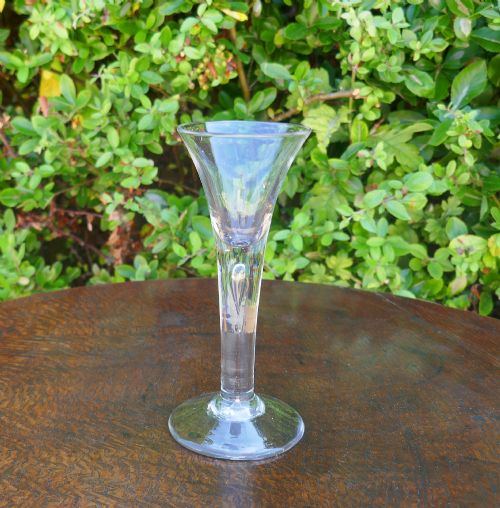
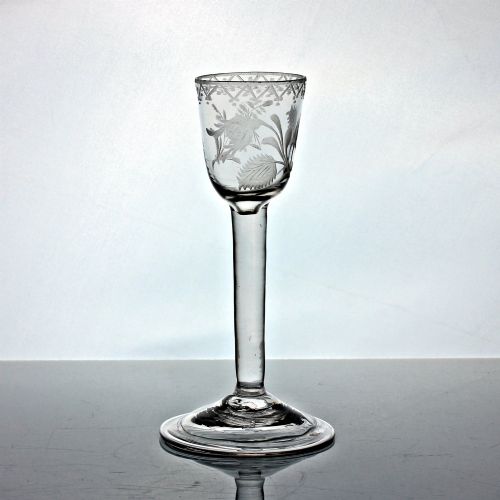
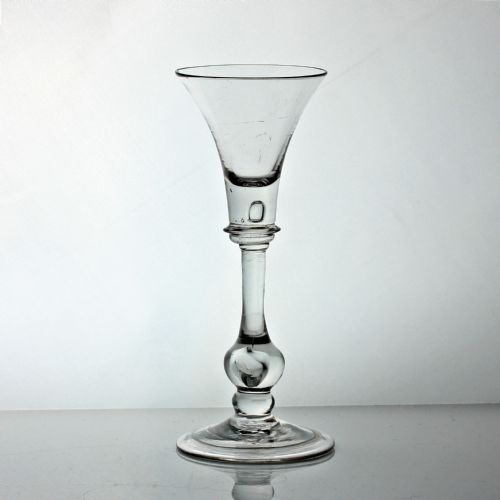
Hand blown wine glasses comprise table vessels shaped by traditional glassblowing techniques during the Georgian and Victorian eras. These drinking vessels serve wine, aperitifs, and cocktails while displaying the slight irregularities typical of early glass production.
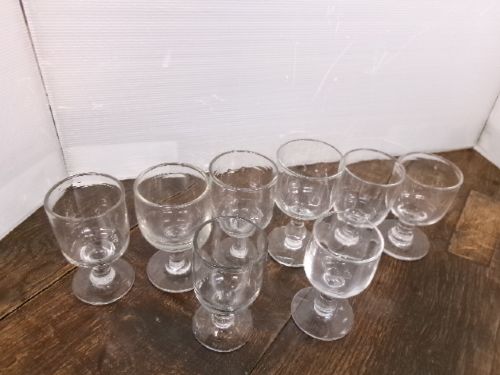
The selections span distinct regional styles, including Bristol green specimens, Venetian Revival pieces, and Scottish opaque twist stems. Buyers frequently encounter sets of six alongside pairs and mixed collections from the nineteenth century.
How they were made
Artisans formed these vessels using hand-blown glass techniques, manipulating molten material while hot to create bowls, stems, and feet. Workshops utilised clear glass alongside coloured variants like cranberry glass and deep green hues.
Makers applied decorative finishes including white enamel and iridescent surface treatments directly to the glass bodies. Pontil marks remaining on the bases confirm the manual separation of the glass from the blowpipe.
Retail Price Guide 2026
Typical UK retail prices for hand blown wine glasses, calculated from the Sellingantiques database of over a million retail prices indexed since 2003. This retail price guide relies exclusively on Sellingantiques data; no external sources or auction records are used, so the figures do not describe the wider market.
Some Victorian wine glasses carry microscopic trapped air bubbles, reminding modern drinkers of the artisan's breath frozen inside the hot metal centuries ago.
What varies in quality
Quality rests in the balance and proportion of the vessel, where finer examples display slender stems and evenly distributed wall thickness. The clarity of the metal and the precision of decorative enamel work distinguish superior productions from simpler utilitarian glassware.
The consistency across a matched set elevates the standing of a group, particularly when six vessels survive together with uniform colour and form. Subtle optical effects within the glass and well-finished pontil scars reflect greater technical competence.
The Hand Blown Wine Glasses Glossary
- Pontil mark
- The rough scar left on the base of glassware where the pontil rod was snapped away after blowing.
- Cranberry glass
- Transparent red glass coloured with gold chloride, widely produced during the Victorian period for tableware.
- Opaque twist
- A decorative stem formation featuring white or coloured enamel threads twisted inside clear glass.
- Venetian Revival
- A nineteenth-century style reviving Renaissance glassmaking methods and ornamental forms associated with Murano.
Frequently Asked Questions
Are these glasses safe to use?
These antique vessels are generally suitable for careful use with cold or ambient drinks. Hand washing protects the historical glass from thermal shock and mechanical damage.
Harsh detergents and automatic dishwashers should be avoided to preserve the original surface texture and any enamel decoration.
How do I date antique glassware?
Dating relies on observing manufacturing characteristics, such as pontil marks, glass colour, and stem construction. Georgian and Victorian pieces exhibit distinct stylistic traits and material compositions.
Comparing the form and decoration with documented examples from the same era helps narrow down the period of manufacture.
Why do the glasses vary in size?
Manual production methods mean no two hand blown wine glasses are entirely identical. Artisans shaped each piece individually without modern moulds, resulting in slight variations in height and bowl capacity.
This variation is a defining characteristic of antique glassware rather than a flaw.
How should I store them?
Store these vessels upright on a stable, flat surface with adequate space between pieces to prevent chipping. Avoid stacking them, as the thin rims and delicate stems are vulnerable to pressure.
A dedicated cabinet away from direct sunlight protects the coloured glass from fading and minimises handling risks.