




Clear Glass Cordial Glasses
Clear glass cordial glasses are small vessels designed for serving spirits and liqueurs, prized by collectors for their delicate stems and historical charm.
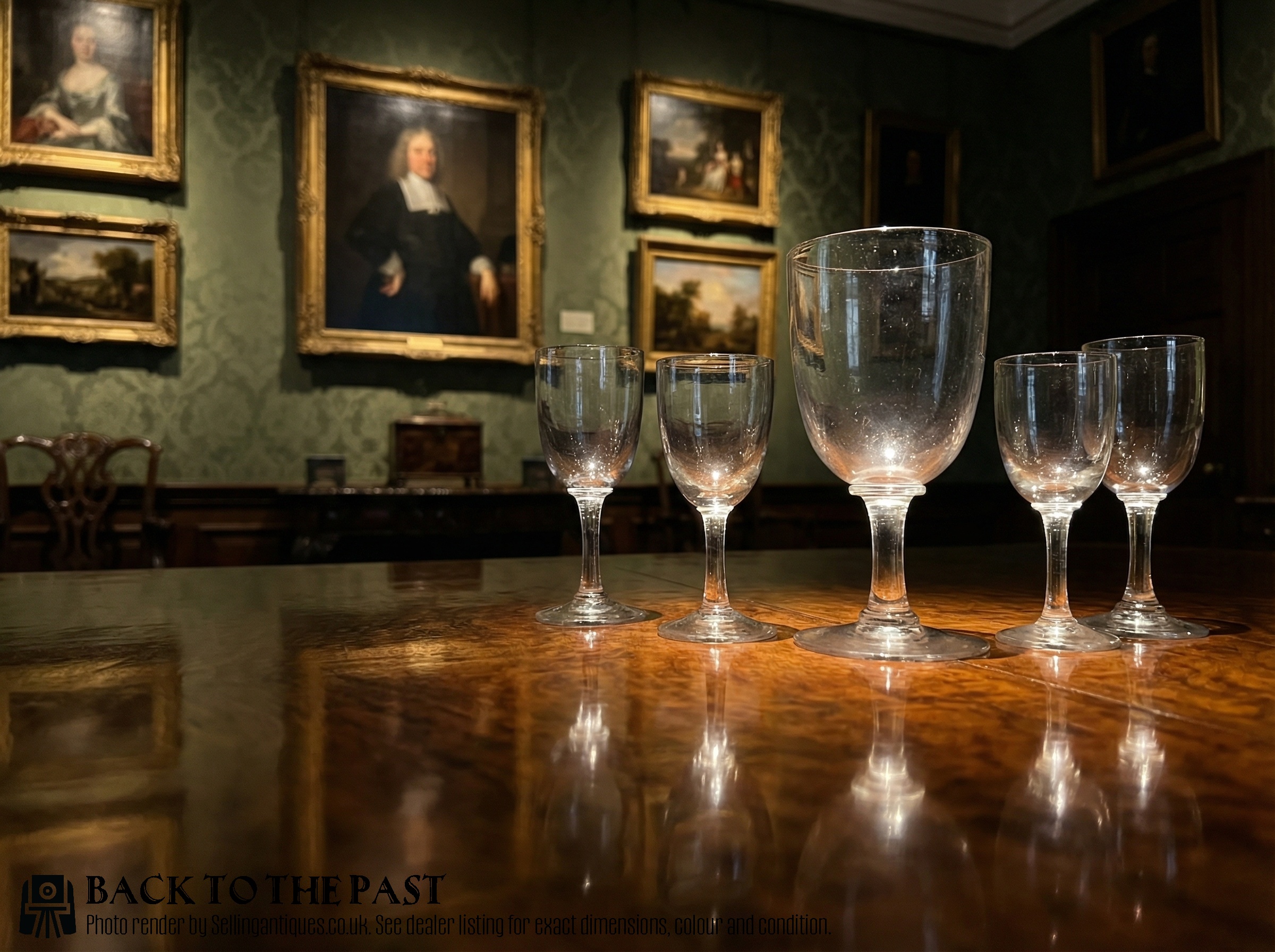
Clear Glass Cordial Glasses
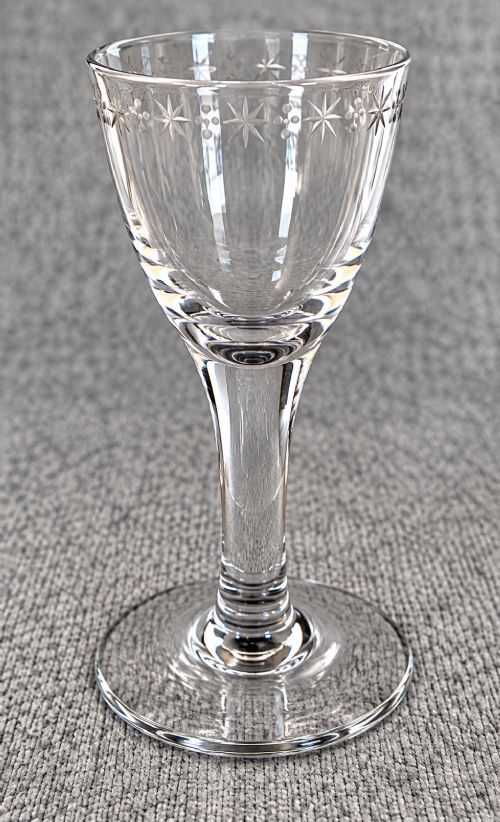
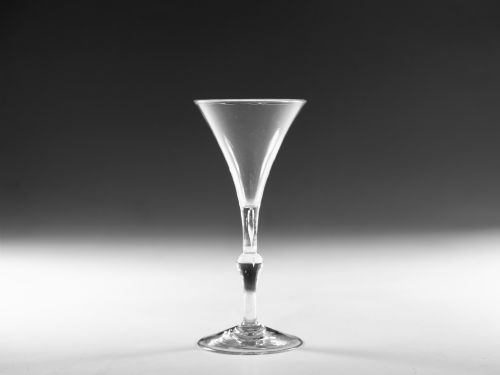
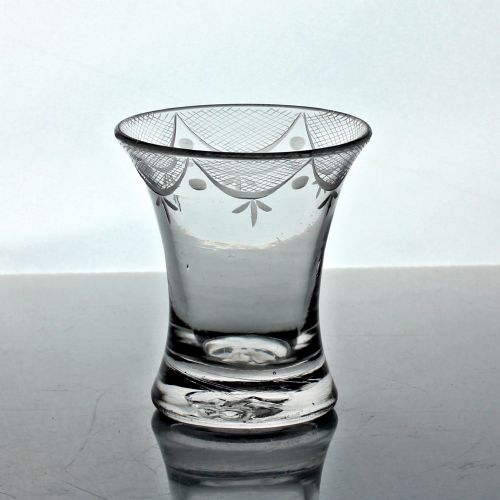
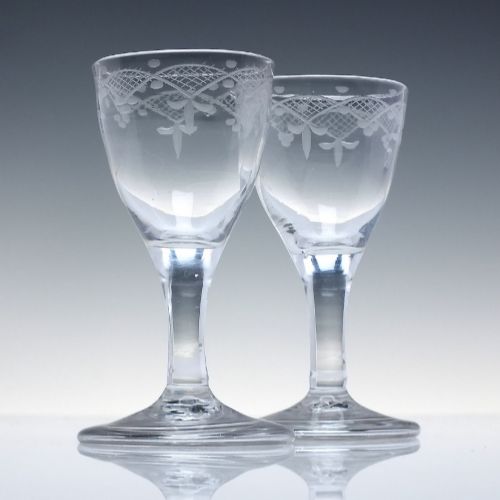
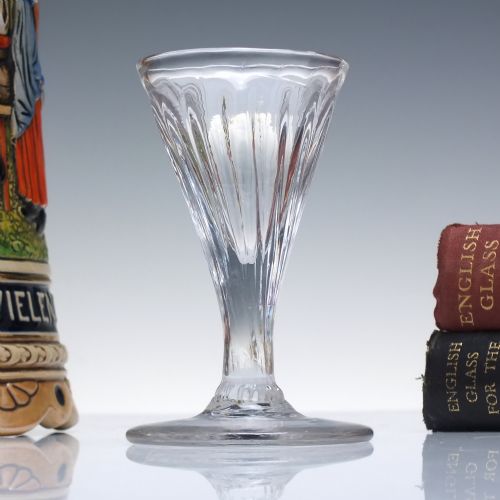
When searching for clear glass cordial glasses, collectors encounter a range of drinking vessels spanning the eighteenth, nineteenth and early twentieth centuries. The selection includes dram glasses, gin glasses, and small wine glasses designed for concentrated liquors.
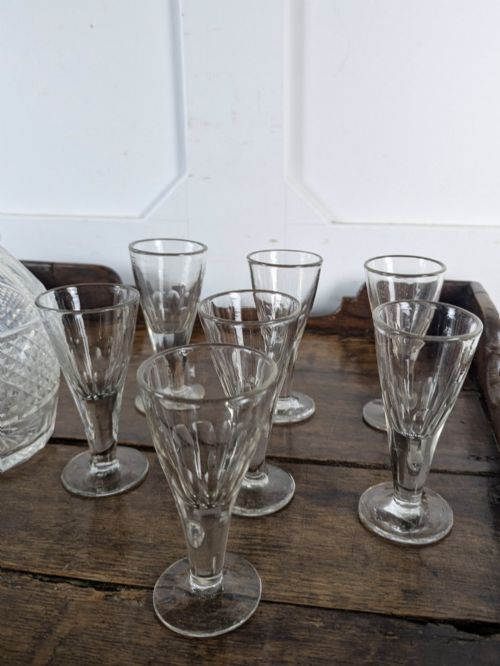
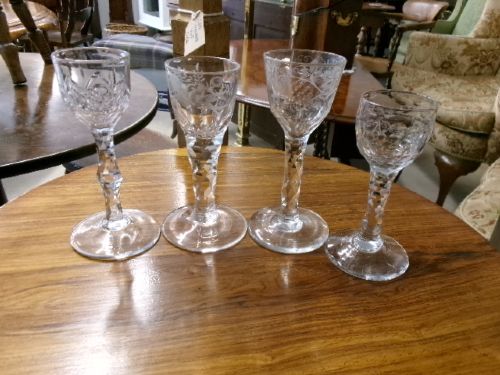
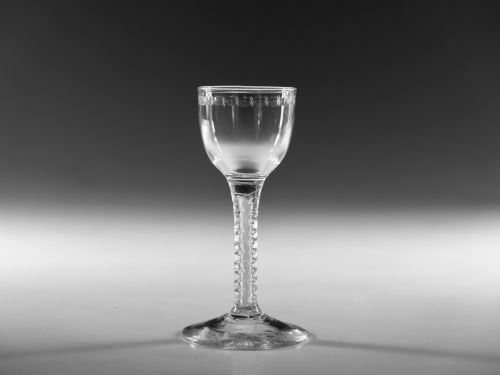
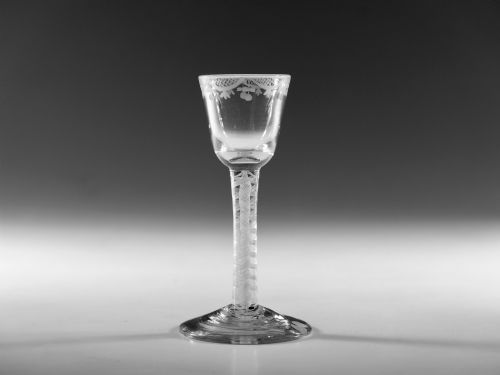
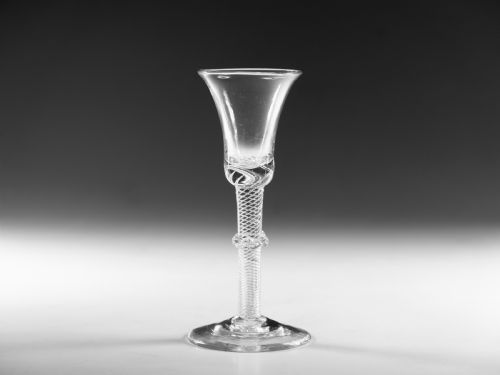
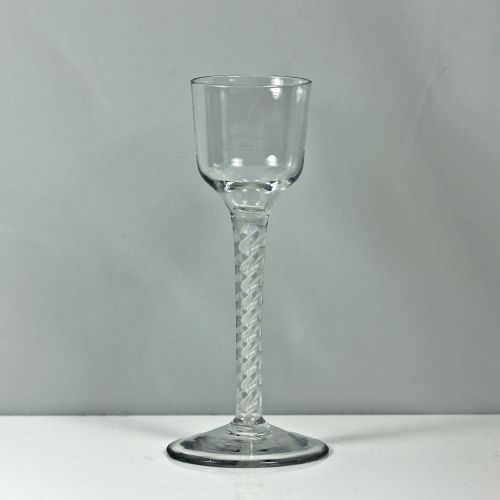
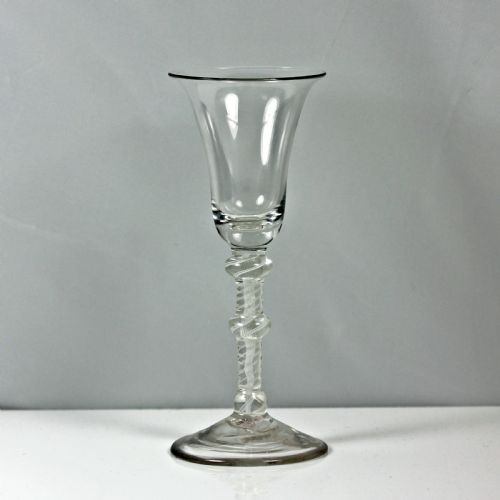
Eighteenth-century examples dominate the offerings, showcasing forms such as baluster stems, air twists, and opaque twists. Later Victorian and Edwardian periods introduce thumb-cuts and matched sets.
Originating primarily from English workshops, these pieces encompass various serving forms including stemware and occasional ewers. The smaller bowl capacities distinguish them from standard wine glasses of the same periods.
How they were made
Glassmakers utilised lead glass, flint glass, and lead crystal, which provided the heavy weight and brilliant clarity characteristic of these drinking vessels. Hand blowing remained the primary technique for forming the bowls and stems.
Moulding and cutting created decorative facets, whilst interior air bubbles or drawn glass twisted threads produced optical effects within the stems. Enamel decoration and etching occasionally provided surface ornamentation to the bowls.
The listings span multiple centuries, ranging from early seventeen-hundreds baluster examples to Edwardian sets.
What varies in quality
Quality in these glasses rests on the precision of the stem formation and the clarity of the metal itself. Finer specimens display complex internal twists or heavy baluster proportions executed without distortion.
The crispness of facet cutting and the stability of the wide foot base also differentiate superior examples. Proportion and weight balance determine the overall execution of each individual vessel.
The Clear Glass Cordial Glasses Glossary
- Air twist
- A stem formation created by drawing out air bubbles within the molten glass into spiral threads.
- Baluster stem
- A heavy, thick stem shape resembling a architectural baluster, common in early eighteenth-century pieces.
- Folded foot
- A glass foot with the outer rim folded underneath to create a thickened, durable edge.
- Opaque twist
- A stem containing white enamel glass threads spun into spiral patterns.
- Ratafia glass
- A tall, narrow cordial glass specifically used for sweet fruit liqueurs.
Clear Glass Cordial Glasses: Frequently Asked Questions
What are clear glass cordial glasses used for?
These small glasses served strong spirits, liqueurs, and medicinal cordials after meals in past centuries. Their limited bowl capacity controlled the portion size of potent drinks.
Today, collectors use them to display historical glassmaking techniques or continue serving small measures of digestifs at formal dinners.
How do you date an antique cordial glass?
Dating relies heavily on the stem construction, bowl shape, and foot formation recorded in each piece. Eighteenth-century versions often feature air twists, opaque twists, or heavy baluster profiles.
Later Victorian and Edwardian examples shift towards cut glass patterns, matched sets, and slightly heavier proportions.
Why do some glasses have folded feet?
Glassmakers folded the rim of the foot underneath during manufacture to reinforce the weakest part of the drinking vessel. This technique provided extra weight and stability to the base.
Folded feet appear frequently on eighteenth-century dram and cordial glasses.
What is the difference between a dram glass and a cordial glass?
Dram glasses typically feature smaller, sturdier bowls intended for a straight measure of whisky or spirits. Cordial glasses often present taller or more slender profiles designed for sweet liqueurs.
Both categories overlap significantly in eighteenth-century drinkware terminology.