





Nineteenth Century Glass Goblets
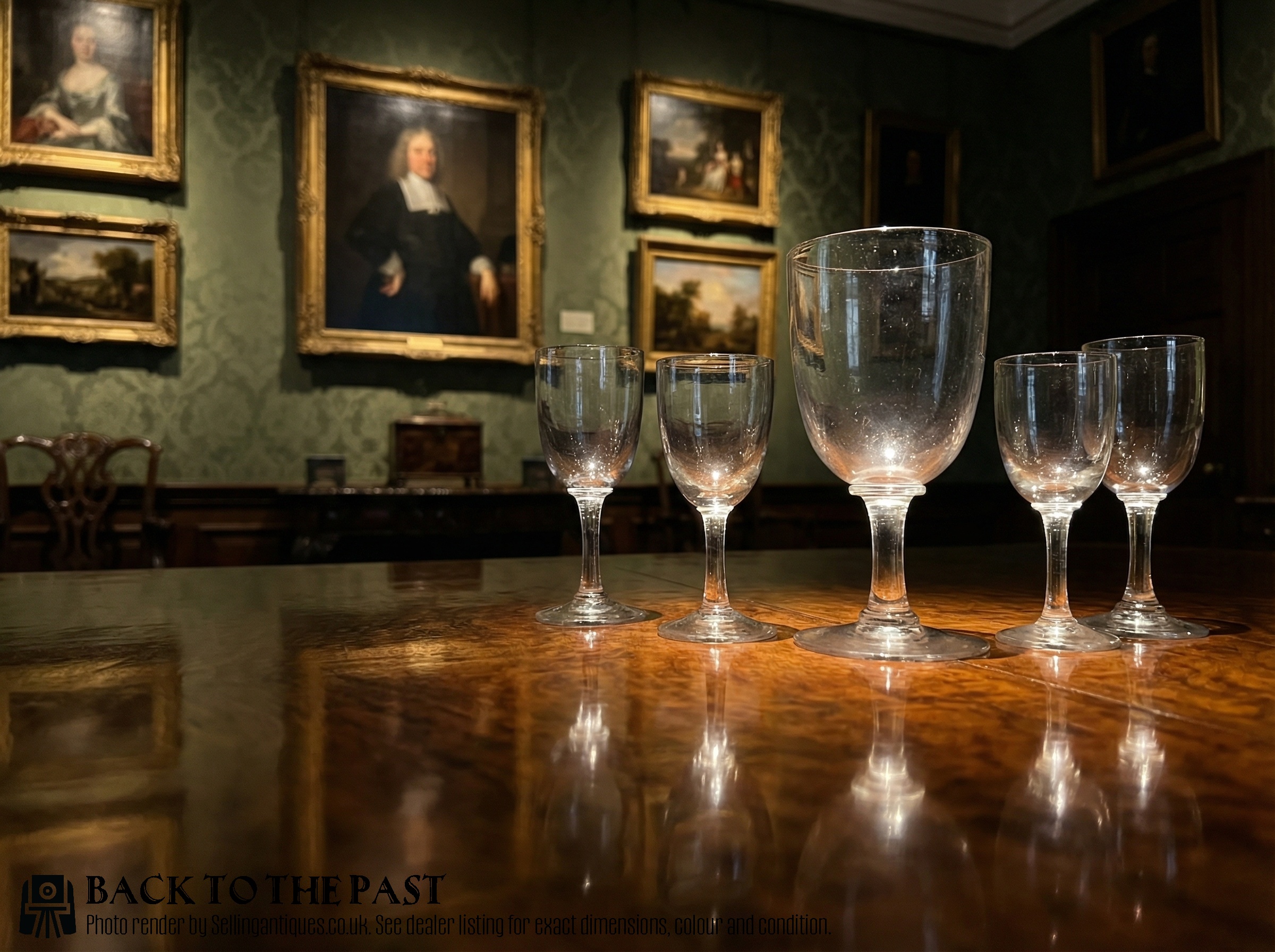
Nineteenth century glass goblets bring weight and clarity to the table, offering tactile drinking vessels shaped by Victorian and Georgian hands.
Nineteenth Century Glass Goblets
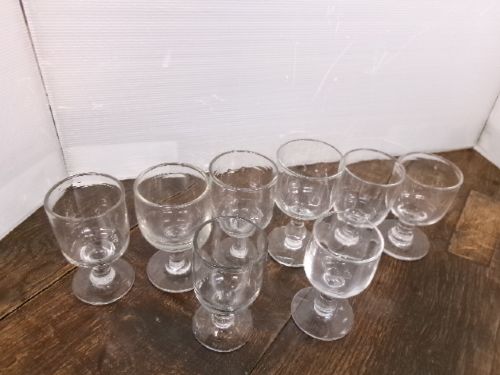
When searching for nineteenth century glass goblets, a buyer encounters a diverse group of drinking vessels spanning the Georgian, Regency, and Victorian eras. These pieces include substantial rummers, ceremonial beakers, dessert wine glasses, and matching sets intended for dining and display.
The versions most commonly met on this page range from heavy lead crystal rummers to colourful blown glass sets, such as aqua green dessert wine glasses and peacock blue vessels. Originating from English, Bohemian, and Venetian workshops, these items capture the shifting domestic and ceremonial tastes of the 19th century.
How they were made
Maker's hands shaped these objects primarily through hand blowing and lead crystal production, yielding clear and coloured glass with distinct optical weight. Artisans utilised free-blowing and mould-blowing techniques to form the basic bowls and stems of wine glasses and rummers.
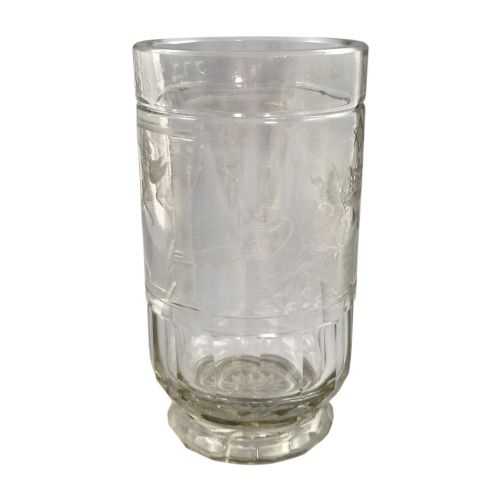
Surface decoration frequently involved intricate engraving, etching, and the application of gold leaf or gilding. Certain pieces, such as Bohemian and Venetian examples, combined coloured glass layers with delicate latticino work or elaborate cut crystal facets.
Nineteenth Century Glass Goblets Retail Price Guide 2026
Typical asking prices for nineteenth century glass goblets among the pieces listed under this phrase on Sellingantiques today, from the lower quarter to the upper quarter. They describe what is for sale here now, not the wider market.
One exceptional ceremonial beaker bears a Masonic design, proving that 19th century toast-makers took their secret handshakes very seriously indeed.
What varies in quality
The distinction between standard domestic drinkware and the top of the range rests on the depth and precision of the craftsmanship. Hand-engraved heraldry, ceremonial motifs, and crisp wheel-cut facets separate ambitious Bohemian and English commissions from plain utility pieces.
Consistency across a set and the brilliance of the lead crystal or coloured glass dictate overall merit. Rich hues, intact gilding, and well-balanced proportions demonstrate superior workshop execution.
Moser Bohemian
The Nineteenth Century Glass Goblets Glossary
- Rummer
- A heavy, large-bowled drinking glass popular during the Georgian and early Victorian periods for ale or wine. It typically sits on a short, sturdy stem above a circular foot.
- Latticino
- A Venetian glass technique employing white or coloured opaque glass threads embedded within clear glass to form delicate net or lace patterns.
- Lead crystal
- Glass containing lead oxide, which increases weight, refractive brilliance, and clarity. It allows for deep, sharp cutting by the artisan.
Nineteenth Century Glass Goblets: Frequently Asked Questions
What is the difference between a rummer and a wine glass?
Rummers are generally larger, heavier drinking vessels designed with sturdy stems and deep bowls for ale, cider, or wine during the Georgian and Victorian eras. Wine glasses from the same periods usually feature more delicate proportions and smaller bowls suited to lighter vintages.
Buyers will notice that rummers often display thicker walls and broader feet to withstand robust daily use on the dining table.
How do I care for antique glass goblets?
These drinking vessels require gentle hand washing in lukewarm water with mild soap to protect fragile surfaces and any applied gold leaf or gilding. Avoid sudden temperature changes to prevent thermal shock in the lead crystal and blown glass.
Storing them safely on stable shelving away from direct sunlight preserves the clarity of coloured glass and clear crystal over time.
Were nineteenth century goblets used daily or displayed?
Many sets of wine glasses and rummers served functional roles during formal dinners, family meals, and festive gatherings. Larger ceremonial beakers and decorative pieces fulfilled commemorative or display purposes within the home.
Their survival in matched sets or harlequin groups indicates that families valued them for both practical dining and visual presentation.
How can I tell Georgian glass from Victorian pieces?
Georgian and Regency examples often display simpler, robust forms with heavy lead crystal weight, pontil marks underneath, and restrained cutting. Victorian pieces frequently introduce greater colour variety, such as peacock blue and aqua green, alongside etched floral motifs or elaborate Bohemian engraving.
Examining the stylistic cues and manufacturing techniques helps place a vessel within its specific 19th century decade.