



Victorian Glass Drinking Cups
These Victorian glass drinking cups bring tactile weight and rich colour to the table, offering a tangible link to nineteenth-century entertaining.
Victorian Glass Drinking Cups
Victorian glass drinking cups encompass a varied group of tableware and barware, spanning everything from delicate coloured wine glasses to robust spirit flasks and goblets. You are most likely to encounter nineteenth-century pieces that combine hand-blown glass with metal mounts, reflecting the diverse manufacturing centres of the era.
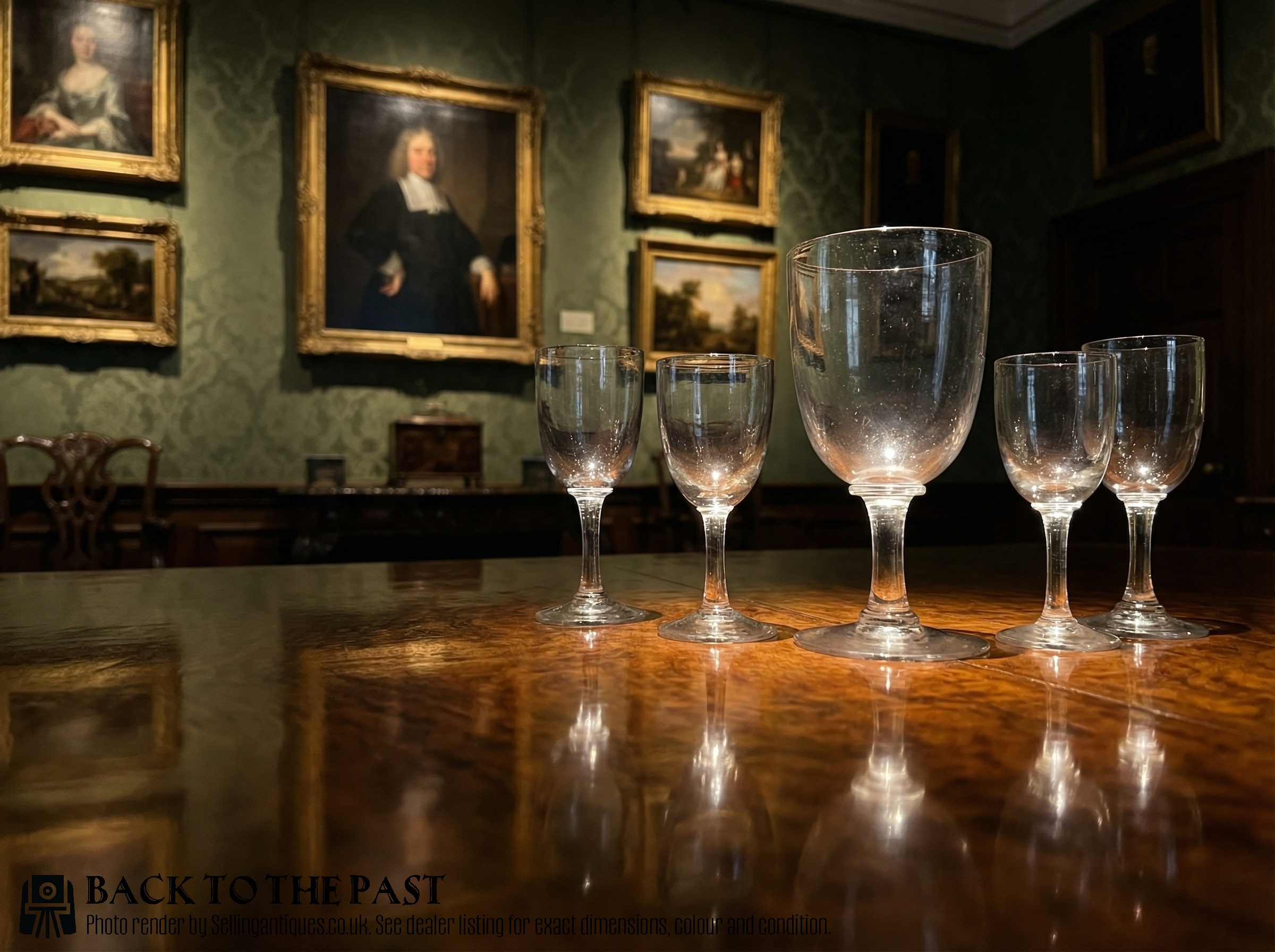
The selection ranges from Bristol green and blue wine glasses to matched sets of liquor glasses and functional spirit sets. These objects illustrate the shifting social habits of the period, moving from formal dining table glassware to portable travel accessories.
Originating largely from British and European workshops, the items show a distinct shift in palette and form as the decades progress from the 1860s towards the turn of the twentieth century. Collectors find both single display items and full dining sets across these listings.
Materials and manufacture
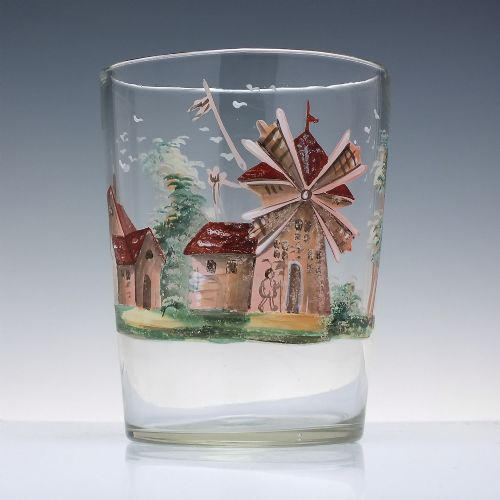
The primary material is glass, frequently hand-blown, cut, or frosted to achieve specific decorative effects. Artisans utilised clear and coloured glass, notably deep blue and Bristol green hues, shaped by hand while molten.
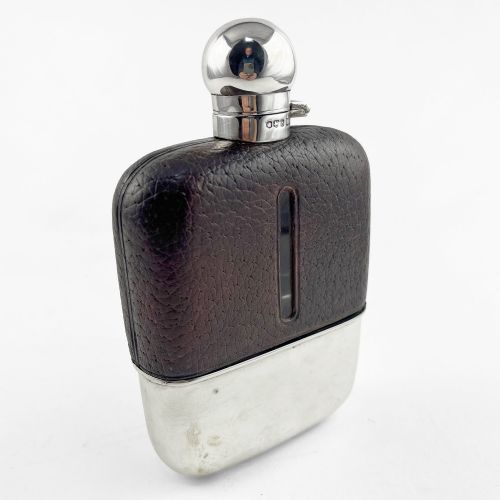
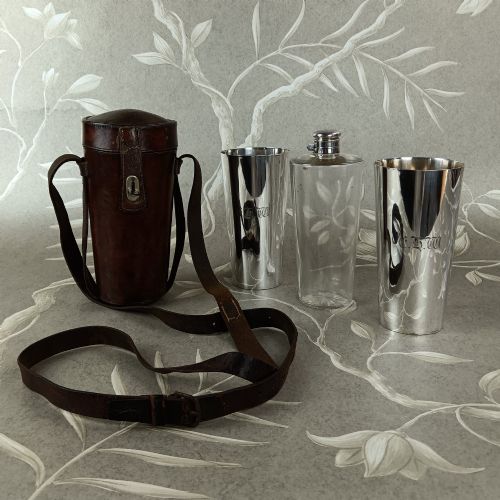
Many examples incorporate metal elements, combining sterling silver, silver plate, and metal mounts with the glass vessel. Leather casing and silver-gilt parcel finishes appear on travel flasks and presentation goblets, showing combined metalworking and glasscraft.
Victorian Glass Drinking Cups Retail Price Guide 2026
Typical asking prices for victorian glass drinking cups among the pieces listed under this phrase on Sellingantiques today, from the lower quarter to the upper quarter. They describe what is for sale here now, not the wider market.
The listings on this site combine clear hand-blown glass, frosted crystal, and coloured wares with sterling silver and silver-plated metal mounts.
Judging quality
Quality rests upon the crispness of the glass cutting, the depth and uniformity of coloured glass, and the weight of the material in the hand. Superior examples display clear hand-blown characteristics without excess distortion in the vessel walls.
The integration of metal mounts, such as silver collars or removable cups, distinguishes finer pieces where smith and glassmaker work in harmony. Hallmarked silver components and intact leather cases further elevate the status of utilitarian barware.
James Dixon And Sons·Salviati
The Victorian Glass Drinking Cups Glossary
- Spirit Flask
- A portable container designed for carrying liquor, commonly fitted with a removable cup at the base. They often incorporate silver mounts and leather sleeves for travel use.
- Frosted Crystal
- Glass treated to produce a translucent, matte surface rather than a clear polished finish. This technique creates a soft texture often seen on nineteenth-century barware barrels.
- Bristol Green
- A deep, characteristic green glass associated with Bristol production centres during the eighteenth and nineteenth centuries. It was widely utilised for wine glasses and tableware.
- Parcel Gilt
- Silverwork that is partially gilded with gold on specific decorative areas to create contrast. This finish appears on nineteenth-century goblets and presentation pieces.
Victorian Glass Drinking Cups: Frequently Asked Questions
How were these cups used?
They served various functions depending on their form, from formal dining table service with coloured wine glasses to personal use with spirit flasks and campaign sets. Portable versions accommodated travellers and outdoor dining.
Sets of liquor glasses and beakers were kept in dining rooms for after-dinner drinks. Larger dispensers handled the service of spirits in domestic or club settings.
How do I date these items?
Dating relies on assay office hallmarks stamped on silver mounts, stylistic indicators in the glass colour, and manufacturing techniques like hand-blowing. Silver components often bear specific date letters and maker marks.
Changes in shade, such as the preference for Bristol green or deep blue, align with broader nineteenth-century design shifts. Comparing the form against documented period catalogues helps narrow the decade of production.
How do I care for antique glass?
Gentle hand washing in lukewarm water using mild detergent is essential, avoiding sudden temperature changes that can crack nineteenth-century glass. Silver mounts require appropriate polishing away from the glass surface.
Storage should prevent friction between matching sets of wine glasses or stacked items. Displaying them out of direct sunlight preserves the rich tones of coloured glass.