
18th Century Glass Vessel
An 18th century glass vessel brings tactile history to a room through genuine period craftsmanship.
18th Century Glass Vessel
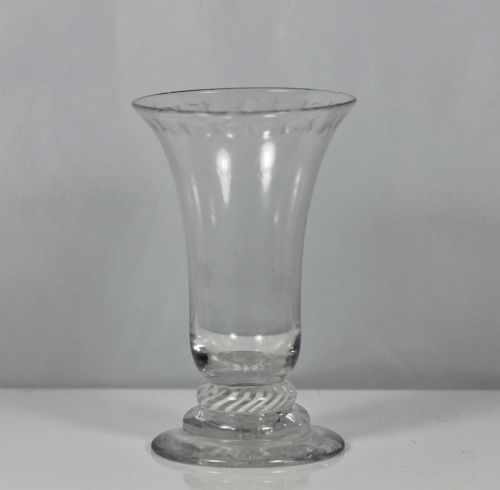
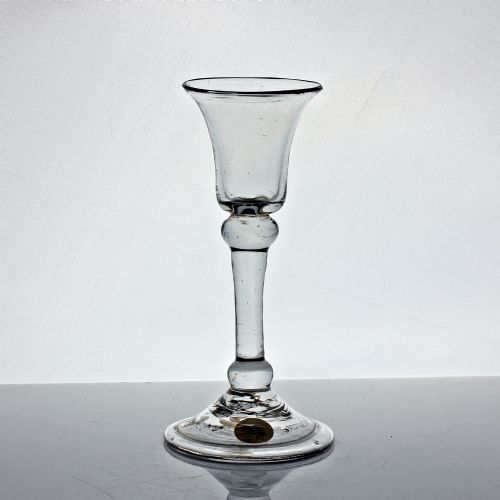
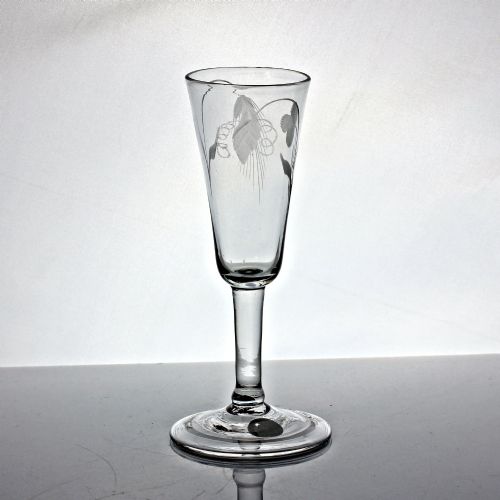
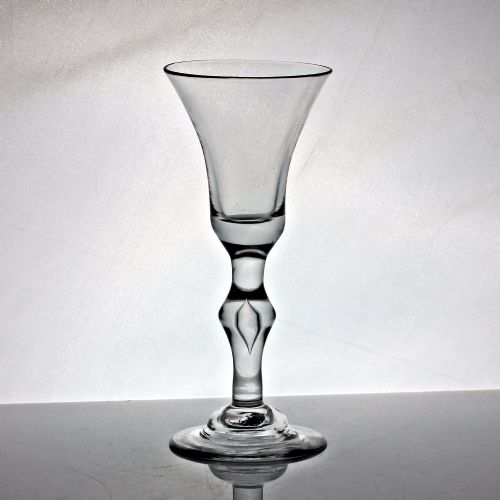
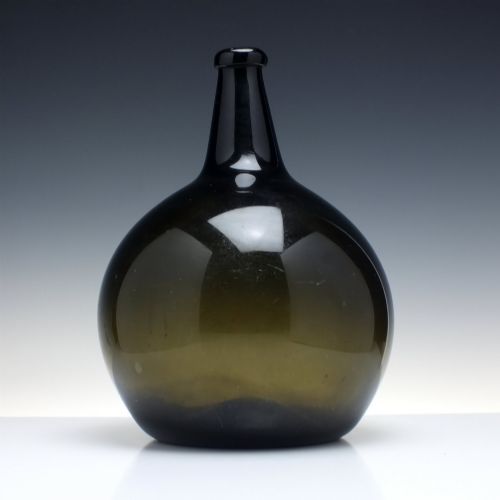
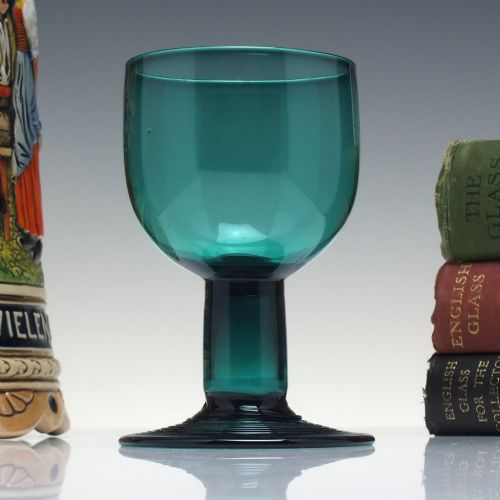
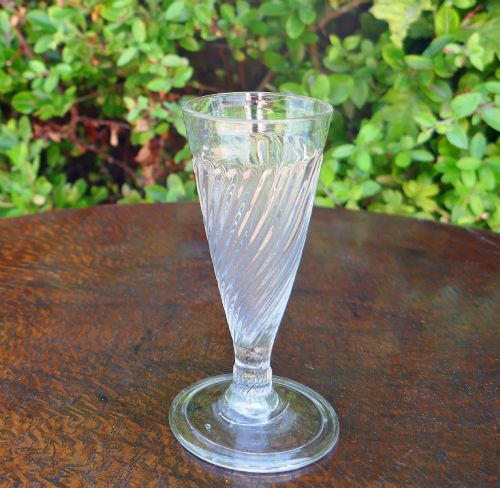
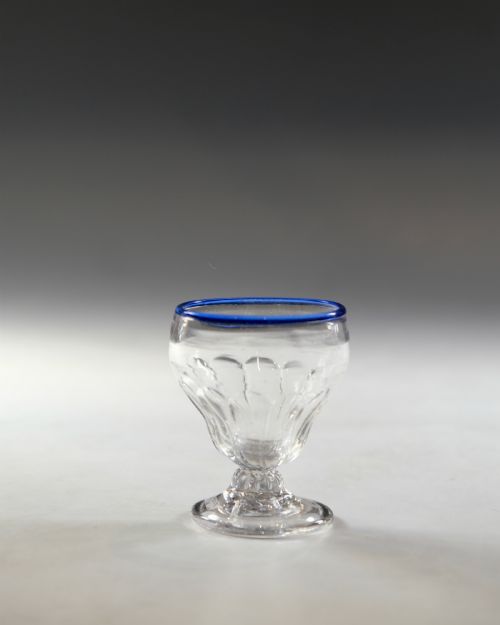
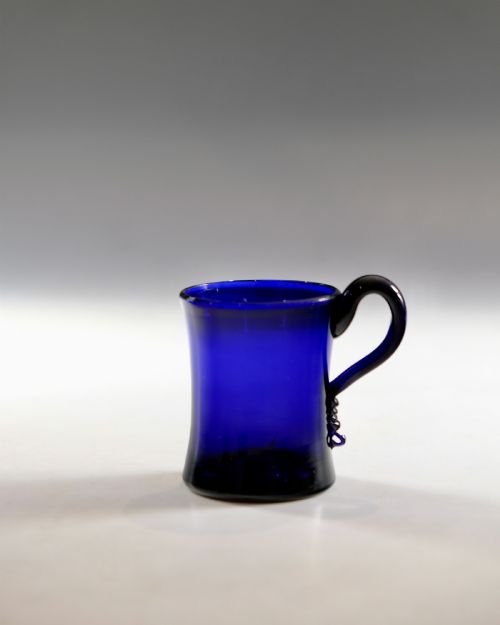
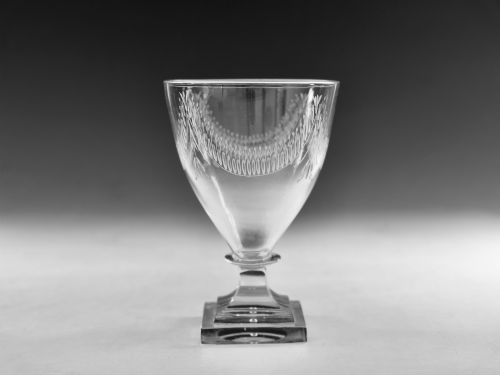
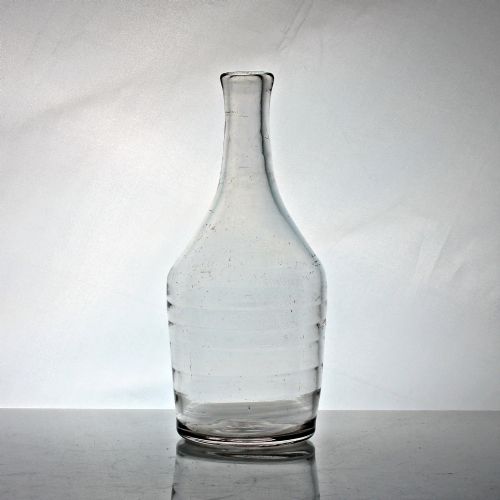
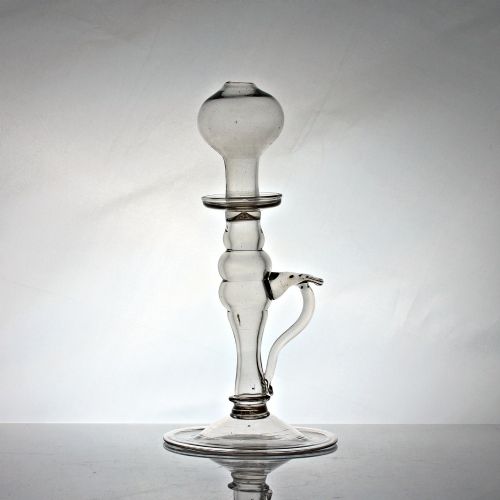
An 18th century glass vessel encompasses diverse domestic forms intended for dining, drinking, and illumination during the Georgian era. Buyers encounter decanters, carafes, oil lamps, flasks, and specialised glassware shaped for wine, ale, drams, and jellies.
The selections span English, Scottish, Bohemian, and Swiss origins, reflecting regional techniques from the 1700s up to around 1800. Drinking glasses and wine bottles dominate the current range, alongside decorative table objects like bonnet glasses and sweetmeat containers.
Objects from this category demonstrate the evolution of domestic glassware from heavy baluster forms down to lighter facet-cut and twisted stem designs. Each piece reveals the functional needs of households operating over two centuries ago.
How they were made
Makers utilised lead glass, flint glass, and clear crystal alongside coloured metals such as cobalt, milk, white opaline, and green glass. Hand-blown techniques shape the vessels, frequently incorporating applied handles, folded feet, and ribbed or ogee bowls.
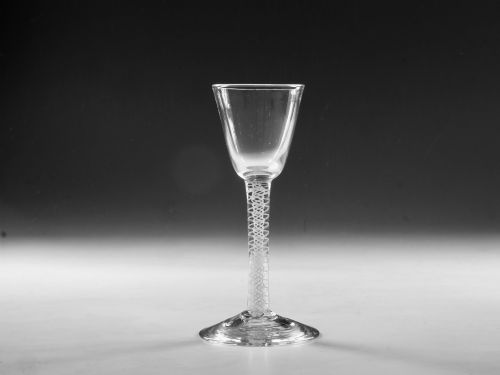
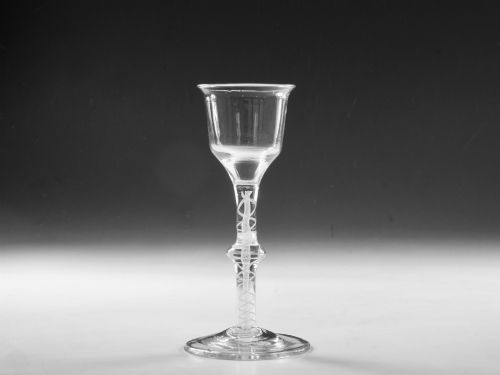
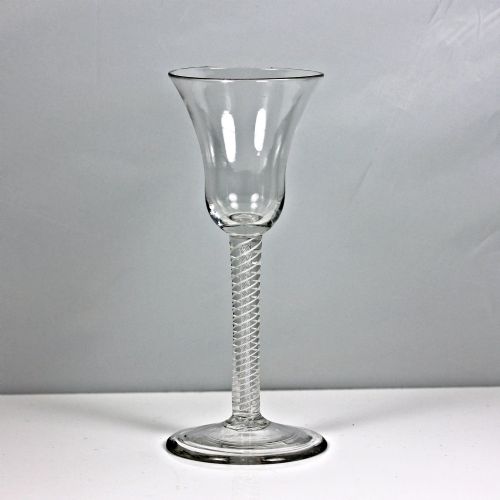
Complex optical effects inside stems rely on internal air twists and double series opaque twists formed by trapping air or white enamel rods within the molten metal. Engraving, enamel decoration, nut moulding, and facet cutting finish the surfaces of decanters, flasks, and goblets.
The documented forms span functional drinking vessels, decanters, oil lamps, and serving items dating from 1715 up to 1800.
What varies in quality
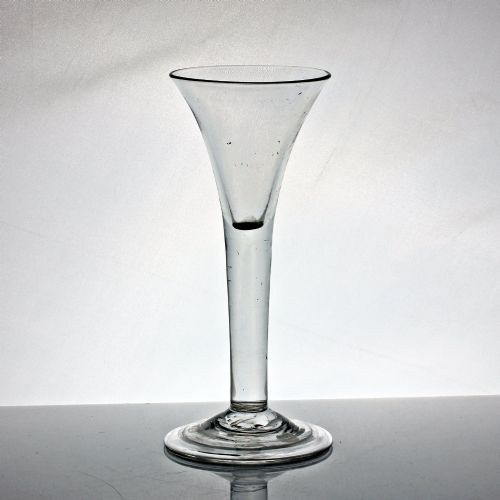
The caliber of an 18th century glass vessel depends on the complexity of its construction and the precision of its decorative execution. Intricate stem formations like composite twists or balustroid structures demand advanced manipulation of the hot metal compared to simple plain stems.
Clarity of the metal, weight distribution, and the crispness of wheel engraving or facet cutting separate standard utility items from higher status examples. Elements such as domed feet, folded edges, and applied collars demonstrate the maker's control and ambition.
The 18th Century Glass Vessel Glossary
- Lead glass
- A heavy, brilliant glass composition containing lead oxide that permits deep cutting and clear resonance.
- Air twist
- A stem formation enclosing spiralling threads of air captured within the transparent glass.
- Opaque twist
- A stem decorated with internal threads of white or coloured enamel glass twisted into linear or multi-series patterns.
- Baluster
- A heavy, swelling stem shape derived from architectural pillars, characteristic of early glassware.
- Ogee
- A double-curved architectural profile forming an S-shape, frequently seen on the bowls of drinking vessels.
- Wrythen
- A decorative spiral moulding pattern twisted into the body of a vessel while hot.
18th Century Glass Vessel: Frequently Asked Questions
How do I date an 18th century glass vessel?
Dating relies on observing changes in form, metal composition, and manufacturing techniques across the decades. Heavy baluster stems typically point to the earlier decades, while lighter twist stems and facet cutting emerge later in the period.
Foot construction and bowl shapes provide further clues. Folded feet and thick pontil marks generally indicate earlier production phases before smoother bottom finishes became standard.
Were these vessels used daily?
Many items served practical functions at dining tables, serving wine, ale, drams, and sweetmeats during formal and casual meals. Decanters held beverages for pouring, while oil lamps provided household illumination.
Finer decorative pieces like bonnet glasses and jelly glasses also fulfilled specific culinary roles in Georgian households. Their survival demonstrates careful handling by generations of users.
How do I clean antique glass?
Gentle washing in warm water with mild soap suffices for most pieces. Avoid harsh scrubbing agents, abrasives, and sudden temperature shifts that can stress historic glass.
Allow vessels to air dry on a soft cloth rather than twisting stems with drying towels. Proper handling protects delicate applied handles and thin rims.
What is the difference between air twist and opaque twist stems?
An air twist contains tiny elongated bubbles drawn into helical threads within the clear metal of the stem. These optical threads catch the light subtly from within the glass.
An opaque twist utilises solid white or coloured enamel rods melted into the core of the stem. These stand out with sharp, opaque white lines against the transparent background.