
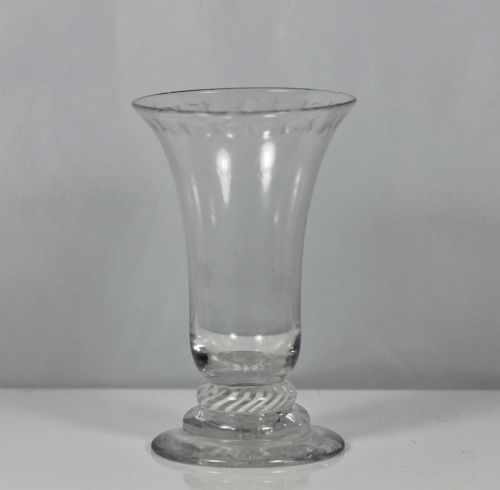
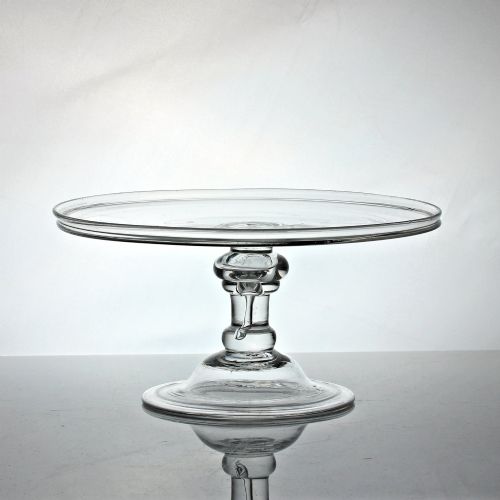
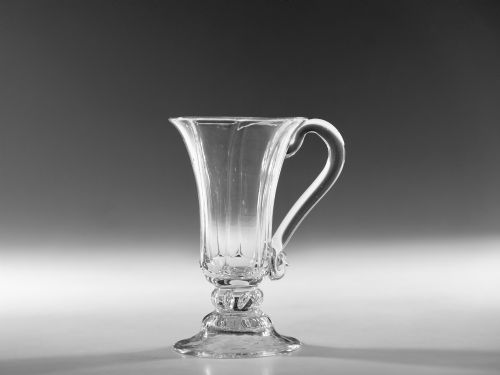


Clear Glass Jelly Glass
These clear glass jelly glasses are sturdy domestic vessels shaped for sweet treats and desserts, offering simple tactile charm for the modern table.
Clear Glass Jelly Glass
When you search for clear glass jelly glasses, you encounter small serving vessels designed primarily for individual portions of jellies, custards, and sweetmeats. The pieces recorded here span the eighteenth century and the Victorian era, offering a direct link to historical dining habits.
You are most likely to meet Georgian examples with moulded bowls or Victorian sets intended for custard. Forms range from single-handled panel-moulded cups to dish-top jelly glasses and allied sweetmeat vessels.
The materials and styles reflect standard British glasshouse production from the seventeen-forties onward. Collectors prize them for their clear metal and authentic period forms.
How they were made
The pieces rely on lead glass, flint glass, and clear lead glass melted in British furnaces and shaped by blowing or moulding. Glassmakers utilised ribbed and panel moulds to impart structural patterns to the soft metal before finishing the rims and feet.
Some forms incorporate baluster stems or applied handles, demonstrating traditional hot-work manipulation. Decoration is minimal, relying on optical effects from moulding or simple cut panels rather than heavy engraving.
The listings combine eighteenth-century Georgian items, including baluster and rib-moulded sweetmeat glasses, with nineteenth-century Victorian custard cups.
What varies in quality
Quality rests in the weight and clarity of the metal, alongside the crispness of any moulded ribbing or panels. Heavier lead glass yields a superior ring and presence compared to lighter ordinary metal.
Proportion and foot stability dictate the success of an individual vessel, particularly among baluster and sweetmeat forms. Subtle differences in the pontil mark and rim finish separate everyday domestic output from finer tablewares.
The Clear Glass Jelly Glass Glossary
- Jelly glass
- A small stemmed or footed vessel used for serving jellies and syllabubs at the dining table. They typically feature deep bowls to hold fruit preserves or sweetened creams.
- Sweetmeat glass
- A small pedestal bowl designed for confectionery, nuts, or preserved fruits. These pieces often share forms and periods with jelly glasses.
- Baluster
- A heavy, turned stem form resembling an architectural pillar, common on eighteenth-century drinking and sweetmeat glasses. It provides visual weight and steady balance.
- Panel moulded
- A decorative technique where glass is blown into a ribbed mould and then partially expanded or faceted. This creates flat vertical planes that catch the light.
- Custard cup
- A small, often handled vessel used for individual portions of baked or cold custards. Victorian sets frequently supersede earlier jelly glasses in domestic inventories.
Clear Glass Jelly Glass: Frequently Asked Questions
What were clear glass jelly glasses used for?
These vessels held individual portions of fruit jellies, creams, and sweetmeats during formal dining courses. Diners consumed desserts directly from them at the conclusion of a meal.
Their small capacity suited rich, highly sweetened preparations common in Georgian and Victorian households. They often sat on dessert tables alongside larger tazzas and sweetmeat stands.
How do you date a clear glass jelly glass?
Dating relies on identifying specific manufacturing techniques, metal composition, and bowl forms recorded across the eighteenth and nineteenth centuries. Heavy lead glass and baluster stems point toward earlier Georgian production.
Panel moulding and sets of matching custard cups typically indicate later eighteenth-century or Victorian manufacturing. Comparing foot shapes and pontil marks helps narrow the decade.
Are jelly glasses and custard cups the same?
While both serve similar dessert functions, jelly glasses traditionally feature stems or moulded feet, whereas custard cups are frequently handled and sit flat on a base. Jelly glasses lean toward eighteenth-century Georgian forms.
Custard cups more commonly appear in Victorian sets intended for matched table service. Both utilise clear lead glass and similar forming techniques.
How should I display antique jelly glasses?
Displaying these small vessels in well-lit cabinets allows light to pass through the clear lead glass and highlight moulded panel details. Grouping pieces by period or form creates a coherent visual arrangement.
Avoid overcrowding shelves to let the individual silhouettes and stem profiles remain visible. Stable flat surfaces ensure these historic tablewares stay safe.