


Antique Glass Dessert Glass
These antique glass dessert glass pieces bring period elegance to the dining table through Georgian shapes and Victorian tableware.
Antique Glass Dessert Glass
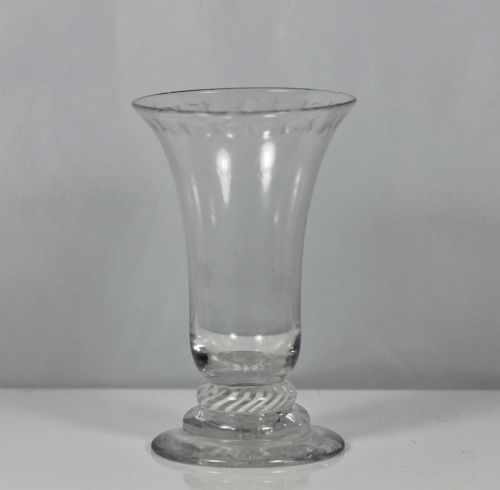
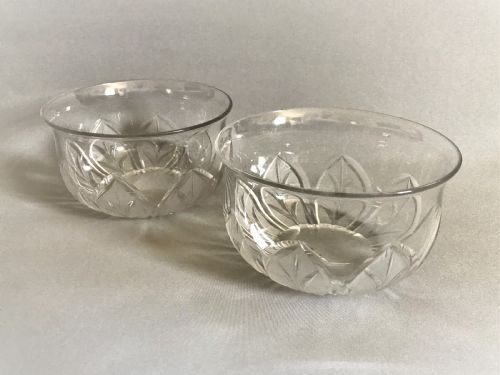
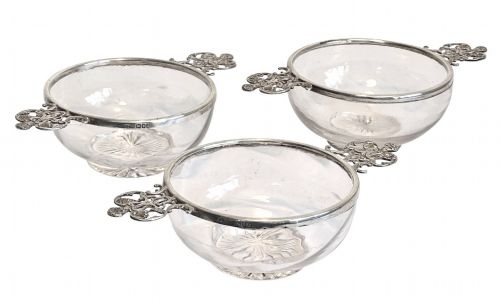
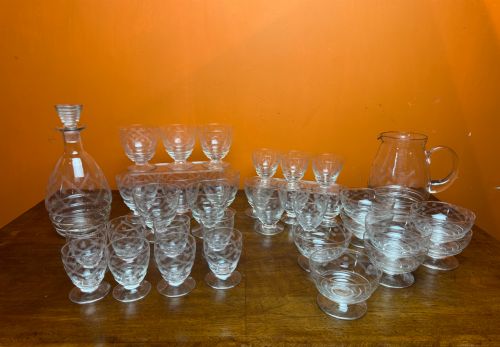
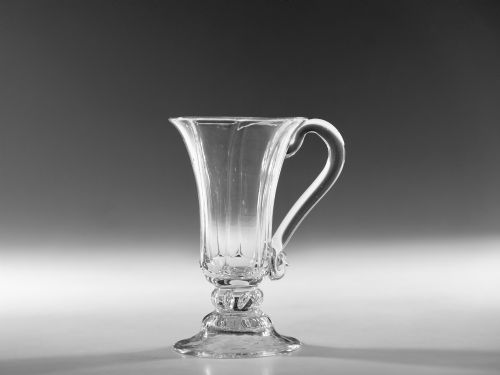
An antique glass dessert glass serves the sweet course of a formal meal, ranging from finger bowls to jelly glasses and custard cups. These vessels appear in Georgian and Victorian styles alongside Art Deco interpretations.
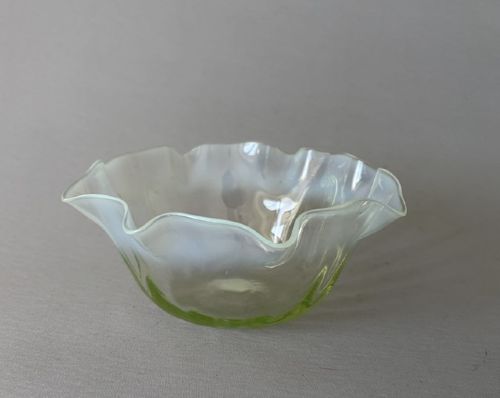
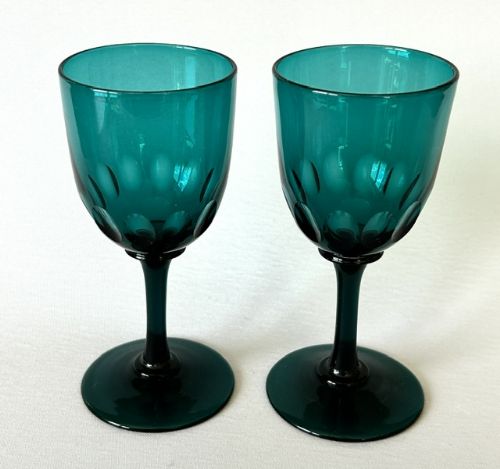
The selections span clear glass, lead glass, and coloured vessels such as cranberry and vaseline glass. Forms include sweetmeat glasses, ice plates, and dessert wine glasses designed for display and service.
Objects originate from English workshops as well as French and Austrian makers. Tableware sets vary from single handled custard cups to large suites of drinking glasses and matching finger bowls.
How they were made
Makers utilised free blown crystal glass and panel moulding techniques to shape vessels before applying surface decoration. Flint glass and lead glass provided the heavy weight and clarity required for deep facet cutting.
Engraved decoration and surface etching created floral or geometric patterns across bowls and feet. Overlay techniques layered coloured glass over clear crystal, which artisans then cut through to reveal the contrast beneath.
Victorian diners required entire glass garden party services complete with matching finger bowls to survive summer afternoons.
What varies in quality
Clarity of the metal and weight of the glass distinguish superior items from standard tableware. Lead glass pieces demonstrate higher brilliance and sharper refraction through cut facets.
Depth and precision of engraved decoration indicate the skill of the glass cutter. Crisp lines on sweetmeat glasses and jelly cups separate fine workshop production from simpler moulded wares.
Completeness of a matched set influences desirability, particularly for large suites of finger bowls or dessert wine glasses. Intact silver mounts and original glass liners maintain the integrity of composite pieces.
William Comyns·Viners·Whitefriars
The Antique Glass Dessert Glass Glossary
- Sweetmeat glass
- A stemmed vessel with a wide bowl used for serving small preserved fruits, nuts, or sweet confectioneries. These pieces date predominantly to the eighteenth century.
- Finger bowl
- A small bowl filled with water, placed before guests at the conclusion of a meal for rinsing fingers. Victorian examples often feature cut glass, etching, or matching plates.
- Jelly glass
- A small glass vessel used for serving individual portions of jellies or custards. They appear in panel moulded, ribbed, or dish top forms.
- Vaseline glass
- A type of glass coloured with uranium oxide that exhibits a distinct yellow or greenish-yellow hue. It glows under ultraviolet light.
- Tazza
- A shallow ornamental bowl or plate mounted upon a stem and foot, used for presenting fruit or sweetmeats on the dining table.
- Overlay glass
- A technique where a layer of coloured glass is fused over a clear crystal base. Artisans cut away portions of the outer layer to expose the contrasting clear glass underneath.
Antique Glass Dessert Glass: Frequently Asked Questions
What is an antique glass dessert glass used for?
These vessels held the final sweet courses of formal dinners, including custards, jellies, and preserved fruits. Hosts also utilised finger bowls and ice plates between courses.
Matching sets accommodated multiple guests at grand dining tables. The forms reflect the shifting fashions of dessert service from the Georgian era into the Victorian period.
How do I care for antique glass?
Wash pieces by hand in warm water using a mild detergent, avoiding harsh scrubbers and modern dishwashers. Sudden temperature changes can crack old lead glass.
Store stemmed sweetmeat glasses and delicate dessert wine glasses securely on flat surfaces. Silver mounted components require appropriate metal cleaner applied away from the glass.
How can I tell Georgian glass from Victorian glass?
Georgian pieces often feature darker metal with heavier pontil marks on the base, reflecting earlier free blown techniques. Styles like baluster stems and opaque twists belong to the eighteenth century.
Victorian glass encompasses brighter colours, panel moulding, and extensive surface etching or cutting. Matching sets of finger bowls and custard cups become more common in the nineteenth century.
What is the difference between flint glass and lead glass?
Flint glass originally described high quality English glass containing lead oxide, which added weight and brilliance. The term later applied to clear glass formulations used for pressing and cutting.
Lead glass provides a resonant ring when struck gently and refracts light sharply through cut facets. This material formed the basis for fine Georgian and Victorian tableware.