

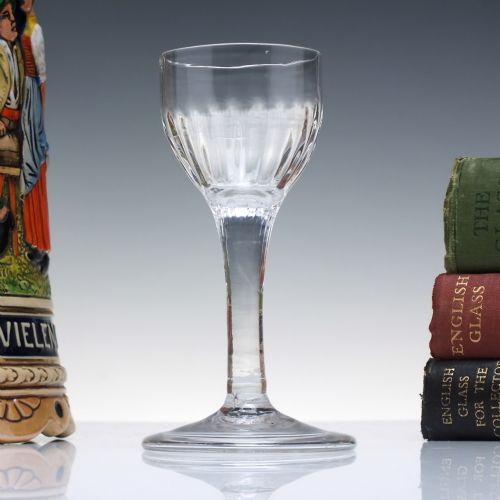


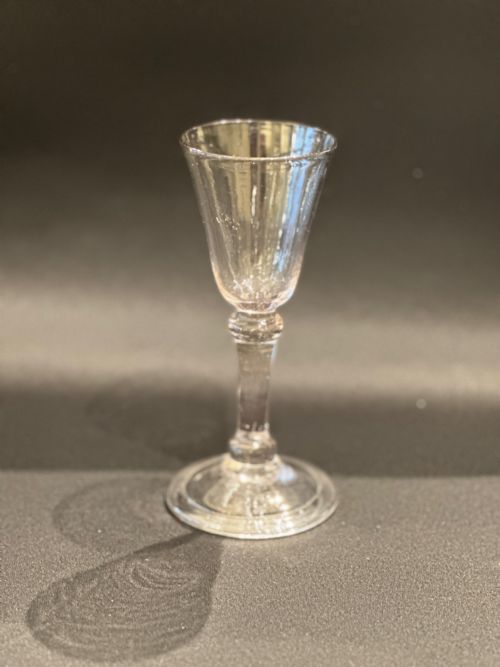


Early Georgian Drinking Glass
An early georgian drinking glass holds the weight of eighteenth-century tavern and parlour life in the palm of your hand.
Early Georgian Drinking Glass
An early georgian drinking glass encompasses fine stemware, wine glasses, dram glasses, rummers, and ale glasses produced during the eighteenth century. Buyers examining this page encounter pieces spanning periods from Queen Anne and George II reigns through to later Georgian and Regency eras.
Most examples survive from the first half of the eighteenth century, though later nineteenth-century rummers also appear among the selections. Collectors seek these drinking glasses for their tangible connection to early Georgian domestic and social drinking customs.
Materials and Techniques
Makers utilised lead glass, lead crystal, flint glass, and clear glass to achieve the characteristic heavy feel and optical clarity of these drinking vessels. Some examples incorporate soda glass or distinctive Bristol green glass, reflecting the varied furnace recipes of the period.
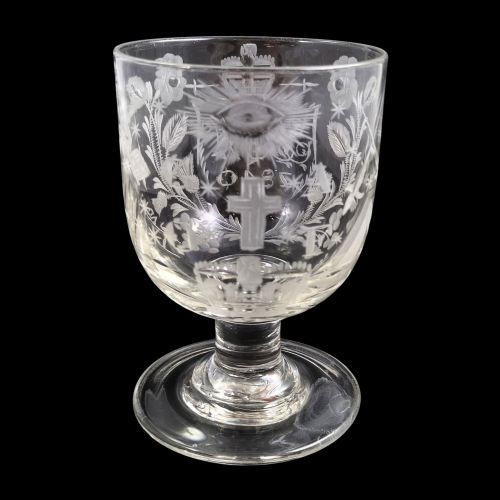
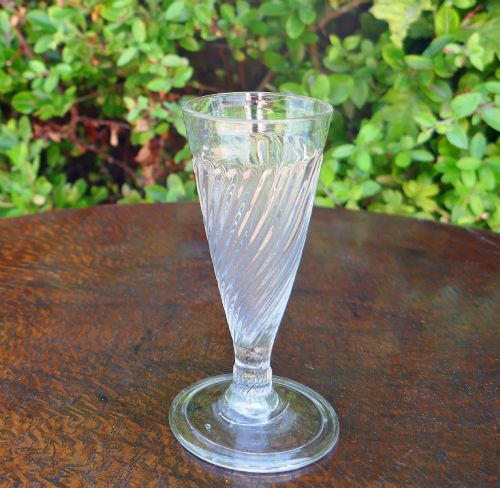
Vessels took shape through blowing and manipulation while molten, often featuring folded feet for rim stability and basal bubbles within the stem. Artisans applied intricate techniques such as ribbing, nut-moulding, wrythen twists, and wheel engraving to decorate bowls and stems.
An eighteenth-century glassblower trapped a single mischievous air bubble right at the stem base, hoping no one would notice.
Distinctions in Quality
Superior examples display balanced proportions between the bowl, stem, and foot, alongside generous metal weight that satisfies the hand. The distribution of metal within the vessel affects its overall harmony and structural integrity.
Refinements in surface decoration, such as crisply cut ribs, well-executed engraving, and neatly folded feet, separate standard production from more ambitious workshop pieces. The clarity of the glass metal and the absence of distracting impurities further define the upper tier.
The Early Georgian Drinking Glass Glossary
- Baluster
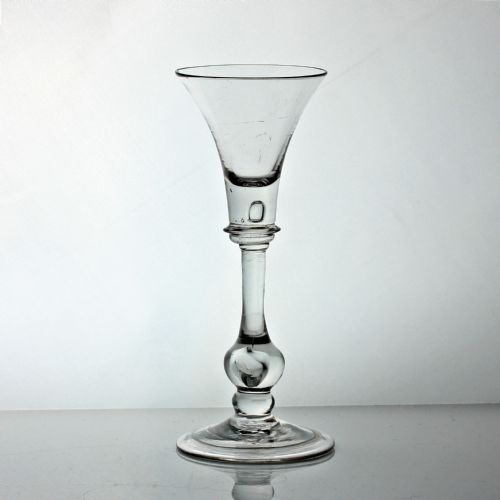
- A heavy, turned stem style popular in early eighteenth-century glassware. It mimics architectural supports of the period.
- Folded foot
- A base edge turned underneath to create a thickened rim for extra strength. This technique prevents chipping during tavern use.
- Wrythen
- A decorative spiral pattern twisted into the glass body while hot. It catches the candlelight on a Georgian dining table.
- Rummer
- A large, sturdy drinking glass suited to ale, rum, or punch. These vessels often feature engraved decoration or bucket bowls.
- Basal bubble
- An intentional air bubble trapped at the base of the stem. It acts as a decorative quirk in early glass manufacture.
Early Georgian Drinking Glass: Frequently Asked Questions
How do I date an early Georgian glass?
Dating relies upon stylistic markers such as stem construction, bowl form, and foot shape. Baluster and balustroid forms generally point to the earlier decades of the eighteenth century.
Changes in glass chemistry and cutting techniques across the century also help narrow the production window. Comparing pieces against documented dated examples provides the surest timeline.
Were these glasses used daily?
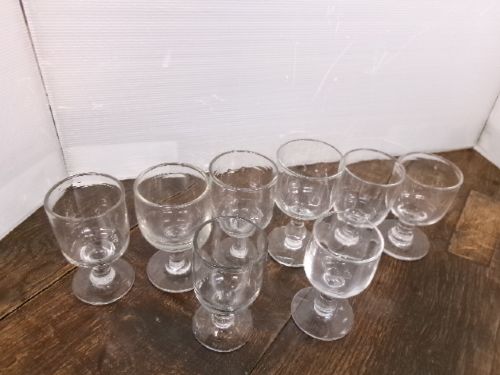
Many early pieces served active roles in taverns, coaching inns, and private homes. Sturdier forms like rummers and ale glasses handled frequent toasts and communal drinking.
Heavier lead glass was chosen specifically to withstand regular handling. Over time, survival rates reflect both this durability and subsequent care.
Can I drink from an antique glass?
Drinking from eighteenth-century glassware is entirely possible and offers a direct connection to the past. Gentle handling remains essential given the age and irreplaceable nature of the material.
Hand washing in warm water without harsh detergents protects the surface. Avoid thermal shock by keeping temperature changes gradual.
What is lead crystal in Georgian glass?
Lead crystal refers to glass batch mixtures containing lead oxide, which George Ravenscroft helped pioneer. This addition increased the refractive index, giving the material greater brilliance.
It also softened the metal during manufacture, making it easier for glassmakers to shape and engrave. The resulting weight distinguishes these pieces from lighter soda glass.
Why do some feet fold under?
Folding the outer edge of the foot under itself created a reinforced rim that resisted chipping against wooden tables. This practical measure appears frequently on early eighteenth-century stemware.
As manufacturing techniques improved later in the period, the practice became less common. Finding a folded foot often suggests an earlier rather than later Georgian date.