


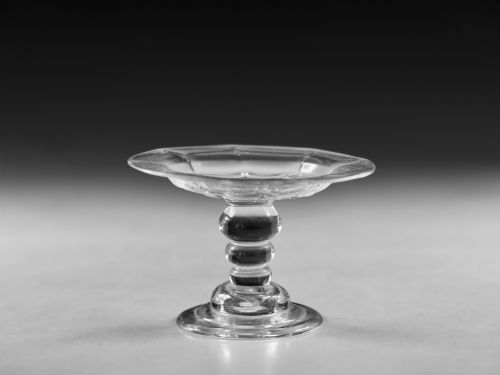


Pedestal Stem Glass
These pedestal stem glass pieces are drinking vessels and display forms carrying elevated bowls, offering tactile weight and historical presence for daily use or collection.
Pedestal Stem Glass
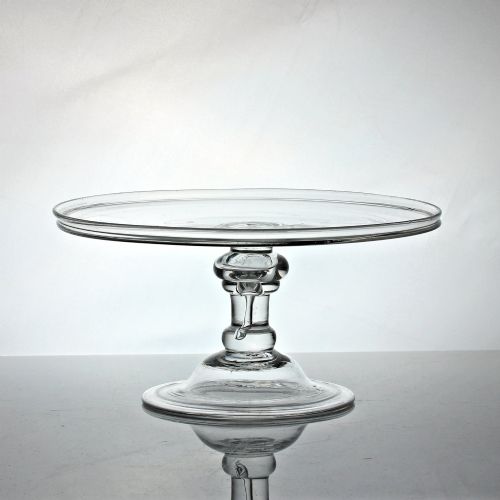
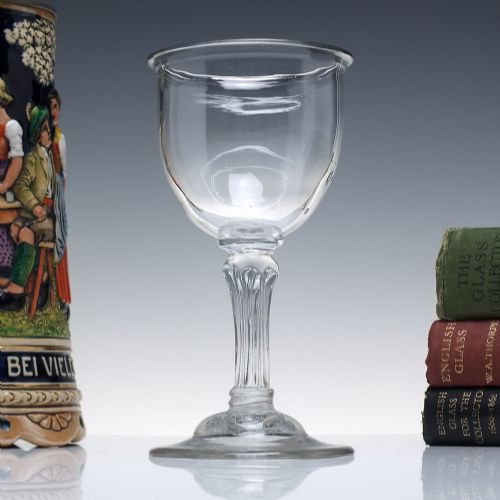
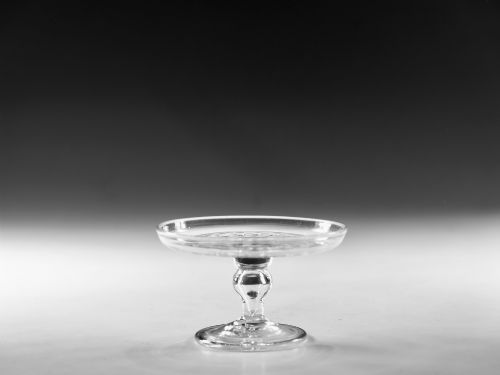
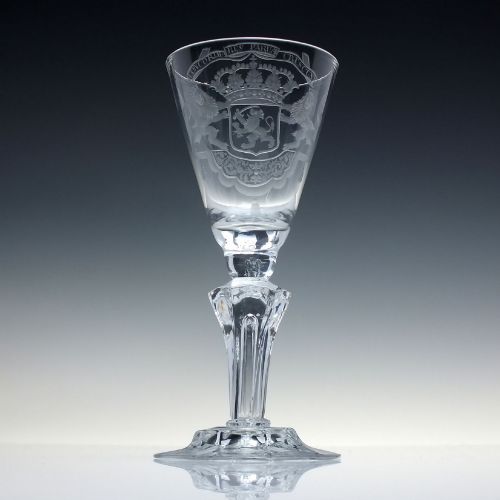
When you search for pedestal stem glass, you encounter vessels raised on substantive stems spanning centuries of English and continental production. The form encompasses wine goblets, champagne glasses, sweetmeat glasses, and larger display items like tazzas and centrepiece bowls.
The selection here draws heavily from the 18th century and Georgian periods, alongside Victorian and later 20th-century expressions. Earlier examples frequently display the robust lead glass or clear flint glass characteristic of Georgian tavern and dining tables.
Serveware and decorative bowls appear alongside drinking glasses, showing how the pedestal form adapted to hold everything from wine and champagne to sweetmeats and fruit. Smaller patch stands and celery vases further demonstrate the versatility of the raised bowl format.
How they were made
Makers utilised clear glass, lead glass, and lead crystal, shaping the molten material through blowing and moulding techniques. Rib-moulding and diamond patterns appear on shoulders and bowls, while basal bubbles and folded feet provide structural stability and visual interest.
Cutting and etching techniques define the Victorian and later examples, adding surface texture to clear and coloured glass. Porcelain also surfaces within these forms, alongside specialised lustre glazes applied to specific decorative cups.
Pedestal Stem Glass Retail Price Guide 2026
Typical asking prices for pedestal stem glass among the pieces listed under this phrase on Sellingantiques today, from the lower quarter to the upper quarter. They describe what is for sale here now, not the wider market.
Early glass blowers occasionally trapped a tiny breath of air at the bottom of the bowl just to watch the light catch it.
What varies in quality
Quality rests in the proportional harmony between the bowl, the heavy pedestal stem, and the foot. The clarity of the lead crystal or flint glass and the crispness of any cut or moulded facets dictate the visual success of the piece.
Subtle details such as an evenly formed basal bubble, a neatly folded foot, or precise rib-moulding distinguish the work of skilled glasshouses from standard output. The retention of original surface texture and form integrity across centuries governs desirability.
Makeig Jones Wedgwood Lustre·Vittorio Zecchin for Venini
The Pedestal Stem Glass Glossary
- Pedestal stem
- A raised vertical support connecting the base to the bowl of a glass or dish. This architectural element elevates the vessel and adds considerable weight to the piece.
- Tazza
- A small pedestal-mounted dish or shallow bowl used for serving small items or display. These pieces often feature wide flat tops supported by sturdy stems.
- Sweetmeat glass
- A specialised vessel designed to hold confectioneries, nuts, or small sweet foods during formal dining. They often feature ogee or saucer-top bowls.
- Basal bubble
- A small trapped pocket of air located at the base of the bowl or the top of the stem. This deliberate feature occurs frequently in early English lead glass.
- Folded foot
- A rim turned under to create a thickened, rounded edge for extra strength. This technique prevents chipping along the base of the glass.
- Comport
- A decorative pedestal bowl used for presenting fruit or sweet items on a dining table. They appear in coloured glass and figural ceramic forms.
Pedestal Stem Glass: Frequently Asked Questions
What were pedestal stem glasses used for?
These vessels served various dining and hospitality functions, holding wine, champagne, or sweetmeats during formal meals. Larger iterations acted as centrepiece bowls or tazzas for fruit and display.
The raised form kept contents prominent on the table while showcasing the clarity and weight of the lead glass.
How do I date an 18th-century glass?
Dating relies on observing stylistic markers such as the presence of a folded foot, basal bubbles, and the specific proportions of the stem. Heavy lead glass and rib-moulded ogee bowls point directly to Georgian production methods.
Comparing the form against documented examples helps narrow down the decade of manufacture.
Are these glasses safe to use?
Many historic drinking glasses remain structurally sound enough for careful handling and occasional use. Hand washing in lukewarm water protects the fragile lead glass and historical surfaces.
Consider the fragility of 18th-century flint glass before serving drinks at modern gatherings.
What is the difference between lead glass and flint glass?
Flint glass originally referred to high-quality glass containing silica from flints, while lead glass incorporates lead oxide to increase refractive index and weight. Both terms describe the heavy, clear material prized by Georgian makers.
These dense materials allowed for deeper cutting and greater brilliance in the finished stemware.
How should I display pedestal bowls?
Display these pieces on flat, stable surfaces away from heavy foot traffic or direct sunlight. Their elevated stems make them visually striking centrepieces on dining tables or within glass-fronted cabinets.
Ensure the support surface is level to protect the historical foot and stem.