
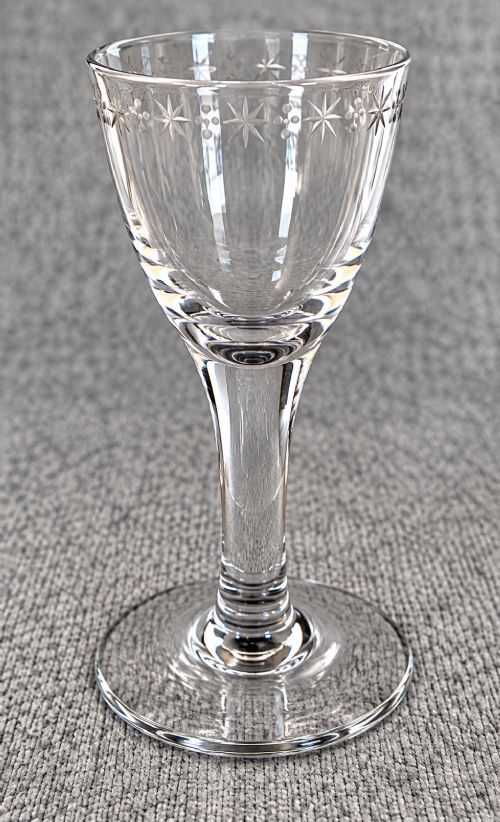
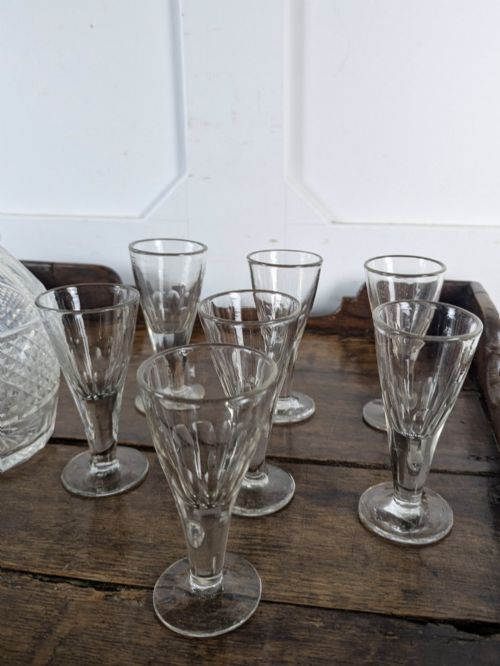
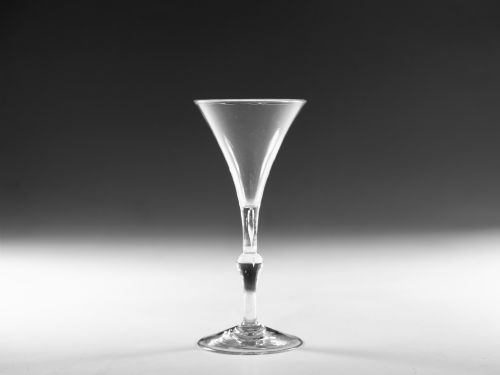
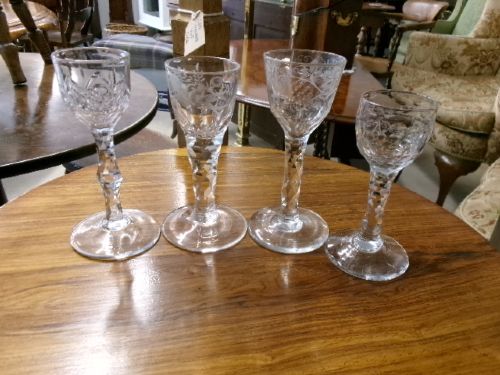




Clear Glass Cordial Glass
These clear glass cordial glass selections bring the refined forms of eighteenth-century drinking vessels directly to the table.
Clear Glass Cordial Glass
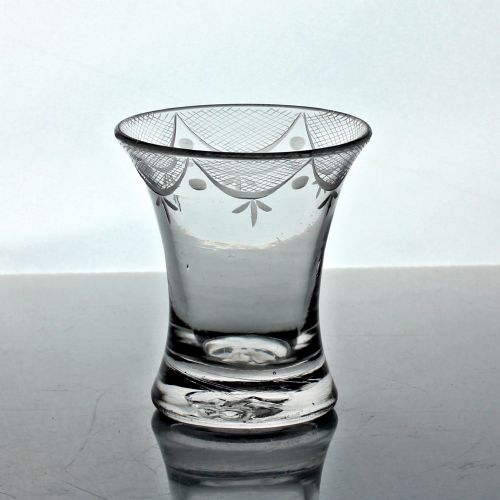
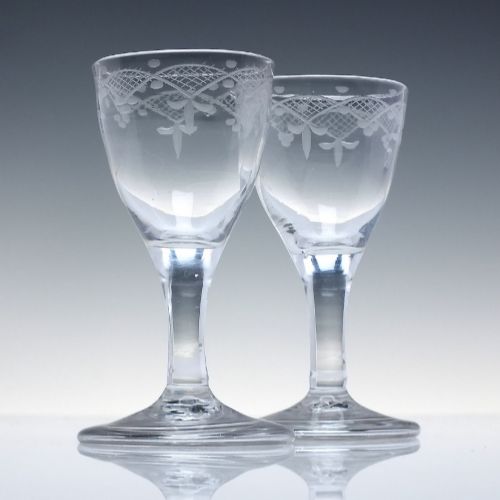
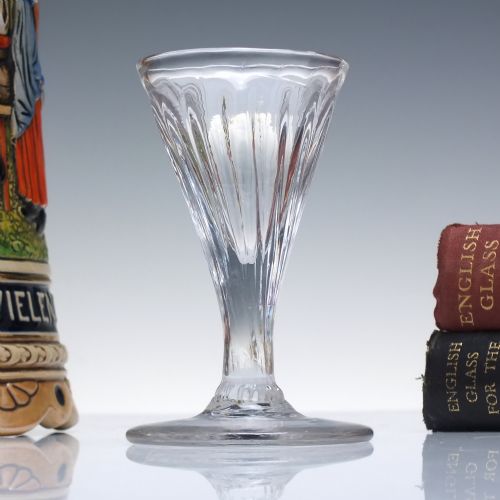
A clear glass cordial glass is a small drinking vessel designed for potent spirits, liqueurs and drams. When searching this phrase, collectors encounter delicate vessels shaped for small measures rather than large pours.
The selections span distinct periods, drawing heavily from the eighteenth century alongside Victorian and Edwardian examples. Forms range from simple dram glasses to tall baluster stems and heavy feet.
Most pieces date to the Georgian era, featuring engraved bowls, folded feet and characteristic stem formations. Buyers also find nineteenth-century sherry flutes and Edwardian table accessories.
What varies in quality
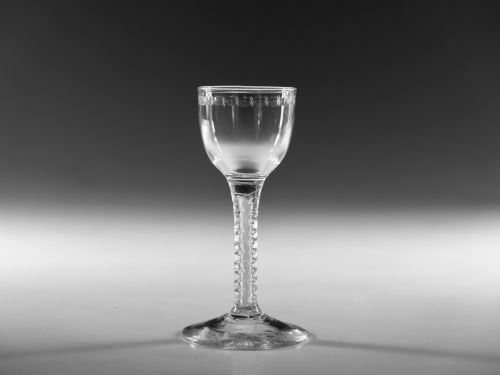
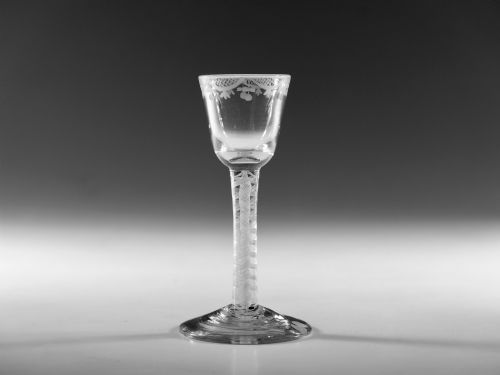
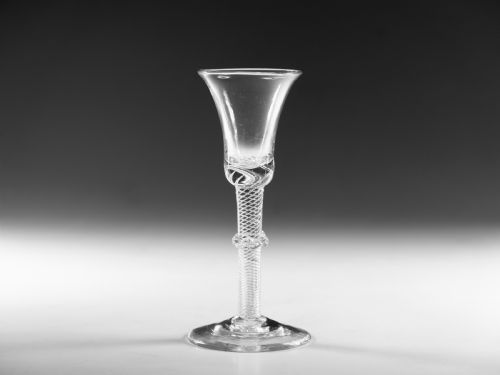
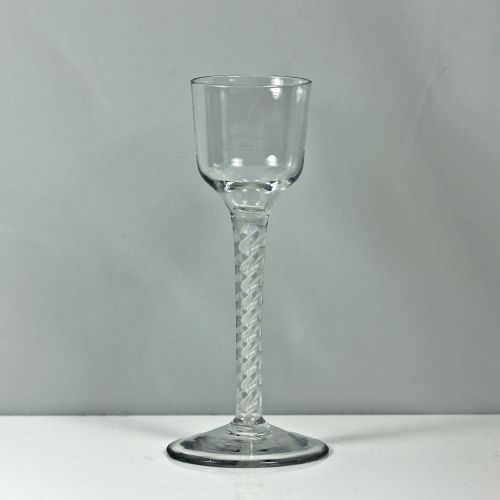
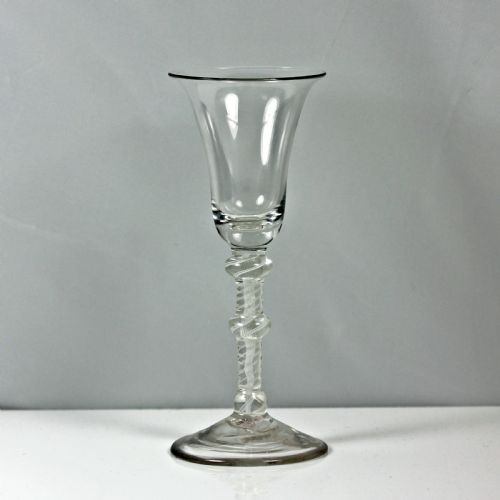
The refinement of the stem formation dictates much of the distinction between ordinary and superior examples. Complex air twists and dense opaque twists require considerable skill from the glassblower, separating standard pulled stems from intricate creations.
Engraving depth and clarity on the bowl surface show the hand of a master artisan. Sharp, clean cuts and detailed floral or swag motifs indicate higher craftsmanship than faint or hasty surface decoration.
Listings feature lead glass, flint glass and enamel materials across eighteenth-century, Regency, Victorian and Edwardian periods.
The Clear Glass Cordial Glass Glossary
- Air twist
- A stem formation containing elongated spiral air bubbles trapped inside the clear metal during manufacture. This technique gives the glass stem a delicate optical texture.
- Opaque twist
- A stem featuring internal threads of white or coloured enamel glass twisted into linear patterns. These threads create striking linear designs within the transparent rod.
- Baluster
- A heavy, swelling stem shape reminiscent of architectural pillars found on staircases. This robust form provides stability to early eighteenth-century drinking vessels.
- Folded foot
- A base edge turned underneath to create a thickened, rounded rim that adds strength to the foot. This method prevents chipping on fragile table edges.
- Dram glass
- A diminutive drinking vessel intended for a single measure of raw spirits. These small bowls sit atop sturdy stems designed for quick toasts.
Clear Glass Cordial Glass: Frequently Asked Questions
What were cordial glasses used for?
These vessels served strong spirits, liqueurs and medicinal cordials during social gatherings and formal dinners. Their small bowls ensured guests consumed potent drinks in restrained measures.
Historians note that such glasses held expensive imports like ratafia and brandy. The compact capacity suited the high alcohol content of eighteenth-century drams.
How do I date an antique glass?
Dating relies on observing manufacturing traits such as pontil marks, metal composition, and stem construction styles. Eighteenth-century pieces often display distinct baluster or twist configurations not found later.
Foot form and bowl shape also offer chronological clues. Folded feet and heavy lead metal frequently point toward early production periods.
Are these glasses safe to use?
Most antique drinking vessels remain structurally sound for gentle use with cold beverages. Hand washing in lukewarm water preserves the fragile lead glass and historic surfaces.
Harsh detergents and automatic dishwashers damage antique clarity and surface engraving. Collectors generally restrict use to special occasions rather than daily dining.