





18th Century Cordial Glass
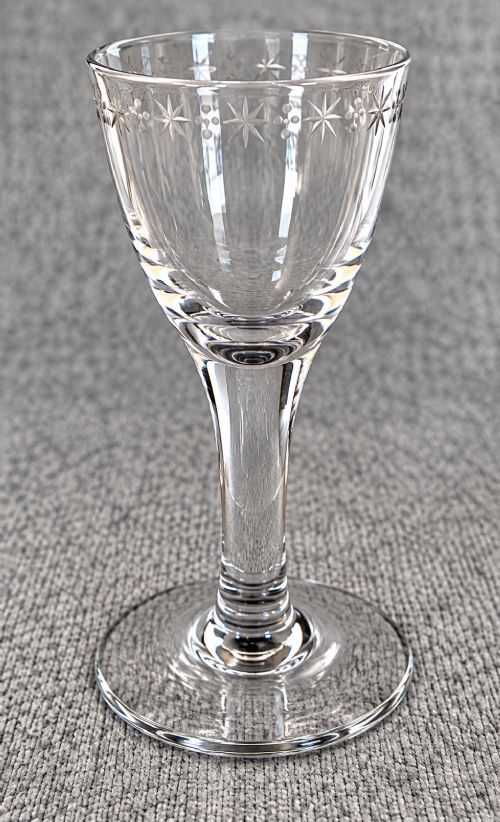
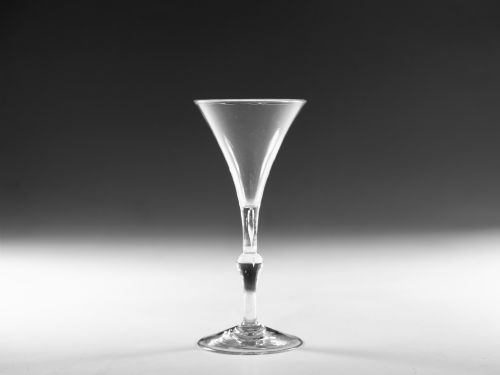
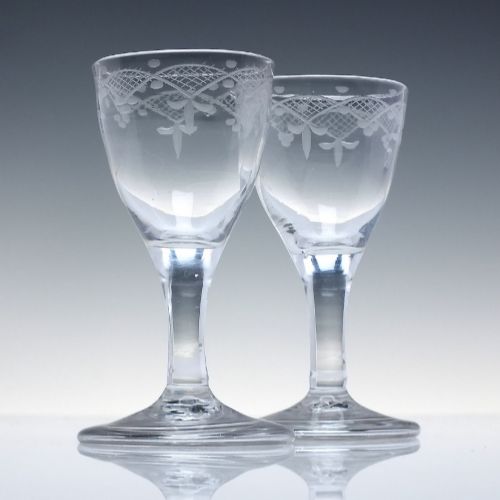
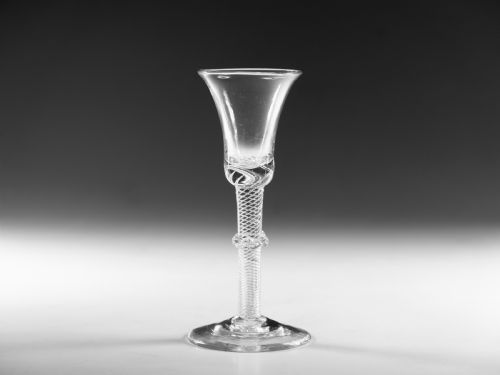
An 18th century cordial glass brings small pours of potent spirits to hand through clear lead glass and delicate twisted stems.
18th Century Cordial Glass
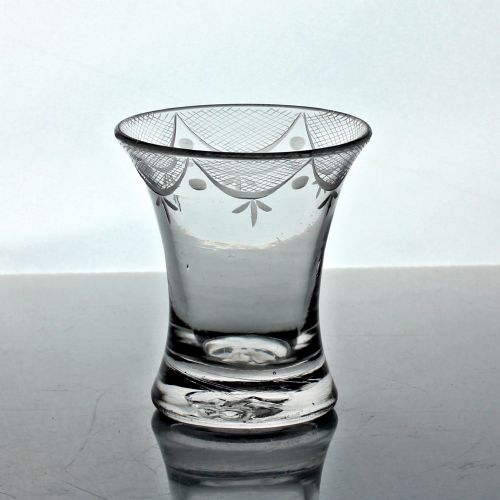
When you search for an 18th century cordial glass, you encounter small drinking vessels designed for robust spirits and liqueurs during the Georgian era. These pieces span dram glasses, ratafia glasses, and gin glasses, usually featuring smaller bowls than standard wine glasses to suit concentrated drinks.
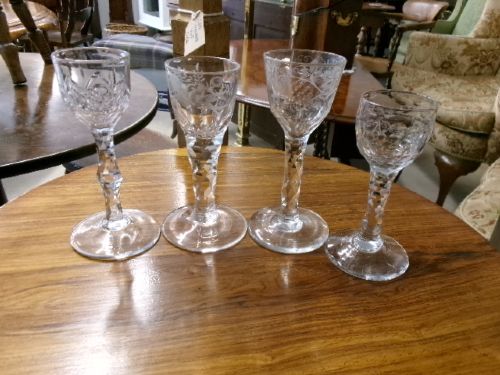
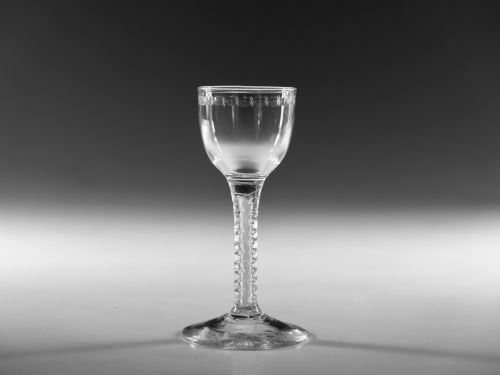
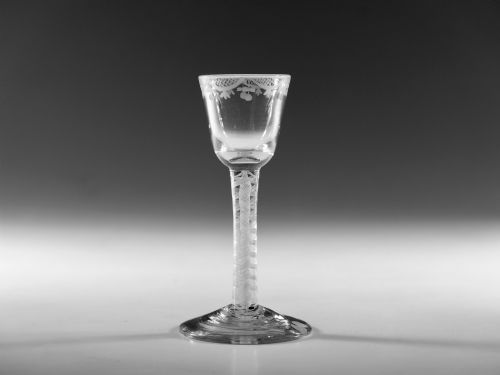
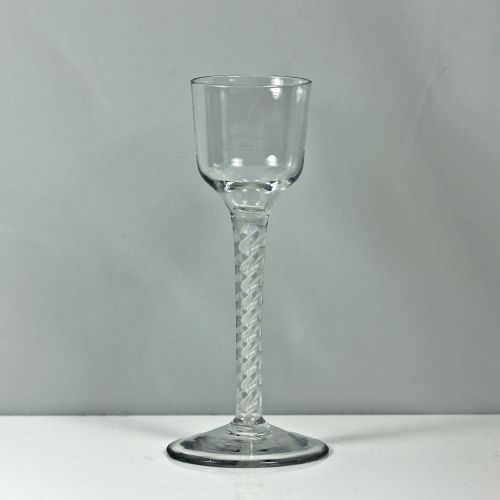
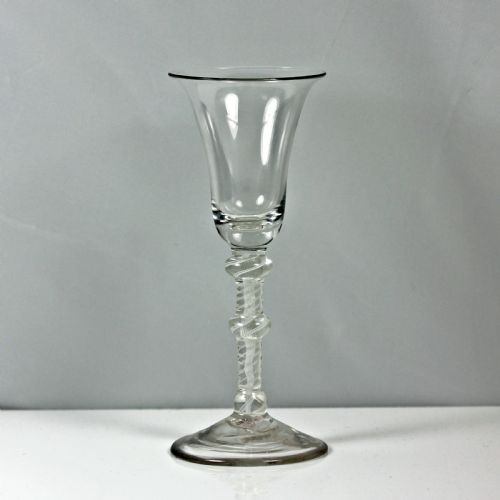
The selections on this page originate primarily from the 18th century, with dates clustering from the early decades through to the 1780s and 1800. Forms range from plain stem and heavy baluster specimens to intricate air twist and opaque twist stems.
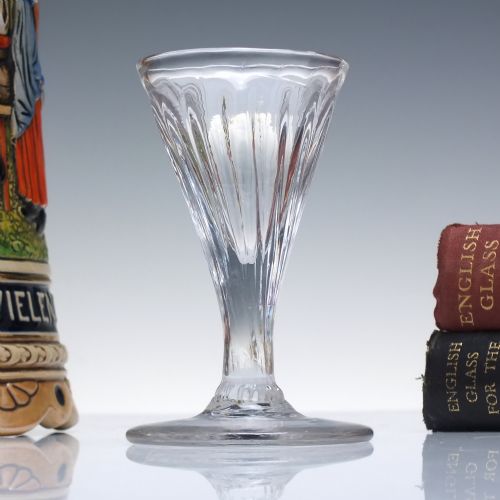
Buyers meet conical feet, folded feet, and wide foot bases supporting bowls shaped as ogees or plain cups. Engraving, rib moulding, and facet cutting frequently adorn the bowls and stems.
Quality factors
Distinctions in quality rest on the complexity of the stem formation and the crispness of any cutting or engraving. Double series twists and multiple spirals require greater skill from the glassblower than plain stems.
Materials recorded across the archive include lead glass, flint glass, enamel, and hand-blown lead crystal.
The 18th Century Cordial Glass Glossary
- Lead glass
- A heavy, clear glass containing lead oxide, used extensively in Georgian drinking vessels for its brilliance and weight.
- Air twist
- A stem formation containing internal spirals of trapped air, created by drawing out bubbles in the molten glass.
- Opaque twist
- A stem enclosing fine threads of white enamel twisted into spiral patterns.
- Folded foot
- A glass base with the outer rim doubled under for extra strength and stability.
- Baluster
- A thick, swelling stem form resembling architectural columns, common in early Georgian glassware.
18th Century Cordial Glass: Frequently Asked Questions
What were 18th century cordial glasses used for?
These vessels served small measures of strong liquors, cordials, and spirits after dinner.
Their restricted bowl capacities matched the potency of drinks like gin, ratafia, and drams.
How do I date an 18th century cordial glass?
Dating relies on stylistic shifts in stem manufacture, bowl shapes, and foot types across the Georgian decades.
Early pieces often display heavy baluster stems and folded feet, while air twists and opaque twists dominate mid-century production, followed by facet cutting later on.
How should I display my cordial glass?
Display these glasses in well-lit cabinets where light can pass through the lead crystal and highlight the internal stem twists.
Ensure stable shelving away from edges, as their narrow feet make them top-heavy.
What is the difference between a wine glass and a cordial glass?
Cordial glasses feature noticeably smaller bowls and thicker stems compared to standard wine glasses of the same period.
The reduced volume suited the high alcohol content of the spirits poured into them.