





Georgian Glass Drinking Vessel
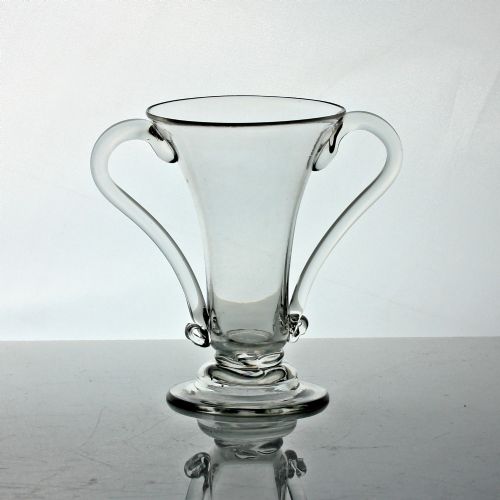
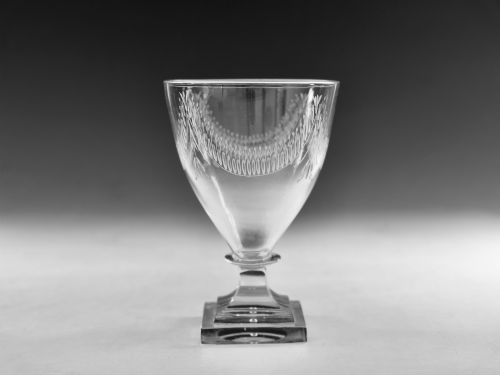
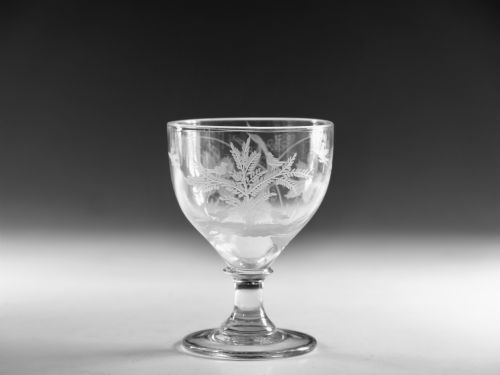
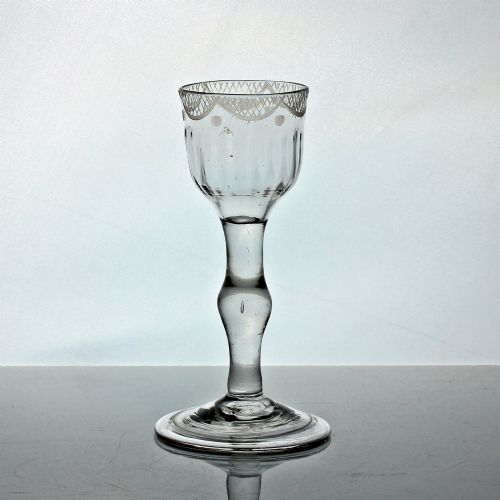
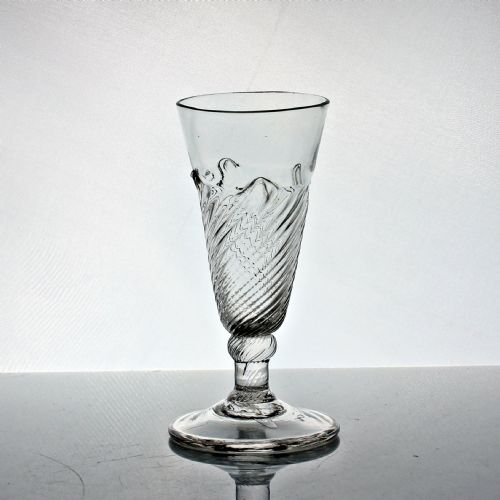
These survivors span the Georgian glass drinking vessel spectrum, offering tactile connections to past tables through hand-blown lead crystal.

Georgian Glass Drinking Vessel
A georgian glass drinking vessel encompasses wine glasses, rummers, ale glasses, and cordials shaped by 18th and early 19th-century makers.
Buyers encounter everything from delicate balustroid dram glasses to robust square base rummers and tavern glass vessels.
Materials and Techniques
Workshops utilised lead glass, flint glass, and lead crystal, shaped via hand-blowing to achieve clarity and weight in each piece.
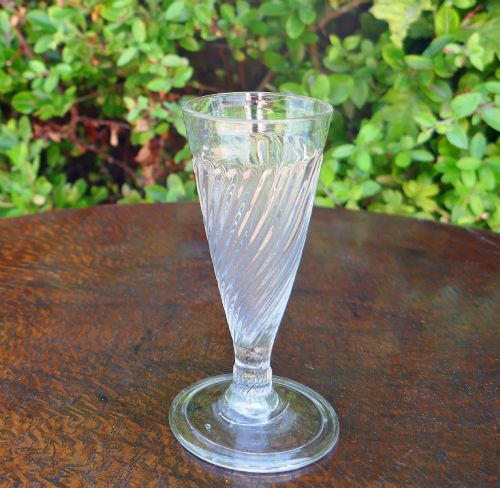
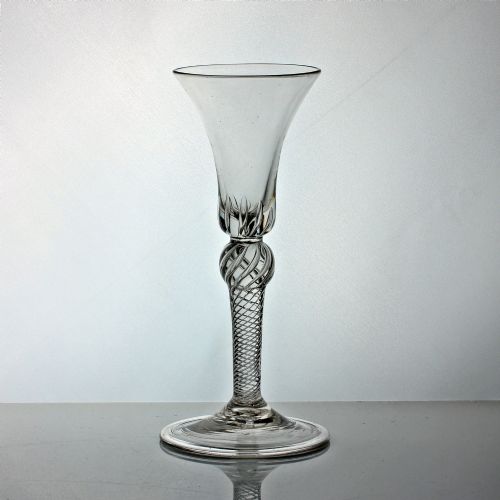
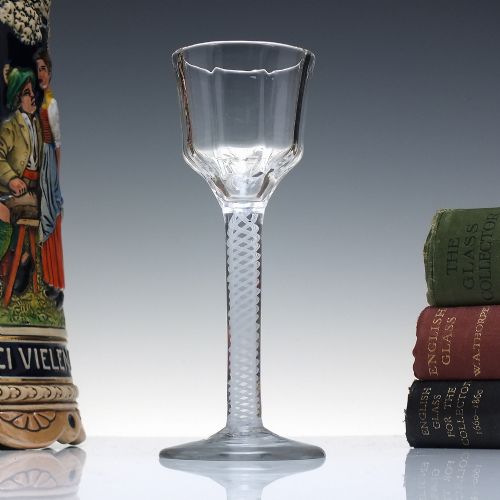
Makers introduced internal optical effects such as air twists, multi-spiral air twists, and opaque twists within the stems.
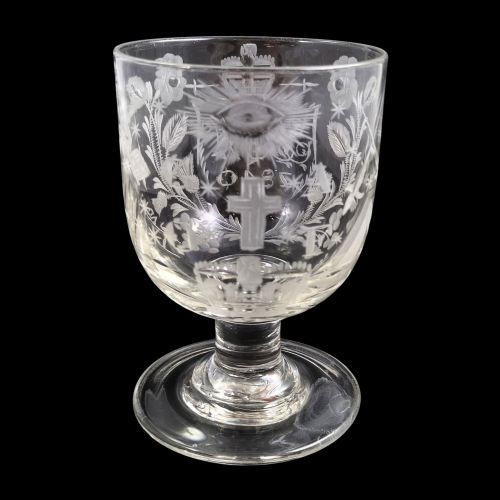
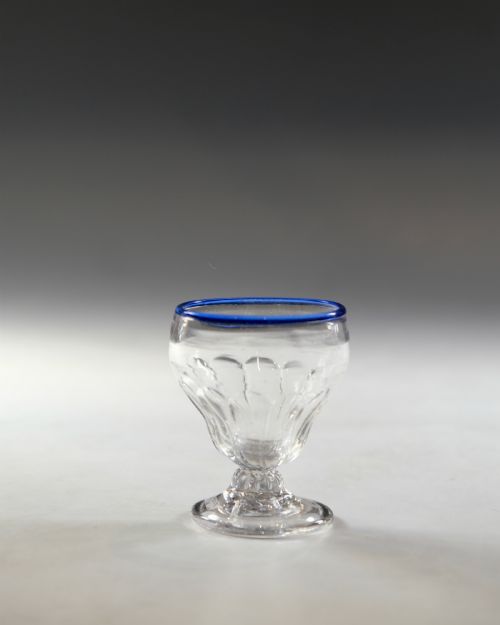
Surface decoration involved engraving, nut moulding, and occasionally enamel accents or cobalt glass additions.
Design and Execution
Quality rests on the precision of the stem formation, whether managing complex air tears, multi-series opaque twists, or baluster knops.
The clarity of the lead glass and the crispness of wheel engraving, such as hop and barley motifs or swag and tail patterns, elevate certain examples.
Proportion between the bowl, stem, and folded or domed foot dictates the visual balance of the vessel.
The Georgian Glass Drinking Vessel Glossary
- Lead crystal
- A high-clarity glass containing lead oxide, providing substantial weight and brilliance to drinking vessels. This material allows for sharper wheel engraving.
- Air twist
- A stem formation containing elongated spiral air bubbles trapped inside the glass. Makers created these by drawing air through hot metal before twisting.
- Opaque twist
- A stem featuring white or coloured enamel glass threads drawn into spiral patterns. These threads sit encased within clear lead glass.
- Rummer
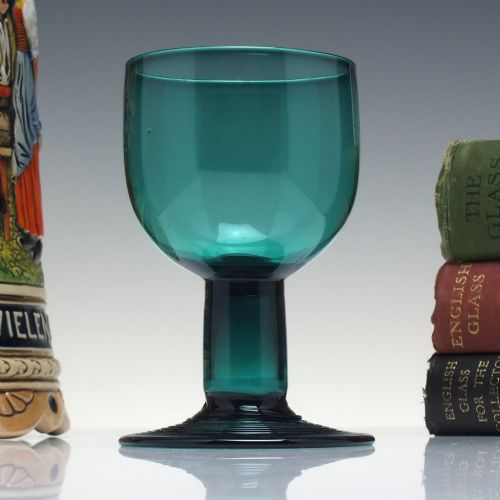
- A capacious goblet shape popular for ale, wine, or punch during the Georgian and Regency eras. Rummers typically sit on a stem or a lemon squeezer base.
- Folded foot
- A base edge turned under to create a smooth, thickened rim for extra strength. This technique appears frequently on mid-18th-century wine and ale glasses.
Georgian Glass Drinking Vessel: Frequently Asked Questions
What is a rummer?
A rummer is a stout glass goblet designed for serving ale, wine, or punch during the Georgian period.
These vessels often feature square bases, lemon squeezer feet, or chunky stems suited for tavern and domestic use.
How do air twist and opaque twist stems differ?
Air twist stems contain trapped spiral bubbles of air inside the clear glass, formed by manipulating molten material.
Opaque twist stems incorporate threads of white or coloured enamel glass drawn into intricate internal ribbons.
What does a folded foot indicate?
A folded foot involves turning the outer rim of the base underneath to create a thickened edge.
This method added durability to fragile 18th-century stemware and provided better weight distribution at the bottom.
Are these glasses safe for daily use?
These antique drinking vessels are generally preserved as display items or handled with care due to their age and material fragility.
Hand-washing in tepid water without soaking protects the historical lead glass and delicate engraved surfaces.